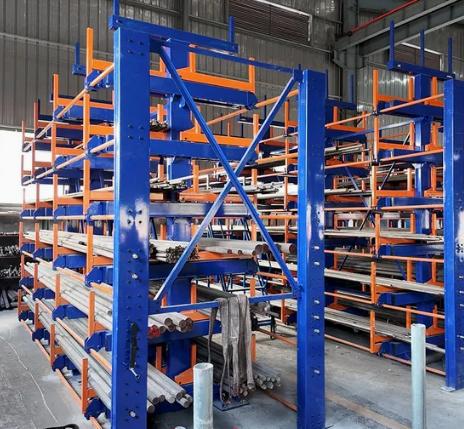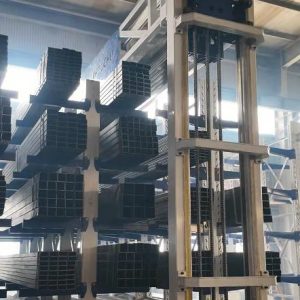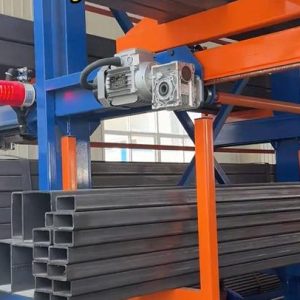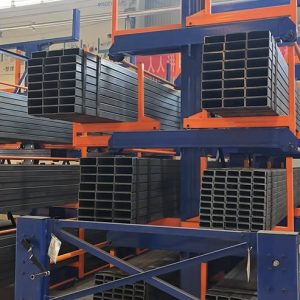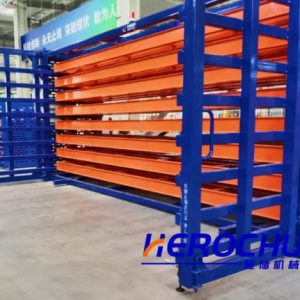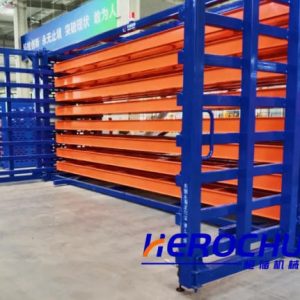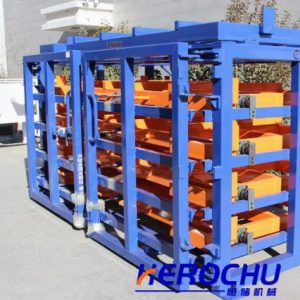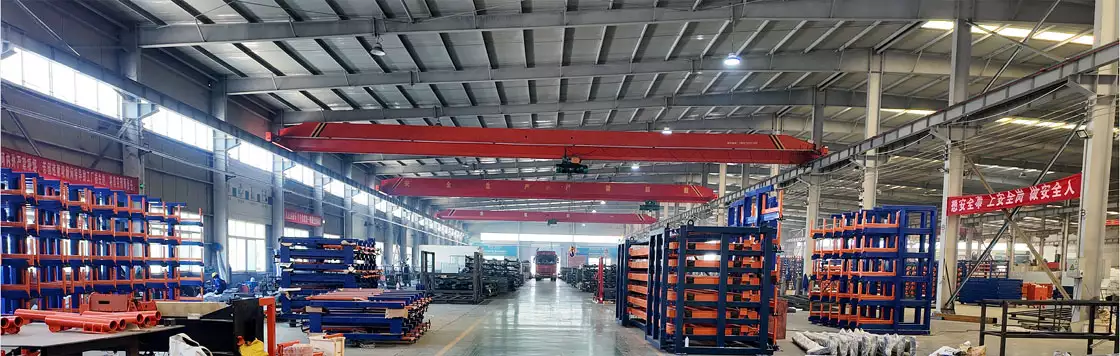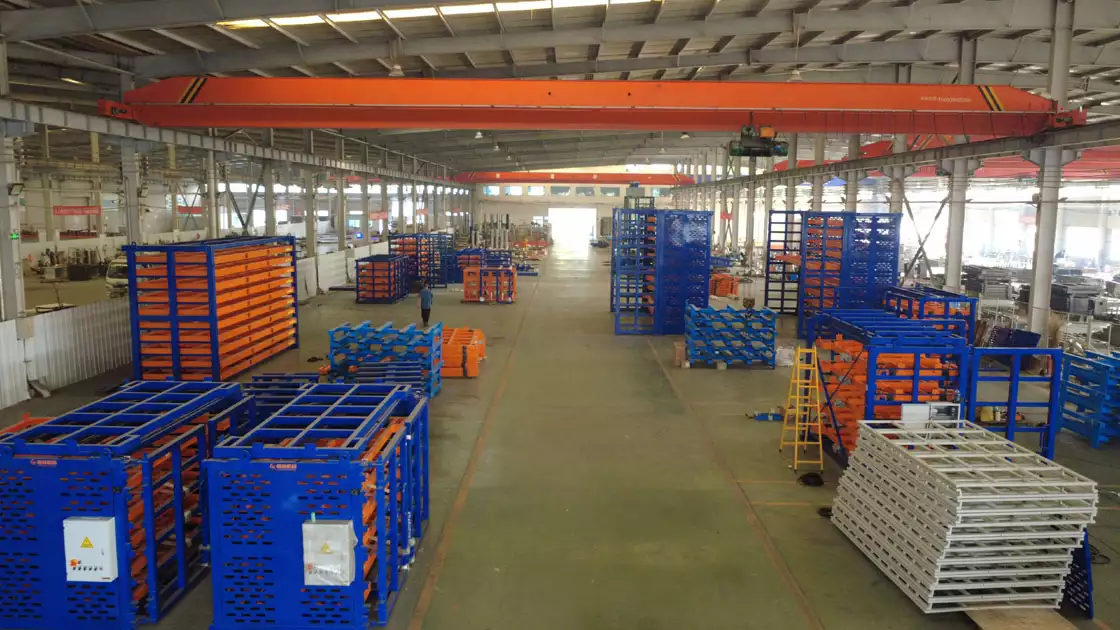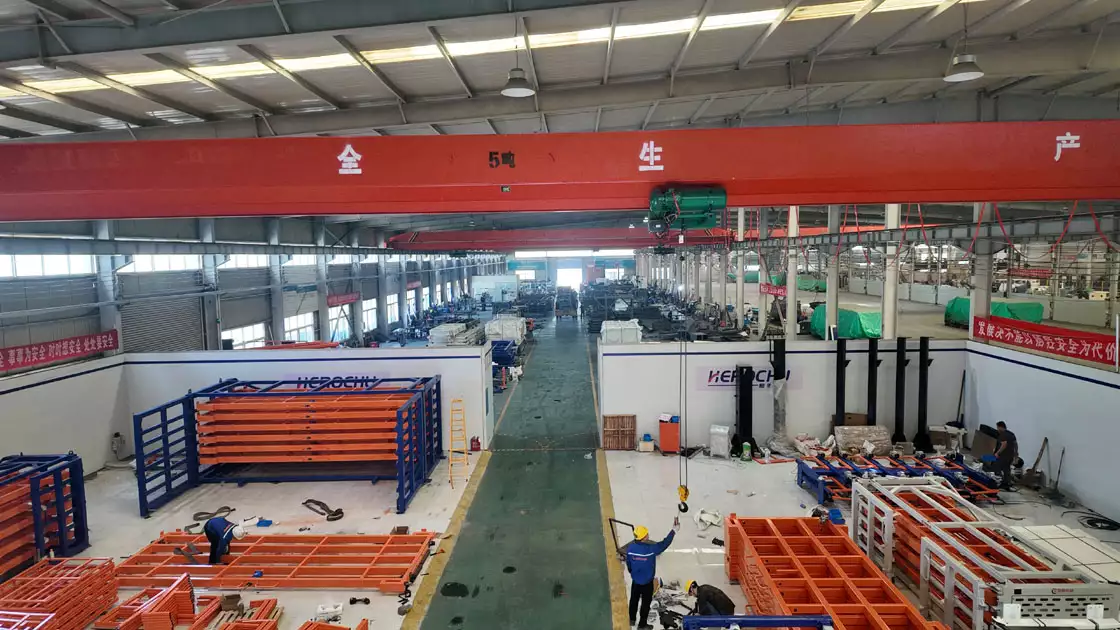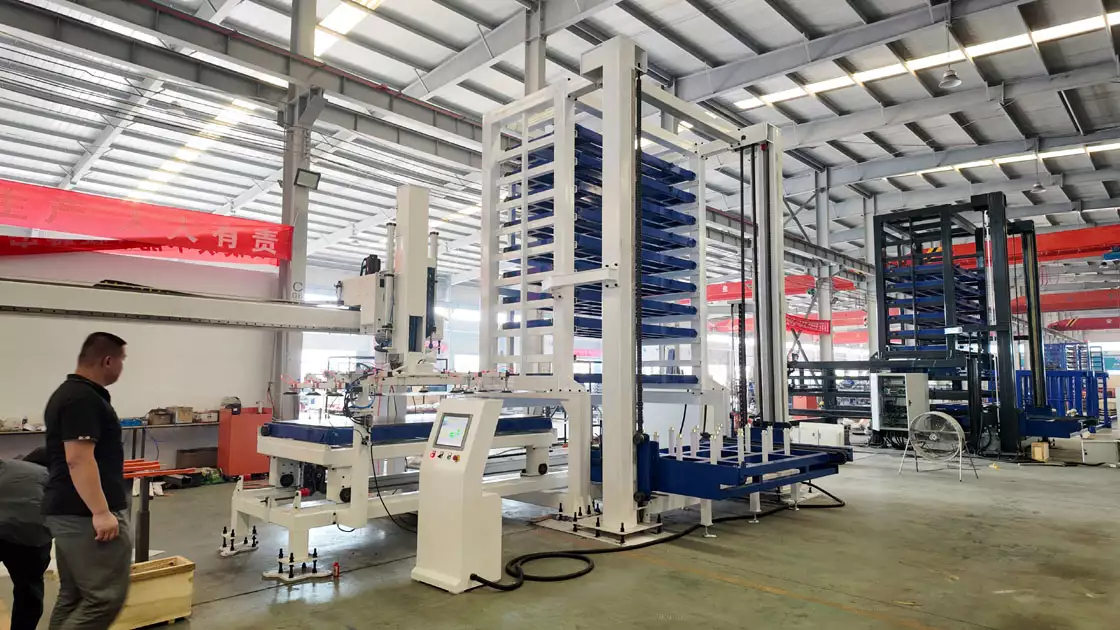
In the logistics and warehousing sector, space is currency. As businesses grow, the volume of inventory often outpaces the available square footage. For companies dealing with long, cumbersome materials like pipes, tubes, and bars, this space crisis is even more acute. These items are difficult to stack, hard to reach, and notoriously space-consuming. The solution lies in changing the storage paradigm from horizontal to vertical, utilizing Vertical Pipe Storage Racks and advanced cantilever systems to unlock the hidden potential of the warehouse.
The Vertical Advantage
Traditional floor stacking is the enemy of space efficiency. When pipes are laid flat on the ground, they occupy a massive footprint relative to their weight. A bundle of 6-meter pipes might take up 10 square meters of floor space, rendering that area useless for anything else.
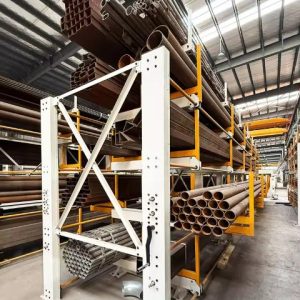
By implementing a Pipe Racks and Storage Systems strategy that focuses on vertical height, warehouses can dramatically increase their storage density. Cantilever racks are uniquely suited for this because they do not require front columns. This allows the rack to be placed in the middle of a room, accessible from both sides, or pushed against a wall.
With a Vertical Pipe Storage Rack, the same bundle of pipes that occupied 10 square meters on the floor can now be stored on a single level of a rack that is 4 meters high. By adding three more levels above it, you have quadrupled your storage capacity within the exact same floor footprint. This “cube utilization” is the gold standard of modern warehousing.
Accessibility and Workflow
Beyond just fitting more stuff into a room, vertical racking improves the flow of materials. In a floor-stack scenario, retrieving a specific pipe often requires moving other pipes out of the way. This “dig-out” process is time-consuming and labor-intensive.
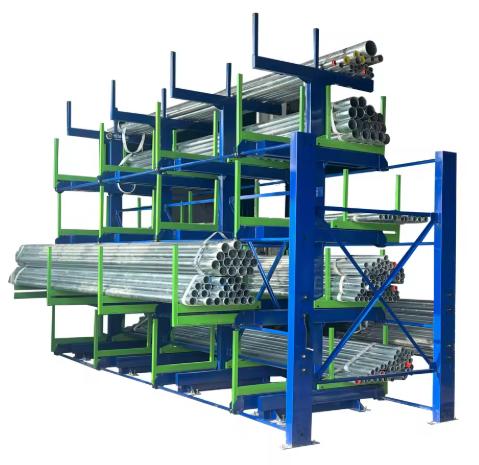
Industrial Pipe Racking Systems offer direct access to every load.
- FIFO and LIFO: Whether you need First-In-First-Out or Last-In-First-Out inventory management, cantilever racks support it. You can access the oldest stock without moving the newest stock.
- Forklift Efficiency: The open design allows forklifts or sideloaders to drive right up to the rack and deposit the load in seconds. There is no shuffling or rearranging required.
- Visual Management: When inventory is elevated, it is easier to see. Warehouse managers can perform cycle counts rapidly because every bundle is visible and distinct.
Stackable and Modular Designs
Modern storage needs are dynamic. A warehouse might store 2-inch PVC pipes today and 6-inch steel casings tomorrow. Stackable Pipe Racks and modular cantilever systems offer the flexibility to adapt.
The “stackable” nature refers to the ability to configure the arms at different heights on the column. If you are storing small diameter tubes, you can place the arms closer together to maximize levels. If you switch to large diameter ducting, you can simply unbolt the arms and move them to a wider spacing.
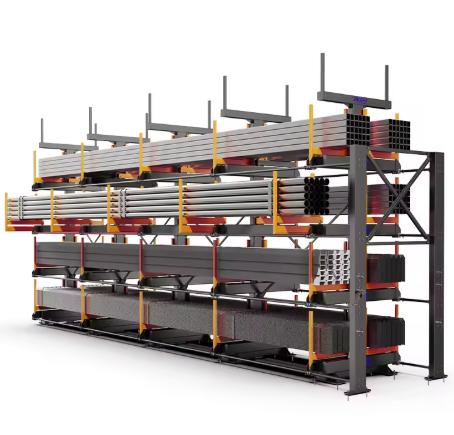
This modularity extends to the width of the system as well. Bar And Pipes Storage Racks can be expanded by adding more bays (the space between two columns). If your business grows and you acquire more inventory, you don’t need to buy a whole new system; you simply bolt on additional columns and arms to extend the row.
Customization for Specific Loads
Not all long loads are the same. A Cantilever Steel Tubing & Pipe Storage Rack can be customized with specific accessories to handle unique items.
- Pipe Stops and Dividers: As mentioned previously, stops prevent rolling. Dividers can be added to the arms to separate individual pipes, keeping them organized and preventing them from nesting inside one another.
- Decking: While cantilever arms are open, you can add steel decking or wire mesh to the arms if you need to store smaller, loose fittings alongside the long pipes.
- Double-Sided Configurations: For maximum density, Warehouse Pipe Racks can be set up back-to-back. This creates a continuous storage block where the columns are shared, reducing the amount of steel required and maximizing the use of the aisle space.
Conclusion
The shift toward Pipe Racks Storage Systems that emphasize verticality is a strategic move for any growing business. It solves the dual problems of space scarcity and retrieval inefficiency. By adopting a modular, vertical approach, warehouses can protect their inventory, speed up their operations, and prepare their facilities for future growth without the need for costly building expansions.