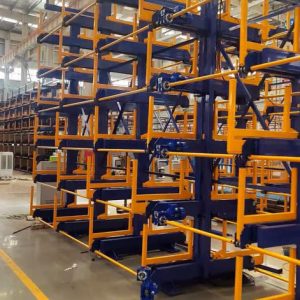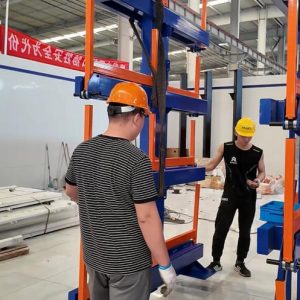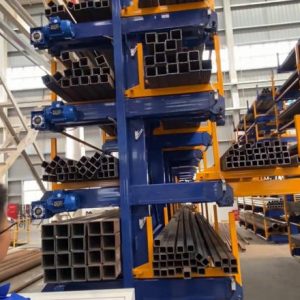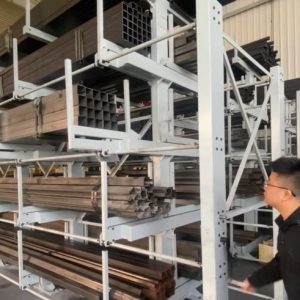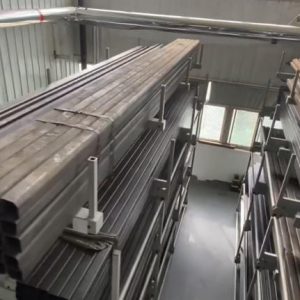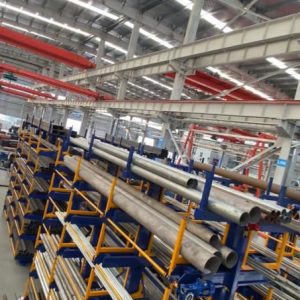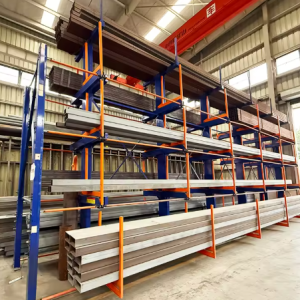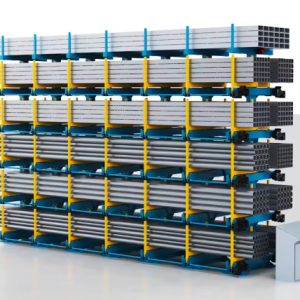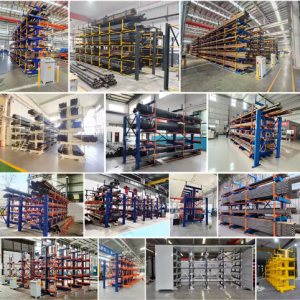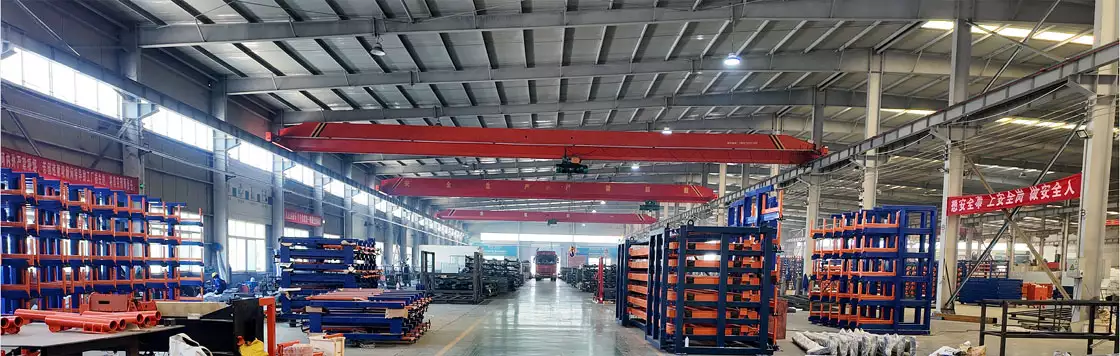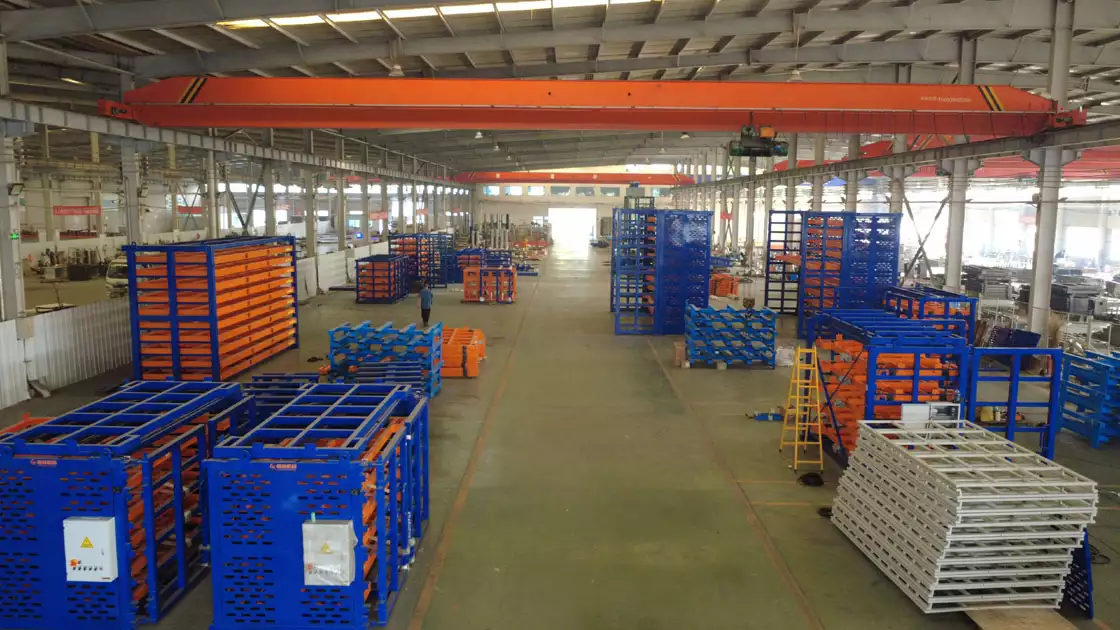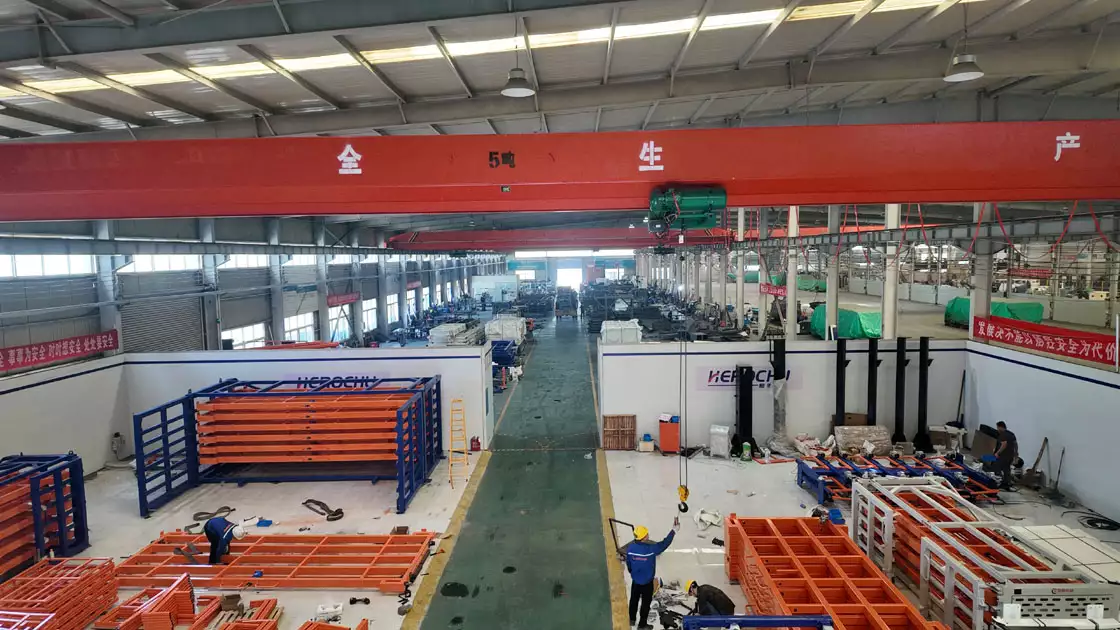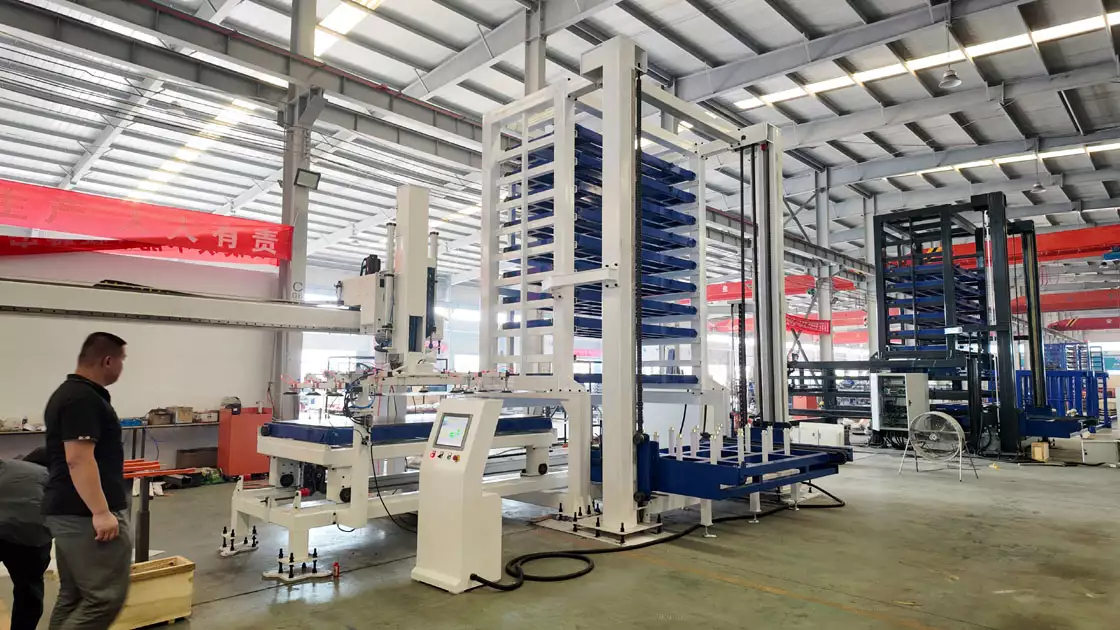
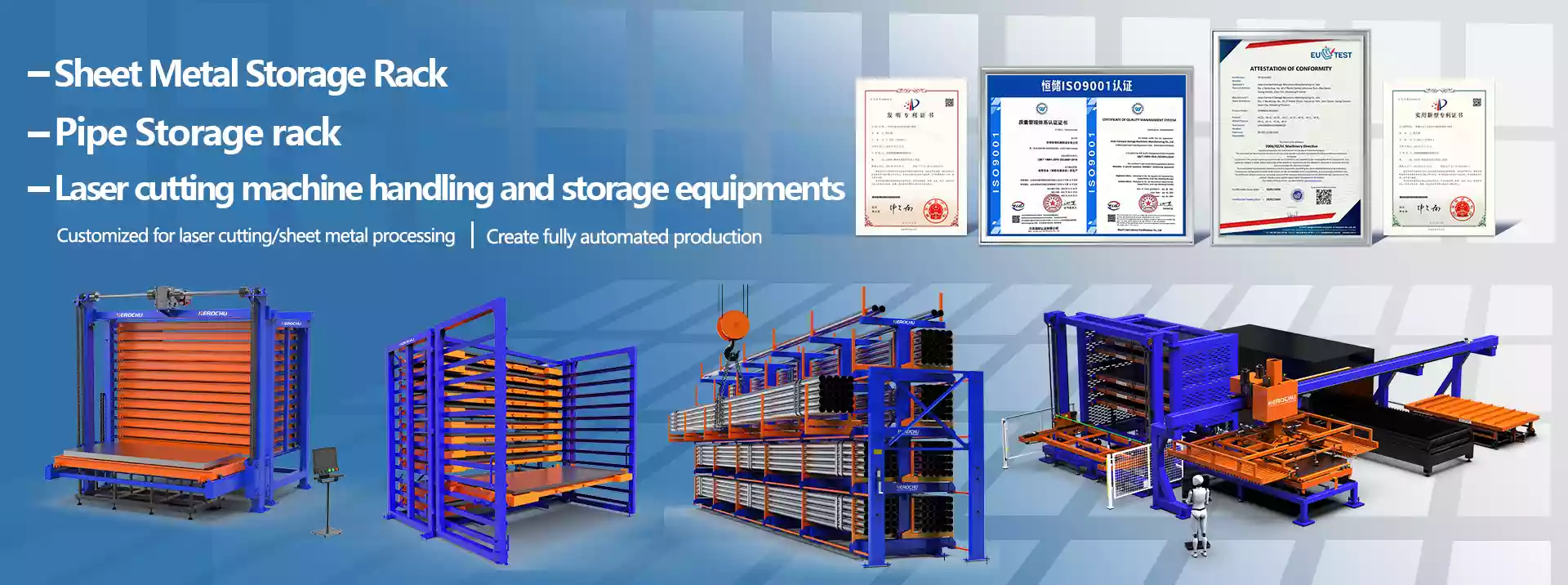
The fourth industrial revolution isn’t just about robots and AI—it’s about reimagining fundamental tools like storage racks. Today’s Smart Electric Telescopic Cantilever Rack systems merge heavy-duty carbon steel construction with intuitive automation, delivering unmatched performance for industries handling massive, long-format materials. From 8-ton-per-layer capacities to seamless integration with warehouse ecosystems, these racks represent the pinnacle of storage engineering. This article explores their technological breakthroughs, practical applications, and why they’re poised to dominate future warehouses.
Defining “Smart” in Storage Context
“Smart” storage transcends mere electrification. It embodies systems that think, adapt, and communicate. A true smart electric telescopic rack features:
- Automated Controls: One-touch buttons, remote apps, or PLC interfaces for operation.
- Sensory Feedback: Load sensors, proximity detectors, and tilt monitors prevent accidents.
- Data Connectivity: APIs linking to WMS/ERP for real-time inventory updates.
- Predictive Maintenance: Algorithms analyzing motor wear to schedule servicing before failures.
These attributes transform passive racks into active participants in workflow optimization.
Engineering Marvel: 8T Carbon Steel Backbone
At the core of smart telescopic racks lies Heavy Duty Carbon Steel 8T/Layer construction. Unlike lighter alternatives using C-channel posts, these systems employ hot-rolled H-beams (e.g., HM 400×200) for columns and arms. Key engineering highlights:
- Yield Strength: Q345B steel offers 345 MPa minimum yield, resisting deformation under extreme loads.
- Weld Integrity: Robotic MIG welding ensures consistent penetration, validated by ultrasonic testing.
- Surface Hardness: Powder coating (80–120μm) provides corrosion resistance rivaling hot-dip galvanization.
This robustness allows safe storage of dense materials like lead-lined pipes or solid bronze bars, where failure isn’t an option.
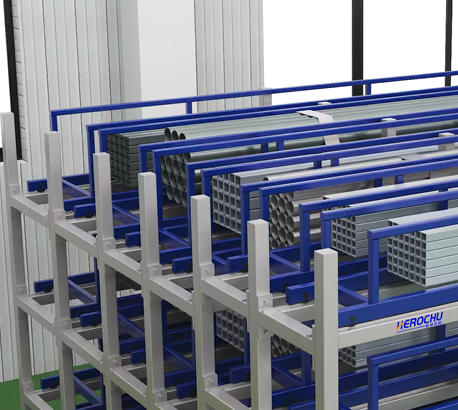
The Electric Advantage: Precision Meets Convenience
Manual telescopic racks suffice for low-frequency use, but electric drives unlock transformative efficiency:
- Speed: Extend/retract cycles complete in 15–30 seconds versus 2–3 minutes manually.
- Accuracy: Servo motors position arms within ±2mm, aligning perfectly with forklift tines.
- Ergonomics: Eliminates physical strain, reducing worker fatigue and injury risks.
- Scalability: Multiple layers can operate simultaneously via centralized control panels.
Premium models even offer voice activation or gesture controls, catering to hands-busy scenarios.
Real-World Impact: Case Studies in Automation
Case 1: Aerospace Component Supplier
A Tier-1 aerospace vendor struggled with storing 7-meter titanium alloy rods. Static racks caused frequent handling damage. After deploying smart electric racks with 6T layers and anti-vibration dampers:
- Damage rates dropped 90%.
- Retrieval accuracy improved to 99.8%.
- Labor costs fell 25% due to faster cycles.
Case 2: Municipal Infrastructure Depot
A city public works department needed outdoor storage for corrosive sewer pipes. Galvanized smart racks with IP65-rated motors handled harsh conditions while enabling night-time automated restocking. Result: 40% more pipe capacity and 24/7 operational readiness.
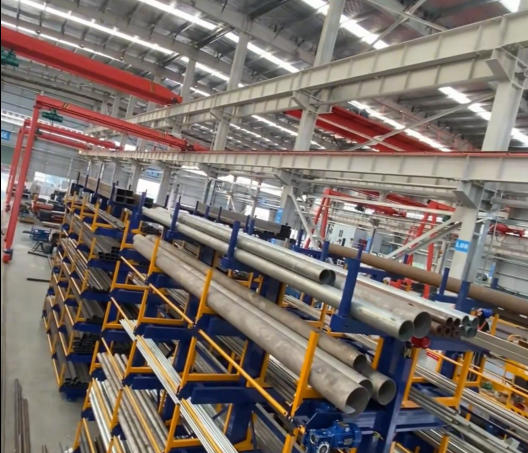
Integration with Industry 4.0 Ecosystems
Smart racks don’t operate in isolation. They plug into broader digital frameworks:
- WMS Sync: Automatically update stock levels upon material removal.
- AGV Coordination: Signal autonomous forklifts when arms are extended.
- Energy Management: Schedule operations during off-peak electricity hours.
Such interoperability turns storage zones into data-rich nodes, fueling continuous improvement initiatives.
Addressing Security and Safety Concerns
Automation raises valid questions about security and fail-safes. Modern smart racks address these via:
- Access Controls: Biometric or RFID authentication restricts operation to authorized personnel.
- Emergency Stops: Redundant E-stop buttons halt all motion instantly.
- Overload Protection: Sensors disable extension if weight exceeds rated capacity.
- Cybersecurity: Encrypted communications prevent unauthorized remote access.
These measures ensure that convenience never compromises safety.
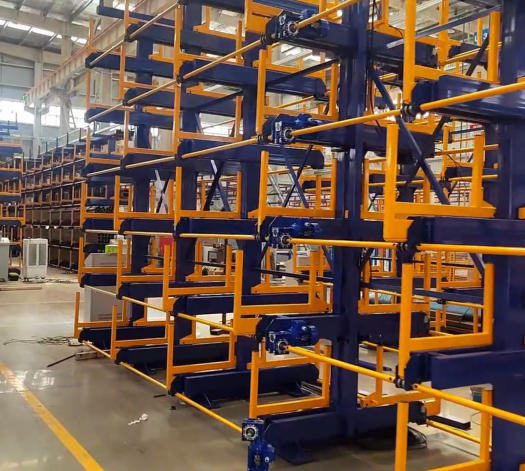
Cost-Benefit Analysis: Is Smart Worth It?
Critics cite higher upfront costs (30–50% over manual racks). Yet total cost of ownership tells a different story:
- Labor Savings: 20–30% reduction in handling time translates to significant wage savings.
- Space Monetization: Freed-up area generates revenue via expanded production or leasing.
- Damage Reduction: Fewer incidents mean lower insurance premiums and replacement costs.
- Longevity: Premium materials and predictive maintenance extend lifespan to 15+ years.
Most users achieve ROI within 18–24 months, making smart racks a financially sound investment.
Future Horizons: AI and Beyond
Next-gen smart racks will harness AI for dynamic slotting—automatically assigning materials to optimal layers based on turnover rates. Swarm robotics could see multiple racks coordinating movements autonomously. Meanwhile, sustainable designs incorporating recycled steel and solar-powered motors will align with net-zero goals.
In conclusion, the Smart Electric Telescopic Cantilever Rack is more than a storage unit; it’s a catalyst for operational excellence. By fusing indomitable strength with cerebral automation, it empowers industries to conquer complexity with elegance. For forward-thinking enterprises, the path to warehouse supremacy begins with a single, intelligent extension.