Meta Description: Implementing sheet metal inventory management best practices requires the right racks and digital tools. Learn how to integrate engineered storage with ERP for real-time control.
Sheet metal fabrication presents a unique inventory challenge. Unlike bins of fasteners, sheet metal is bulky, heavy, and easily damaged. It requires specialized storage, and its value demands meticulous tracking. Sheet metal inventory management best practices sit at the intersection of physical hardware (racking systems) and digital software (ERP/Inventory Management). Bridging these two worlds is how modern manufacturers reduce waste, improve efficiency, and control costs.
The Physical Foundation: Engineered Racking
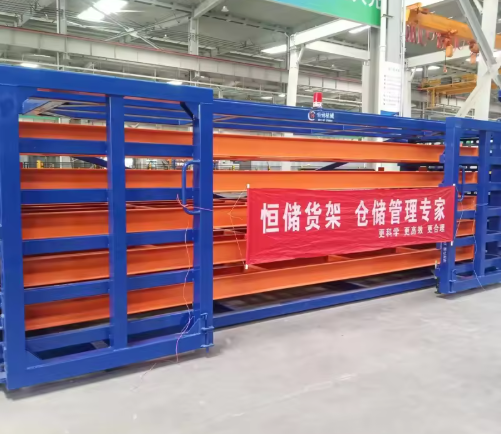
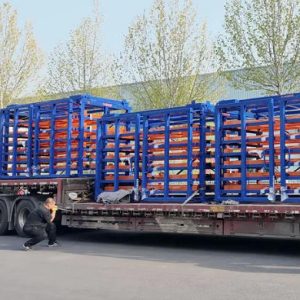
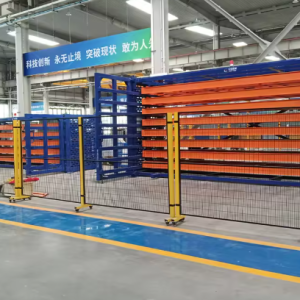
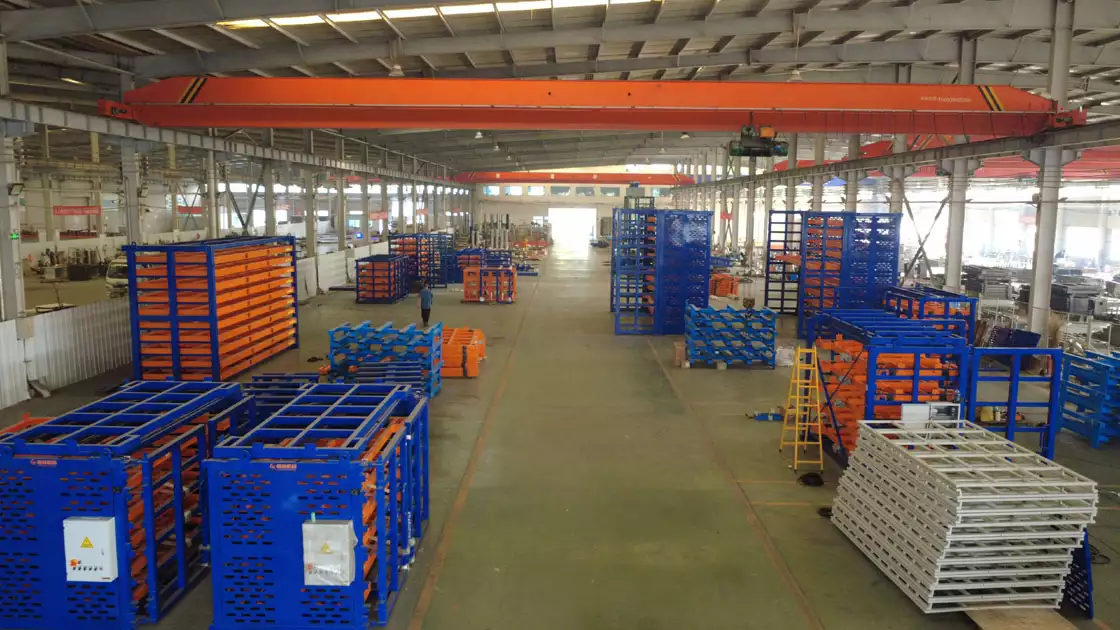
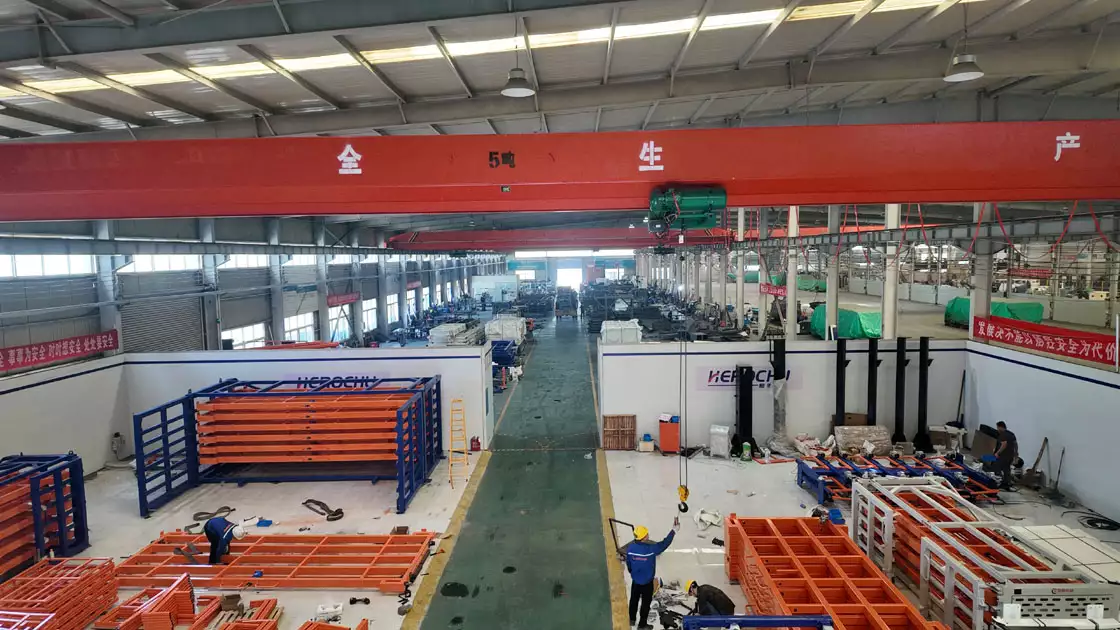
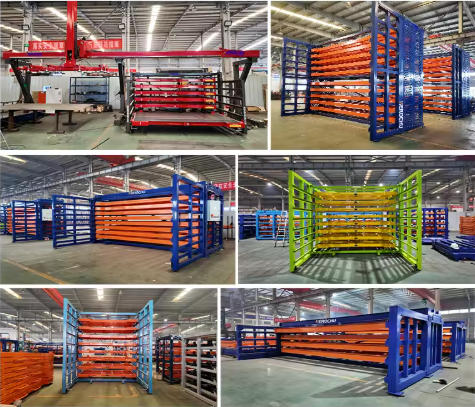
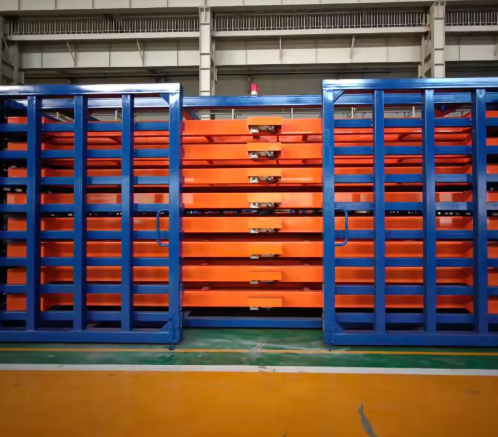
Before you can manage inventory digitally, you must manage it physically. Sheet metal inventory management best practices always start with organization. Floor stacking is the enemy of inventory accuracy. When sheets are piled on top of each other, you cannot see what you have, you cannot count it easily, and you risk damaging the very product you are trying to sell.
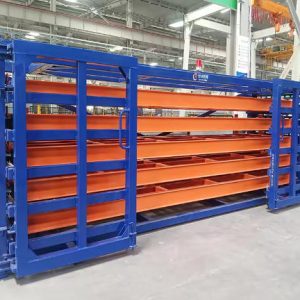
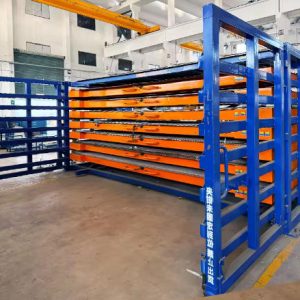
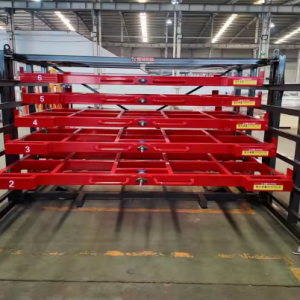
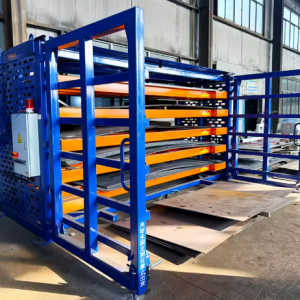
- Dedicated Locations: A proper sheet steel organizer rack assigns a specific home for every material type, thickness, and size. This is the physical equivalent of a SKU system.
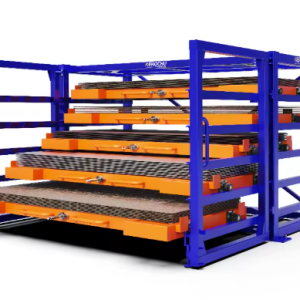
- Protection: Racks with vertical storage or drawer systems prevent warping and scratching. They keep the material in “ready-to-use” condition, reducing waste caused by surface damage or corrosion .
- Remnant Management: A key best practice is managing leftovers. Use dedicated shelves or bins in your sheet steel organizer rack for remnants. If these off-cuts are just thrown into a bin, they are rarely used again. If they are stored in an organized way (by thickness and material), they become valuable inventory for smaller parts, significantly reducing material waste.
Digital Transformation: The VMI and Kanban Approach
Once the physical space is organized, it is time to digitize the flow. Vendor Managed Inventory (VMI) and Kanban systems are proven methodologies for maintaining optimal stock levels.
As seen in real-world case studies, implementing a combination of Kanban and VMI solutions can yield dramatic results. For example, by analyzing consumption patterns and using barcode technology, fabricators have reduced on-hand inventory by 45% and saved hundreds of labor hours annually .
- Kanban: This visual signal system ensures you only order what you use. When a bin or a stack of sheets reaches a certain “trigger” point, it signals for a refill.
- VMI: In this model, the supplier takes responsibility for maintaining inventory levels. With real-time data visibility, the supplier ensures parts are available without the manufacturer having to tie up capital in excess safety stock .
Real-Time Visibility and Barcoding
How do you know what is in your sheet metal rack right now? If you are relying on a clipboard and a clipboard, your data is likely hours or days old. Real-time inventory tracking is essential.
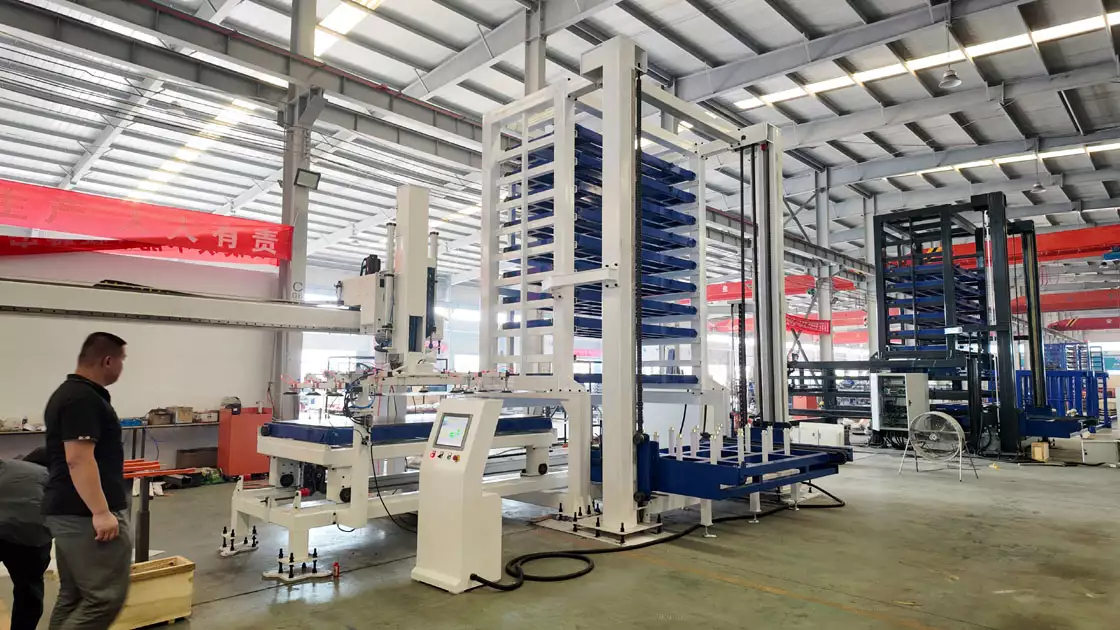
- Barcode/RFID Integration: Each location in your sheet metal rack can be labeled with a barcode. When sheets are placed or retrieved, the worker scans the rack location and the material. This updates the ERP system instantly.
- ERP/MES Integration: Modern systems integrate inventory data directly with production schedules. The ERP knows that a specific job requires 3 sheets of 10-gauge stainless steel. It checks the inventory in the sheet metal rack and, if stock is low, can automatically trigger a purchase order .
Data-Driven Best Practices
With digital tracking in place, you can apply advanced analytics to your inventory management:
- ABC/XYZ Analysis: Classify your sheet metal inventory by value (ABC) and consumption volatility (XYZ). Your “AX” items (high value, steady consumption) need tight, automated control, while “CZ” items (low value, sporadic use) can have looser, manual oversight .
- FIFO Enforcement: First-In, First-Out is critical for materials that can oxidize or go out of tolerance over time. Digital systems can enforce FIFO by directing the picker to the oldest batch first.
- Dual-Unit Management: Sheet metal is often bought by the pound but used by the sheet. An effective system handles “dual unit” management. It tracks both the weight and the piece count, automatically converting and reconciling differences when the material hits the shop floor .
The Cost of Poor Management
Failing to follow sheet metal inventory management best practices leads to “invisible” losses. Excess stock ties up capital that could be used for new machinery. Emergency freight for a missing sheet cuts into profit margins. Rework due to a rusty or damaged sheet wastes labor hours.
By integrating a high-quality sheet metal rack system with robust inventory software, manufacturers create a single source of truth. The rack protects the physical asset, and the software tracks the digital asset. Together, they form the backbone of a lean, efficient, and profitable fabrication operation. This synergy is the ultimate goal of modern sheet metal inventory management best practices .