The versatility of cantilever racking makes it a staple in a wide variety of industries. However, the specific requirements of a plumbing wholesaler differ vastly from those of a heavy machinery manufacturer. Selecting the right Industrial Heavy Duty Steel Cantilever Rack requires a deep understanding of the materials being stored, the handling equipment available, and the environmental conditions of the facility. This guide explores how Pipe Racks and Storage Systems are applied across different sectors and what to look for when making a purchase.
Industry Applications
- Plumbing and HVAC Supply:
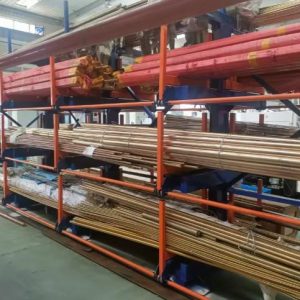
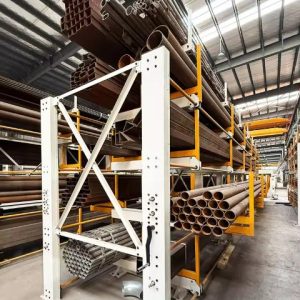
These warehouses typically deal with a high mix of SKUs—copper tubing, PVC pipes, and PEX rolls. The loads are generally lighter but require high organization.- Solution: Light to medium-duty Cantilever Steel Tubing & Pipe Storage Racks with shorter arms (600mm-900mm).
- Key Feature: High adjustability to accommodate small diameter variations and frequent restocking.
- Steel Service Centers and Metal Distribution:
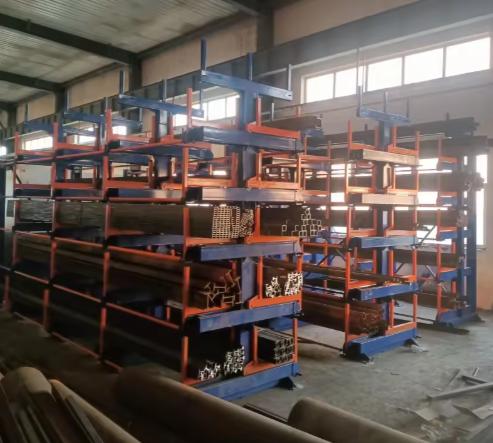
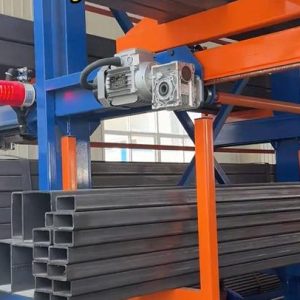
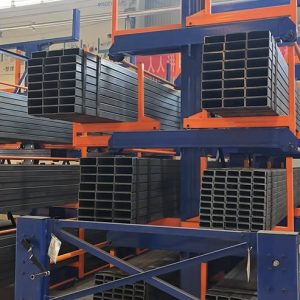
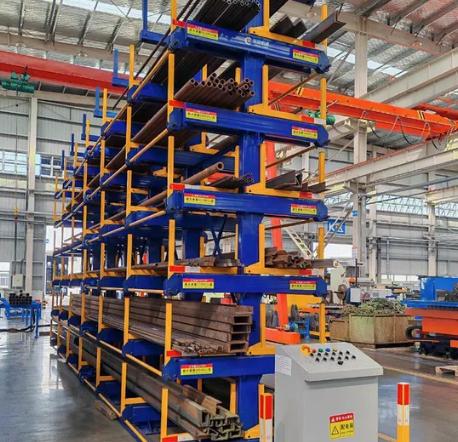
This is the realm of the Heavy-Duty Pipe Rack. Here, the inventory consists of solid steel bars, rebar, and thick-walled structural tubing. The weights are extreme.- Solution: Heavy-duty columns with box-section arms capable of holding 2000kg+ per arm.
- Key Feature: Robust construction with reinforced bases to handle the torque of heavy steel bundles.
- Construction and Lumber:
While often associated with metal, cantilever racks are excellent for storing timber, plywood sheets, and molding.- Solution: Bar And Pipes Storage Racks configured with flat arms or decking to support flat sheets.
- Key Feature: Long arm lengths (1200mm+) to support the full length of timber sheets without overhang.
- Automotive and Manufacturing:
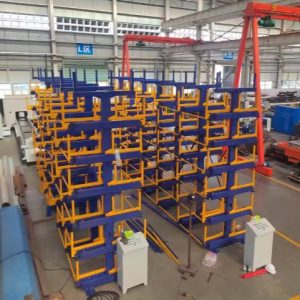
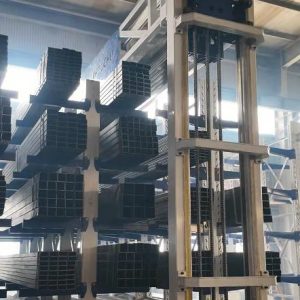
These facilities often store long extrusions or raw stock for CNC machines.- Solution: Vertical Pipe Storage Rack systems that integrate with overhead cranes or sideloader forklifts.
- Key Feature: Durability and ease of access to keep production lines fed without interruption.
Selection Criteria: How to Choose
When looking for New Cantilever Racks For Sale, buyers should evaluate three main factors:
1. Load Capacity and Arm Length:
Calculate the maximum weight of the bundle you intend to store. Then, measure the length of the material. The arm length should be at least half the length of the shortest item you plan to store to prevent tipping, though typically, arms are sized to support the load at two or more points.
- Rule of Thumb: If storing 6-meter pipes, ensure your arms are spaced appropriately to prevent sagging.
2. Single vs. Double Sided:
- Single Sided: Best for placing against walls. It maximizes the perimeter of the warehouse.
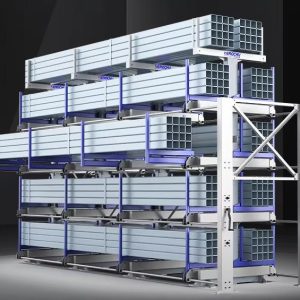
- Double Sided: Best for the center of the floor. It allows access from two aisles and shares the column cost between two storage faces.
3. Material and Finish:
For indoor use, standard cold-rolled steel with a powder-coat finish is sufficient. For outdoor Pipe Warehouse Storage Systems, or those in humid environments (like swimming pool chemical storage), galvanized steel is recommended to prevent rust and structural degradation.
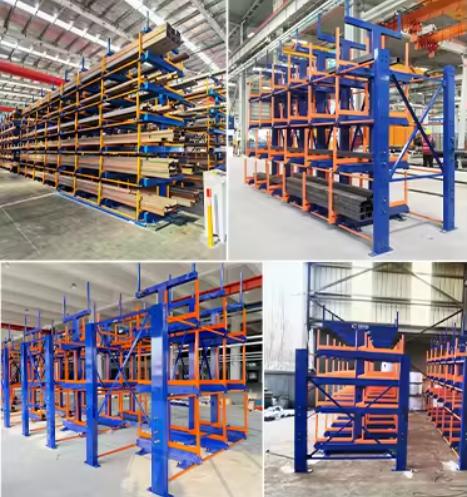
The “New” Standard in Racking
The market for New Cantilever Racks For Sale is evolving. Modern systems are not just piles of steel; they are engineered solutions.
- Bolt-Free Assembly: Many new systems use a “clip-in” design for the arms, allowing for rapid reconfiguration without tools.
- Safety Upgrades: Enhanced pipe stops and column guards are becoming standard to protect against forklift impacts.
- Aesthetics: With the rise of “clean manufacturing” initiatives, racks are now available in custom colors to match corporate branding or safety zones (e.g., yellow arms for caution, blue for finished goods).
Conclusion
Whether you are outfitting a small workshop or a massive distribution center, the right racking system is the backbone of your operation. Industrial Pipe Racking Systems offer a proven, durable, and highly efficient method for storing the materials that build our world. By carefully assessing your load requirements and choosing a system that balances capacity with accessibility, you can ensure that your warehouse remains a safe and productive asset for decades to come.