Real-World Applications of Tower Storage Systems in Metal, Manufacturing, and Electronics
The versatility of the tower-type automated material storage system makes it a transformative asset across numerous industries. Its ability to handle heavy, bulky, and diverse items with precision and speed solves common logistical pain points in demanding environments. By examining its applications in three core sectors—Metal Processing, General Manufacturing, and Electronics—we can see how this technology drives tangible improvements in efficiency, safety, and cost control.
Revolutionizing Metal Processing and Fabrication
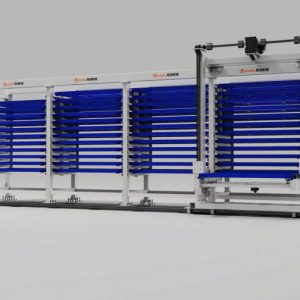
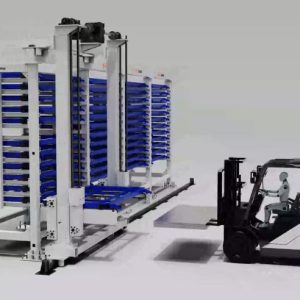
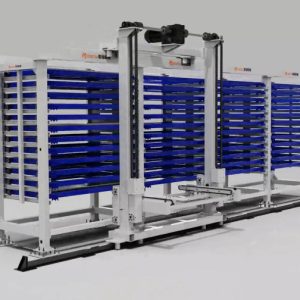
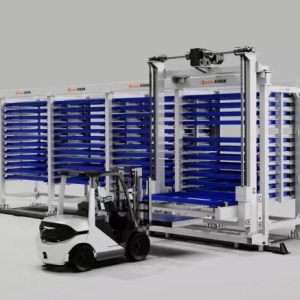
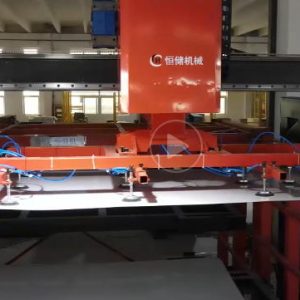
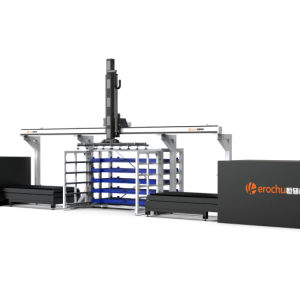
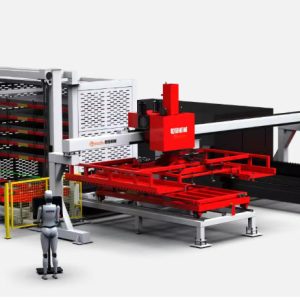
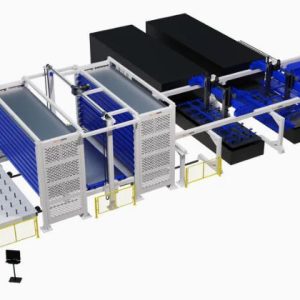
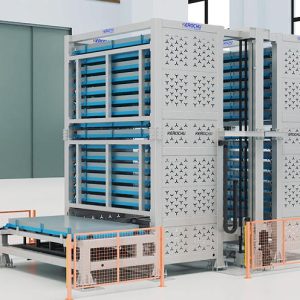
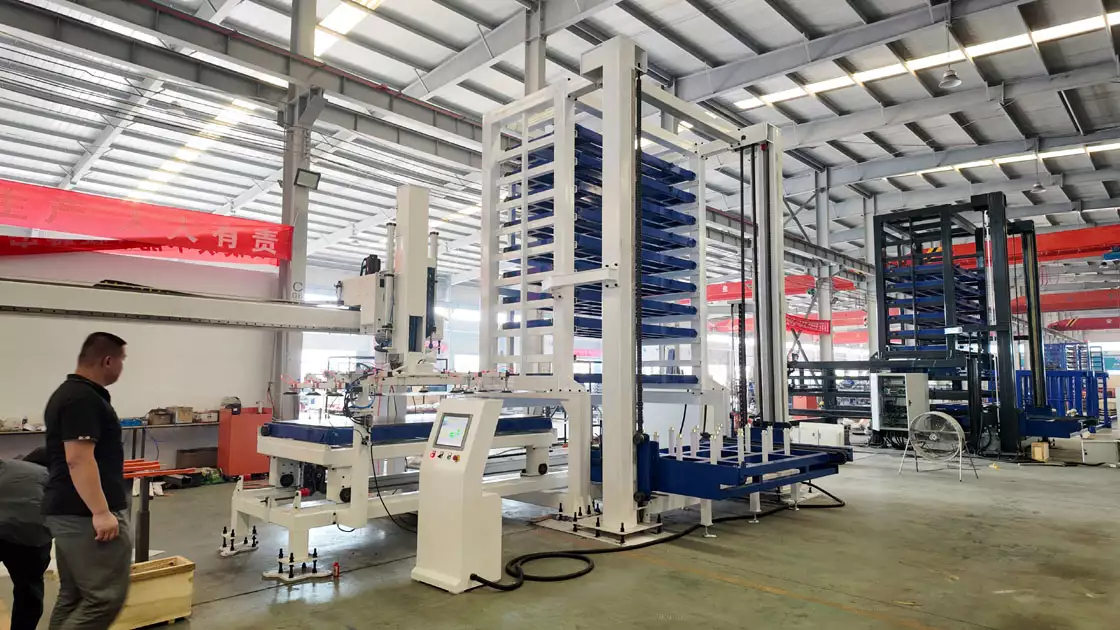
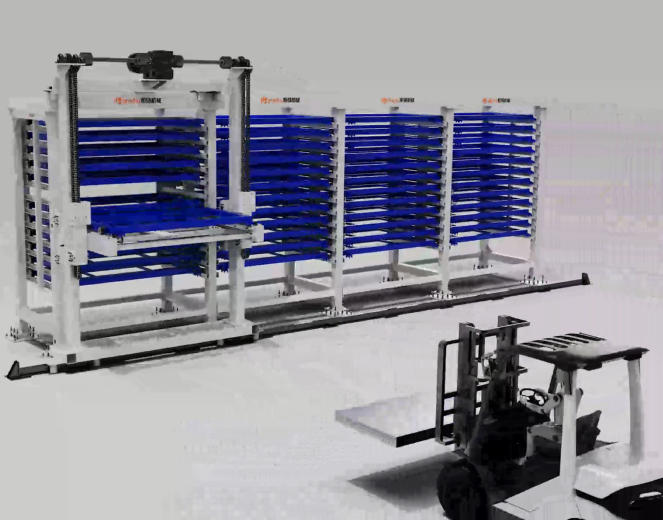
In metalworking facilities, the handling of raw materials like sheet metal, bars, tubes, and plates is traditionally labor-intensive, space-consuming, and hazardous. Tower storage systems are ideally suited to tame this challenge. A system dedicated to sheet metal storage can hold hundreds of sheets of varying sizes, grades, and thicknesses. An operator at the control station can request a specific sheet by its unique identifier. The system’s vacuum lift extracts it without scratching the surface and delivers it to the workstation, ready for loading onto a laser cutter, punch press, or bending machine. This eliminates manual searching in a rack, reduces material damage, and drastically improves machine utilization by minimizing setup time. Similarly, for long profiles (bars, tubes, beams), a tower with crane-type extractors manages these cumbersome items safely, feeding saws or machining centers. The system’s integration with nesting software is a powerful combination: the ERP sends cutting plans to the machine, which in turn automatically requests the correct raw material from the tower, creating a fully automated material flow from storage to first processing step.
Streamlining Manufacturing Operations: Tools, Molds, and Intermediate Storage
Beyond raw materials, manufacturing plants grapple with the storage and management of high-value production assets. Tool and die storage is a prime application. Molds, dies, jigs, and fixtures are often extremely heavy, sensitive to damage, and critical to production. Storing them on traditional racks risks damage and requires forklifts for retrieval. A tower system stores each tool in a protected, designated compartment. When a production line needs a specific mold for an injection molding machine or a stamping press, the operator requests it via the system. The automated lift retrieves it and presents it at the ergonomic station, where it can be safely transferred via a small jib crane. This ensures tool safety, guarantees the correct tool is used, and tracks tool usage and maintenance schedules. Furthermore, tower systems are perfect for intermediate storage or buffer zones between different stages of production. They can automatically receive semi-finished parts from one process and hold them in sequence before releasing them to the next assembly station, enabling smooth, decoupled production flow and work-in-process (WIP) control.
Precision Handling in Electronics Manufacturing
The electronics industry, with its demand for precision, traceability, and contamination control, also benefits greatly from tower storage. A key application is the storage of component reels and SMT (Surface-Mount Technology) feeders. These reels, containing delicate electronic components like resistors, capacitors, and integrated circuits, are vital for automated assembly lines. A tower system provides organized, high-density storage for thousands of reels in a clean, controlled environment. When the pick-and-place machine’s feeder needs replenishment, the tower’s system, integrated with the Manufacturing Execution System (MES), can automatically deliver the required set of reels to a preparation station or directly to the line side. Barcodes or RFID tags on each reel ensure 100% accuracy. This “kitting” process is automated, eliminating human error in component selection—a critical factor in preventing costly assembly mistakes. The system also protects sensitive components from dust, moisture, and electrostatic discharge (ESD) if equipped with appropriate environmental controls.
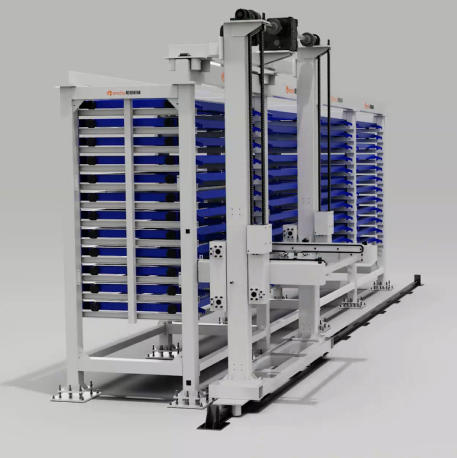
Across these diverse applications, common themes emerge: the replacement of inefficient manual search and retrieval with instant, precise automated access; the dramatic reduction of valuable floor space dedicated to storage; the elimination of safety risks associated with handling heavy loads; and the creation of a digital thread connecting physical inventory to production planning software. Whether it’s a 5-ton steel plate, a delicate silicon wafer cassette, or a high-precision titanium mold, the tower-type automated storage system provides a standardized, intelligent, and reliable method to store it, find it, and deliver it—on demand. This capability makes it an indispensable component of the modern, connected, and efficient industrial facility.