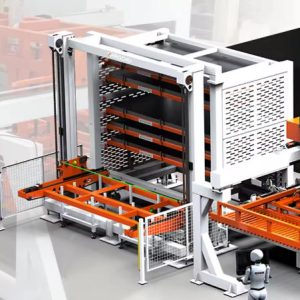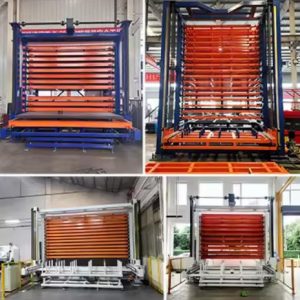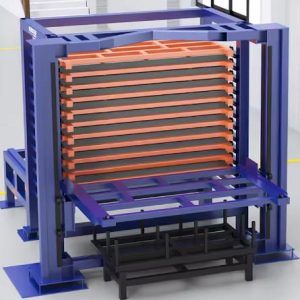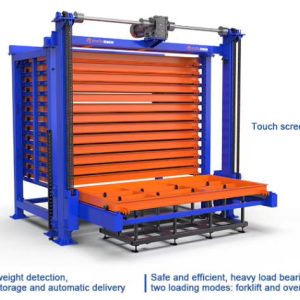
The professional installation process for industrial cantilever storage racks is a technical undertaking that demands strict adherence to methodology and safety protocols. A properly installed telescopic cantilever racking system not only delivers unparalleled storage density but also guarantees long-term operational safety under heavy loads of 3-8 tons per arm. This article delineates the expert-approved installation sequence, highlighting the critical procedures that differentiate a professional build from an amateur attempt.
Pre-Installation: Engineering Review and Site Readiness
A professional install starts with a review. Verify the engineered drawings match the delivered components and your site plan. Ensure the concrete slab meets the required load-bearing specification and is level within a tight tolerance. Assemble a crew with appropriate experience and ensure all necessary tools—including lifting equipment for heavier components—are onsite and in good condition. Layout the entire system footprint on the floor with chalk lines, marking exact positions for upright bases and anchor points. This preparatory rigor prevents costly misalignment later.
Erecting the Primary Structure with Precision
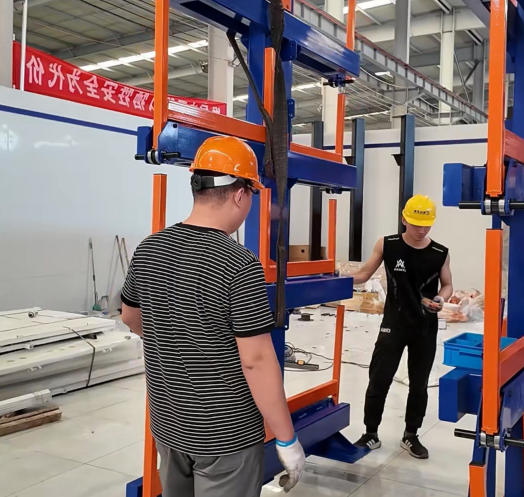
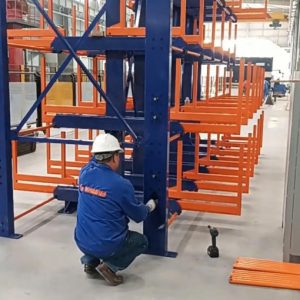
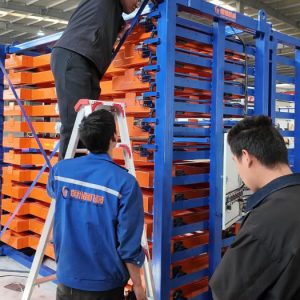
The core structure is built methodically. Professionals often begin by connect[ing] the square tubes at the top between the first two uprights before standing them, ensuring perfect portal alignment. After placing this first frame, they secure it with angle iron cross braces, creating a freestanding, stable bay. The process then expands linearly. Erect the second set of upright columns, connect them via longitudinal angle irons, and immediately install the diagonal braces. This pattern of adding a bay and its connecting bracing is repeated in sequence until all upright columns are erected. A professional tip is to use temporary guy wires to hold the line of uprights plumb during this phase. All connections are made hand-tight to allow for final system alignment.
Mounting Functional Components: Arms and Drive Mechanism
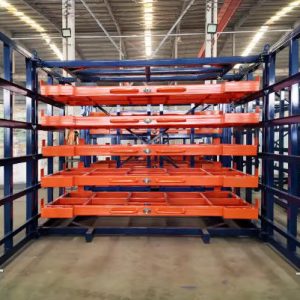
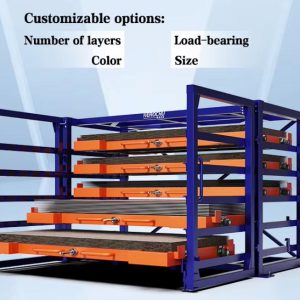
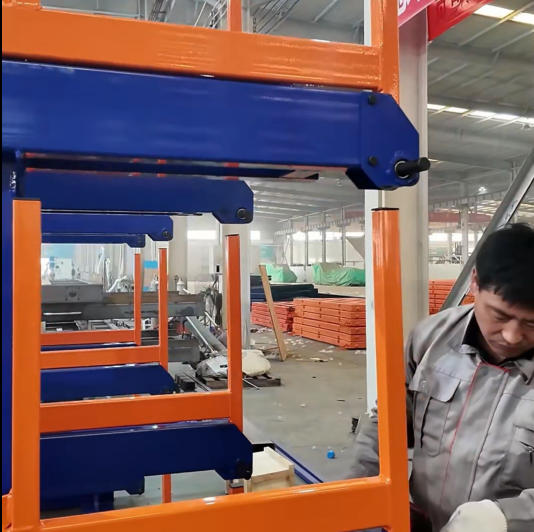
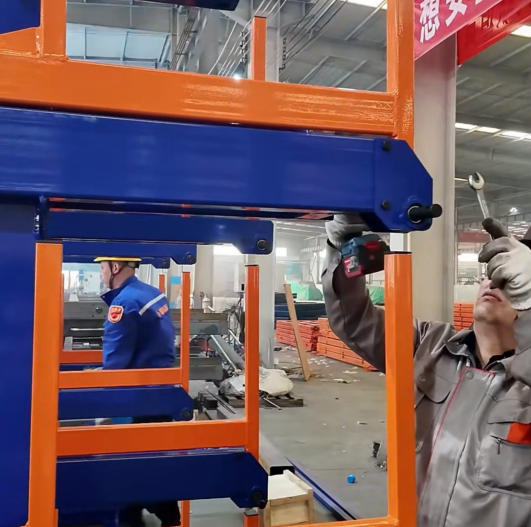
With the backbone stable, install the load-bearing components. Install the welded round tubes onto the uprights, carefully adjust[ing] the spacing for each custom layer. Insert the telescopic arms. In a professional installation process, special attention is paid to ensuring the arms are level and their mounting brackets are square. Next, integrate the extension system. Assemble the chain boxes per instructions. The critical task is to connect the chain boxes and the upright columns as a whole using round tubes to create a rigid drive mount. Then, meticulously connect the two chains and the angle irons between them, ensuring proper chain tension and alignment. This step is crucial for achieving the system’s promised “operation [that] is simple,” whether hand-cranked or electric.
The Critical Phases: Alignment, Torquing, and Anchoring
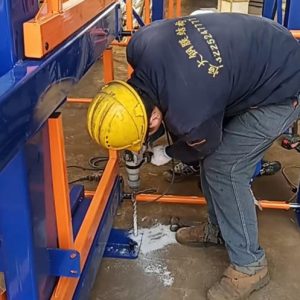
This is where professional rigor is most apparent. Using precision levels, lasers, and measuring tapes, crews begin adjusting for horizontal and vertical alignment across the entire rack system. This ensures true plumb and level, which is essential for even load distribution and smooth telescopic operation. After leveling, proceed to fasten all screws using calibrated torque wrenches to the exact manufacturer-specified values. This sequential torquing removes all play from the structure. Following structural tightening, begin fixing the anchor bolts. Professionals typically use a certified epoxy or mechanical anchoring system, ensuring the racks are permanently and securely tied to the building’s slab, a non-negotiable safety requirement for industrial cantilever storage racks.
Commissioning, Capacity Testing, and Handover
A professional install is not complete without rigorous commissioning. Conduct a full operational debugging of the system. Test every layer’s extension and retraction via its mode of movement, checking for smooth, synchronized action that perfectly fits tools such as forklifts and cranes. Finally, execute a documented loading test. Methodically load arms to their rated capacity, observing deflection and checking anchor points for any movement. This final step validates the entire installation procedure for heavy-duty telescopic cantilever tube racking systems. Upon successful testing, the system is ready to handle its core mission: to improve space utilization by 200-300%, enabling a single person to manage vast inventories of long materials safely and efficiently, thereby significantly reducing material preparation time.