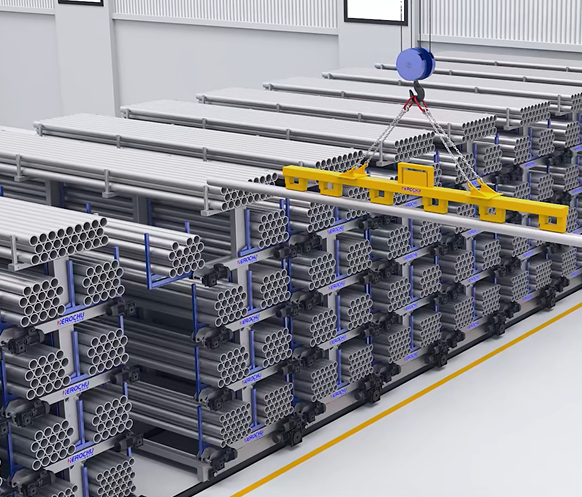
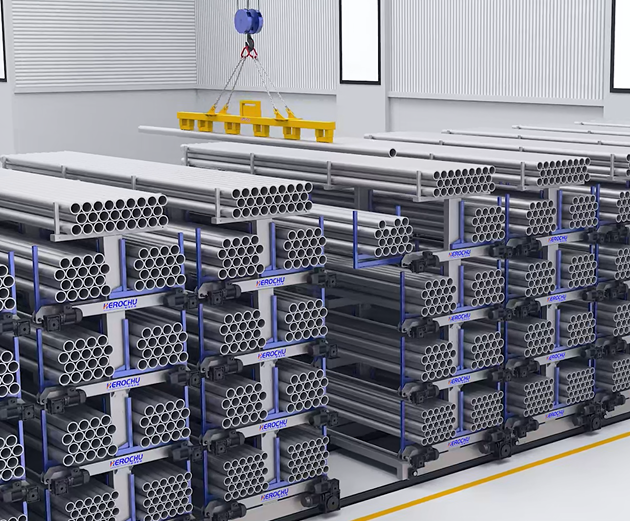
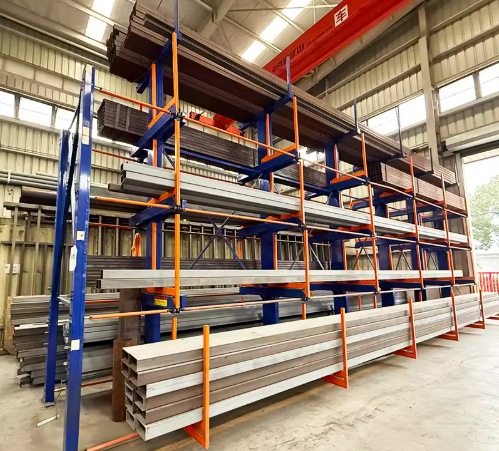
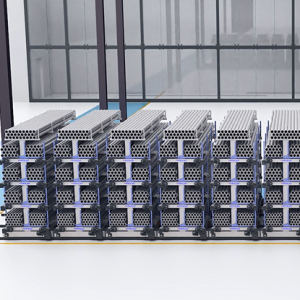
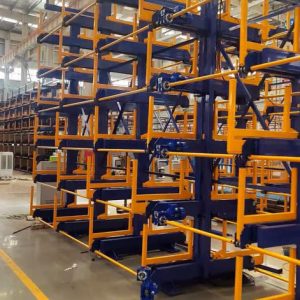
For operations that live and die by the efficient storage of steel pipes, aluminum profiles, and solid bars, the racking system is the backbone of the workflow. Yet for decades, warehouses have been forced into a compromise: sacrifice floor space for accessibility, or pack materials in and lose efficiency. The Rail-type movable pipe fitting storage rack solves this dilemma through an elegant engineering concept—sharing the rail. By mounting multiple cantilever units on a common ground track, these systems achieve a density and accessibility combination previously thought impossible for long goods .
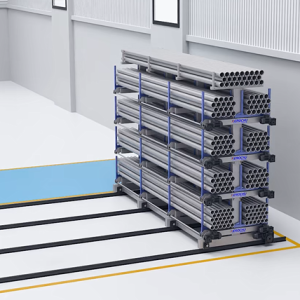
The fundamental innovation of the Rail-type Pipe Cantilever Rack Systems lies in what happens beneath the floor. A precision-ground steel rail is embedded into and anchored to the warehouse concrete, creating a dedicated pathway for rack movement . Unlike traditional cantilever racks that are bolted permanently to the floor, rail-type units are fitted with heavy-duty carriages equipped with industrial rollers or wheels. These carriages engage the rail, allowing entire rack sections to glide horizontally along the track.
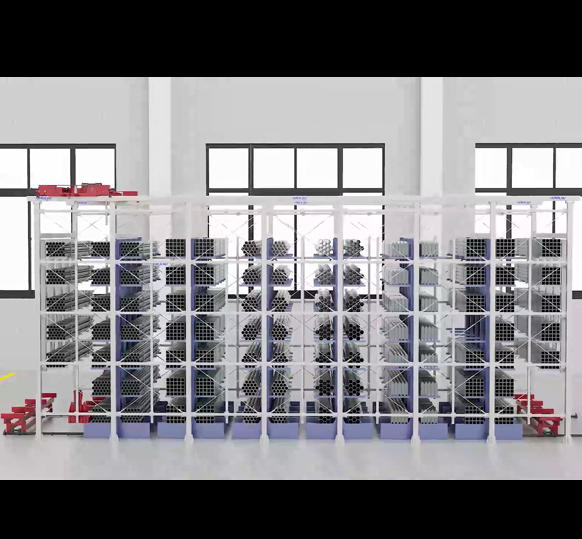
This design directly addresses the “one aisle per rack” problem. In a conventional setup, a row of cantilever racks requires an access aisle in front of every single rack face. With a rail-type system, multiple racks share one single ground rail, and consequently, only one central aisle is needed for loading and unloading all of them . The racks sit flush against each other when closed, and the operator simply moves the required rack unit along the rail into the shared aisle to access materials.
Designed for the Full Spectrum of Long Goods
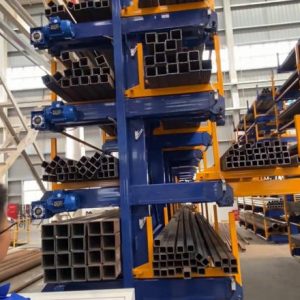
The specification “Rail-type Telescopic Cantilever Shelves Suitable for Storing Loading and Unloading Pipes Profiles Bars and Other Long Materials” covers a vast range of inventory. This versatility is built into the adjustable arm design.
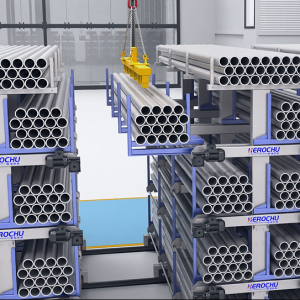
For pipes and tubes, the cantilever arms can be fitted with optional saddles or V-shaped supports that prevent cylindrical goods from rolling. The telescopic action allows a single layer to be extended, meaning the operator can access a specific diameter of pipe without disturbing the bundles above or below it .
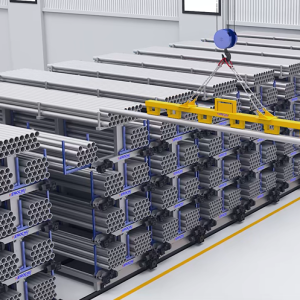
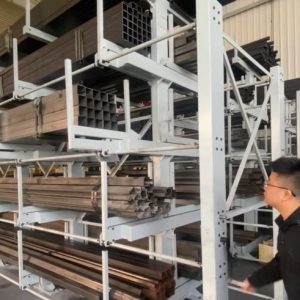
For profiles and bars—which often have delicate surfaces or precise dimensions—the arms provide rigid support without the crushing pressure of stacked materials. Because each level moves independently, there is no dragging of metal against metal when retrieving a mid-level bar. The material simply sits on the extended arms, waiting for the overhead crane or forklift to lift it straight up and out.
Irregular goods pose a unique challenge in standard racking. Items like structural fabrications, bent components, or bundled wire can be difficult to nest. The rail-type system offers the flexibility to dedicate an entire rack bay to odd-shaped items, using the telescopic extension to bring them fully into the light for safe rigging.
Space Utilization Metrics That Matter
Warehouse managers are rightfully obsessed with utilization rates. The claim that rail-type systems achieve “higher utilization rate than ordinary shelves” is not marketing hype; it is a function of geometry . Standard cantilever racks require an aisle width sufficient for a forklift to approach perpendicularly. This typically consumes 12 to 15 feet per aisle.
In a rail-type configuration, the aisle is shared. If you have five racks on a single rail, you might have one central aisle serving all five. The formula is simple: instead of five aisles (one per rack), you have one aisle. The floor space reclaimed can be used for additional production, staging areas, or more racking. This is particularly transformative in facilities with limited space and low height, where building up is not an option, so the only way to increase capacity is to optimize the horizontal footprint .
Structural Integrity of the Ground Rail
A common question from safety-minded buyers is whether a moving rack can be as stable as a fixed one. The answer lies in the ground rail design itself. The rail is not simply laid on the floor; it is embedded and anchored to engineering specifications. The structure features stable engineering that ensures load-bearing capacity is not compromised by mobility .
The connection between the rack carriage and the rail is a precision fit. High-capacity bearings or rollers distribute the weight of the loaded rack—potentially hundreds of tons—evenly across the floor. When the rack is in its parked position, most systems incorporate positive locking mechanisms or anti-tilt devices that secure the unit to the rail, ensuring it behaves exactly like a fixed rack during storage and retrieval operations .
Wide Field of View and Ease of Management
Beyond the raw numbers of space savings, the operational experience is improved. Because the racks can be moved apart to create aisles, the warehouse gains a wide field of view. Inventory auditors can visually scan the ends of pipes or labels without walking down a dark, narrow canyon of steel. This visibility reduces cycle counting time and improves inventory accuracy.
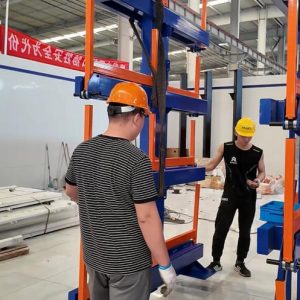
Furthermore, the “easy to manage” aspect is critical in labor markets where skilled workers are hard to find. New operators can be trained on a rail-type system in hours rather than days. The process is intuitive: identify the rack containing the needed material, move the rack to the aisle (manually or with assistance), extend the specific level, retrieve the load, and close the rack. It removes the complex maneuvering required to dock a forklift into a tight cantilever bay.
In summary, the Rail-type movable pipe fitting storage rack represents a fundamental shift in long goods storage philosophy. By decoupling the rack from the floor and enabling it to move on a shared rail, warehouses unlock density, safety, and operational simplicity that traditional static systems simply cannot match .
FAQ
Here are some frequently asked questions about our sheet metal racks and pipe storage solutions. We hope you find them helpful!
Q1: Can I request a custom size or color? Absolutely. We offer complimentary design services and deliver efficient, tailored solutions to meet your specific requirements.
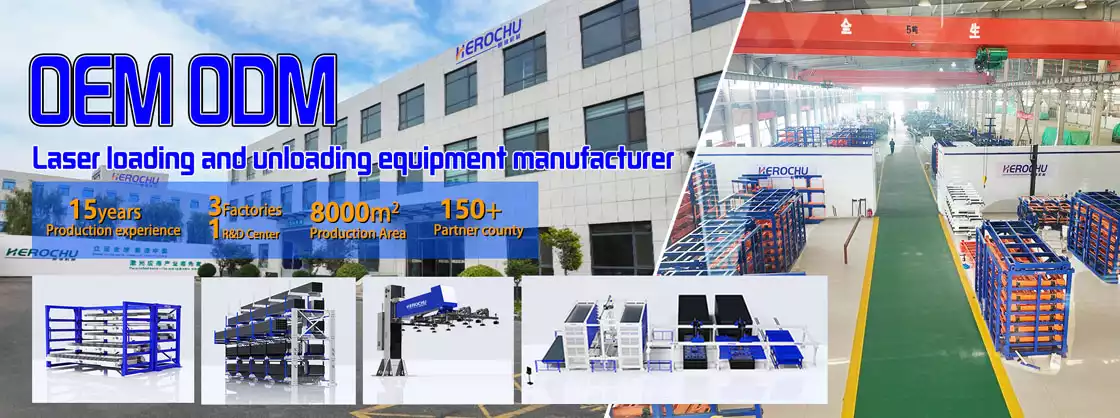
Q2: Are you a manufacturer or a distributor? We are a direct manufacturer with over 15 years of industry experience and expertise.
Q3: Is there a minimum order quantity? No. We welcome orders of any size, starting from a single unit.
Q4: How can I get detailed product information? Click the “Get a Quote” button to receive product images, detailed specifications, and videos. Our team is always ready to assist.
Q5: How do I provide my storage rack requirements? Simply share the type, dimensions, and quantity of materials you plan to store, along with any other specific needs. We will develop a professional storage solution for you. Alternatively, leave your contact details for a personalized consultation.
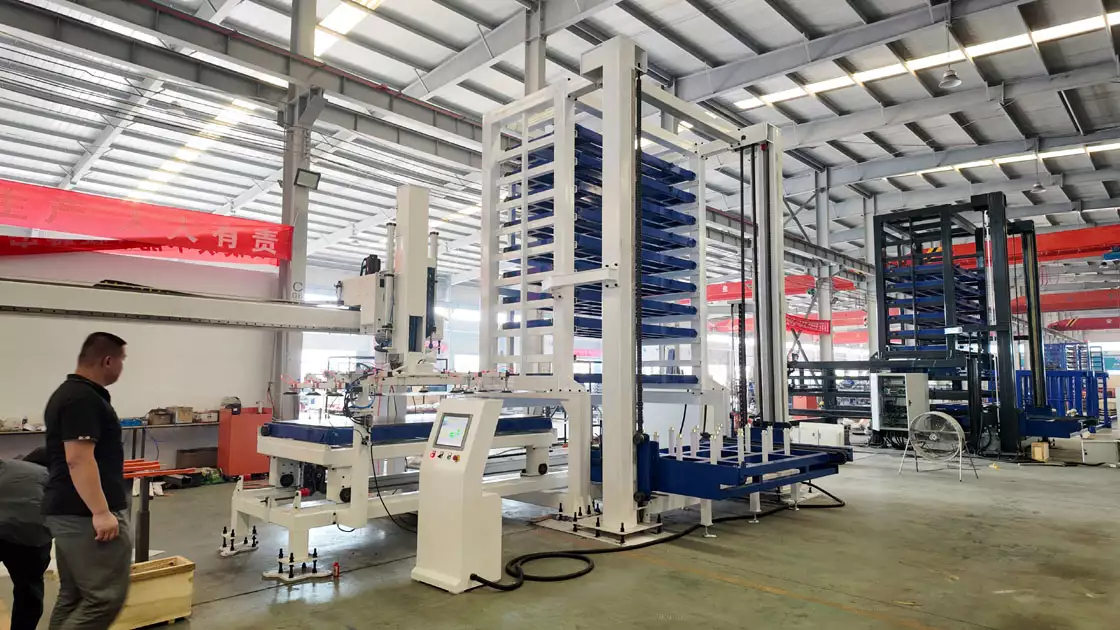
Q6: Do you offer automated loading systems or robotic arms? Yes. We provide loading robotic arms and integrated loading/unloading systems tailored to your laser cutting machine’s table size and material handling method (e.g., board rack, exchange platform, or material warehouse). Contact us with your details for a customized proposal.
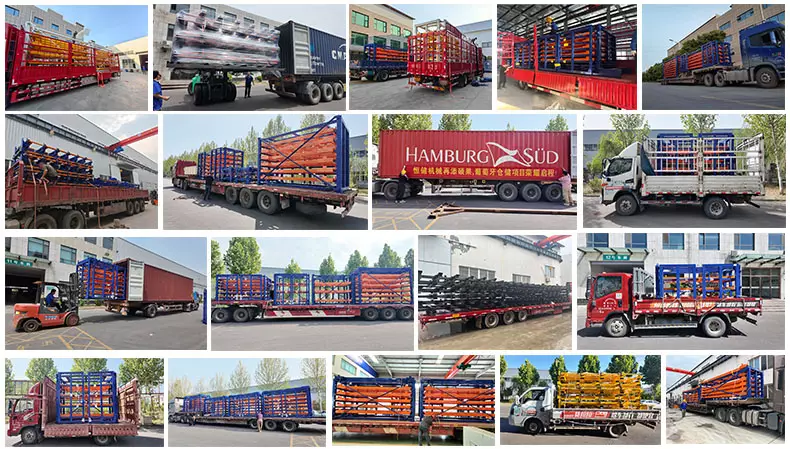
Q7: Do you provide on-site installation and debugging? Yes. Our technicians can travel to your facility for installation and debugging, ensuring successful operation. We have served clients globally, including in the USA, South Korea, Russia, Qatar, Mexico, South Africa, Egypt, and Lebanon.
Q8: How do you ensure product quality? Our quality assurance includes:
A team of over 40 technical engineers for professional debugging and support.
A dedicated quality control department compliant with ISO9001 standards.
CE certification for all exports.
Rigorous load testing before shipment to ensure structural safety and reliability.
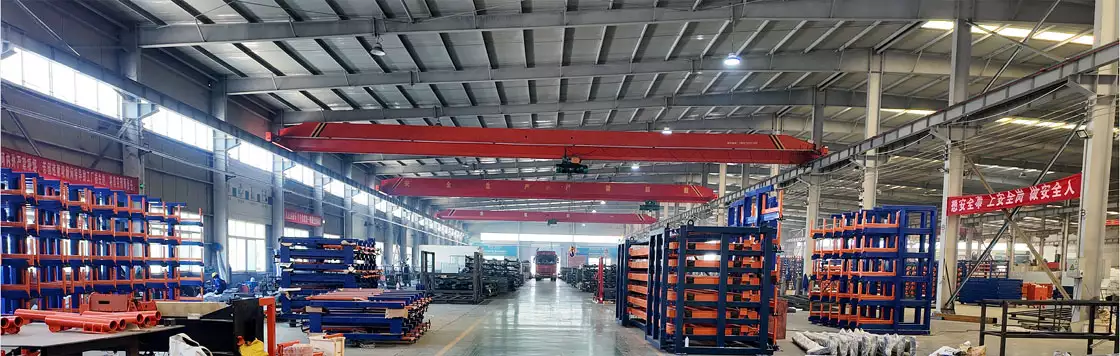
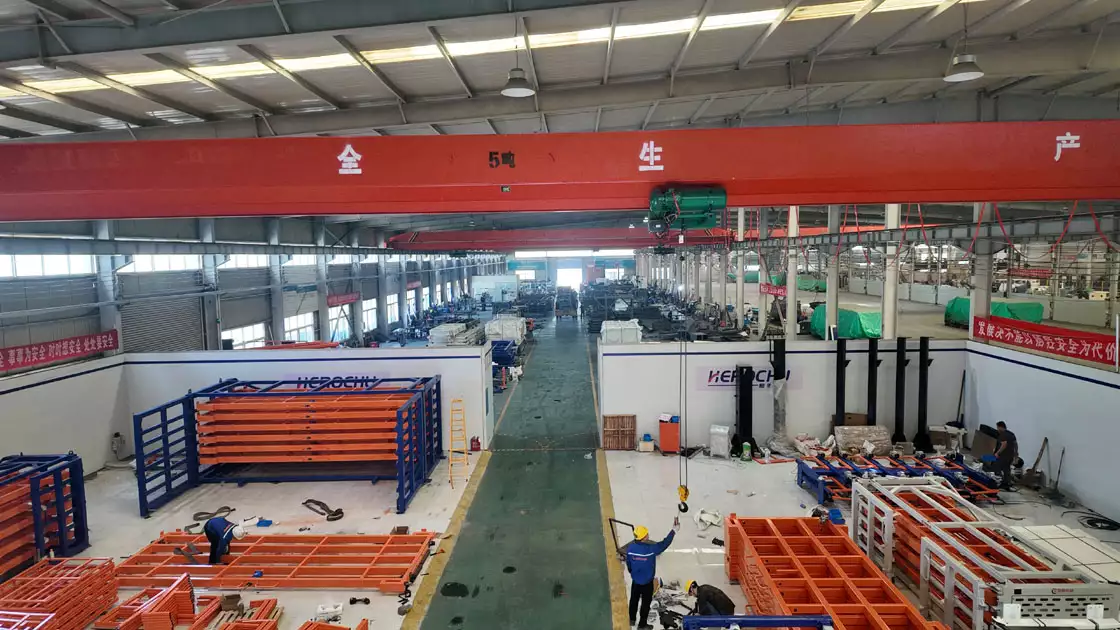
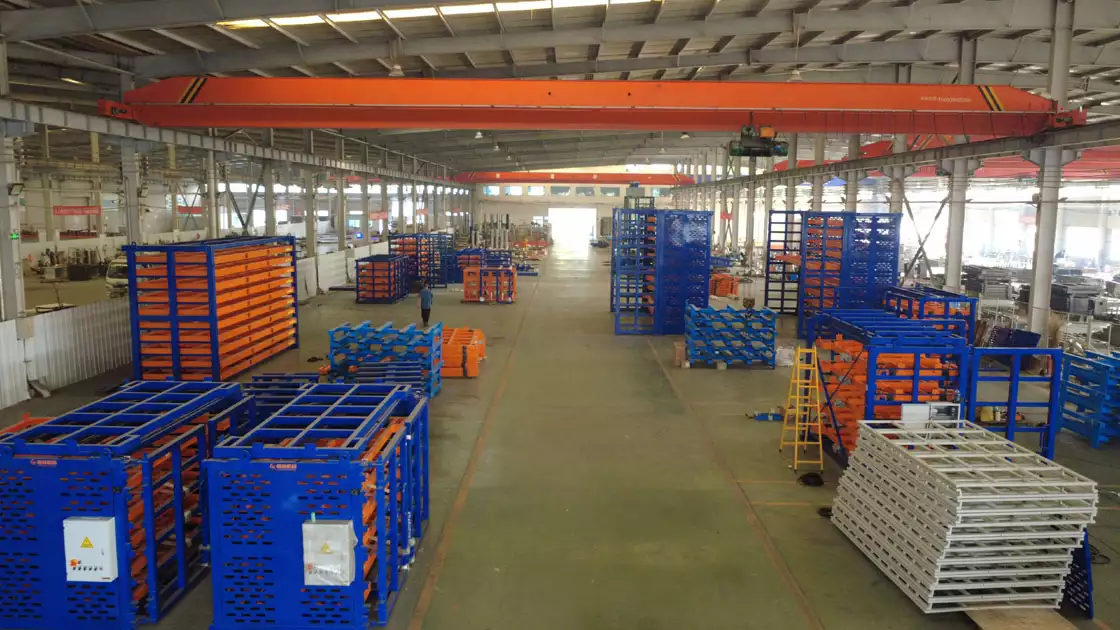
Q9: Where is your factory located? Our modern 10,000-square-meter manufacturing facility is located in Jiyang Industrial Park, Jinan, Shandong, China.
Q10: How can I evaluate your company’s capabilities? We offer virtual video factory tours and warmly welcome on-site visits.
Q11: What does your company specialize in? Jinan Constant Storage Machinery Manufacturing Co., Ltd. is a high-tech enterprise specializing in the R&D, production, sales, installation, and service of intelligent storage solutions. Our product range includes sheet material warehouses, drawer-style shelves, cantilever racks, servo manipulators, gantry loaders, and fully automated handling systems. Supported by a skilled technical team and advanced equipment, we are committed to delivering high-performance storage products and solutions to customers worldwide.
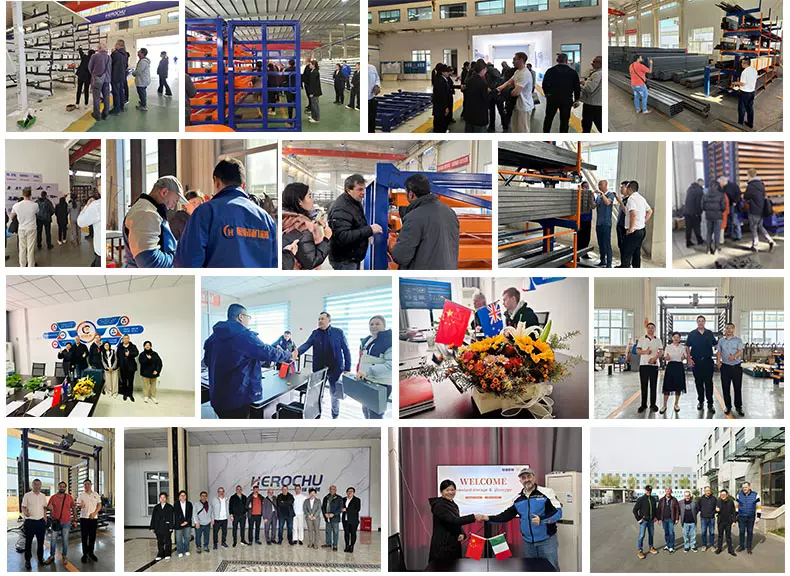
Customer visit
Herochu has always been adhering to the market-centric approach to meet customer requirements to the maximum extent, and the business philosophy of “creating brands with heart and gaining reputation with sincerity”. It provides customers with high-quality products and services with rigorous military quality, professionalism, and excellence, and has won unanimous praise in the Chinese aerospace, Chinese weapons, Chinese railways, automobile manufacturing, engineering machinery, non-ferrous metal titanium alloy and other industries.