Sheet Metal & Pipe Storage Racks Manufacturer

Installing Roll out Cantilever Pipe Racks: Tips for Efficiency and Long-Term Durability

Roll out cantilever pipe racks are a game-changer for industrial storage, combining the flexibility of cantilever design with the convenience of roll-out functionality to simplify the handling of long, bulky materials. Whether you’re storing steel pipes, PVC tubing, or concrete rods, these racks eliminate the need for cumbersome manual lifting and reduce the risk of damage to both materials and equipment. However, the full benefits of roll out cantilever pipe racks can only be realized through proper installation. Installing roll out cantilever pipe racks requires attention to detail, precision alignment, and adherence to best practices to ensure efficiency, safety, and long-term durability. This article provides a detailed overview of the installation process, along with expert tips to overcome common challenges and optimize the performance of your storage system.

Installing Roll out Cantilever Pipe Racks: Tips for Efficiency and Long-Term Durability

Roll out cantilever pipe racks are a game-changer for industrial storage, combining the flexibility of cantilever design with the convenience of roll-out functionality to simplify the handling of long, bulky materials. Whether you’re storing steel pipes, PVC tubing, or concrete rods, these racks eliminate the need for cumbersome manual lifting and reduce the risk of damage to both materials and equipment. However, the full benefits of roll out cantilever pipe racks can only be realized through proper installation. Installing roll out cantilever pipe racks requires attention to detail, precision alignment, and adherence to best practices to ensure efficiency, safety, and long-term durability. This article provides a detailed overview of the installation process, along with expert tips to overcome common challenges and optimize the performance of your storage system.
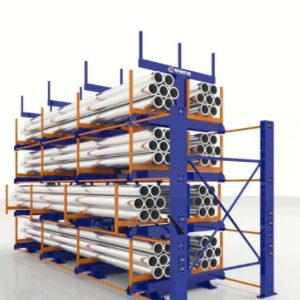
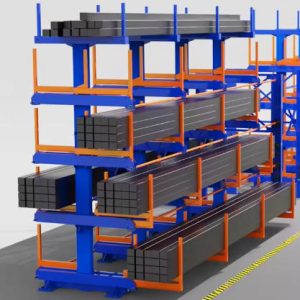
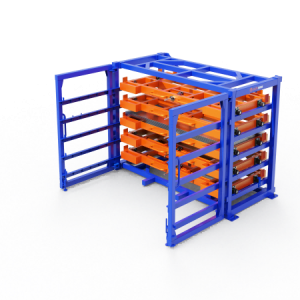
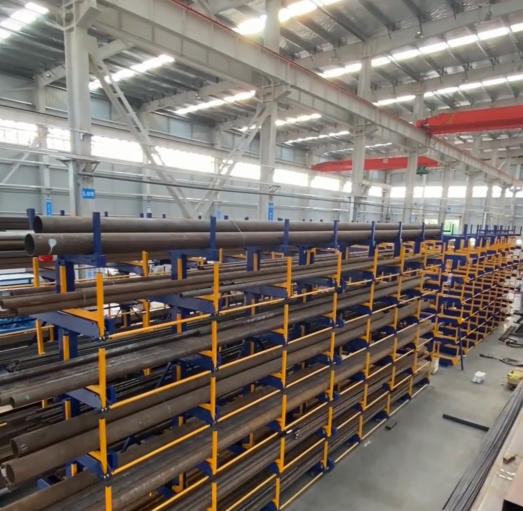
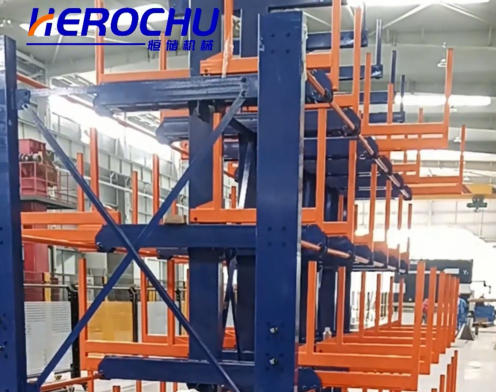
Before diving into installation, it’s essential to understand the unique design features of roll out cantilever pipe racks and how they impact the assembly process. Unlike standard cantilever racks, which are fixed in place, roll out models feature sliding cantilever arms that extend outward for easy access and retract when not in use. This design relies on a robust framework of upright columns, cross braces, and chain-driven mechanisms—all of which must be assembled correctly to ensure smooth operation. Additionally, these racks are built for heavy-duty use, with a single-layer load capacity of 3-8 tons, so the installation must prioritize structural integrity to support these weights safely.
The first step in installing roll out cantilever pipe racks is site preparation, which lays the groundwork for a successful installation. Start by assessing the installation area to ensure it meets the rack’s requirements. The floor should be flat and level, with no cracks or uneven surfaces that could cause the rack to shift. If the floor is uneven, use shims to level the rack during installation. Next, measure the available space to confirm that the rack’s dimensions (customizable based on layer count and span) fit comfortably, with enough clearance for forklifts or cranes to load and unload materials. It’s also important to check for overhead obstacles such as pipes or lighting fixtures that could interfere with the rack’s installation or operation.
Once the site is prepared, gather all components and tools. The key components include upright columns (typically made of heavy-duty carbon steel for strength), square tubes for top bracing, angle iron cross braces and diagonal braces for stability, welded round tubes (cantilever arms), chain boxes with chains, screws, nuts, and anchor bolts. For tools, you’ll need a combination of hand tools and power tools: a laser level for precise alignment, a torque wrench for consistent fastener tension, a drill with masonry bits (for concrete floors), a wrench set, a screwdriver, and a hammer. It’s also a good idea to have a helper on hand, as some components (such as upright columns) can be heavy and require assistance to position safely.
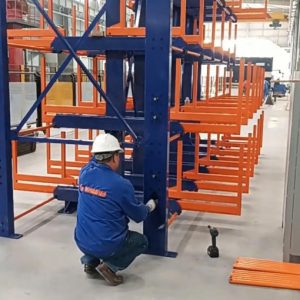
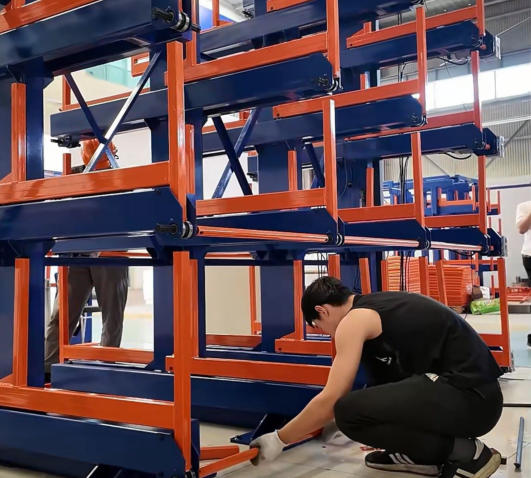
Begin the installation by assembling the upright column framework. Start by connecting the square tubes to the top of the upright columns—this step helps stabilize the columns during erection and ensures they remain aligned. Take the first pair of upright columns and position them at the front of the installation site, ensuring they are spaced according to the rack’s span specifications. Use a spirit level to check that the columns are vertical, then attach the angle iron cross braces to the lower section of the columns. Tighten the screws slightly, but leave room for adjustments. Next, erect the second pair of upright columns at the back of the site, parallel to the first pair, and connect them to the front columns with angle iron cross braces. Install diagonal braces between the front and back columns to reinforce the framework against lateral movement—this is critical for preventing the rack from swaying when loaded.
Continue erecting additional pairs of upright columns (as needed for the rack’s length) and connecting them with cross braces and diagonal braces. After each pair is installed, check the alignment of the entire framework to ensure it is square and plumb. A simple way to check if the framework is square is to measure the diagonals—if both diagonals are equal, the framework is square. If not, adjust the position of the columns until the diagonals match. This step is crucial, as a misaligned framework can cause the roll-out mechanisms to bind and reduce the rack’s load-bearing capacity.
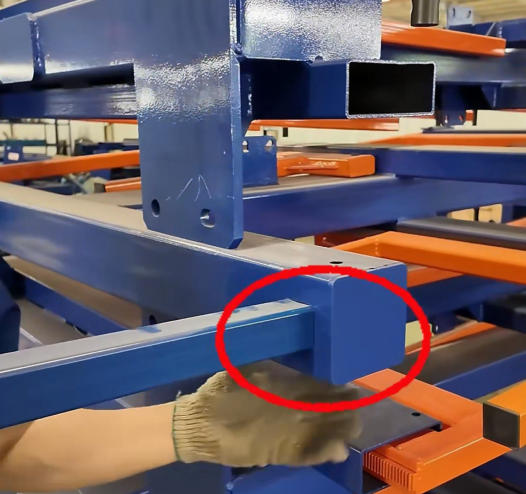
With the upright framework complete, move on to installing the welded round tubes (cantilever arms). These arms are designed to slide in and out of the framework, so proper installation is key to ensuring smooth movement. Insert the round tubes into the designated slots on the upright columns, adjusting the spacing between them to fit the size of the pipes you’ll be storing. For example, smaller pipes may require closer spacing, while larger pipes can be spaced further apart. Once the spacing is set, attach the round tubes using screws and nuts, but do not fully tighten them. This allows for adjustments during the alignment phase.
Next, install the chain boxes, which are responsible for the roll-out functionality. The chain boxes are mounted on the upright columns and connected to the cantilever arms via chains. Start by positioning the chain boxes on the side of the upright columns (either single-side or double-side, depending on your needs) and securing them with round tubes. Ensure the chain boxes are level and aligned with the cantilever arms—misalignment here will cause the chains to bind or wear prematurely. Connect the chains from the chain boxes to the cantilever arms, then attach the angle irons between the chains to maintain tension. Test the movement of the cantilever arms by extending and retracting them manually—they should move smoothly with minimal effort. If there is any resistance, check the alignment of the chain boxes and adjust as needed.
Once all components are in place, it’s time to align the rack and tighten all fasteners. Use a laser level to check the horizontal alignment of the cantilever arms—all arms should be level to ensure even weight distribution. For vertical alignment, use a spirit level to confirm that each upright column is plumb. Make adjustments by loosening the screws on the cross braces and cantilever arms, repositioning the components, and retightening the screws. Once the rack is properly aligned, use a torque wrench to tighten all screws and nuts to the manufacturer’s recommended torque settings. This ensures that all components are securely fastened and prevents loosening over time due to vibration from loading and unloading.
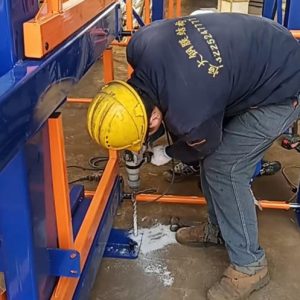
The next step is to secure the rack to the floor using anchor bolts. This is a critical safety step, as it prevents the rack from tipping or shifting when heavy loads are added or removed. Mark the positions of the anchor bolt holes on the floor using the base of the upright columns as a guide. Drill the holes to the appropriate depth (based on the anchor bolt size), insert the anchor bolts, and tighten them using a wrench. Ensure the anchor bolts are fully seated and secure before proceeding.
After the rack is secured to the floor, conduct a comprehensive inspection and testing. Check all components for loose fasteners, misalignments, or damage. Test the roll-out functionality of each cantilever arm, ensuring they extend and retract smoothly. Next, perform a load test by gradually adding weight to each layer, up to the maximum single-layer capacity of 3-8 tons. Monitor the rack for any signs of bending, cracking, or shifting during the test. If any issues are found, stop the test immediately and make the necessary repairs or adjustments.
To maximize the durability and efficiency of your roll out cantilever pipe rack, consider the following additional tips: Regularly inspect the rack for signs of wear, such as loose fasteners or worn chains, and perform maintenance as needed. Keep the rack clean and free of debris, which can interfere with the roll-out mechanism. Avoid overloading the rack—stick to the recommended load capacity for each layer. And, if you need to reconfigure the rack (e.g., adjust the number of layers or the spacing of the cantilever arms), follow the manufacturer’s guidelines to ensure structural integrity.
Installing roll out cantilever pipe racks is a detailed process that requires precision and attention to safety, but the benefits are well worth the effort. These racks improve space utilization by eliminating the need for forklift turning paths, streamline inventory management by allowing easy access to materials, and reduce the risk of workplace injuries. By following the steps outlined in this article and adhering to best practices, you can ensure that your roll out cantilever pipe rack is installed correctly, operates efficiently, and provides reliable storage for years to come.

FAQ

Here are some frequently asked questions about our sheet metal racks and pipe storage solutions. We hope you find them helpful!

Q1: Can I request a custom size or color?
Absolutely. We offer complimentary design services and deliver efficient, tailored solutions to meet your specific requirements.

Q2: Are you a manufacturer or a distributor?
We are a direct manufacturer with over 15 years of industry experience and expertise.

Q3: Is there a minimum order quantity?
No. We welcome orders of any size, starting from a single unit.

Q4: How can I get detailed product information?
Click the “Get a Quote” button to receive product images, detailed specifications, and videos. Our team is always ready to assist.

Q5: How do I provide my storage rack requirements?
Simply share the type, dimensions, and quantity of materials you plan to store, along with any other specific needs. We will develop a professional storage solution for you. Alternatively, leave your contact details for a personalized consultation.

Q6: Do you offer automated loading systems or robotic arms?
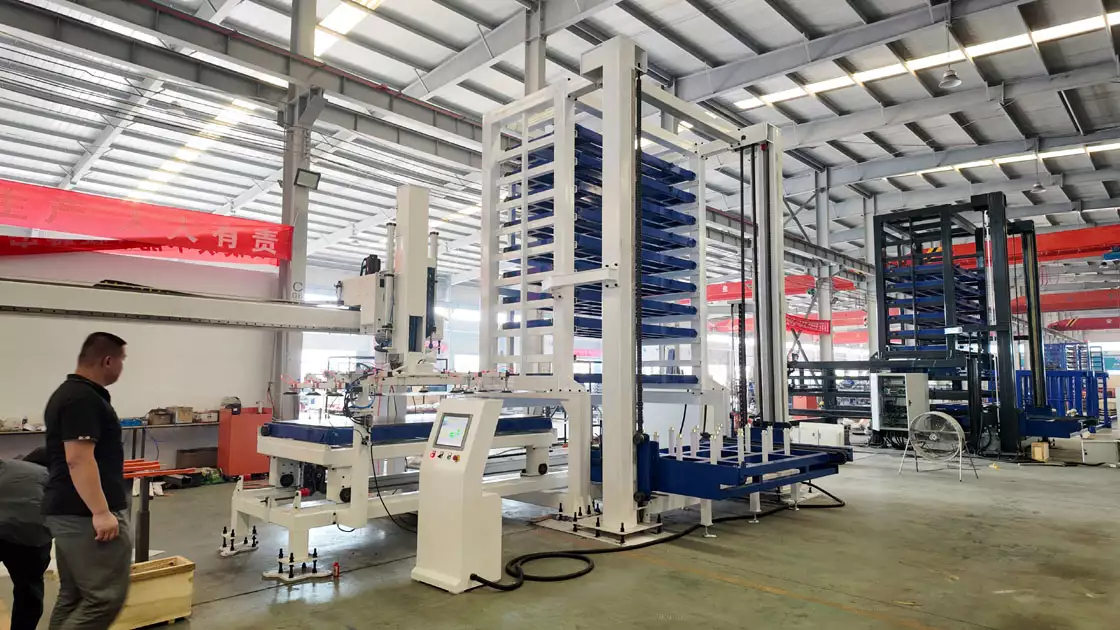
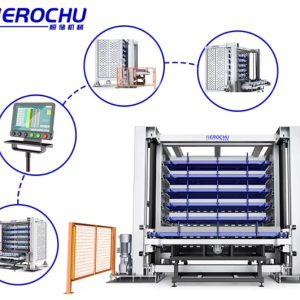
Yes. We provide loading robotic arms and integrated loading/unloading systems tailored to your laser cutting machine’s table size and material handling method (e.g., board rack, exchange platform, or material warehouse). Contact us with your details for a customized proposal.

Q7: Do you provide on-site installation and debugging?
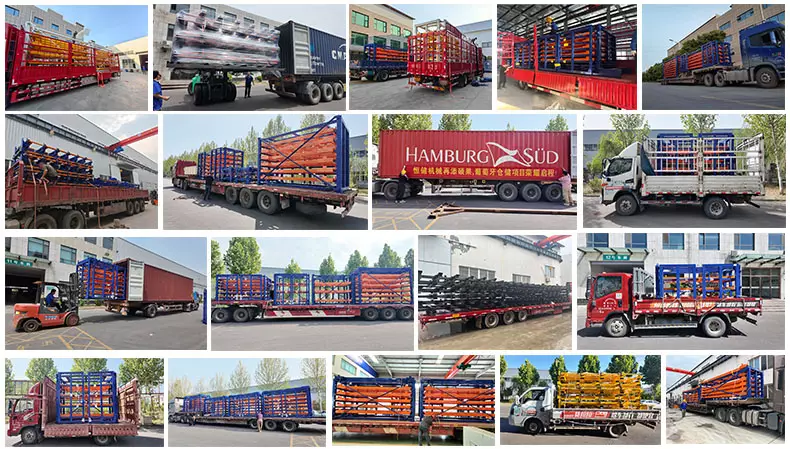
Yes. Our technicians can travel to your facility for installation and debugging, ensuring successful operation. We have served clients globally, including in the USA, South Korea, Russia, Qatar, Mexico, South Africa, Egypt, and Lebanon.

Q8: How do you ensure product quality?
Our quality assurance includes:

  • A team of over 40 technical engineers for professional debugging and support.

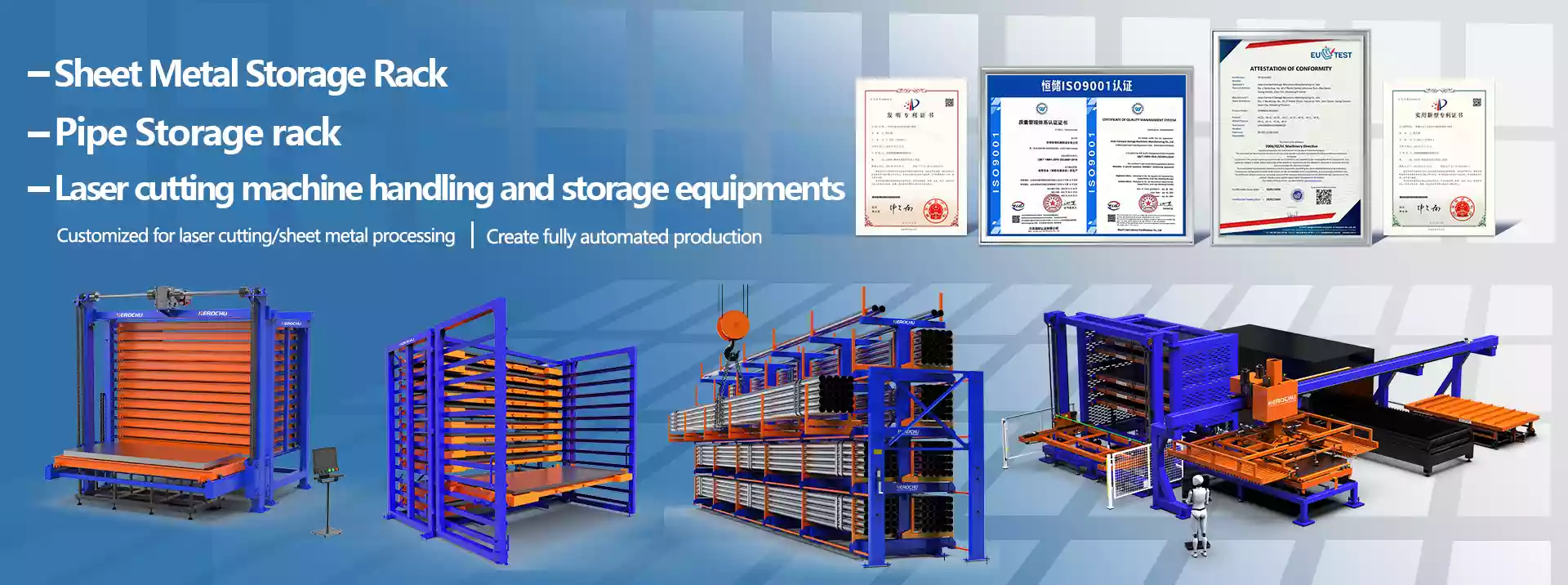
  • A dedicated quality control department compliant with ISO9001 standards.

  • CE certification for all exports.

  • Rigorous load testing before shipment to ensure structural safety and reliability.

Q9: Where is your factory located?
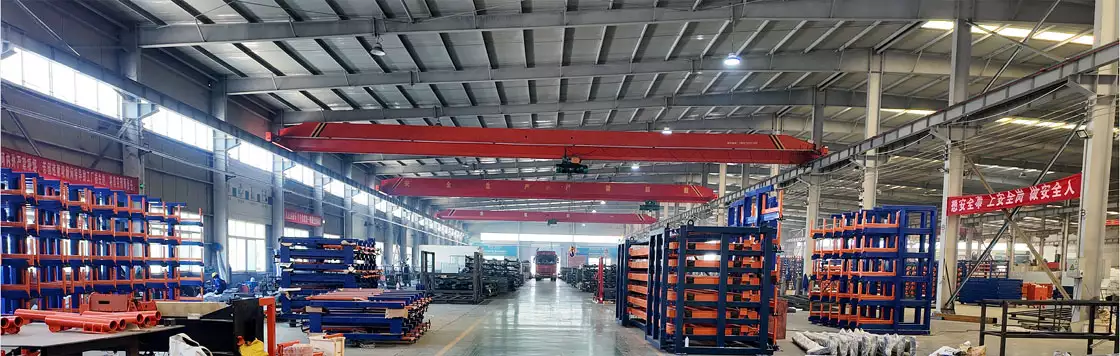
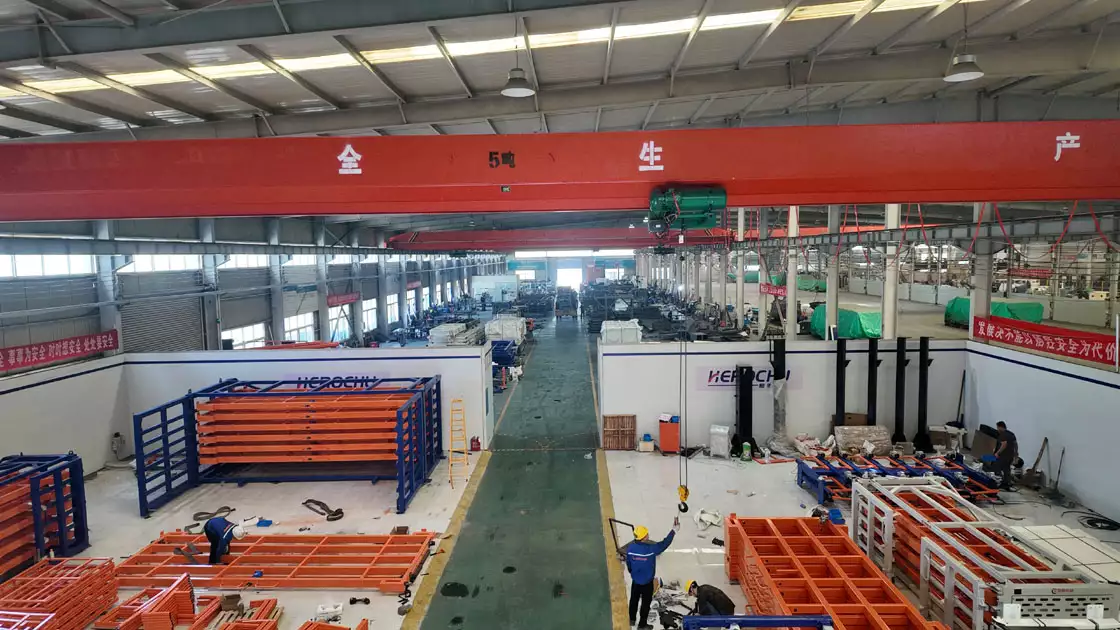
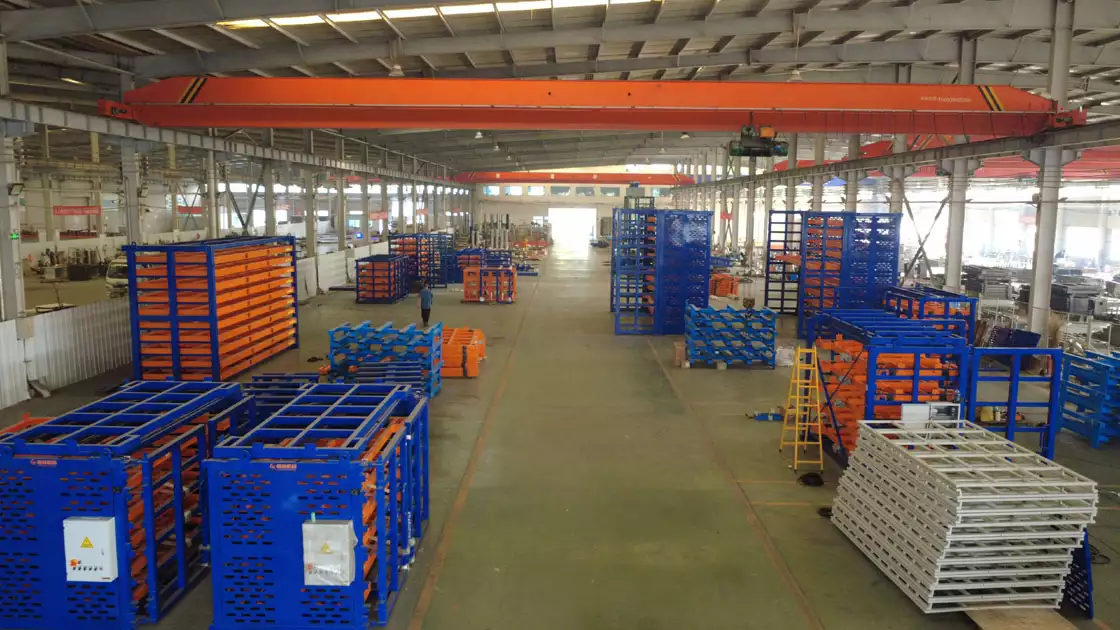
Our modern 10,000-square-meter manufacturing facility is located in Jiyang Industrial Park, Jinan, Shandong, China.

Q10: How can I evaluate your company’s capabilities?
We offer virtual video factory tours and warmly welcome on-site visits.

Q11: What does your company specialize in?
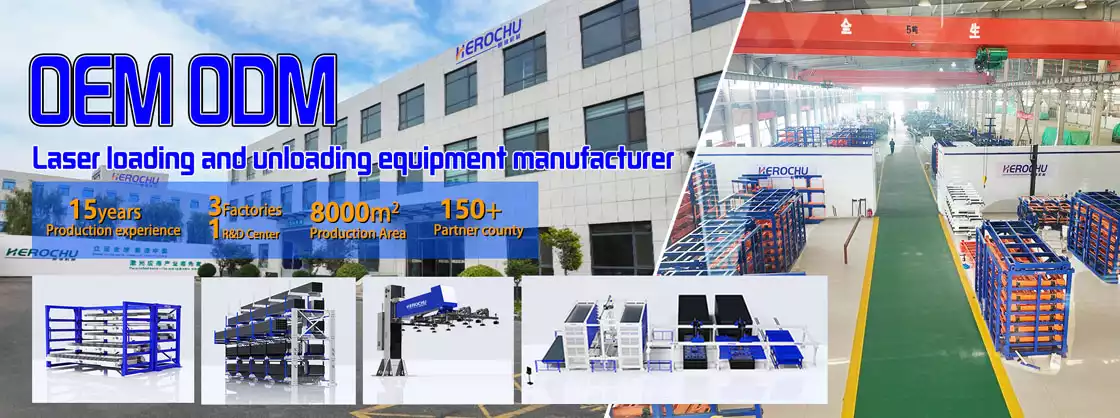
Jinan Constant Storage Machinery Manufacturing Co., Ltd. is a high-tech enterprise specializing in the R&D, production, sales, installation, and service of intelligent storage solutions. Our product range includes sheet material warehouses, drawer-style shelves, cantilever racks, servo manipulators, gantry loaders, and fully automated handling systems. Supported by a skilled technical team and advanced equipment, we are committed to delivering high-performance storage products and solutions to customers worldwide.

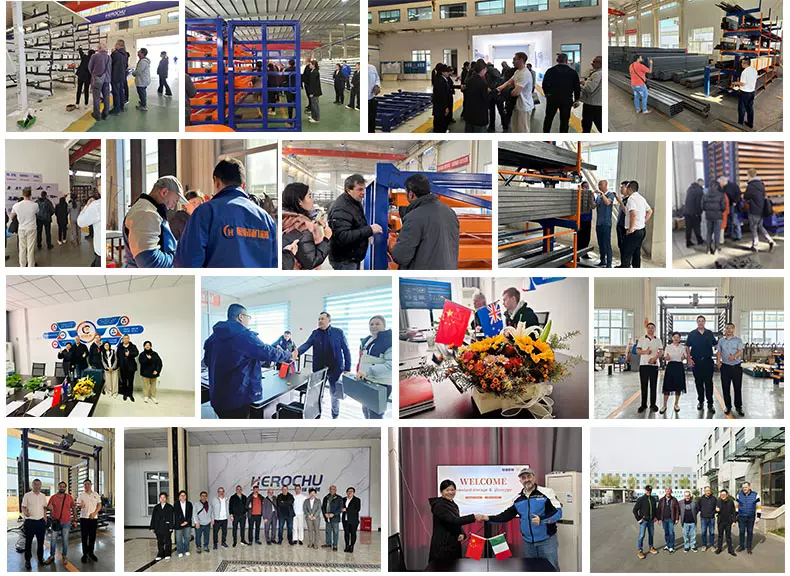
Customer visit

Herochu has always been adhering to the market-centric approach to meet customer requirements to the maximum extent, and the business philosophy of “creating brands with heart and gaining reputation with sincerity”. It provides customers with high-quality products and services with rigorous military quality, professionalism, and excellence, and has won unanimous praise in the Chinese aerospace, Chinese weapons, Chinese railways, automobile manufacturing, engineering machinery, non-ferrous metal titanium alloy and other industries.
customers

Factory

Factory
Factory
Factory
Factory
Factory
customers2
honor

Product Categories

Roll Out Sheet Metal Rack
Pipe Cantilever Storage Rack
Sheet Metal Handling Equipment
Automated Sheet Metal Storage Systems
Automatic loading and unloading system for laser cutting machines
Scroll to Top

✶ ✶ ✶ Get a quote and more information now!!!