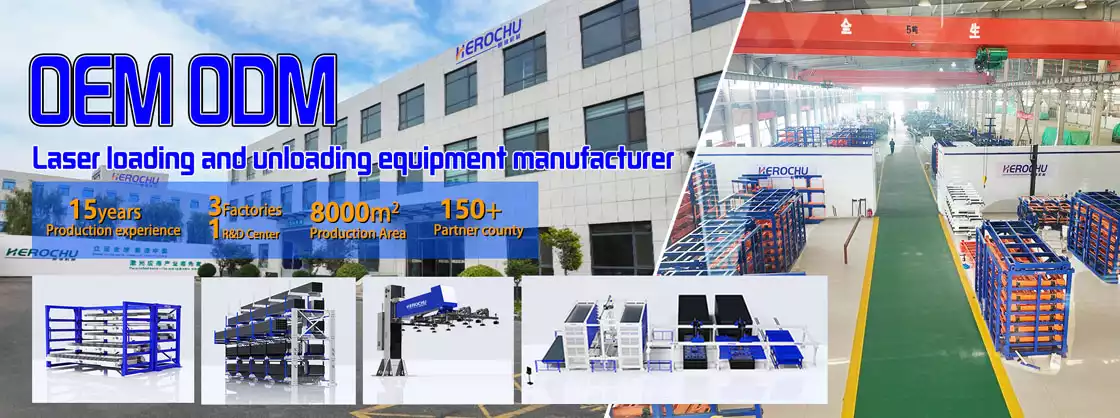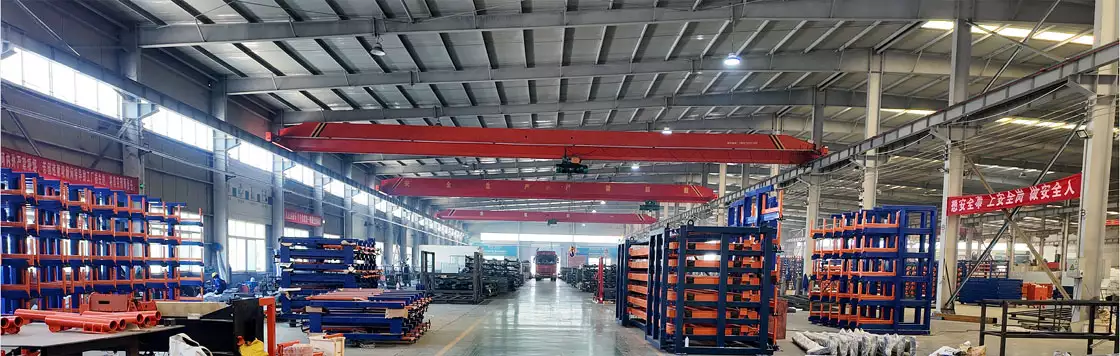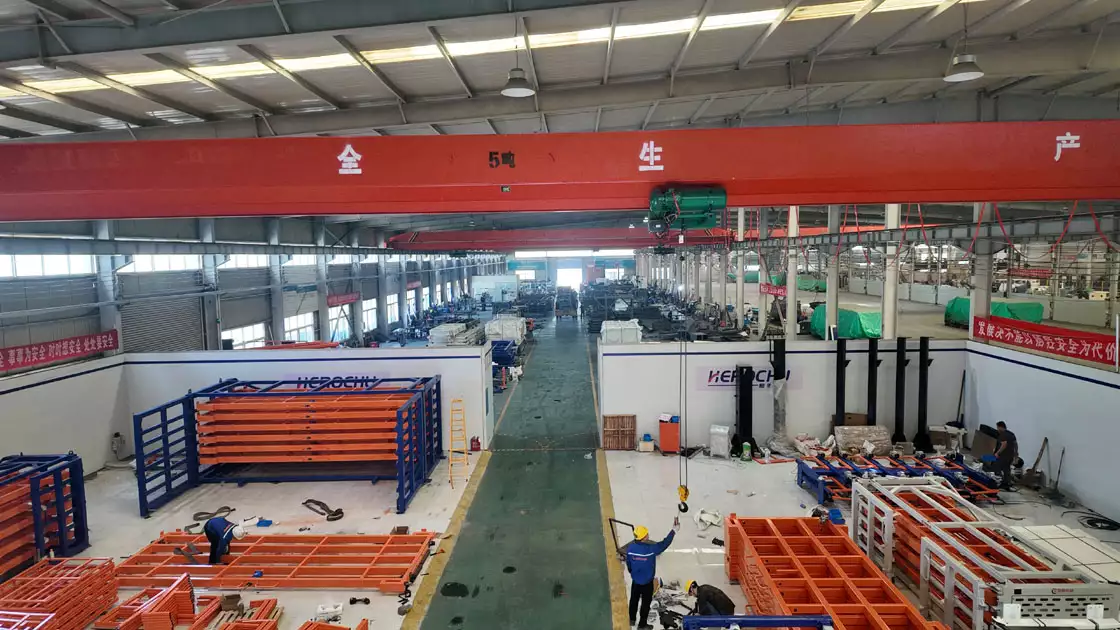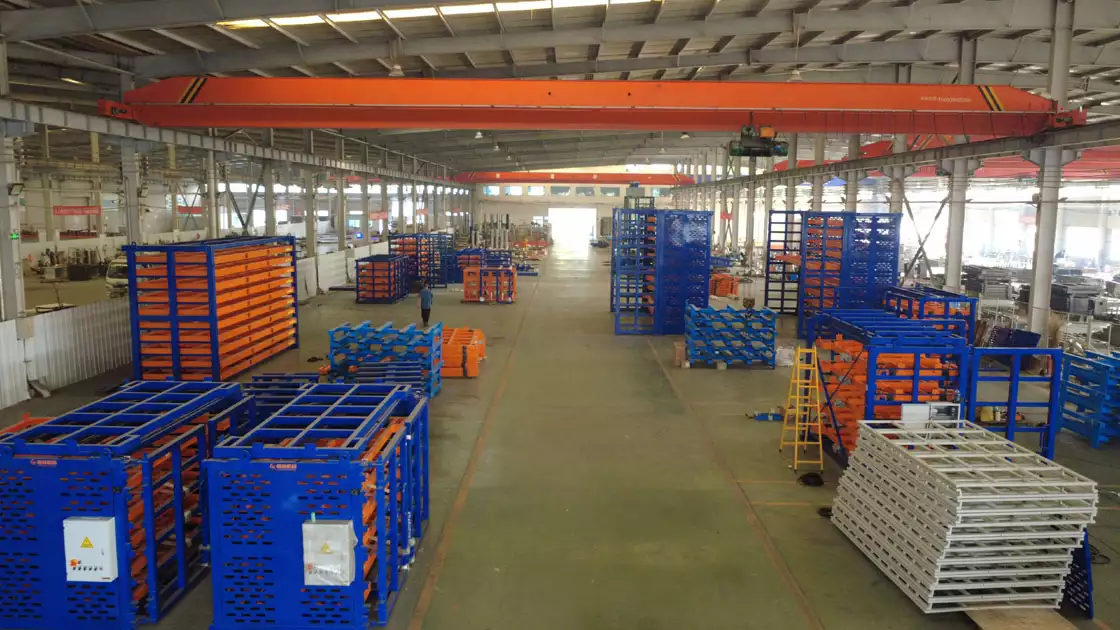
Sheet Metal & Pipe Storage Racks Manufacturer

Installation Procedure for Roll out Pipe Storage Racks: A Step-by-Step Guide for Optimal Performance

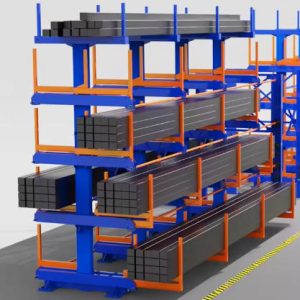
Roll out pipe storage racks have become indispensable in warehouses, manufacturing plants, and industrial facilities that handle long, heavy materials like pipes, rods, and tubing. Unlike traditional storage solutions, these racks offer enhanced accessibility, space efficiency, and load-bearing capacity—all of which depend heavily on proper installation. A flawed installation can compromise structural integrity, reduce operational efficiency, and even pose safety hazards for workers and equipment. This comprehensive guide breaks down the installation procedure for roll out pipe storage racks in detail, ensuring that every step is executed correctly to maximize the rack’s lifespan and functionality. Whether you’re a warehouse manager overseeing a new setup or a technician tasked with assembly, following this structured process will help you achieve a reliable, safe storage system.

Installation Procedure for Roll out Pipe Storage Racks: A Step-by-Step Guide for Optimal Performance

Roll out pipe storage racks have become indispensable in warehouses, manufacturing plants, and industrial facilities that handle long, heavy materials like pipes, rods, and tubing. Unlike traditional storage solutions, these racks offer enhanced accessibility, space efficiency, and load-bearing capacity—all of which depend heavily on proper installation. A flawed installation can compromise structural integrity, reduce operational efficiency, and even pose safety hazards for workers and equipment. This comprehensive guide breaks down the installation procedure for roll out pipe storage racks in detail, ensuring that every step is executed correctly to maximize the rack’s lifespan and functionality. Whether you’re a warehouse manager overseeing a new setup or a technician tasked with assembly, following this structured process will help you achieve a reliable, safe storage system.
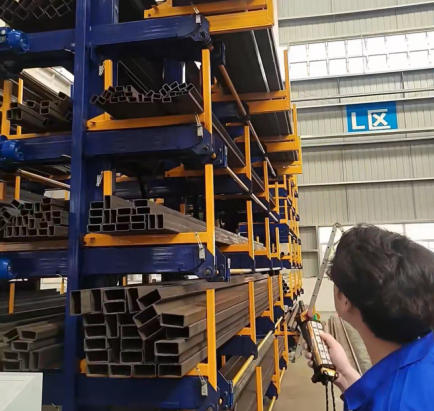
Before beginning the installation, it’s critical to prepare the work area and gather all necessary tools and components. Start by inspecting the installation site to ensure it is level, clean, and free of obstacles that could interfere with the assembly process. The floor should be able to support the weight of the fully loaded rack—considering the rack’s own weight plus the maximum load capacity (3-8 tons per single layer, as specified for this model). Next, verify that all components are present and undamaged: upright columns, square tubes, angle iron cross braces, diagonal braces, welded round tubes, chain boxes, screws, nuts, and anchor bolts. Gather essential tools such as a level (both spirit and laser levels are recommended for precision), a wrench set (including adjustable wrenches for tight spaces), a screwdriver, a hammer, and a drill for securing anchor bolts. Having all tools and parts on hand will minimize delays and ensure a smooth installation.
The first phase of installation focuses on assembling the upright column framework, which serves as the backbone of the roll out pipe storage rack. Begin by connecting the square tubes at the top of the upright columns before erecting them—this step helps maintain alignment and stability during the subsequent assembly. Take the first set of upright columns and position them at the designated location, ensuring they are spaced according to the rack’s specifications (customizable based on the length of the pipes to be stored). Once in place, attach the angle iron cross braces to the lower and middle sections of the upright columns using screws and nuts. Do not fully tighten the fasteners at this stage; leaving them slightly loose allows for adjustments later when aligning the entire framework.
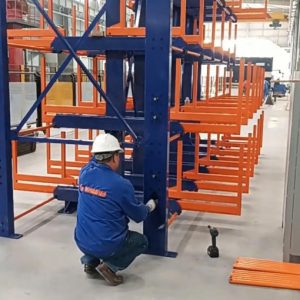
After securing the first set of upright columns, move on to erecting the second set. Position the second set parallel to the first, maintaining the correct spacing, and connect the angle iron cross braces between the two sets to form a stable span. Additionally, install diagonal braces between the upright columns to reinforce the structure against lateral movement—this is especially important for heavy-duty applications where the rack will support significant weight. Once the second set is connected, attach the angle iron cross braces at the back of the framework to add further stability. Repeat this process for the third set of upright columns, connecting them to the existing framework with angle irons, and continue in sequence until all upright columns are erected. Throughout this phase, periodically check the alignment of the columns to ensure they are vertical (plumb) and the framework is square—small adjustments now will prevent larger issues later.
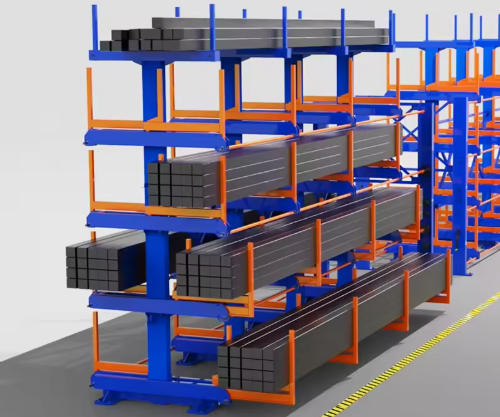
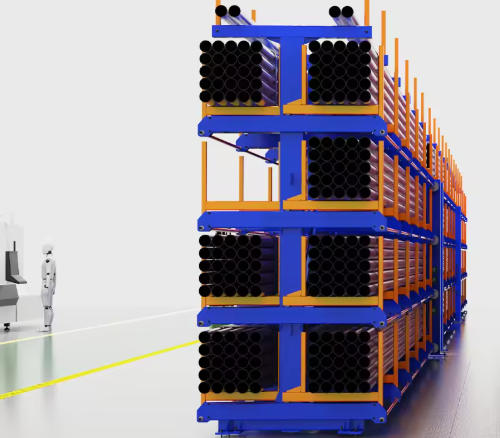
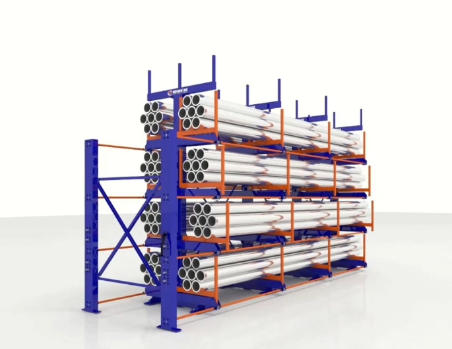
With the upright framework fully assembled, the next step is to install the welded round tubes, which serve as the cantilever arms that hold the pipes. These round tubes are designed to be adjustable, allowing for customization based on the size and quantity of pipes stored. Begin by inserting the welded round tubes into the designated slots on the upright columns, adjusting the spacing between them to fit the specifications of the materials you plan to store. Once the spacing is set, attach the round tubes using screws and nuts, but again, do not tighten them permanently. This flexibility is crucial for the next steps, where you will align the entire rack horizontally and vertically.
After all round tubes are in place, it’s time to install the chain boxes, which enable the roll-out functionality of the rack. The chain boxes are responsible for facilitating the smooth extension and retraction of the cantilever arms, making it easy to access pipes without moving the entire rack. Start by connecting the chain boxes to the upright columns as a single unit using the provided round tubes—this ensures that the chain boxes are securely attached and aligned with the cantilever arms. Next, connect the two chains within each chain box and fasten the angle irons between them to maintain tension and stability. Test the movement of the chains slightly to ensure they glide smoothly without binding; any resistance may indicate misalignment, which should be corrected immediately.
Once all components are assembled, the critical step of aligning the rack horizontally and vertically begins. This step is essential for ensuring the rack’s structural integrity and optimal performance. Use a laser level to check the horizontal alignment of the round tubes and the top square tubes—all surfaces should be level to prevent uneven weight distribution, which could lead to bending or damage over time. For vertical alignment, use a spirit level to verify that each upright column is plumb (perfectly vertical) both front-to-back and side-to-side. Make adjustments by loosening or tightening the screws and nuts on the angle iron braces and round tubes until the entire rack is properly aligned. Take your time with this step; even minor misalignments can affect the rack’s load-bearing capacity and safety.
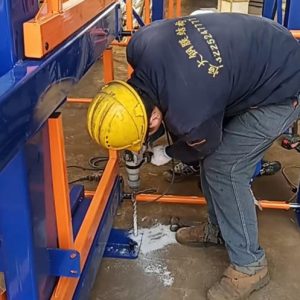
After the rack is fully aligned, proceed to fasten all screws and nuts securely. Use a torque wrench to ensure each fastener is tightened to the manufacturer’s specifications—over-tightening can strip threads, while under-tightening can lead to loose components. Once all screws are secured, move on to fixing the anchor bolts to attach the rack firmly to the floor. Drill holes in the designated locations (marked during the initial site preparation), insert the anchor bolts, and tighten them using a wrench. This step prevents the rack from shifting or tipping during use, especially when loading or unloading heavy pipes with forklifts or cranes.
The final phase of installation is debugging and loading testing, which ensures the rack is safe and functional. Begin by conducting a visual inspection of the entire structure, checking for loose components, misalignments, or damage. Test the roll-out functionality of the cantilever arms by extending and retracting each layer—they should move smoothly without sticking or making unusual noises. Next, perform a loading test by gradually adding weight to each layer, up to the maximum single-layer load capacity of 3-8 tons. Monitor the rack for any signs of bending, shifting, or instability during the test. If any issues are detected, stop the test immediately, identify the problem, and make the necessary adjustments. Once the rack passes the loading test, it is ready for regular use.
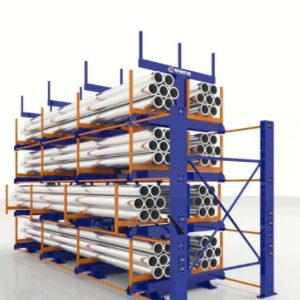
In addition to proper installation, it’s important to consider the rack’s key specifications and benefits to maximize its utility. This model features a carbon steel construction, which offers exceptional durability and strength for heavy-duty applications. It is available in 4-12 customizable layers, allowing you to adapt the rack to your storage needs, and the bottom floor height from the ground is 330 mm, providing ample clearance for forklifts. The rack is offered in white, blue, and other customizable colors, making it easy to integrate with your warehouse’s aesthetic or color-coding system for inventory management. The single-side or double-side assisted movement ensures easy operation, with both hand-cranked (effort-saving) and electric (one-button start) options available. By following this installation procedure and leveraging the rack’s features, you can significantly improve warehouse space utilization—with a storage density 2-3 times higher than traditional racks—and streamline inventory management by categorizing pipes by type and specification.
Proper installation is the foundation of a safe, efficient roll out pipe storage rack. By following this step-by-step guide, you can ensure that your rack is assembled correctly, aligned properly, and ready to handle heavy loads reliably. Remember to prioritize safety throughout the installation process, wear appropriate personal protective equipment (PPE) such as gloves and safety glasses, and follow the manufacturer’s specifications for all components and fasteners. With a well-installed roll out pipe storage rack, you can optimize your warehouse space, reduce operational costs, and create a safer working environment for your team.

FAQ

Here are some frequently asked questions about our sheet metal racks and pipe storage solutions. We hope you find them helpful!

Q1: Can I request a custom size or color?
Absolutely. We offer complimentary design services and deliver efficient, tailored solutions to meet your specific requirements.

Q2: Are you a manufacturer or a distributor?
We are a direct manufacturer with over 15 years of industry experience and expertise.

Q3: Is there a minimum order quantity?
No. We welcome orders of any size, starting from a single unit.

Q4: How can I get detailed product information?
Click the “Get a Quote” button to receive product images, detailed specifications, and videos. Our team is always ready to assist.

Q5: How do I provide my storage rack requirements?
Simply share the type, dimensions, and quantity of materials you plan to store, along with any other specific needs. We will develop a professional storage solution for you. Alternatively, leave your contact details for a personalized consultation.

Q6: Do you offer automated loading systems or robotic arms?
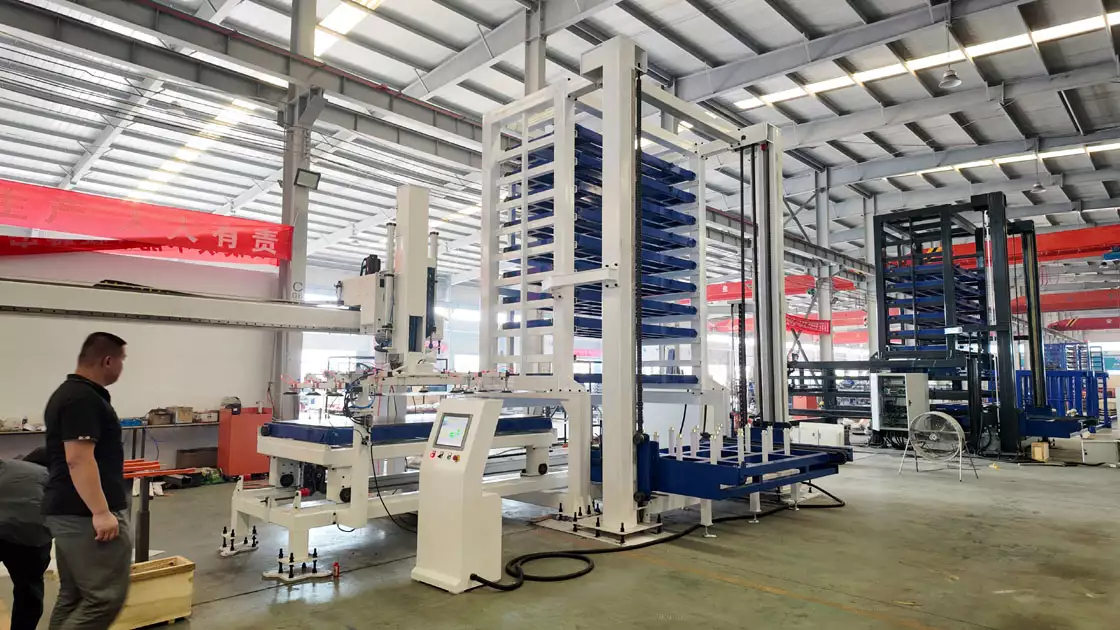
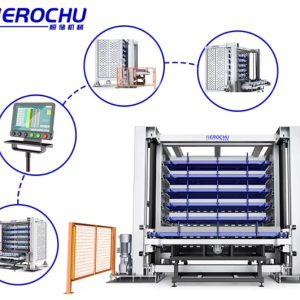
Yes. We provide loading robotic arms and integrated loading/unloading systems tailored to your laser cutting machine’s table size and material handling method (e.g., board rack, exchange platform, or material warehouse). Contact us with your details for a customized proposal.

Q7: Do you provide on-site installation and debugging?
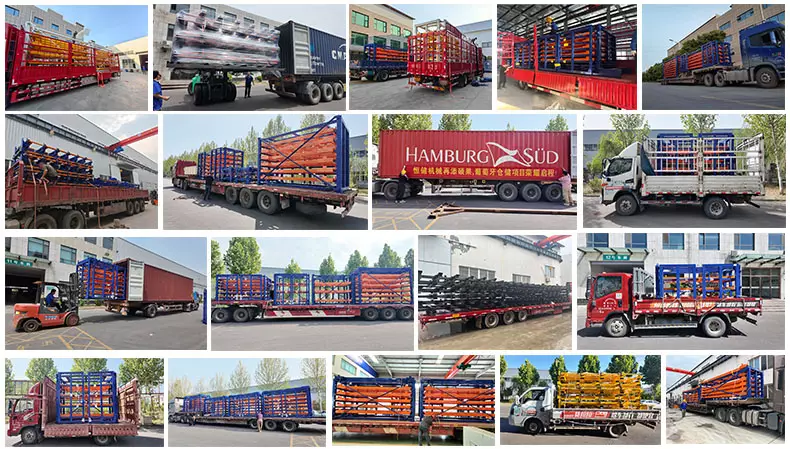
Yes. Our technicians can travel to your facility for installation and debugging, ensuring successful operation. We have served clients globally, including in the USA, South Korea, Russia, Qatar, Mexico, South Africa, Egypt, and Lebanon.

Q8: How do you ensure product quality?
Our quality assurance includes:

  • A team of over 40 technical engineers for professional debugging and support.

  • A dedicated quality control department compliant with ISO9001 standards.

  • CE certification for all exports.

  • Rigorous load testing before shipment to ensure structural safety and reliability.

Q9: Where is your factory located?
Our modern 10,000-square-meter manufacturing facility is located in Jiyang Industrial Park, Jinan, Shandong, China.

Q10: How can I evaluate your company’s capabilities?
We offer virtual video factory tours and warmly welcome on-site visits.

Q11: What does your company specialize in?
Jinan Constant Storage Machinery Manufacturing Co., Ltd. is a high-tech enterprise specializing in the R&D, production, sales, installation, and service of intelligent storage solutions. Our product range includes sheet material warehouses, drawer-style shelves, cantilever racks, servo manipulators, gantry loaders, and fully automated handling systems. Supported by a skilled technical team and advanced equipment, we are committed to delivering high-performance storage products and solutions to customers worldwide.

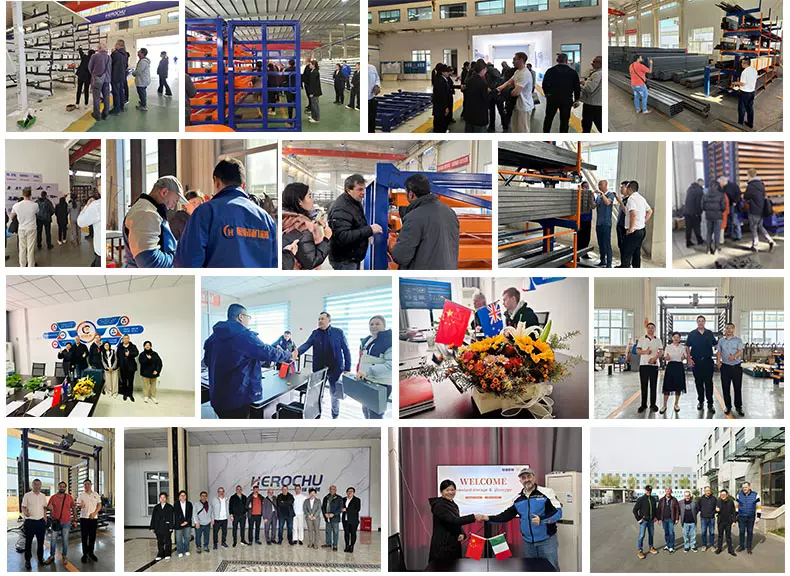
Customer visit

Herochu has always been adhering to the market-centric approach to meet customer requirements to the maximum extent, and the business philosophy of “creating brands with heart and gaining reputation with sincerity”. It provides customers with high-quality products and services with rigorous military quality, professionalism, and excellence, and has won unanimous praise in the Chinese aerospace, Chinese weapons, Chinese railways, automobile manufacturing, engineering machinery, non-ferrous metal titanium alloy and other industries.
customers

Factory

Factory
Factory
Factory
Factory
Factory
customers2
honor

Product Categories

Roll Out Sheet Metal Rack
Pipe Cantilever Storage Rack
Sheet Metal Handling Equipment
Automated Sheet Metal Storage Systems
Automatic loading and unloading system for laser cutting machines
Scroll to Top

✶ ✶ ✶ Get a quote and more information now!!!