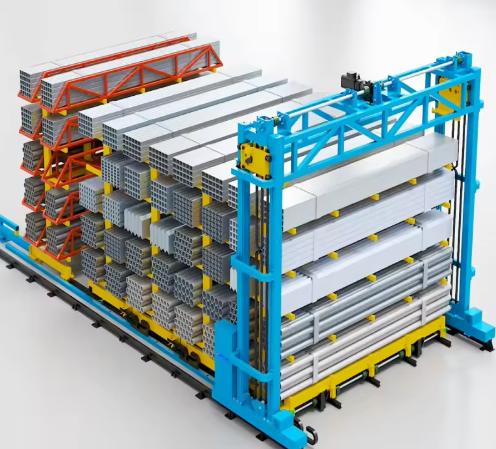
High-Capacity Vertical Storage Towers for Metal Tubes and Long Profiles

Industrial facilities worldwide face an escalating space crisis as manufacturing complexity increases and product varieties multiply. Traditional horizontal storage methods for long materials like metal tubes, steel pipes, and aluminum profiles consume enormous floor areas while leaving valuable vertical space completely unused. A typical warehouse storing 12-meter profiles using conventional ground stacking might utilize less than 30% of its available cubic volume, forcing companies to either expand facilities at tremendous cost or operate with chronic space constraints that limit growth potential.

High-Capacity Vertical Storage Towers for Metal Tubes and Long Profiles

Industrial facilities worldwide face an escalating space crisis as manufacturing complexity increases and product varieties multiply. Traditional horizontal storage methods for long materials like metal tubes, steel pipes, and aluminum profiles consume enormous floor areas while leaving valuable vertical space completely unused. A typical warehouse storing 12-meter profiles using conventional ground stacking might utilize less than 30% of its available cubic volume, forcing companies to either expand facilities at tremendous cost or operate with chronic space constraints that limit growth potential.
This spatial inefficiency creates ripple effects throughout operations. Overcrowded aisles impede forklift movement, increasing retrieval times and accident risks. Materials stacked multiple layers deep require constant reshuffling to access items at the bottom, multiplying handling operations and labor costs. The chaotic organization makes accurate inventory counting nearly impossible, leading to overstocking of some items and production stoppages from unexpected shortages of others. As land prices rise and construction costs soar, the economic penalty of poor space utilization becomes increasingly unsustainable.
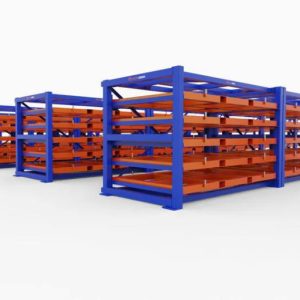
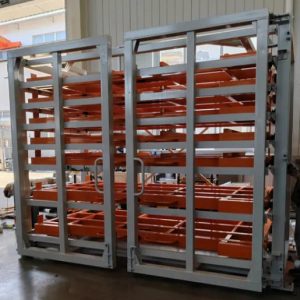
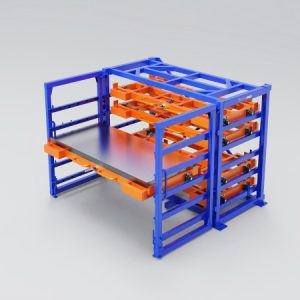
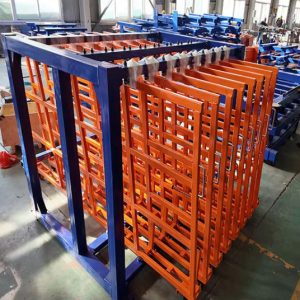
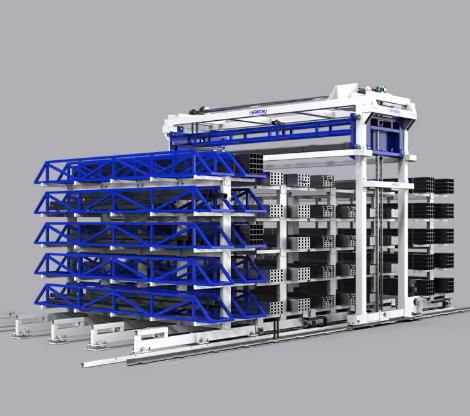
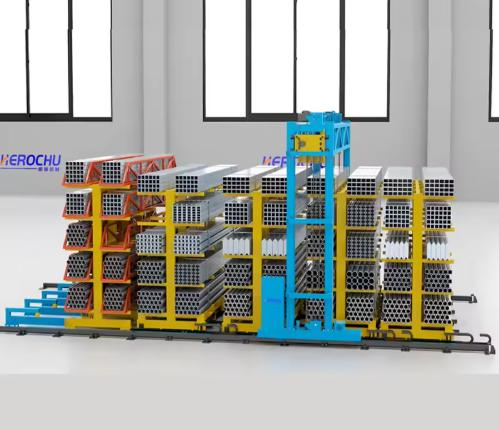
The High Density Vertical Storage Tower emerges as the definitive solution to this spatial challenge. By reimagining how long materials occupy warehouse space, these systems transform storage from a passive necessity into an active competitive advantage. Rather than spreading materials horizontally across precious floor space, vertical towers concentrate storage upward, achieving density levels that seemed impossible with traditional methods while maintaining or improving accessibility and material protection.

Engineering Principles Behind Vertical Density

Achieving high-density vertical storage for long materials requires solving complex engineering challenges that simpler pallet-based AS/RS systems never encounter. The fundamental issue involves supporting materials spanning 6 to 12 meters in length while preventing sagging, bending, or deformation under their own weight. Traditional shelving approaches fail because they create unsupported spans between vertical uprights, allowing gravity to gradually distort even the sturdiest steel profiles.
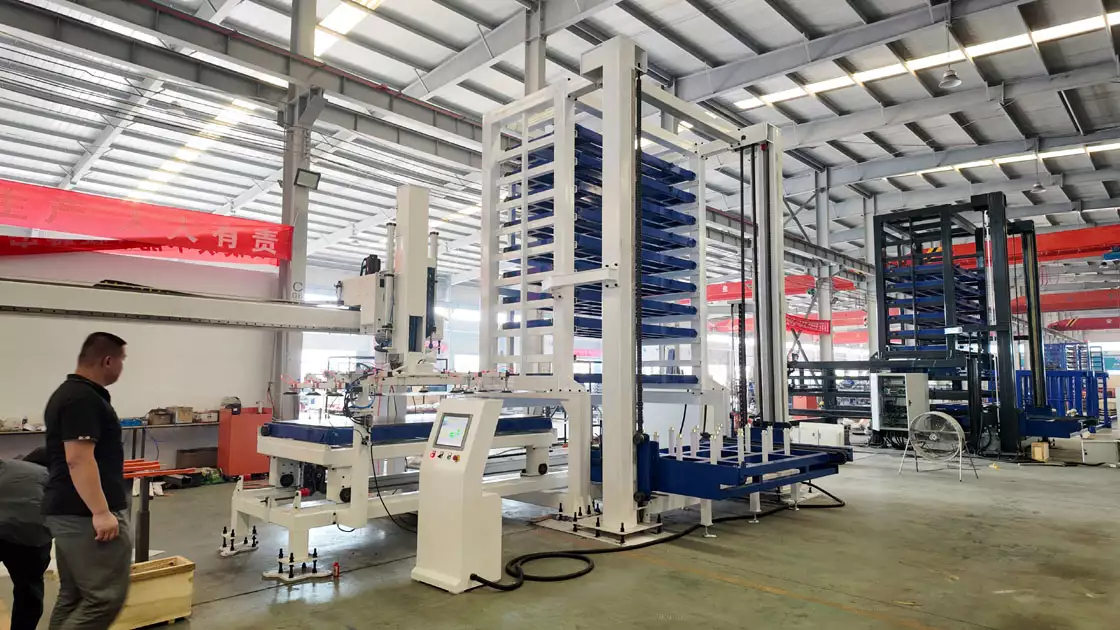
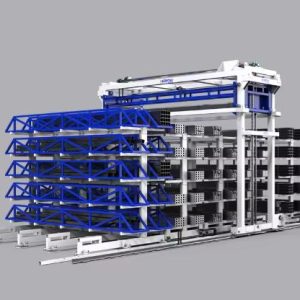
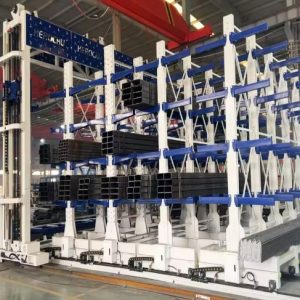
The Vertical Storage Tower addresses this through continuous support architecture. Each storage level incorporates multiple adjustable arms that extend beneath the entire material length, distributing weight evenly and eliminating stress concentration points. These arms automatically adjust their positions based on material length specifications, ensuring optimal support whether storing 6-meter aluminum extrusions or 12-meter steel pipes. The tower’s main structure uses reinforced steel columns connected by horizontal bracing that resists both vertical loads and lateral forces generated during gantry movements.
Load distribution analysis drives every design decision. Finite element modeling simulates stress patterns under maximum capacity conditions, identifying potential weak points before construction begins. The resulting structures routinely support 3 to 5 tons per layer across 8 to 13+ levels, creating total tower capacities exceeding 50 tons in relatively compact footprints. This engineering rigor ensures that density improvements never compromise structural integrity or operational safety.

The Gantry Advantage: Precision Movement in Tight Spaces

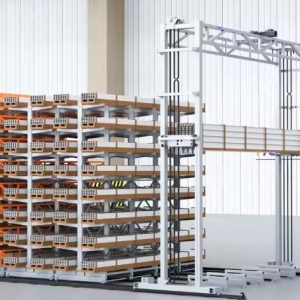
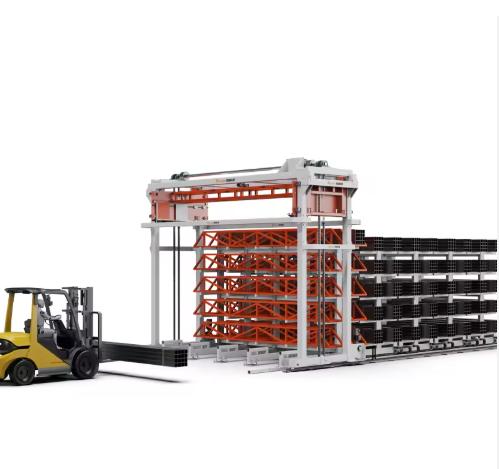
Central to the vertical tower’s high-density capability is the sophisticated gantry loading robot that navigates narrow aisles with extraordinary precision. Unlike traditional forklifts requiring wide turning radii and substantial clearance, these automated gantries operate in aisles barely wider than the stored materials themselves. The space savings prove dramatic – facilities often achieve 2-3 times greater storage density simply by reducing aisle width requirements from 3-4 meters to under 1.5 meters.
The gantry’s movement system combines chain drive transmission with linear guide rails to achieve smooth, controlled travel even in confined spaces. Vertical lifting mechanisms raise and lower carrying platforms at 9 meters per minute, while horizontal traversal reaches 12 meters per minute. These speeds might seem modest compared to some automated systems, but they represent optimal balances between velocity and stability when handling long, potentially unbalanced loads in tight quarters.
Precision positioning technology enables the gantry to align carrying arms with storage slots accurate to within millimeters. Laser guidance systems continuously verify position against digital maps of the tower structure, making micro-adjustments to compensate for any thermal expansion, settling, or mechanical wear. This accuracy proves essential when inserting or extracting materials from densely packed configurations where even slight misalignment could cause collisions or damage to adjacent stored items.

Material Protection Through Intelligent Design

High-density storage creates inherent risks of material damage if not properly engineered. When profiles stack closely together in vertical arrangements, improper handling can cause scratching, denting, or bending that compromises material quality. The Vertical Storage Tower incorporates multiple protective features that eliminate these risks while maintaining density advantages.
Adjustable support cradles line each storage position with soft, non-marking surfaces that grip materials firmly without marring finishes. For painted or anodized profiles requiring extra protection, optional polymer-coated arms provide additional cushioning. The gantry’s gentle acceleration and deceleration profiles prevent materials from shifting during transport, while integrated sensors detect any unexpected movement and immediately halt operations to prevent damage.
Length-specific storage protocols ensure that materials never extend beyond their designated support zones. The system automatically verifies material dimensions against storage location specifications before executing placement operations, rejecting mismatches that could cause overhang and subsequent bending. This intelligent verification prevents the kind of human errors that frequently damage materials in manually operated warehouses.
For particularly sensitive materials, climate-controlled tower variants maintain stable temperature and humidity environments that prevent condensation, oxidation, or other environmental degradation. Sealed tower designs exclude dust and contaminants that could affect surface quality, while positive air pressure systems keep particulate matter from entering storage compartments during access operations.

Scalability and Customization for Diverse Applications

No two industrial facilities store identical material mixes, which is why High Density Vertical Storage Towers emphasize customizable configurations over one-size-fits-all solutions. The modular design allows facilities to specify exact numbers of towers, layers per tower, and load capacities matching their unique requirements. A small job shop might install a single 8-layer tower handling 3-ton loads, while a major distribution center could deploy dozens of 13-layer towers rated for 5 tons each.
Customization extends beyond capacity to material-specific adaptations. Towers storing primarily aluminum profiles might feature lighter-weight construction with faster cycle times, while those handling dense steel beams prioritize maximum load ratings with reinforced structures. Specialized end-effectors attach to gantries for handling unusual profiles like curved sections, tapered tubes, or bundled assemblies that don’t conform to standard rectangular dimensions.
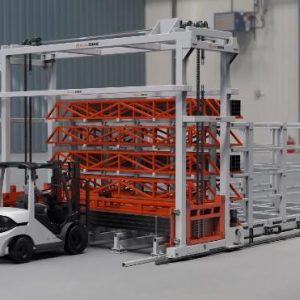
Integration flexibility ensures towers work seamlessly with existing facility infrastructure. Some installations connect directly to production lines through conveyor interfaces, creating continuous material flow from storage to manufacturing. Others integrate with overhead crane systems, allowing the gantry to transfer materials to crane hooks for movement to distant workstations. Still others maintain traditional forklift access points for facilities not ready to fully automate their entire material handling ecosystem.
The scalability model supports phased implementation strategies. Companies can begin with a single tower addressing their most critical storage bottleneck, then add additional units as budgets allow or needs expand. This incremental approach spreads capital expenditure over time while delivering immediate benefits from the initial installation, making advanced automation accessible to organizations regardless of size.

Digital Integration: Transforming Physical Storage into Data Assets

Modern High Density Vertical Storage Towers function as much as data generation systems as physical storage structures. Comprehensive sensor networks monitor every aspect of tower operation, from individual arm positions to overall structural health indicators. This data streams into centralized management software that provides real-time visibility into inventory status, equipment performance, and operational efficiency metrics.
Warehouse Management System integration takes this data utilization further by connecting physical storage activities to broader enterprise systems. When materials enter the tower, barcode scanners or RFID readers automatically capture identification data, updating inventory records instantly. Retrieval operations trigger automatic deductions from stock counts, maintaining perpetual inventory accuracy without manual counting efforts. This synchronization eliminates the notorious discrepancies between physical and system inventory that plague manual operations.
Advanced analytics transform raw operational data into actionable intelligence. Machine learning algorithms analyze retrieval patterns to predict future demand, suggesting proactive repositioning of high-turnover items to minimize access times. Predictive maintenance models monitor component wear indicators, scheduling service interventions before failures cause unplanned downtime. Capacity utilization reports identify underused storage positions, guiding reorganization efforts that continuously optimize space allocation.
The digital thread extends beyond facility walls through cloud-connected platforms that enable remote monitoring and management. Multi-site organizations can compare performance across locations, benchmarking efficiency and identifying best practices worthy of broader deployment. Corporate executives access dashboards showing real-time inventory values, storage costs per unit, and automation ROI metrics that inform strategic decision-making at the highest organizational levels.

Economic Transformation Through Density Optimization

The financial impact of transitioning to High Density Vertical Storage Towers extends far beyond simple space savings. By dramatically increasing storage density, facilities defer or eliminate expensive warehouse expansions that might otherwise become necessary within just a few years of growth. The capital avoided from new construction projects often exceeds the tower system’s purchase price, creating immediate positive cash flow impacts.
Labor productivity improvements generate ongoing operational savings. Automated retrieval eliminates time wasted searching for materials, maneuvering through congested aisles, and manually positioning heavy loads. One operator managing an automated tower can accomplish work previously requiring three or four warehouse workers, allowing staff redeployment to higher-value activities like quality inspection, order consolidation, or customer service functions.
Material quality preservation delivers direct bottom-line benefits through reduced scrap and rework costs. Eliminating storage-induced damage means fewer rejected shipments, lower warranty claims, and improved customer satisfaction scores. For high-value materials like aerospace-grade aluminum or precision-ground steel shafts, preventing even minor surface defects can save thousands of dollars per incident.
Energy efficiency represents another economic advantage often overlooked. Consolidating storage into compact vertical towers reduces lighting, heating, and cooling requirements compared to sprawling horizontal layouts. Smaller conditioned spaces mean lower utility bills and reduced carbon footprints, aligning economic benefits with sustainability objectives increasingly important to modern stakeholders.
When evaluated comprehensively, High Density Vertical Storage Towers transform warehouse operations from cost centers into strategic assets that enable growth, improve competitiveness, and strengthen financial performance across multiple dimensions simultaneously.

FAQ

Here are some frequently asked questions about our sheet metal racks and pipe storage solutions. We hope you find them helpful!

Q1: Can I request a custom size or color?
Absolutely. We offer complimentary design services and deliver efficient, tailored solutions to meet your specific requirements.

Q2: Are you a manufacturer or a distributor?
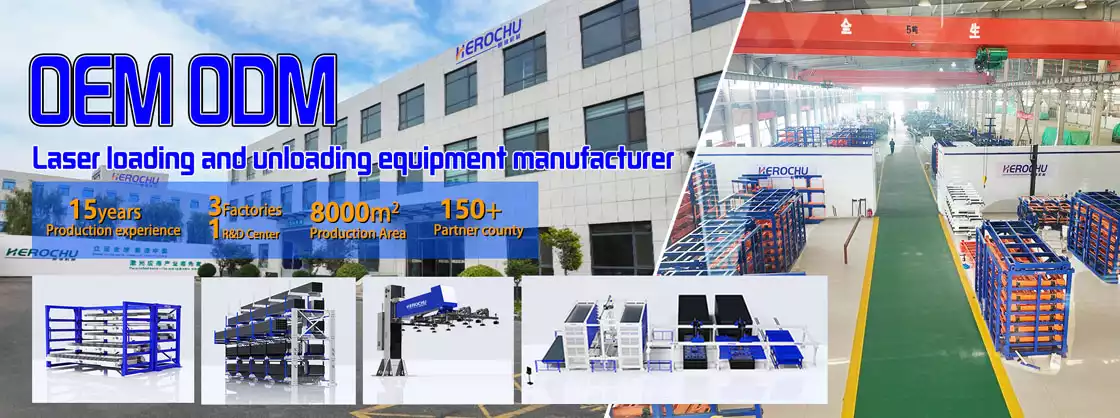
We are a direct manufacturer with over 15 years of industry experience and expertise.

Q3: Is there a minimum order quantity?
No. We welcome orders of any size, starting from a single unit.

Q4: How can I get detailed product information?
Click the “Get a Quote” button to receive product images, detailed specifications, and videos. Our team is always ready to assist.

Q5: How do I provide my storage rack requirements?
Simply share the type, dimensions, and quantity of materials you plan to store, along with any other specific needs. We will develop a professional storage solution for you. Alternatively, leave your contact details for a personalized consultation.

Q6: Do you offer automated loading systems or robotic arms?
Yes. We provide loading robotic arms and integrated loading/unloading systems tailored to your laser cutting machine’s table size and material handling method (e.g., board rack, exchange platform, or material warehouse). Contact us with your details for a customized proposal.

Q7: Do you provide on-site installation and debugging?
Yes. Our technicians can travel to your facility for installation and debugging, ensuring successful operation. We have served clients globally, including in the USA, South Korea, Russia, Qatar, Mexico, South Africa, Egypt, and Lebanon.

Q8: How do you ensure product quality?
Our quality assurance includes:

  • A team of over 40 technical engineers for professional debugging and support.

  • A dedicated quality control department compliant with ISO9001 standards.

  • CE certification for all exports.

  • Rigorous load testing before shipment to ensure structural safety and reliability.

Q9: Where is your factory located?
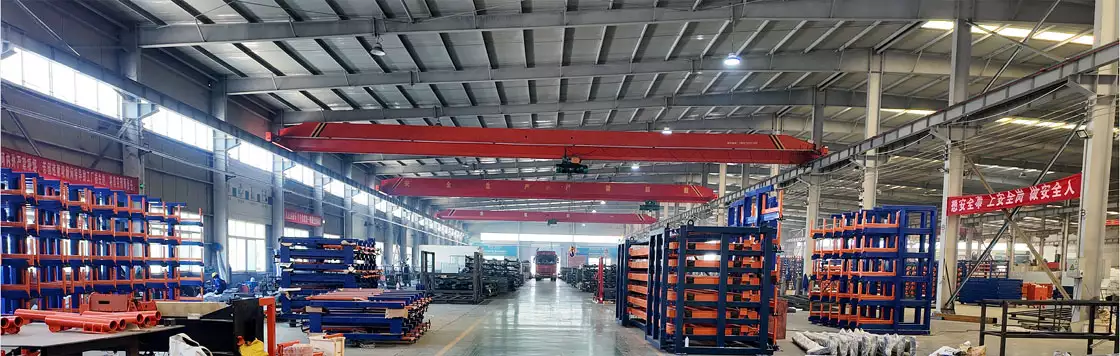
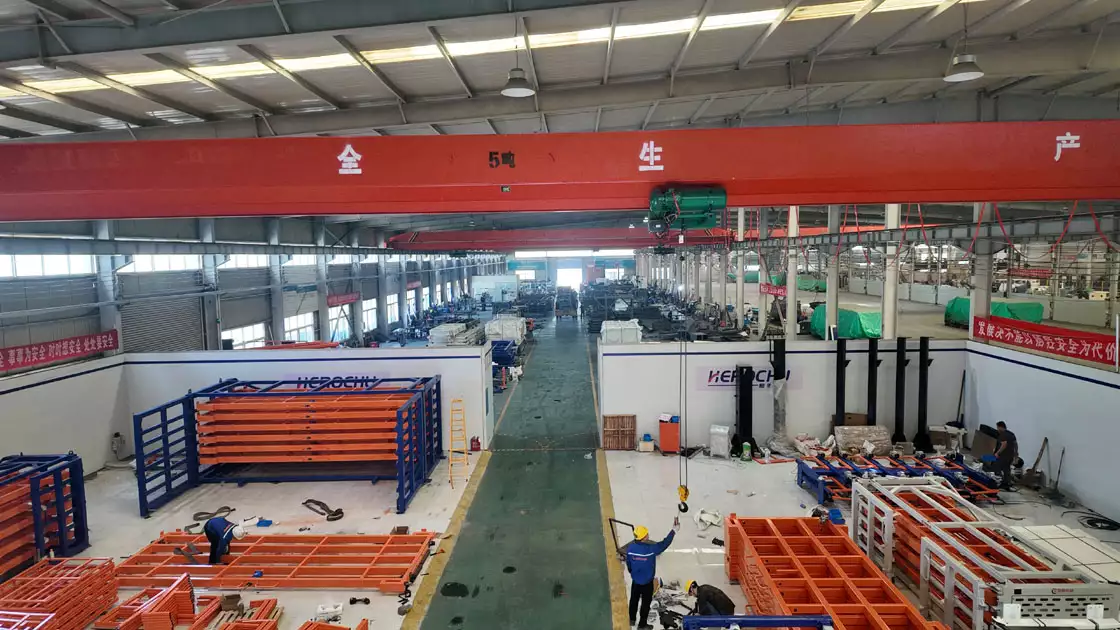
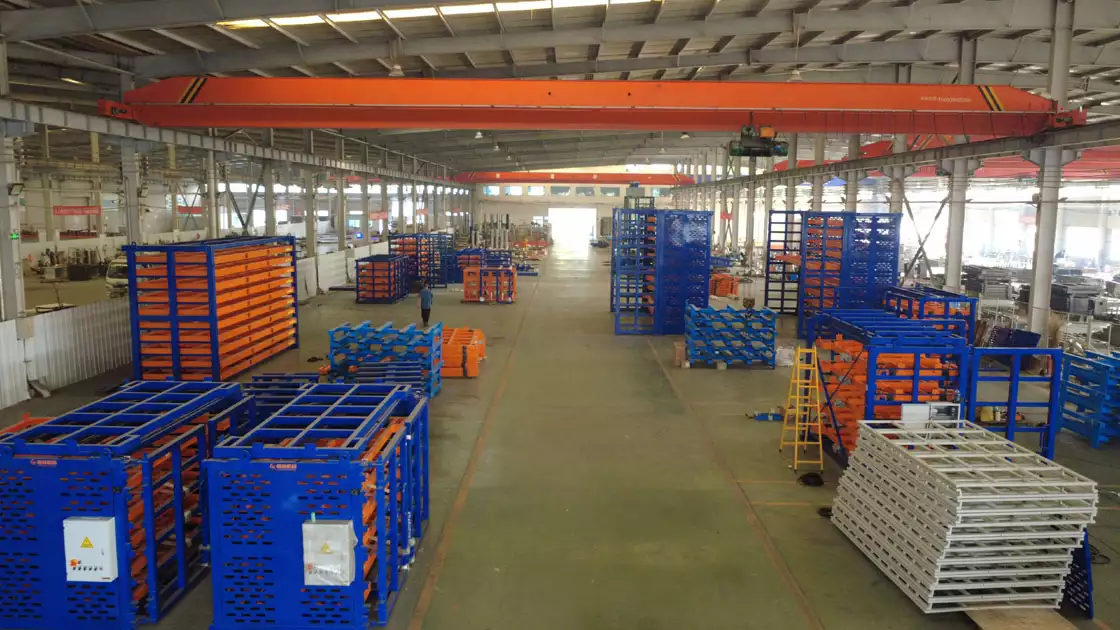
Our modern 10,000-square-meter manufacturing facility is located in Jiyang Industrial Park, Jinan, Shandong, China.

Q10: How can I evaluate your company’s capabilities?
We offer virtual video factory tours and warmly welcome on-site visits.

Q11: What does your company specialize in?
Jinan Constant Storage Machinery Manufacturing Co., Ltd. is a high-tech enterprise specializing in the R&D, production, sales, installation, and service of intelligent storage solutions. Our product range includes sheet material warehouses, drawer-style shelves, cantilever racks, servo manipulators, gantry loaders, and fully automated handling systems. Supported by a skilled technical team and advanced equipment, we are committed to delivering high-performance storage products and solutions to customers worldwide.

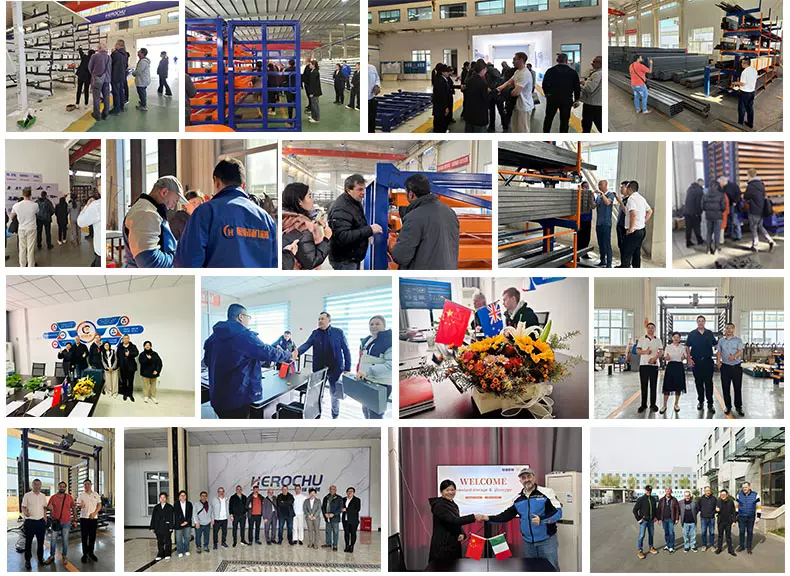
Customer visit

Herochu has always been adhering to the market-centric approach to meet customer requirements to the maximum extent, and the business philosophy of “creating brands with heart and gaining reputation with sincerity”. It provides customers with high-quality products and services with rigorous military quality, professionalism, and excellence, and has won unanimous praise in the Chinese aerospace, Chinese weapons, Chinese railways, automobile manufacturing, engineering machinery, non-ferrous metal titanium alloy and other industries.
customers

Factory

Factory
Factory
Factory
Factory
Factory
customers2
honor

Product Categories

Roll Out Sheet Metal Rack
Pipe Cantilever Storage Rack
Sheet Metal Handling Equipment
Automated Sheet Metal Storage Systems
Automatic loading and unloading system for laser cutting machines
Scroll to Top

✶ ✶ ✶ Get a quote and more information now!!!