Pipes are essential
materials in various industries, including construction, oil and gas, mechanical
processing, and water supply and drainage. However, storing pipes in a
warehouse is a challenging task due to their
long length, large volume, and
heavy weight. Traditional
storage methods, such as stacking pipes on the ground or using simple wooden supports, often result in space waste,
pipe damage, and low handling
efficiency. For enterprises that need to
store large quantities of heavy pipes, a reliable and
efficient storage solution is crucial.
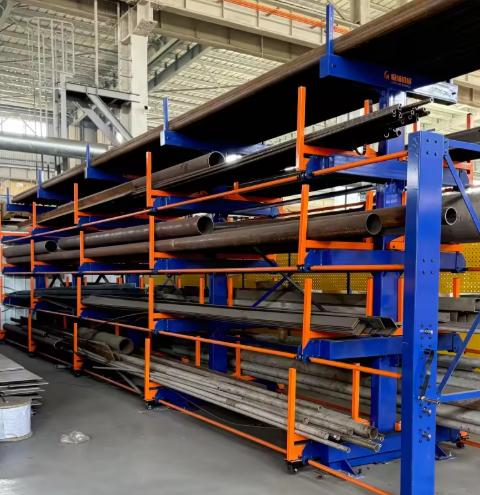
Large Load Capacity Pipe
Warehouse Storage, supported by
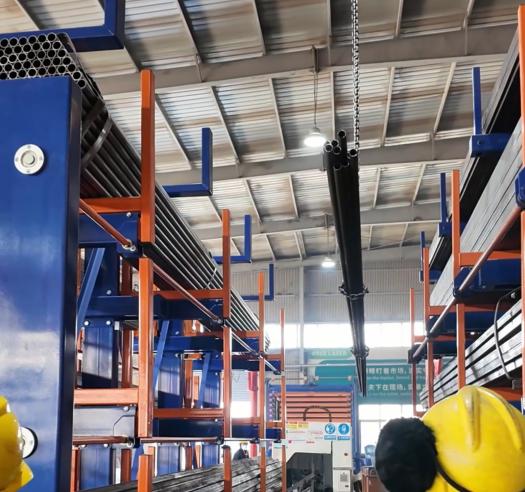
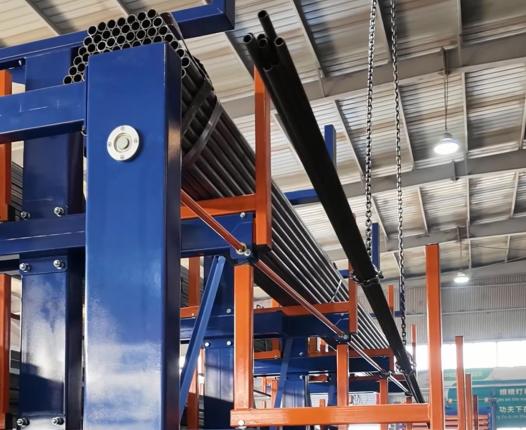
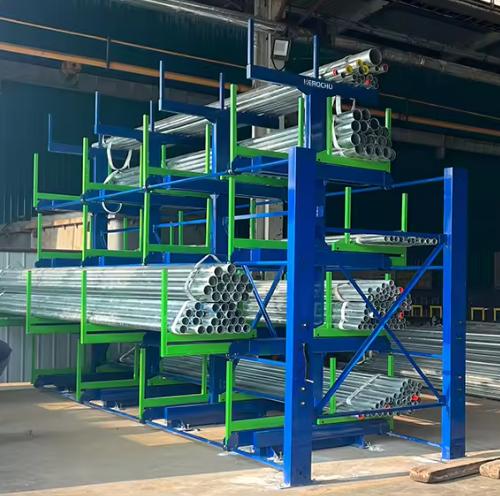
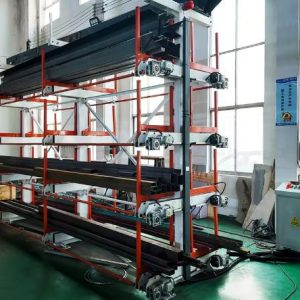
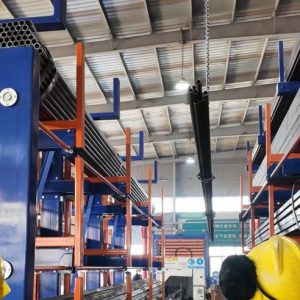
heavy-duty cantilever racks, has become the optimal choice for solving these challenges. This article will focus on how
heavy-duty cantilever racks enable efficient Large
Load Capacity Pipe Warehouse Storage, including the key features of the
storage system, application
advantages, implementation steps, and maintenance tips, helping you build a
high-efficiency pipe storage warehouse.
First, let’s define Large Load
Capacity Pipe Warehouse Storage. It refers to a storage system specifically designed to store large quantities of heavy pipes (with a diameter of more than 100mm and a weight of more than
500kg per piece) in a warehouse, using
heavy-duty storage equipment to ensure the
safety, stability, and efficiency of storage and handling. The core equipment of this storage system is the heavy-duty
cantilever rack, which is designed to withstand the
heavy load of pipes and provide easy access to the goods. Unlike standard
storage racks, heavy-duty
cantilever racks for pipe storage have higher load capacity, longer arm length, and more
stable structure, making them suitable for storing large-diameter and heavy-weight pipes.
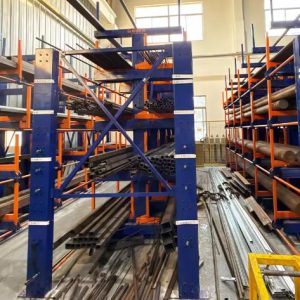
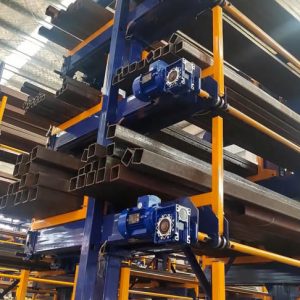
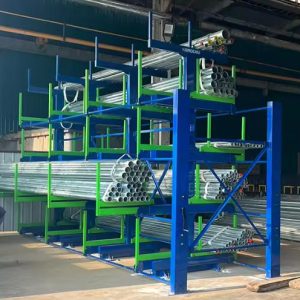
The key features of heavy-duty cantilever racks for Large Load Capacity Pipe Warehouse Storage are as follows. First, high load-bearing capacity. The columns and arms of the rack are made of
high-quality high-strength
steel (such as Q235 or Q355 steel), which can withstand a load of several tons per arm. For example, some heavy-duty cantilever racks can support a load of up to
10 tons per arm, making them suitable for storing large-diameter
steel pipes, oil pipes, and other heavy pipes. Second, long arm length. The arm length of the rack can be
customized according to the length of the pipes, usually ranging from 1.5 meters to 3 meters, ensuring that the pipes are fully supported and do not overhang, which reduces the risk of bending or damage. Third,
adjustable arm height. The arms can be adjusted in height at intervals of 50mm or 100mm, allowing for flexible storage of pipes of different diameters. This adjustability ensures that the pipes are placed stably and that the
vertical space is fully utilized. Fourth, stable structure. The rack is equipped with a solid base, diagonal braces, and anti-tip devices, ensuring that it does not tilt or move even under the heavy load of pipes and frequent
forklift operations. Fifth,
corrosion resistance. The surface of the rack is treated with hot-dip galvanization or powder coating, which effectively prevents rust and corrosion caused by moisture, dust, and pipe materials (such as steel pipes), extending the service life of the rack.
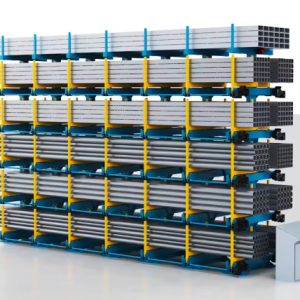
The application advantages of Large Load Capacity Pipe Warehouse Storage using heavy-duty cantilever racks are numerous. First, it maximizes storage capacity. By utilizing vertical space and
double-sided storage
design, the storage capacity of the warehouse can be increased by 30% to 50% compared to traditional storage methods. For example, a warehouse with a floor area of 1000 square meters can store up to 500 tons of pipes using heavy-duty cantilever racks, while traditional storage methods can only store 300 tons. This increase in storage capacity helps enterprises reduce the need for additional
warehouse space, saving rental costs. Second, it reduces pipe damage. Pipes stored on cantilever racks are placed stably, without direct contact with the ground, which reduces the risk of scratches, dents, and corrosion. In addition, the adjustable arm height and anti-slip pads on the arms prevent the pipes from
rolling and colliding with each other, further reducing damage. This reduction in pipe damage helps enterprises reduce losses and improve the quality of their products.
Third, it improves handling efficiency. Heavy-duty cantilever racks have no front columns, allowing
forklifts to directly approach the pipes from both sides, making
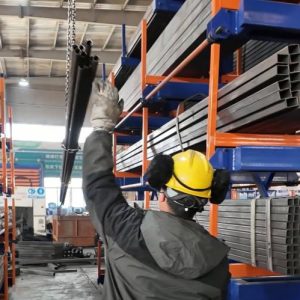
loading and unloading faster and more convenient. For example, a forklift can pick up a pipe from the cantilever arm in just a few minutes, compared to traditional storage methods which require moving multiple pipes to access the desired one, taking much longer. This improvement in handling efficiency reduces the time spent on loading and unloading, increases the daily throughput of the warehouse, and improves the overall operational efficiency of the enterprise. Fourth, it enhances safety. The stable structure of the heavy-duty cantilever rack and the addition of safety accessories (such as stopper pins, arm barriers, and anti-tip devices) ensure the safety of workers and goods. Workers do not need to climb on the pipes or use
manual lifting equipment, reducing the risk of accidents. In addition, the neat and
organized storage of pipes makes it easier to inspect and maintain the pipes, further enhancing safety.
Fifth, it improves
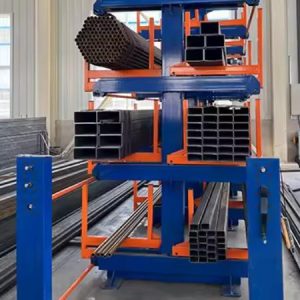
warehouse organization. Pipes of different types, diameters, and lengths can be stored on separate layers or sections of the cantilever racks, making it easy to classify and manage. For example, steel pipes can be stored on one side of the rack,
PVC pipes on the other side, and different diameters of pipes can be stored on different layers. This
organized storage makes it easier to find and retrieve the desired pipes, reducing the time spent on searching and improving the efficiency of warehouse
management. Sixth, it is highly
customizable. The heavy-duty cantilever racks for pipe storage can be customized according to the size of the warehouse, the length and weight of the pipes, and the
handling equipment used. This customization ensures that the storage system is perfectly matched to the enterprise’s needs, providing the best possible storage
solution.
Implementing Large Load Capacity Pipe Warehouse Storage using heavy-duty cantilever racks involves several key steps. The first step is warehouse planning. Before
installing the cantilever racks, it is necessary to conduct a detailed measurement of the warehouse, including the length, width, height, and ground bearing capacity. This measurement helps determine the number, size, and
layout of the cantilever racks. In addition, it is necessary to consider the movement path of the forklifts to ensure that there is sufficient space for forklift operations. The second step is
rack design and customization. Based on the warehouse planning and the characteristics of the pipes (length, weight, diameter), the cantilever racks are designed and customized. This includes determining the column height, arm length, arm spacing, load capacity, and surface treatment of the rack. It is important to ensure that the rack can withstand the weight of the pipes and fit the warehouse space.
The third step is rack installation. The installation of heavy-duty cantilever racks requires
professional equipment and technical personnel. The
installation process includes fixing the base to the ground with expansion bolts, installing the columns, connecting the arms to the columns, and installing safety accessories. During installation, it is important to ensure that the rack is level and stable, and that all connections are firm. The fourth step is pipe storage and organization. After the rack is installed, the pipes are classified and stored on the rack according to their type, diameter, and length. It is important to ensure that the pipes are placed stably on the arms, and that the load per arm does not exceed the designed load capacity. The fifth step is staff training. Staff need to be trained on how to use the cantilever racks, including how to load and unload pipes, how to adjust the arm height, and how to maintain the rack. This training ensures that the staff can operate the storage system safely and efficiently.
Maintenance is an important part of ensuring the long-term operation of Large Load Capacity Pipe Warehouse Storage. Regular maintenance can extend the service life of the cantilever racks and ensure their safety and stability. The maintenance tips are as follows. First, regular inspection. Inspect the rack regularly (at least once a month) to check for loose bolts, damaged arms, or deformation of the columns. If any problems are found, they should be repaired or replaced immediately. Second, cleaning. Keep the rack clean by removing dust, debris, and oil stains regularly. This prevents corrosion and ensures the smooth operation of the rack. Third, load management. Ensure that the load per arm does not exceed the designed load capacity. Overloading can cause damage to the rack and increase the risk of accidents. Fourth, corrosion prevention. For
outdoor or humid
warehouses, regularly check the surface treatment of the rack. If the zinc layer or powder coating is damaged, it should be repaired immediately to prevent rust. Fifth, handling care. When using forklifts to load and unload pipes, avoid collision with the rack. Collision can damage the arms or columns, affecting the stability of the rack.
Let’s take a case study to illustrate the effectiveness of Large Load Capacity Pipe Warehouse Storage using heavy-duty cantilever racks. A large construction company needed to store 1000 tons of steel pipes with diameters ranging from 200mm to 500mm and lengths ranging from 6 meters to 12 meters. The company’s existing warehouse used traditional storage methods, which resulted in 30% of the pipes being damaged due to collision and corrosion, and the storage capacity was insufficient, requiring additional warehouse rental. After adopting heavy-duty cantilever racks for Large Load Capacity Pipe Warehouse Storage, the company’s storage capacity increased by 45%, and the pipe damage rate decreased to less than 5%. The loading and unloading time was reduced by 35%, and the
warehouse management efficiency was significantly improved. The company saved a lot of money on warehouse rental and pipe replacement, and the overall operational efficiency was enhanced.
When choosing heavy-duty cantilever racks for Large Load Capacity Pipe Warehouse Storage, there are several key factors to consider. First, load capacity. It is important to choose a rack with a load capacity that exceeds the weight of the heaviest pipe to ensure safety. Second, arm length. The arm length should be slightly longer than the length of the pipes to ensure that the pipes are fully supported. Third,
material and surface treatment. Choose high-quality steel and appropriate surface treatment (hot-dip galvanization for outdoor use, powder coating for indoor use) to ensure durability and corrosion resistance. Fourth,
manufacturer reliability. Choose a manufacturer with rich experience in designing and
manufacturing heavy-duty cantilever racks for pipe storage, as this ensures the quality and performance of the rack. Fifth, after-sales service. Ensure that the manufacturer provides comprehensive after-sales service, including installation, maintenance, and technical support.
In conclusion, Large Load Capacity Pipe Warehouse Storage using heavy-duty cantilever racks is a high-efficiency,
safe, and reliable storage solution for enterprises that need to store large quantities of heavy pipes. Its high load-bearing capacity,
space-saving design, easy operation, and low damage rate make it an ideal choice for various industries. By implementing this storage system, enterprises can optimize their warehouse space, improve operational efficiency, reduce losses, and enhance their competitiveness. Whether you are a construction company, an oil and gas enterprise, or a mechanical processing company, Large Load Capacity Pipe Warehouse Storage can help you solve your pipe storage challenges and achieve better development.