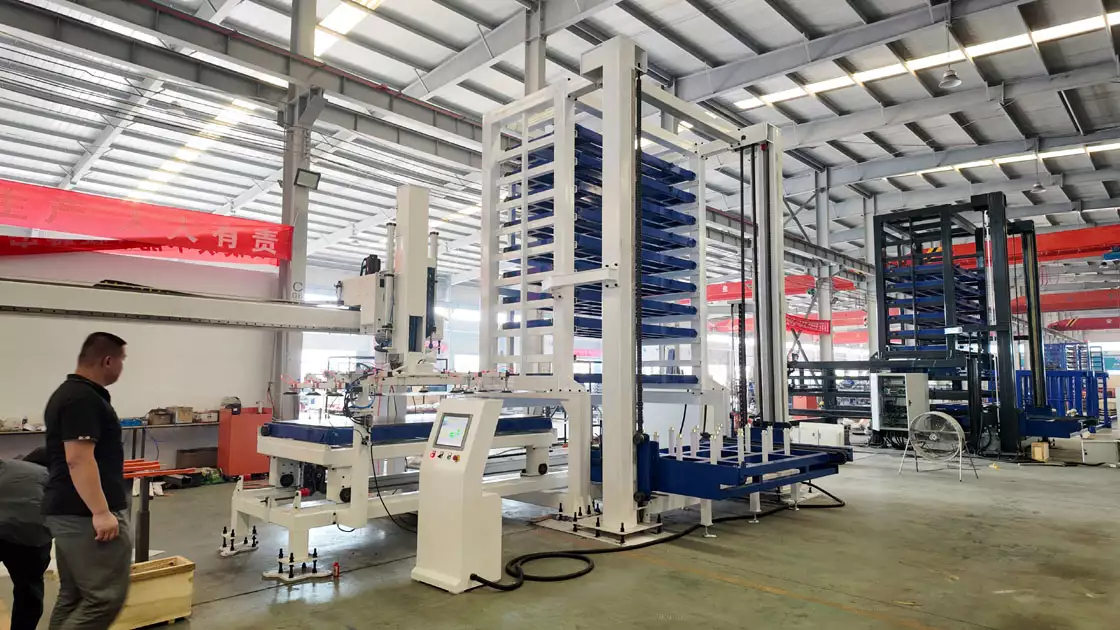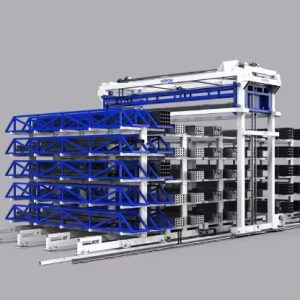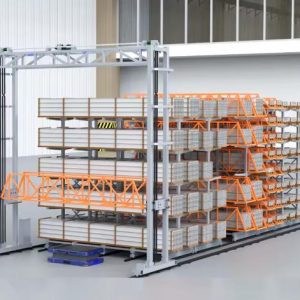
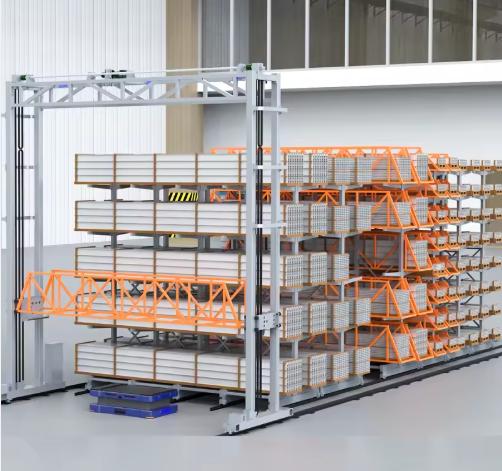
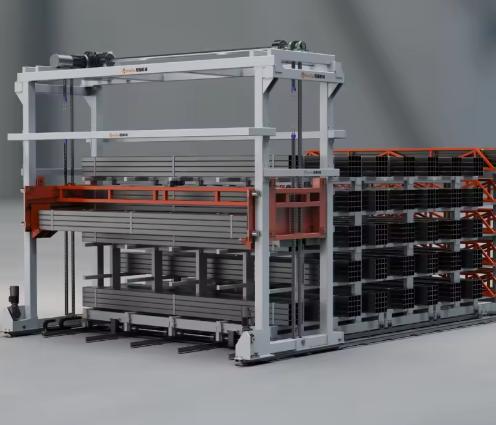
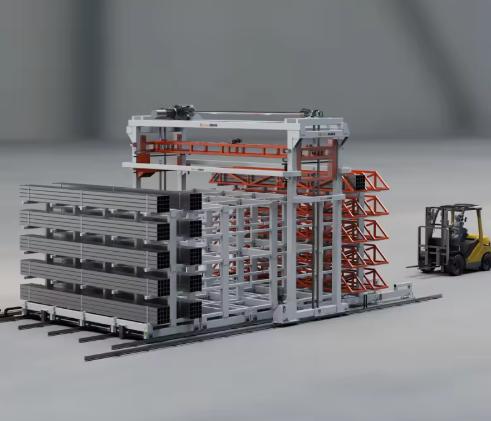
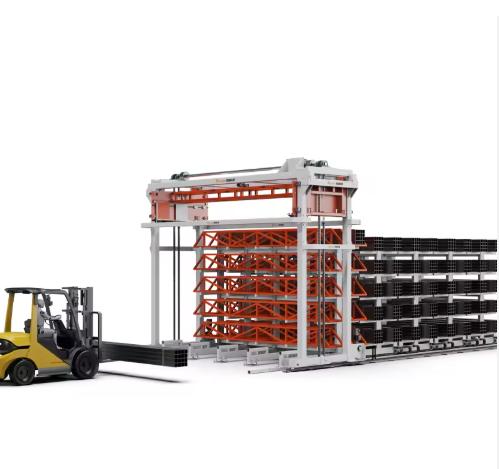
Fully Automatic Profile Storage Systems with Gantry Loading Robots

The journey from manual material handling to fully automated storage represents more than just replacing human muscle with machines – it marks a fundamental transformation in how industrial facilities conceptualize and execute warehouse operations. Early automation efforts focused primarily on mechanization: using conveyors instead of carts, lifts instead of ladders, and powered equipment instead of manual pushing. While these improvements delivered incremental efficiency gains, they still required substantial human oversight, decision-making, and intervention to function effectively.

Fully Automatic Profile Storage Systems with Gantry Loading Robots

The journey from manual material handling to fully automated storage represents more than just replacing human muscle with machines – it marks a fundamental transformation in how industrial facilities conceptualize and execute warehouse operations. Early automation efforts focused primarily on mechanization: using conveyors instead of carts, lifts instead of ladders, and powered equipment instead of manual pushing. While these improvements delivered incremental efficiency gains, they still required substantial human oversight, decision-making, and intervention to function effectively.
Today’s Fully Automatic Profile Storage Systems with Gantry Loading Robots transcend mere mechanization to achieve genuine intelligence. These systems don’t simply execute pre-programmed sequences; they perceive their environment, analyze situations, make decisions, and adapt behaviors based on real-time conditions. The difference proves profound: where mechanized systems break down when encountering unexpected variations, intelligent systems anticipate, accommodate, and optimize around them autonomously.
This intelligence stems from sophisticated integration of sensors, processors, and algorithms working in concert. Weight sensors detect load characteristics, vision systems verify material identities and positions, proximity detectors monitor surrounding conditions, and positional encoders track equipment locations with sub-millimeter precision. Central processing units synthesize this sensory input, comparing actual conditions against expected parameters and adjusting operations accordingly. The result is a storage system that behaves less like rigid machinery and more like an experienced warehouse manager who intuitively understands how to handle diverse situations efficiently and safely.

The Gantry Loading Robot: Brain and Brawn Combined

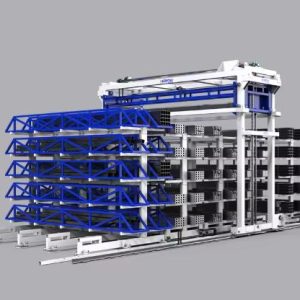
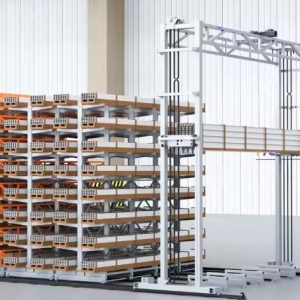
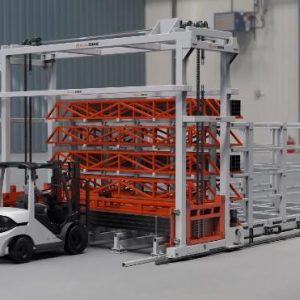
At the heart of every Fully Automatic Profile Storage System stands the gantry loading robot – a remarkable fusion of structural strength and computational sophistication. This mobile platform traverses warehouse aisles on precision guide rails, carrying materials weighing up to 5 tons with the steadiness of a surgeon’s hand. Its dual nature as both powerful lifter and delicate handler solves the central paradox of long material automation: how to move massive weights without causing damage.
The gantry’s structural design employs high-strength steel alloys arranged in optimized truss configurations that maximize load capacity while minimizing weight. Finite element analysis guides every beam placement and joint design, ensuring stress distributions remain well below material yield points even under maximum rated loads. Yet this brute strength coexists with refined motion control systems that enable smooth acceleration curves, gentle deceleration profiles, and vibration damping mechanisms that protect sensitive materials throughout transport cycles.
Motion control relies on synchronized servo motors driving chain transmission systems coupled with linear guide rails. This combination delivers precise positioning repeatability within ±2mm across the entire working envelope – essential when inserting 12-meter profiles into tightly spaced storage slots. Advanced motion algorithms calculate optimal speed profiles for each movement, balancing cycle time minimization against stability requirements based on specific load characteristics. Heavier or more awkwardly shaped loads automatically receive gentler treatment, while uniform, well-balanced items enjoy faster handling speeds.
The gantry’s intelligence extends to self-diagnostics and adaptive compensation. Built-in sensors continuously monitor motor temperatures, chain tensions, rail alignments, and structural deflections. When deviations from nominal conditions occur, the system automatically adjusts operating parameters to maintain performance. If a guide rail shows slight wear affecting straightness, compensation algorithms modify movement trajectories to achieve accurate positioning despite the imperfection. This self-adapting capability extends equipment life and maintains consistent performance without requiring frequent manual recalibration.

Seamless Workflow Integration: From Order to Delivery

True automation value emerges not from isolated equipment performance but from seamless integration into complete workflow ecosystems. Fully Automatic Profile Storage Systems excel at connecting upstream ordering processes with downstream production requirements, creating continuous material flow that eliminates traditional breakpoints where delays and errors accumulate.
The integration begins when production planners release material requisitions through enterprise resource planning (ERP) systems. These digital requests automatically translate into storage system commands without manual re-entry or interpretation. The gantry robot receives instructions specifying material type, quantity, destination, and timing requirements. Intelligent scheduling algorithms then determine optimal retrieval sequences considering multiple factors: current gantry position, traffic patterns in shared aisles, priority levels of different orders, and predicted future demands.
During execution, the system maintains constant communication with related equipment and systems. Overhead cranes receive advance notifications of incoming transfers, positioning themselves at handoff points precisely when needed. Production line conveyors synchronize speeds with gantry delivery rates, preventing bottlenecks from mismatched throughput capacities. Quality inspection stations automatically receive samples based on predefined sampling plans triggered by retrieval events. This orchestration happens invisibly in the background, requiring no human coordination yet achieving harmony impossible through manual supervision.
Exception handling demonstrates the system’s adaptive intelligence most clearly. When unexpected situations arise – a material bundle weighs more than recorded, a storage location shows occupancy when it should be empty, or a destination workstation isn’t ready to receive – the system doesn’t simply halt and wait for human intervention. Instead, it evaluates alternative approaches: verifying weights before proceeding, scanning adjacent locations to find misplaced items, or temporarily buffering materials until destinations become available. Only when truly unprecedented situations occur does the system escalate to human operators, and even then it provides detailed diagnostic information accelerating problem resolution.

One-Click Retrieval: Simplifying Complex Operations

Perhaps the most visible manifestation of system intelligence is the one-click automatic retrieval capability that reduces material handling time by approximately 60%. This seemingly simple function actually orchestrates dozens of complex sub-operations executed flawlessly in sequence. An operator initiates the process by entering a material code or selecting from a graphical inventory display. Behind this single action, the system performs material identification verification, location determination, path planning, obstacle detection, gantry positioning, arm extension, load engagement, extraction, transport, and delivery – all without human involvement in the physical handling.
The user interface designing enabling this simplicity deserves special mention. Modern systems offer multiple interaction modes accommodating different user preferences and skill levels. Touchscreen panels provide intuitive visual representations of warehouse layouts with color-coded status indicators showing occupied locations, available capacities, and equipment positions. Voice command options allow hands-free operation in environments where gloves or safety considerations make touchscreen interaction difficult. Mobile applications extend access beyond the warehouse floor, enabling supervisors to monitor operations and authorize retrievals from remote locations.
Behind these user-friendly interfaces lies sophisticated logic managing concurrent requests and optimizing overall throughput. When multiple operators submit retrieval requests simultaneously, the system doesn’t simply process them in first-come-first-served order. Instead, intelligent queuing algorithms analyze request characteristics to determine optimal sequencing. Requests for materials located near each other get grouped together to minimize gantry travel distances. Urgent production orders receive priority over routine replenishment pulls. Large bundles requiring slower handling speeds get scheduled during naturally occurring gaps between faster small-item retrievals. This dynamic optimization continuously maximizes system productivity without requiring human traffic management.

Safety Through Intelligent Design

Automation’s safety benefits extend far beyond removing workers from direct contact with heavy loads. Fully Automatic Profile Storage Systems incorporate multiple layers of intelligent protection that create inherently safer operating environments than even the most carefully supervised manual operations.
Perimeter guarding systems use light curtains, laser scanners, and pressure-sensitive mats to detect unauthorized entries into equipment operating zones. Unlike simple emergency stops that halt all operations when breaches occur, intelligent systems implement graduated responses based on risk levels. Minor intrusions at peripheral boundaries trigger gentle slowdowns and audible warnings, giving intruders opportunities to exit before complete shutdowns become necessary. Only direct threats to personnel or equipment initiate immediate emergency stops, minimizing disruptive interruptions while maintaining absolute safety priorities.
Load monitoring systems continuously verify weight distributions and stability conditions during all handling operations. If sensors detect shifting loads, unexpected tilting, or weight exceeding safe limits for current configurations, the system automatically suspends movement and implements corrective actions. These might include returning materials to storage positions, redistributing weight across support arms, or requesting human assistance for problematic loads. This proactive prevention eliminates the catastrophic failures that sometimes occur when human operators misjudge load stability.
Predictive safety analytics take protection further by identifying potential hazards before they materialize. Machine learning models analyze historical operational data to recognize patterns preceding near-miss incidents or equipment malfunctions. When similar patterns emerge in real-time operations, the system issues preventive alerts or automatically implements mitigating measures. This forward-looking approach transforms safety from reactive incident response to proactive risk elimination, creating continuously improving safety performance over time.

Future-Proof Architecture: Adapting to Tomorrow’s Needs

Investment in automation technology requires confidence that systems will remain relevant and valuable as business needs evolve. Fully Automatic Profile Storage Systems address this concern through modular, upgradeable architectures designed for long-term adaptability. Hardware components follow industry-standard interfaces allowing straightforward replacements with improved versions as technology advances. Software platforms employ open APIs facilitating integration with emerging enterprise systems and analytics tools not yet conceived during initial installations.
Capacity expansion pathways enable facilities to grow storage capabilities alongside business growth. Additional tower modules can integrate with existing structures, extending height or width without replacing core components. Gantry fleets can expand by adding robots to shared rail networks, increasing throughput without duplicating infrastructure investments. This scalability protects initial investments while supporting organic growth strategies.
Technology refresh cycles become manageable events rather than disruptive overhauls. When new sensor technologies offer improved accuracy, they can retrofit into existing gantries without structural modifications. Enhanced control algorithms download as software updates, immediately improving performance across entire fleets. Cloud connectivity enables remote expert support and over-the-air updates that keep systems current with latest capabilities without requiring onsite technician visits.
This future-proof design philosophy transforms automation from fixed capital assets into evolving strategic platforms that grow more valuable over time. Facilities implementing these systems today position themselves to leverage tomorrow’s technological advances without discarding previous investments, creating sustainable competitive advantages that compound year after year.

FAQ

Here are some frequently asked questions about our sheet metal racks and pipe storage solutions. We hope you find them helpful!

Q1: Can I request a custom size or color?
Absolutely. We offer complimentary design services and deliver efficient, tailored solutions to meet your specific requirements.

Q2: Are you a manufacturer or a distributor?
We are a direct manufacturer with over 15 years of industry experience and expertise.

Q3: Is there a minimum order quantity?
No. We welcome orders of any size, starting from a single unit.

Q4: How can I get detailed product information?
Click the “Get a Quote” button to receive product images, detailed specifications, and videos. Our team is always ready to assist.

Q5: How do I provide my storage rack requirements?
Simply share the type, dimensions, and quantity of materials you plan to store, along with any other specific needs. We will develop a professional storage solution for you. Alternatively, leave your contact details for a personalized consultation.

Q6: Do you offer automated loading systems or robotic arms?
Yes. We provide loading robotic arms and integrated loading/unloading systems tailored to your laser cutting machine’s table size and material handling method (e.g., board rack, exchange platform, or material warehouse). Contact us with your details for a customized proposal.

Q7: Do you provide on-site installation and debugging?
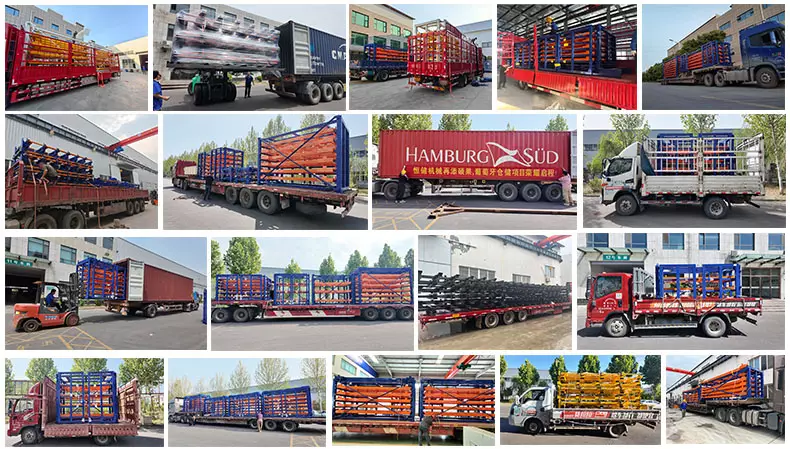
Yes. Our technicians can travel to your facility for installation and debugging, ensuring successful operation. We have served clients globally, including in the USA, South Korea, Russia, Qatar, Mexico, South Africa, Egypt, and Lebanon.

Q8: How do you ensure product quality?
Our quality assurance includes:

  • A team of over 40 technical engineers for professional debugging and support.

  • A dedicated quality control department compliant with ISO9001 standards.

  • CE certification for all exports.

  • Rigorous load testing before shipment to ensure structural safety and reliability.

Q9: Where is your factory located?
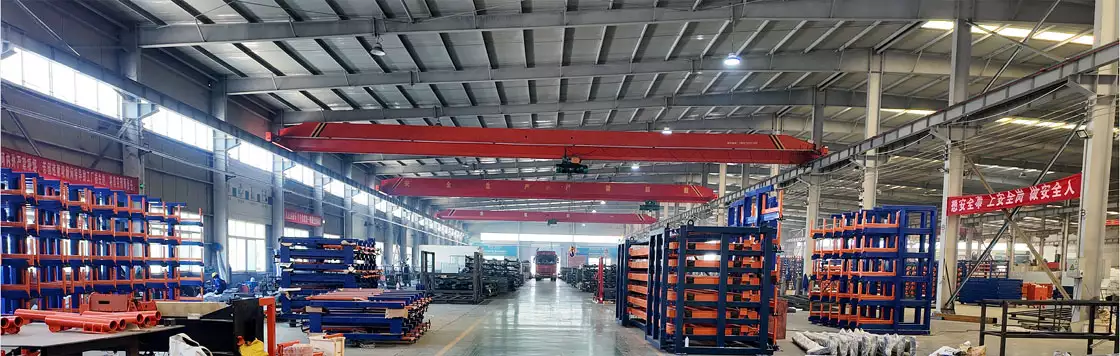
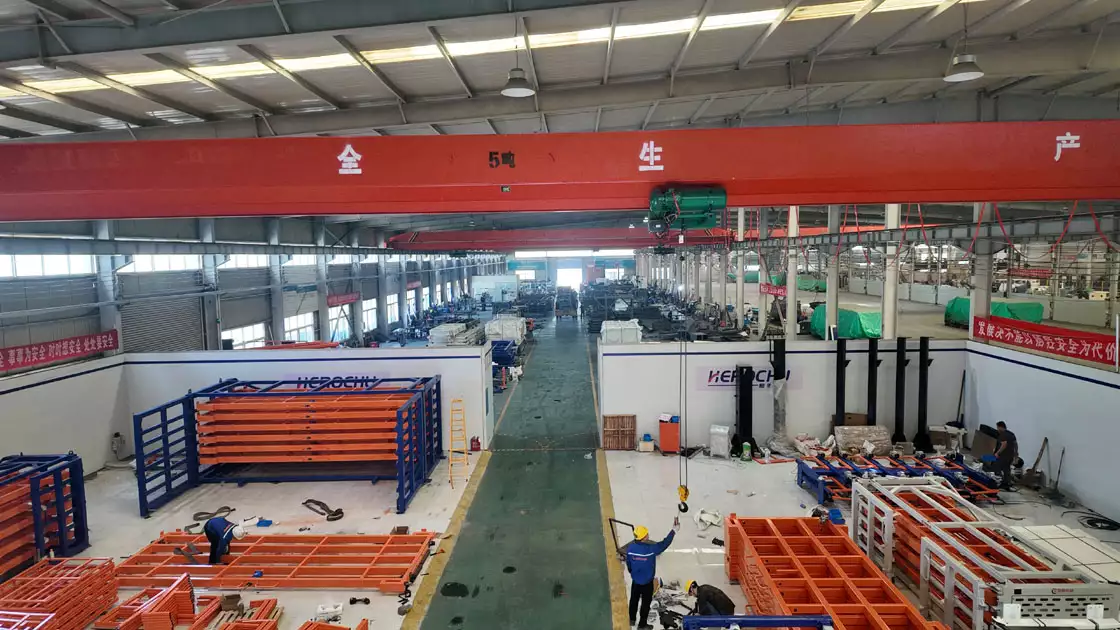
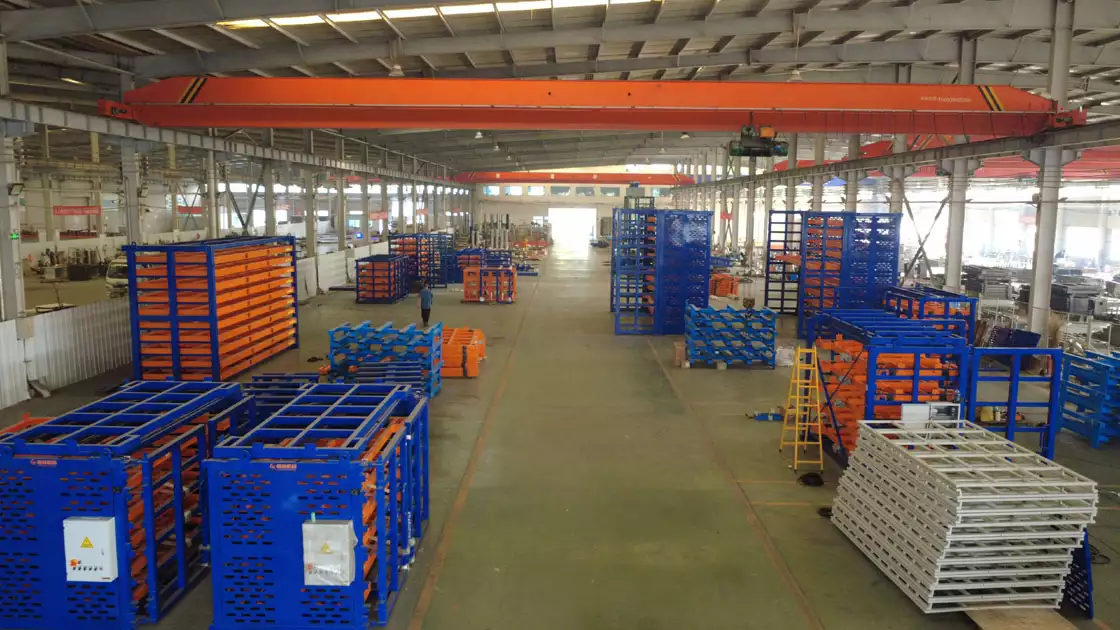
Our modern 10,000-square-meter manufacturing facility is located in Jiyang Industrial Park, Jinan, Shandong, China.

Q10: How can I evaluate your company’s capabilities?
We offer virtual video factory tours and warmly welcome on-site visits.

Q11: What does your company specialize in?
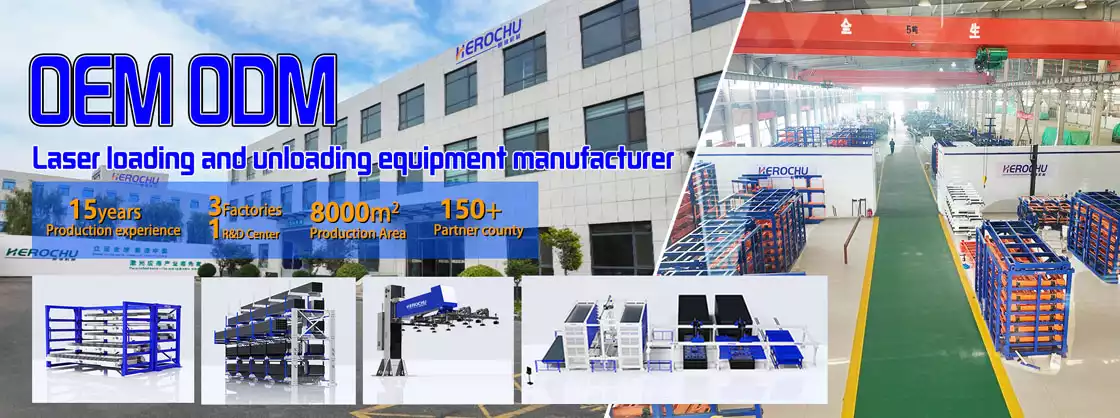
Jinan Constant Storage Machinery Manufacturing Co., Ltd. is a high-tech enterprise specializing in the R&D, production, sales, installation, and service of intelligent storage solutions. Our product range includes sheet material warehouses, drawer-style shelves, cantilever racks, servo manipulators, gantry loaders, and fully automated handling systems. Supported by a skilled technical team and advanced equipment, we are committed to delivering high-performance storage products and solutions to customers worldwide.

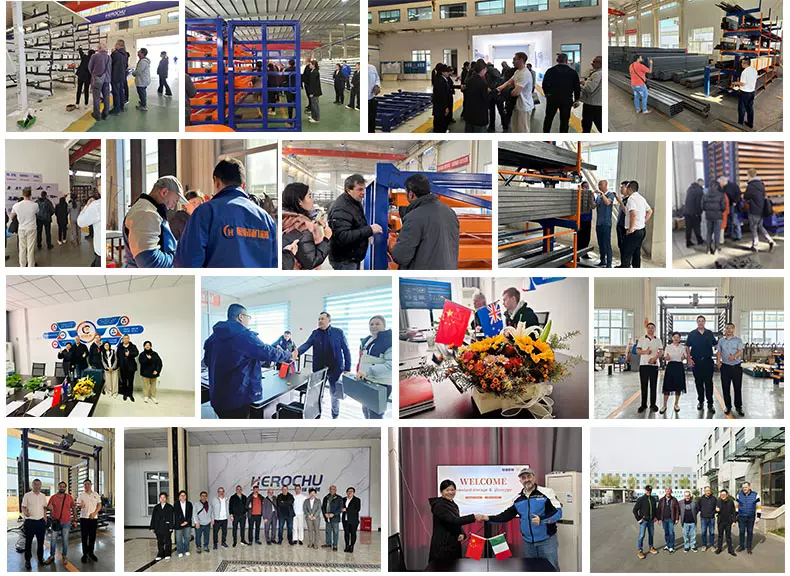
Customer visit

Herochu has always been adhering to the market-centric approach to meet customer requirements to the maximum extent, and the business philosophy of “creating brands with heart and gaining reputation with sincerity”. It provides customers with high-quality products and services with rigorous military quality, professionalism, and excellence, and has won unanimous praise in the Chinese aerospace, Chinese weapons, Chinese railways, automobile manufacturing, engineering machinery, non-ferrous metal titanium alloy and other industries.
customers

Factory

Factory
Factory
Factory
Factory
Factory
customers2
honor

Product Categories

Roll Out Sheet Metal Rack
Pipe Cantilever Storage Rack
Sheet Metal Handling Equipment
Automated Sheet Metal Storage Systems
Automatic loading and unloading system for laser cutting machines
Scroll to Top

✶ ✶ ✶ Get a quote and more information now!!!