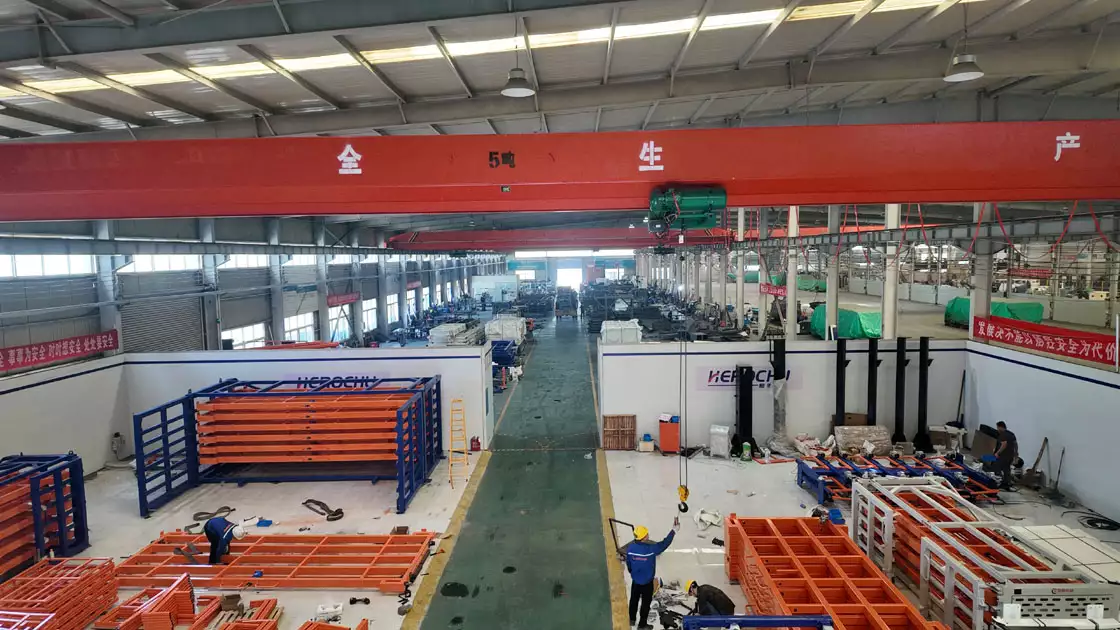
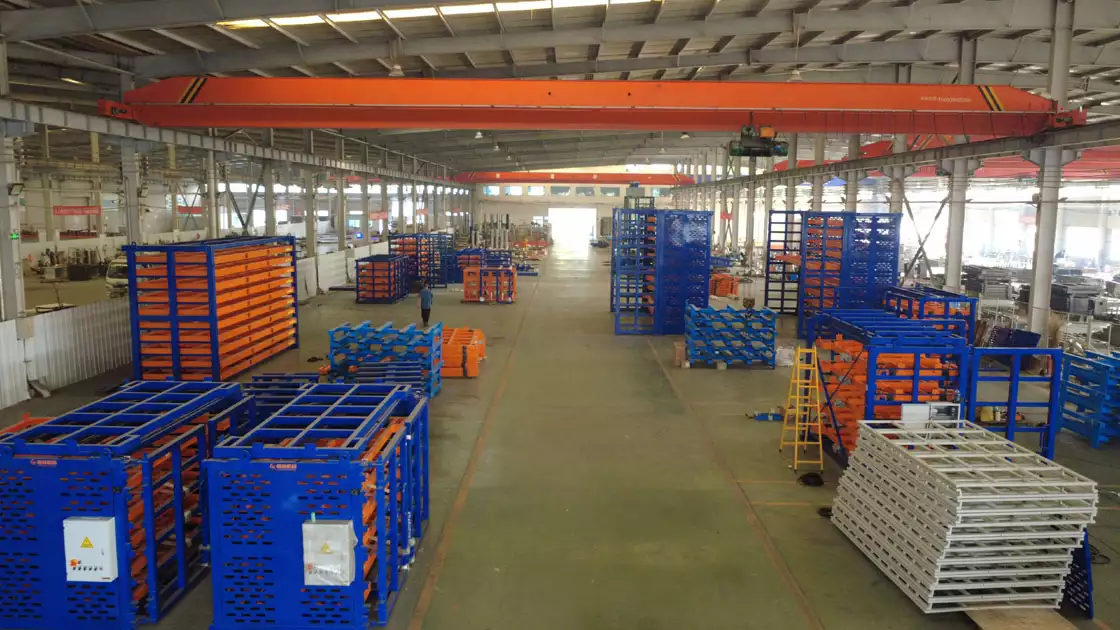
The customization process begins with understanding your specific
storage requirements. Unlike standard catalog products that force facilities to adapt their processes to predetermined dimensions, this system adapts to your materials, workflow, and space constraints. The process starts when you provide basic information: the types of materials you
store (steel
sheets,
aluminum plates,
stainless steel, etc.), dimensions of your typical stock (length, width, thickness), quantity of materials to be stored, and any special requirements such as ESD protection or corrosion resistance. From this information, our team of over 40 technical engineers develops a
professional storage solution at no charge, complete with detailed drawings and 3D models showing integration with your facility
layout.
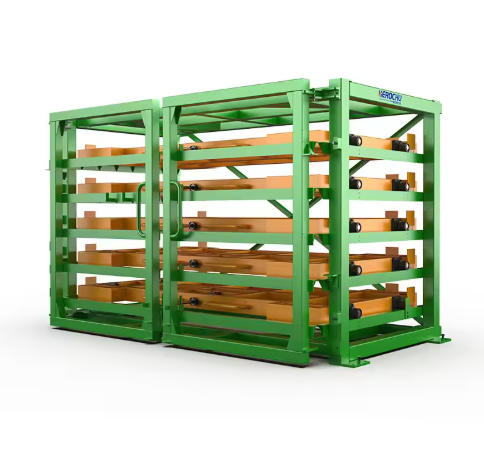
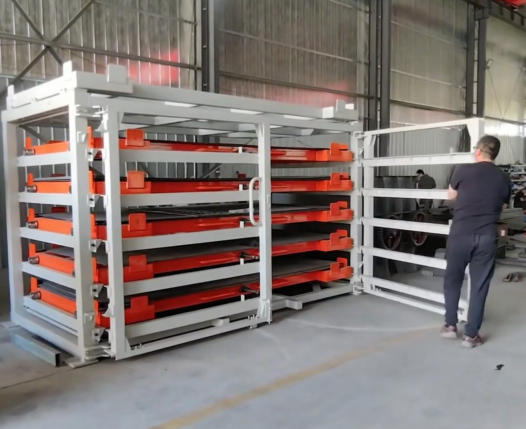
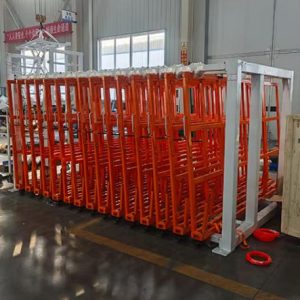
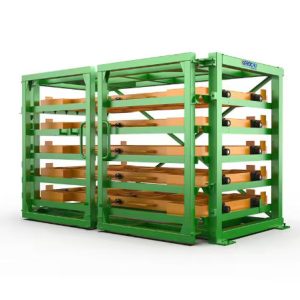
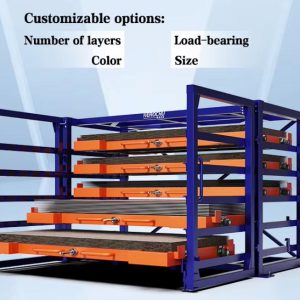
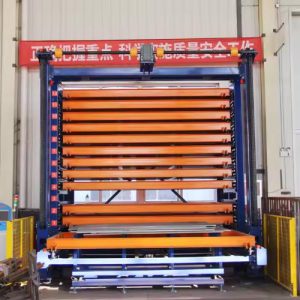
Size customization represents one of the most frequently requested modifications. While standard configurations include 2500
1300mm, 30001500mm, 4000x2000mm, and 6000*2000mm
drawer platforms, virtually any dimension within
structural engineering limits can be accommodated. Length of layers can be specified from 2.5 meters to 6 meters to match your longest
material stocks. Width adjustments ensure
efficient use of aisle space while maintaining adequate material support. The
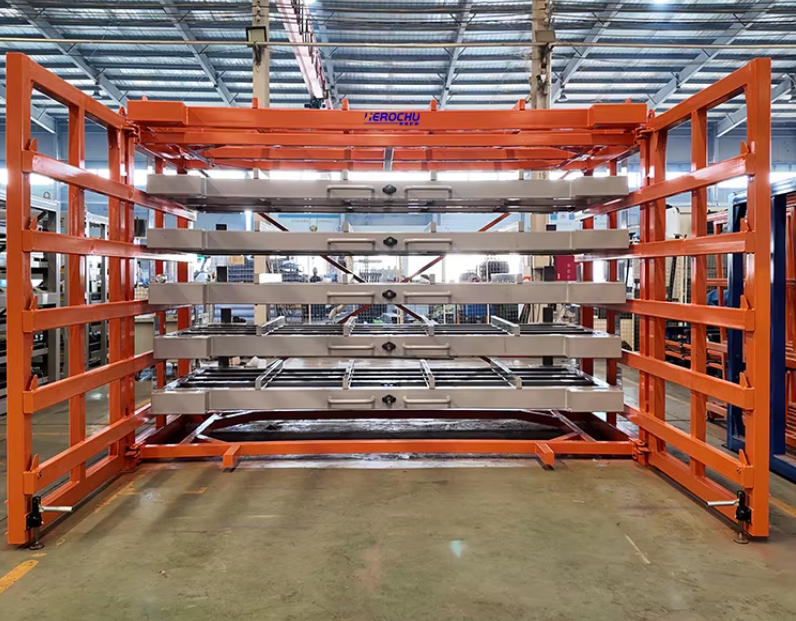
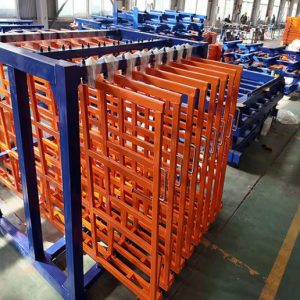
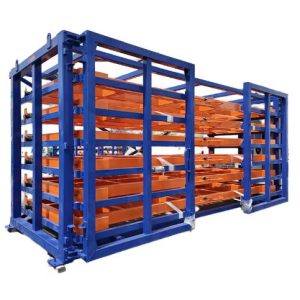
Cantilever main sub rack form provides the structural backbone for these
custom sizes, delivering exceptional stability even with extended drawer platforms that support 3
tons per layer or more.
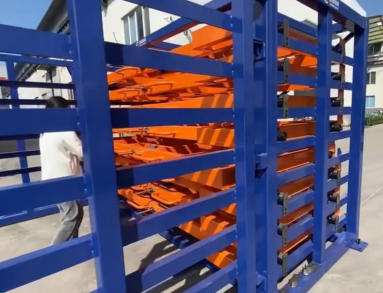
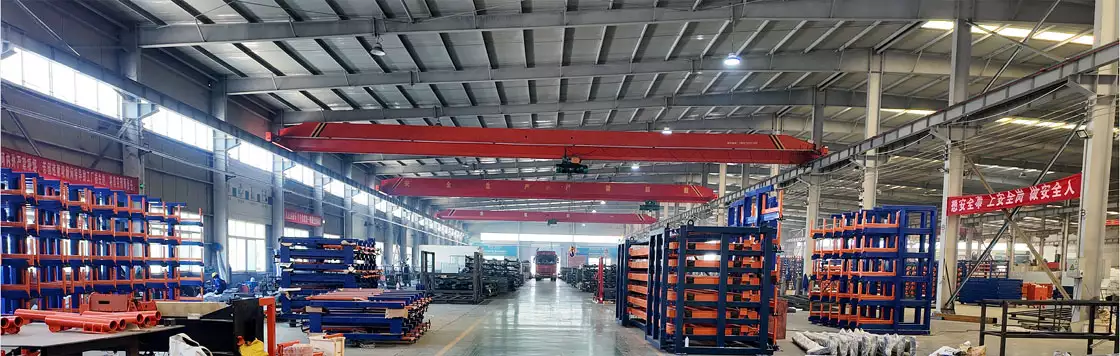
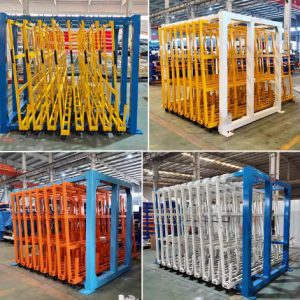
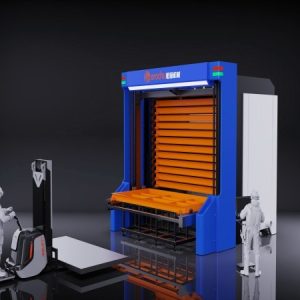
Color customization extends beyond aesthetic preference to functional organization. The powder coated finish can be applied in any RAL color code, allowing implementation of visual
management systems. For example, a facility might designate blue drawers for
raw materials, green for work-in-process, and red for finished goods awaiting shipment. This color coding reduces picking errors and accelerates material location during busy production periods. The
Customized Color option also ensures the
racks complement existing equipment or match corporate branding guidelines, creating a professional appearance for customer facility tours.
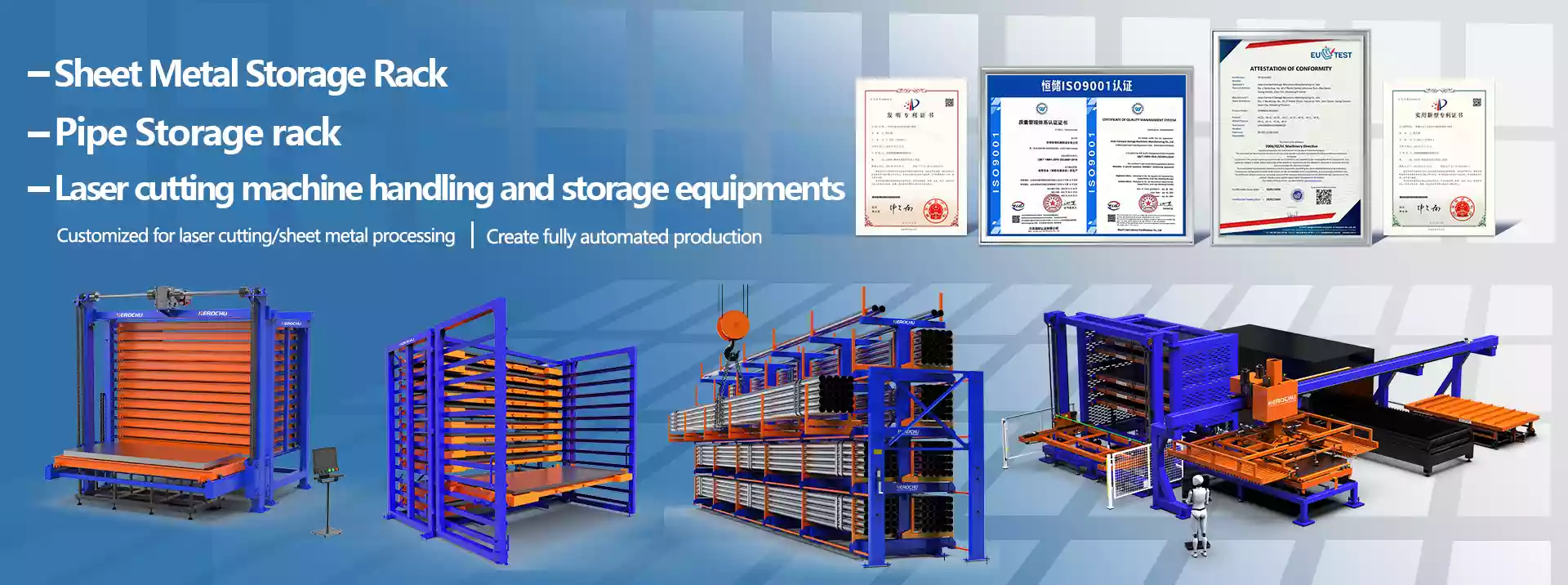
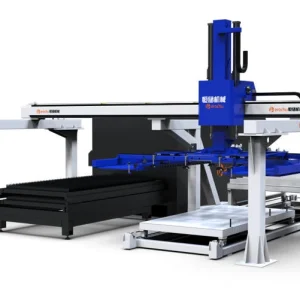
The integration with
laser cutting machines demonstrates the system’s specialized
design for modern
fabrication. In a typical laser cutting cell, the rack positions raw
sheet stock adjacent to the laser bed, often within crane reach. Operators extend the drawer, and an overhead crane or
vacuum lifter transfers the sheet directly to the cutting table. This proximity eliminates the
long travel distances common when materials are stored in distant
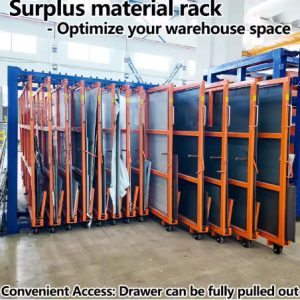
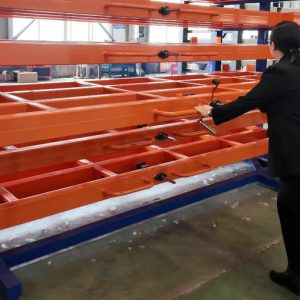
warehouse areas. The smooth drawer
sliding mechanism ensures quick access, while the complete extension capability allows retrieval of specific sheets without disturbing other inventory. This integration supports uninterrupted laser operation,
maximizing expensive cutting equipment utilization.
Shearing machine integration follows a similar pattern. Facilities
processing large volumes of cut-to-size blanks position the rack to receive sheared pieces directly from the outfeed side of the shear.
Organized drawers separate blanks by size, job number, or customer order, creating an efficient flow from cutting to downstream processes. The Heavy-duty construction withstands the impact of
heavy blanks sliding into drawers, while the powder coated finish prevents marring of sensitive material surfaces. This application-specific design consideration demonstrates the manufacturer’s understanding of real-world metalworking processes.
The
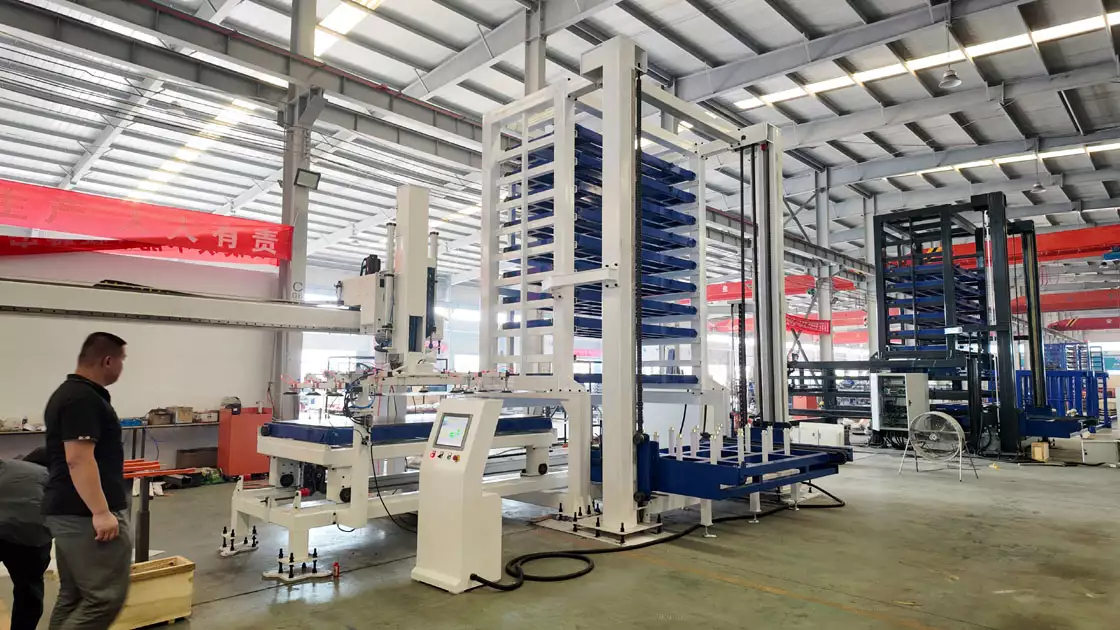
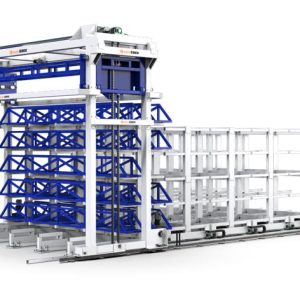
Automated Retrieval compatibility positions this system as a future-ready investment. While many facilities initially implement
manual operation, the
robust steel slide
rail technology and precise dimensional tolerances support future
automation. The drawers maintain consistent alignment whether loaded or empty, a critical requirement for robotic access. The structural rigidity prevents deflection that could misalign automated extractors. When a facility is ready to implement automated retrieval, the transition involves
integrating control systems and robotic components rather than replacing the storage infrastructure. This forward compatibility protects capital investment and allows staged automation implementation as budgets permit.
The Warehouse Rack classification encompasses multiple storage philosophies. While functioning excellently as static storage, the system also supports dynamic inventory management through its organized drawer configuration. Each drawer can be assigned to specific material grades, thicknesses, or project numbers, creating a logical storage schema that integrates with
warehouse management systems. Barcode or RFID tagging systems attach easily to the powder coated drawer fronts, enabling scanning during put-away and retrieval operations. This capability bridges the gap between traditional manual storage and
fully automated warehouses.
The Drive-In
Pallet Rack alternative aspect addresses space utilization challenges. Traditional drive-in systems require wide aisles for
forklift access and suffer from poor selectivity— accessing a pallet at the back requires removing all front
pallets. The
drawer-type system eliminates these inefficiencies. Each drawer extends independently, providing immediate access to any stored material without moving other inventory. The footprint
efficiency rivals or exceeds drive-in systems while delivering vastly superior
accessibility. This makes the drawer system ideal for facilities transitioning from bulk storage to organized, accessible inventory management.
Material characteristics support diverse
industrial applications. The Q235B
high-quality carbon steel construction provides the strength needed for
heavy loads while maintaining ductility to absorb impacts without fracturing. This material choice reflects extensive experience with industrial applications where equipment must withstand harsh treatment while maintaining
safety. The steel slide rail technology, machined from hardened steel alloys, resists wear even under continuous cycling with heavy loads. The
precision manufacturing ensures alignment within millimeters, preventing binding and ensuring smooth operation throughout the system’s service life.
Surface treatment options address specific environmental challenges. The standard powder coated finish provides excellent general-purpose protection against rust and corrosion. For exceptionally corrosive environments—such as coastal facilities, chemical processing plants, or
outdoor installations—enhanced coatings can be applied. These might include epoxy coatings, galvanization, or specialized chemical-resistant finishes. The Anti-Rust feature is not just a marketing claim but a fundamental design element that ensures long-term performance in demanding conditions.
The Foldable feature available on certain models supports facilities requiring temporary storage reconfiguration. While the primary market involves permanent installations, some applications benefit from the ability to collapse racks for relocation or storage during facility reorganization. This feature uses precision pivot points and locking mechanisms that maintain structural integrity when deployed while allowing
compact storage when folded. The engineering challenge involves creating folding mechanisms that don’t compromise the 3-ton-per-layer capacity, a problem solved through reinforced hinge designs and locking systems.
ESD Protection addresses the specialized needs of electronics manufacturing. When storing metal components for electronic enclosures, circuit board frames, or conductive parts, electrostatic discharge can damage sensitive electronic elements. Specialized ESD-safe coatings and grounding systems dissipate static charges, protecting both stored materials and personnel. This feature demonstrates the manufacturer’s ability to address niche requirements beyond standard industrial
metal storage.
Capacity customization extends the standard 3T/Layer rating to meet exceptional requirements. While the HC-B3015-63 model and similar standard units handle 3 tons per layer, engineered
solutions can increase capacity to 20 tons per layer for extreme applications. These heavy-duty versions employ thicker steel sections, reinforced slide rails, and enhanced welding procedures. The engineering team performs structural analysis to ensure safety factors meet or exceed international standards. This scalability means the same basic drawer-type concept serves applications from light-gauge
sheet metal to massive steel
plate storage.
The Application scope covers numerous industries. Electronics and
electrical appliance
manufacturers organize components and enclosures.
Machinery manufacturers store raw stock, fabrications, and assemblies. Pharmaceutical equipment producers maintain stainless steel components in clean-room compatible configurations. Logistics and distribution centers handling metal products achieve
high-density storage with excellent selectivity. Automotive manufacturers support production lines with organized material staging. The railway industry stores long sections and heavy plates. Petrochemical facilities maintain spare parts inventory in corrosion-resistant units. Textile machinery manufacturers organize complex assemblies and fabrications.
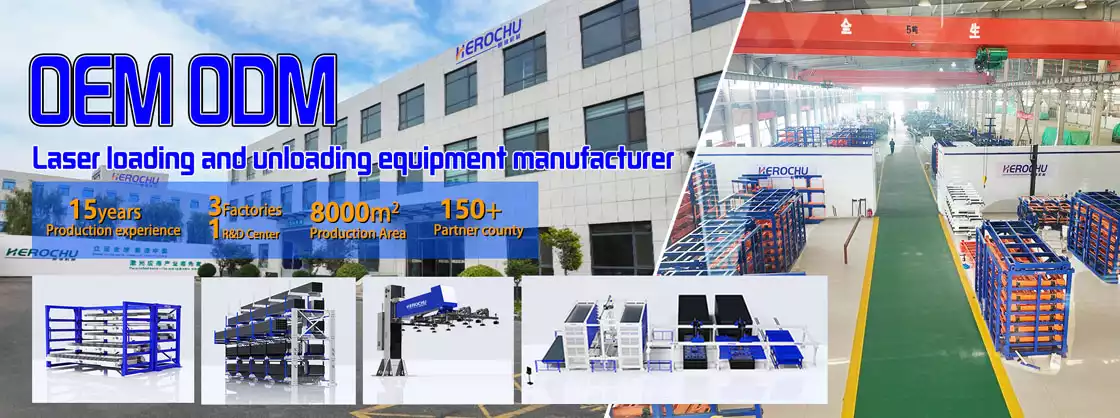
Jinan Hengchu Storage Machinery Manufacturing Co., Ltd. complements the
product with comprehensive services. Exclusive one-on-one service ensures each customer works with a dedicated representative who understands their specific application and requirements. Free design drawings eliminate the guesswork from planning and budgeting, providing accurate visualizations and specifications. On-site installation by experienced technicians guarantees proper assembly and operation. The professional after-sales team provides ongoing support, technical consultation, and assistance with expansions or modifications.
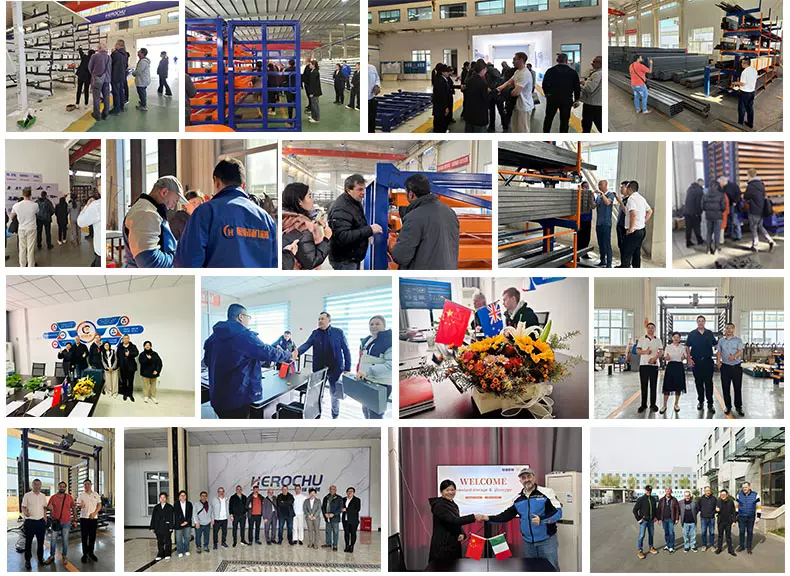
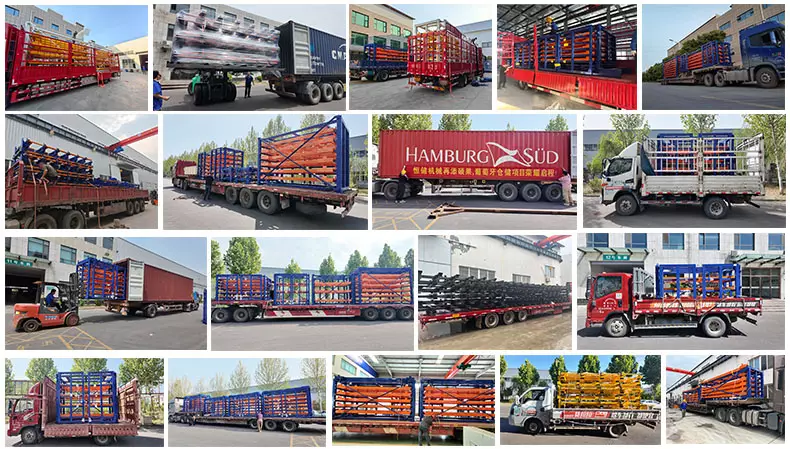
The global service capability demonstrates the manufacturer’s commitment to customer success. Technicians have traveled to facilities across the USA, South Korea, Russia, Qatar, Mexico, South Africa, Egypt, Lebanon, and numerous other countries. This international experience means understanding diverse regulatory environments, safety standards, and operational practices. Whether installing a
single rack or implementing a facility-wide storage system, the installation team ensures successful operation through professional assembly, alignment verification, load testing, and operator training.
Quality assurance processes provide confidence in long-term performance. The quality control department, operating under
ISO9001 standards, examines every component during production. Material certificates verify steel grade compliance. Weld inspection includes both visual examination and sample testing. The powder coating process involves pretreatment, coating thickness verification, and adhesion testing. Load testing validates performance under rated capacity, including drawer extension cycles and structural deflection measurement. This rigorous quality system ensures each rack performs reliably in demanding
industrial environments.
For customers requiring single units or small quantities, the no minimum order quantity policy provides flexibility. Whether purchasing one rack for a pilot installation or equipping an entire facility, the pricing structure and service level remain consistent. This approach supports small
fabrication shops and large manufacturing enterprises equally, democratizing access to high-quality
industrial storage solutions.
Providing
storage rack requirements is straightforward. Customers share material types, dimensions, quantities, and any special needs. The engineering team develops proposals with detailed specifications, 3D renderings, and quotations. This consultative approach ensures the final solution matches operational requirements precisely, avoiding the compromises common with off-the-shelf products. The process typically involves initial consultation, design development, quotation, revision if needed, and final approval before manufacturing begins.
In summary, the customizable drawer-type
metal shelves deliver engineered
storage solutions that integrate seamlessly with modern manufacturing processes. The combination of customization capability, heavy-duty construction, automation readiness, and comprehensive support creates value for facilities seeking to optimize material handling and storage operations. For
laser cutting integration, automated retrieval preparation, or
general warehouse organization, these racks provide the foundation for improved efficiency and competitiveness.