
Automated Material Handling with Cantilever Arm Technology for Industrial Loading Applications
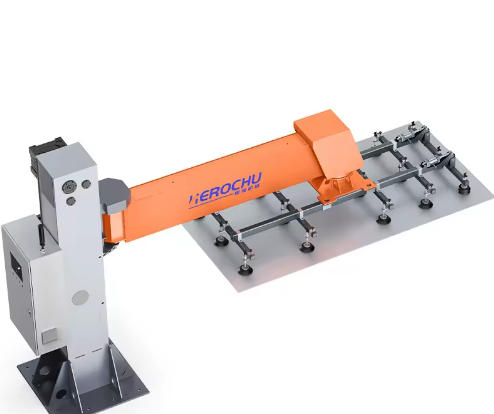
Industrial loading operations represent the circulatory system of manufacturing facilities, moving raw materials to processing stations and finished components to assembly areas. When this circulation slows, the entire production organism suffers. The Automated Material Handling Manipulator with Cantilever Arm for Industrial Loading addresses this critical function through engineering that prioritizes speed, precision, and reliability. This servo-driven cantilever manipulator transforms loading operations from occasional bottlenecks into consistently flowing contributors to production throughput.
Automated Material Handling with Cantilever Arm Technology for Industrial Loading Applications
Maximizing Factory Throughput Through Intelligent Servo-Driven Cantilever Manipulator Design
Industrial loading operations represent the circulatory system of manufacturing facilities, moving raw materials to processing stations and finished components to assembly areas. When this circulation slows, the entire production organism suffers. The Automated Material Handling Manipulator with Cantilever Arm for Industrial Loading addresses this critical function through engineering that prioritizes speed, precision, and reliability. This servo-driven cantilever manipulator transforms loading operations from occasional bottlenecks into consistently flowing contributors to production throughput.
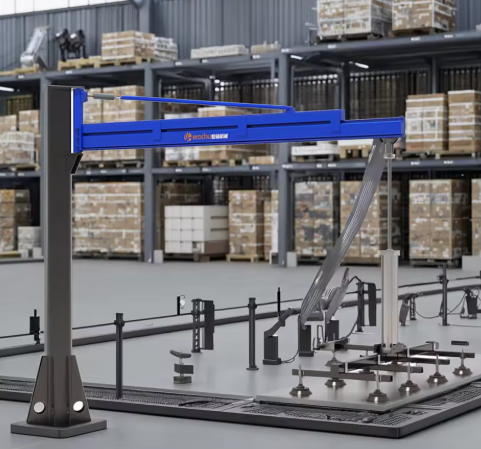
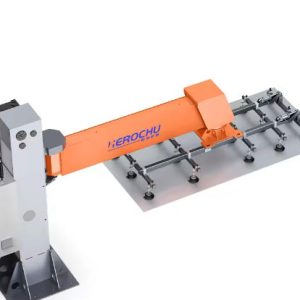
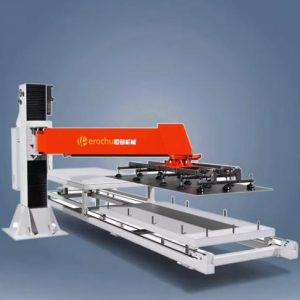
The cantilever arm configuration offers distinct advantages over alternative material handling geometries in industrial loading applications. Unlike gantry systems that require substantial overhead space and extensive structural support, the cantilever design extends from a compact base that occupies minimal floor area while reaching across work zones to access machinery and storage locations. This space-efficient arrangement proves particularly valuable in facilities where every square meter carries production value and floor space cannot be sacrificed to accommodate material handling equipment.
Structural analysis of the cantilever arm reveals the engineering challenges overcome in its design. Supporting loads up to 1000 kilograms at the end of an extended arm creates substantial bending moments that must be managed through careful material selection and cross-sectional design. High-strength steel alloys form the arm structure, with finite element analysis guiding the distribution of material to maximize stiffness while minimizing weight. The resulting structure deflects minimally under load, maintaining positioning accuracy that direct observation might suggest impossible for an extended cantilever configuration.
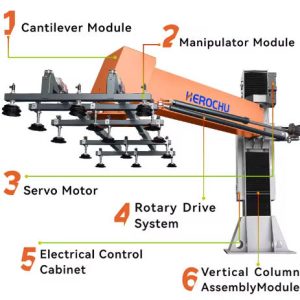
The servo-driven articulation at the base of this cantilever arm provides rotational movement that brings the business end of the manipulator into alignment with workpieces positioned throughout its operating envelope. This rotation, combined with the vertical lifting motion of the servo synchronous mechanism, creates a cylindrical coordinate system that proves intuitive for operators to visualize and control. Materials move radially by extending or retracting the arm, vertically through lifting mechanism operation, and angularly through base rotation, providing complete coverage of the work cell with minimal operator training requirements.
Power transmission in this automated material handling manipulator deserves careful examination, as the methods used directly impact both performance and maintenance requirements. The high torque servo motor drives a reduction gearbox that multiplies torque while smoothing rotational increments to imperceptible levels. This gear train operates in an oil bath that provides continuous lubrication and cooling, extending component life beyond what grease-lubricated open gears could achieve. Seals at all shaft penetrations contain this lubricating oil while excluding contaminants that would accelerate wear in less protected designs.
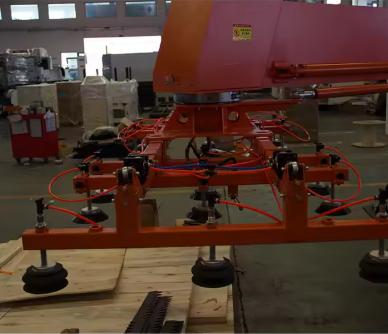
Industrial loading applications demand handling equipment that adapts to varying material characteristics rather than requiring material preparation to suit equipment limitations. This manipulator’s multiple suction cup arrays, with their individual opening and closing valves, accommodate significant variation in workpiece geometry without requiring tooling changes. A single setup handles solid sheets, frames with openings, perforated materials, and assemblies with protruding components by simply deactivating suction cups that would otherwise attempt to seal against empty space or interfere with workpiece features.
The 120-degree smooth arm swing incorporated into this manipulator’s design philosophy reflects understanding that industrial loading rarely involves simple point-to-point transfers. Materials often must move from infeed conveyors to processing stations, then to inspection areas, and finally to outfeed equipment, with each transfer requiring different approach angles and release positions. The generous sweep angle allows a single manipulator to service multiple destinations without requiring repositioning of its base, simplifying work cell layout and reducing the number of handling devices required.
Vacuum system design in this automated manipulator incorporates lessons learned from decades of industrial handling experience. The SNS pneumatic components provide rapid vacuum generation when suction cups contact workpieces, minimizing the delay between cup contact and secure grip establishment. Check valves at each cup prevent vacuum loss when individual cups encounter surface irregularities that prevent sealing, maintaining overall system integrity through localized isolation rather than system-wide pressure drop. This distributed vacuum architecture proves particularly valuable when handling materials with surface coatings, light rust, or other conditions that challenge uniform sealing.
Electrical cabinet manufacturing represents a primary application for this cantilever arm manipulator, with good reason. Electrical enclosures typically arrive at fabrication facilities as flat sheets requiring cutting, forming, welding, and finishing before assembly. Each processing step requires material transfer, and each transfer presents opportunities for surface damage that would compromise the enclosure’s cosmetic appearance. The manipulator’s suction cups contact only one surface of each sheet, and that surface typically becomes the interior of the finished enclosure where minor marking matters little. Exterior surfaces remain untouched throughout processing, preserving their appearance for final product presentation.
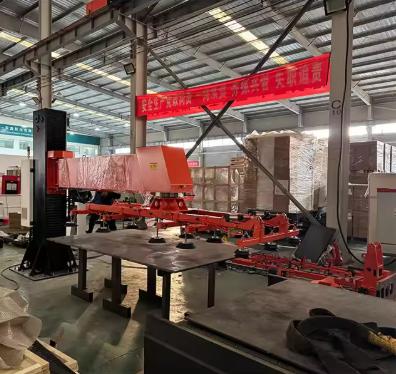
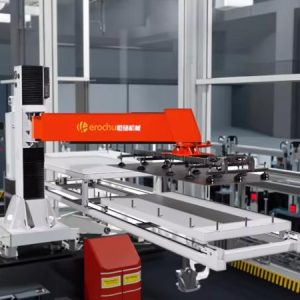
Metal sheet manufacturing industries similarly benefit from this manipulator’s capabilities. Service centers processing coil into sheet and distributing to manufacturers handle tremendous volumes of material daily, with profitability depending on efficient movement with minimal damage. The servo swing arm manipulator transfers sheets from slitting lines to stacking stations, from storage racks to packaging lines, and from receiving docks to inventory locations with speed that manual handling could never match. The precision positioning capability ensures stacks align properly for banding and shipping, reducing repackaging requirements and improving customer perception of delivered material quality.
The Omron CNC control system serving as the manipulator’s electronic brain provides capabilities extending far beyond simple motion control. This industrial controller executes programmed sequences that automate repetitive handling operations, freeing operators to focus on quality verification and process optimization rather than manual machine manipulation. Programs store in non-volatile memory, allowing instant recall of setup parameters when production runs repeat. Communication interfaces connect the manipulator to factory networks, enabling coordination with upstream and downstream equipment for fully automated material flow.
Power outage safety protection in this automated manipulator addresses the most serious risk associated with powered material handling equipment: uncontrolled load descent during electrical supply interruption. The system continuously monitors power availability, and upon detecting interruption, immediately engages mechanical brakes that lock all motion axes in position. These brakes hold the load securely regardless of weight, preventing the sudden release that would occur if the system relied solely on motor holding torque. When power returns, the control system verifies brake release before enabling motion, ensuring operators maintain positive control throughout the recovery process.
The emergency stop protection circuitry meets international standards for industrial equipment safety, with redundant components and self-checking logic that verifies proper function continuously. Multiple emergency stop devices distributed around the work cell allow operators to initiate safety stops from any position, with the control system responding by removing power from all motion drivers and engaging brakes. This distributed emergency stop capability proves particularly valuable when operators must approach the manipulator’s work envelope from different directions during normal operation.
Installation requirements for this automated material handling manipulator reflect careful planning for real-world factory conditions. The base mounts to standard industrial concrete floors using anchor bolts that distribute operating loads across substantial area, eliminating the need for special foundations or structural reinforcement. Electrical connections require standard three-phase power at voltages matching local utility supplies, with control voltage derived internally through integrated power supplies. Compressed air connections use standard industrial fittings, simplifying installation by maintenance personnel familiar with facility systems.
Operator training for this cantilever arm manipulator typically requires hours rather than days, thanks to intuitive controls and logical operating sequences. New operators quickly develop proficiency in basic material transfers, with skill refinement continuing through normal production rather than requiring extended off-line training. This rapid skill development proves particularly valuable in facilities experiencing operator turnover or those expanding production capacity with new hires lacking extensive material handling experience.
Maintenance requirements for servo-driven equipment differ significantly from those for hydraulic or pneumatic manipulators, with implications for facility maintenance departments. Servo systems require periodic verification of tuning parameters, occasional replacement of batteries backing encoder position memory, and inspection of cabling for flexing damage. These tasks fall within the capabilities of electrically oriented maintenance personnel, whereas hydraulic system maintenance requires specialized knowledge of fluid power components and contamination control practices that many facilities struggle to maintain.
The economic case for automated material handling manipulator investment rests on several factors that together deliver attractive returns. Direct labor reduction represents the most obvious benefit, with a single operator handling materials that might otherwise require multiple workers or extensive crane time. Indirect savings from reduced material damage, decreased workplace injuries, and improved equipment utilization often equal or exceed direct labor savings in well-managed facilities. When these benefits combine, payback periods frequently fall below eighteen months even for premium equipment with advanced features.
Throughput improvement resulting from manipulator installation often surprises facilities that underestimated the impact of material handling constraints on production capacity. Processing equipment that previously waited for materials now operates continuously, with the manipulator delivering sheets as fast as the equipment consumes them. This elimination of waiting time increases effective capacity without requiring additional processing equipment, effectively providing new production capability at the cost of handling equipment alone.
Quality improvements traceable to manipulator use include reduced surface damage from handling, consistent positioning for processing operations, and decreased rework from handling-induced distortion. Each of these quality factors affects both production costs and customer satisfaction, with benefits that extend through the entire manufacturing operation. Facilities tracking quality metrics typically observe improvement following manipulator installation, with gains sustained as operators develop increasing skill with the equipment.
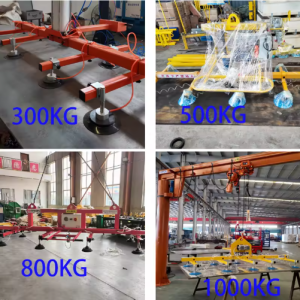
The 300-1000kg load capacity range covered by available models accommodates the vast majority of industrial loading applications, from light gauge sheet processing to heavy plate fabrication. Facilities working primarily with lighter materials select models optimized for their weight range, avoiding unnecessary investment in capacity they will never use. Those handling the heaviest materials select top-of-range models with appropriate structural reinforcement and safety margins for their applications. This capacity tailoring ensures appropriate equipment specification without over-specification that would increase costs unnecessarily.
Future expansion capabilities built into this manipulator’s design protect capital investments against changing production requirements. Control system architecture accommodates additional I/O points for future automation integration, mechanical mounting points accept optional accessories, and software supports feature activation as needs evolve. Facilities purchasing this equipment today retain flexibility to adapt as their operations grow and change, rather than facing obsolescence when production requirements shift.
The CE marking affixed to this equipment represents more than regulatory compliance; it demonstrates commitment to safety and quality that benefits every facility operating the manipulator. This marking requires documented design reviews, risk assessments, and testing that verify equipment safety before market introduction. Purchasers gain confidence that the manipulator they receive has undergone rigorous evaluation, not merely minimal compliance checking.
In summary, the Automated Material Handling Manipulator with Cantilever Arm for Industrial Loading delivers capabilities that directly address the challenges facing modern manufacturing facilities. Through its combination of servo-driven precision, robust mechanical design, comprehensive safety systems, and operational efficiency, this manipulator enables production improvements that translate directly to competitive advantage. Facilities investing in this technology position themselves for success in demanding manufacturing environments where material handling excellence separates industry leaders from also-rans.
FAQ
Here are some frequently asked questions about our sheet metal racks and pipe storage solutions. We hope you find them helpful!
Q1: Can I request a custom size or color?
Absolutely. We offer complimentary design services and deliver efficient, tailored solutions to meet your specific requirements.
Q2: Are you a manufacturer or a distributor?
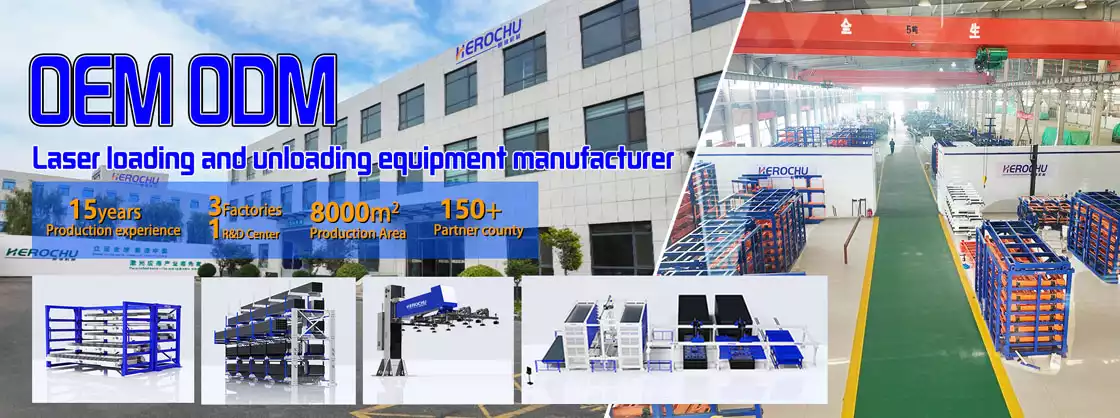
We are a direct manufacturer with over 15 years of industry experience and expertise.
Q3: Is there a minimum order quantity?
No. We welcome orders of any size, starting from a single unit.
Q4: How can I get detailed product information?
Click the “Get a Quote” button to receive product images, detailed specifications, and videos. Our team is always ready to assist.
Q5: How do I provide my storage rack requirements?
Simply share the type, dimensions, and quantity of materials you plan to store, along with any other specific needs. We will develop a professional storage solution for you. Alternatively, leave your contact details for a personalized consultation.
Q6: Do you offer automated loading systems or robotic arms?
Yes. We provide loading robotic arms and integrated loading/unloading systems tailored to your laser cutting machine’s table size and material handling method (e.g., board rack, exchange platform, or material warehouse). Contact us with your details for a customized proposal.
Q7: Do you provide on-site installation and debugging?
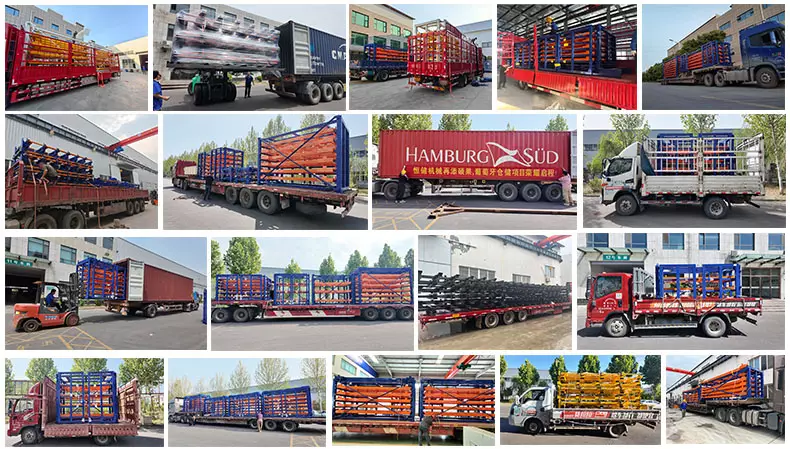
Yes. Our technicians can travel to your facility for installation and debugging, ensuring successful operation. We have served clients globally, including in the USA, South Korea, Russia, Qatar, Mexico, South Africa, Egypt, and Lebanon.
Q8: How do you ensure product quality?
Our quality assurance includes:
A team of over 40 technical engineers for professional debugging and support.
A dedicated quality control department compliant with ISO9001 standards.
CE certification for all exports.
Rigorous load testing before shipment to ensure structural safety and reliability.
Q9: Where is your factory located?
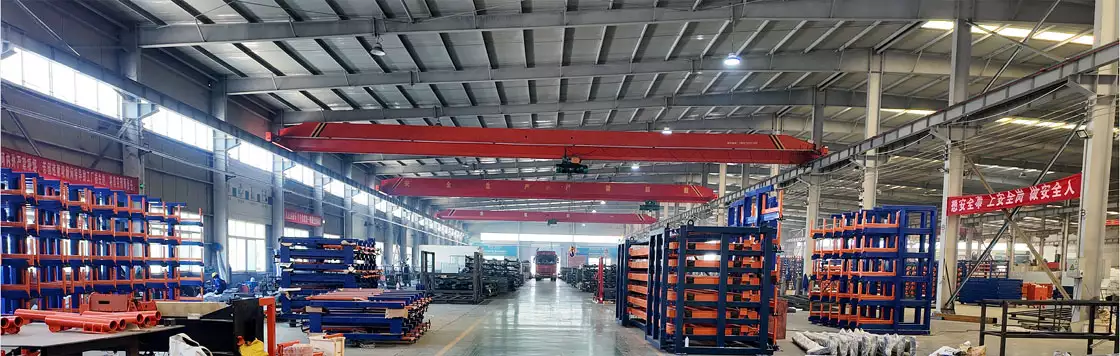
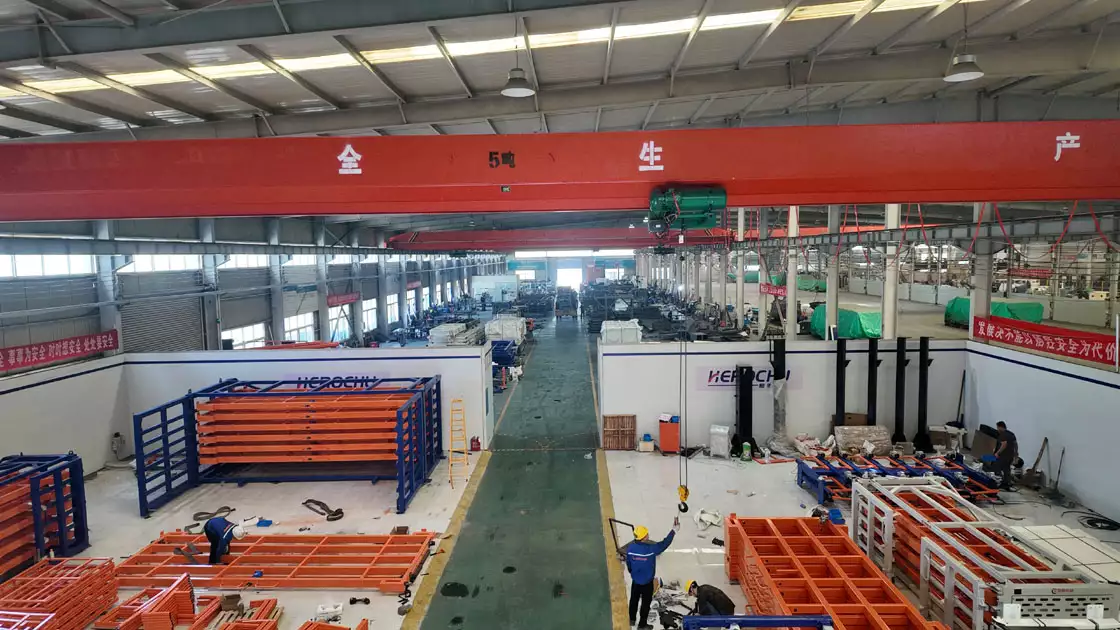
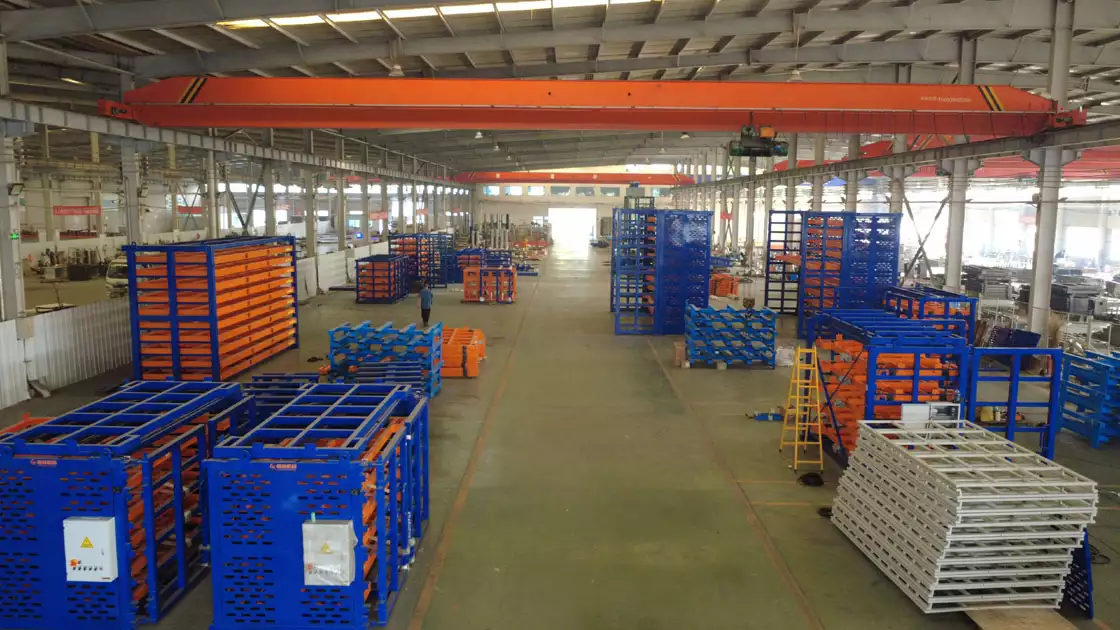
Our modern 10,000-square-meter manufacturing facility is located in Jiyang Industrial Park, Jinan, Shandong, China.
Q10: How can I evaluate your company’s capabilities?
We offer virtual video factory tours and warmly welcome on-site visits.
Q11: What does your company specialize in?
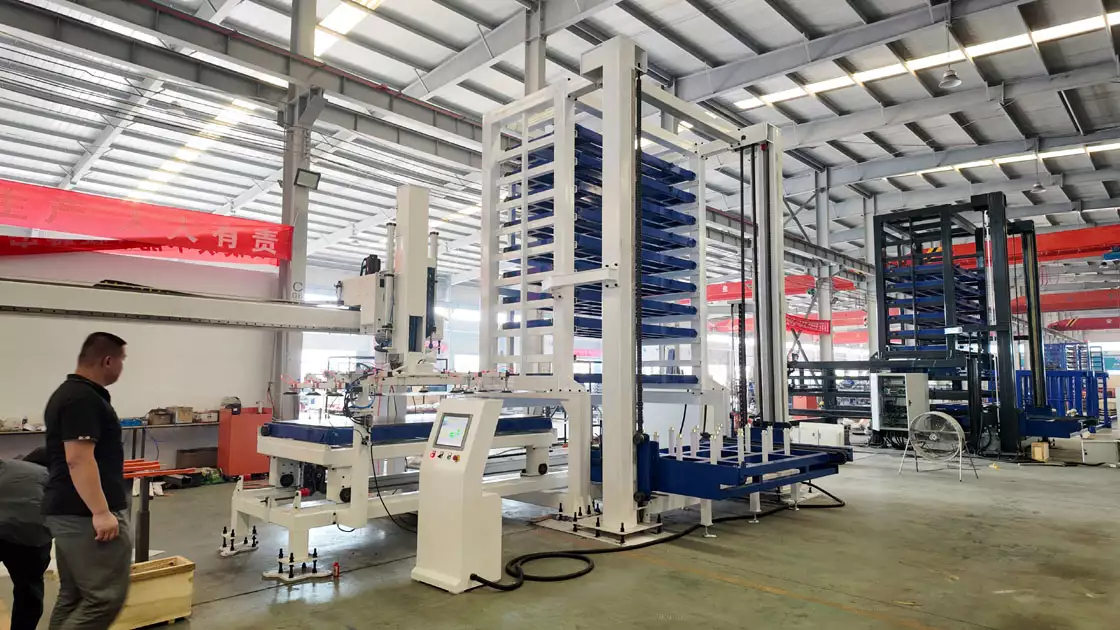
Jinan Constant Storage Machinery Manufacturing Co., Ltd. is a high-tech enterprise specializing in the R&D, production, sales, installation, and service of intelligent storage solutions. Our product range includes sheet material warehouses, drawer-style shelves, cantilever racks, servo manipulators, gantry loaders, and fully automated handling systems. Supported by a skilled technical team and advanced equipment, we are committed to delivering high-performance storage products and solutions to customers worldwide.
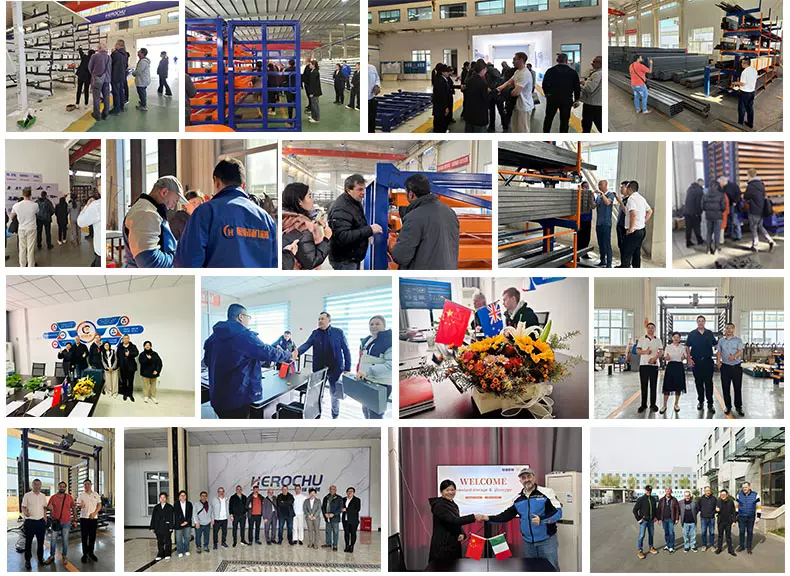
Customer visit
Herochu has always been adhering to the market-centric approach to meet customer requirements to the maximum extent, and the business philosophy of “creating brands with heart and gaining reputation with sincerity”. It provides customers with high-quality products and services with rigorous military quality, professionalism, and excellence, and has won unanimous praise in the Chinese aerospace, Chinese weapons, Chinese railways, automobile manufacturing, engineering machinery, non-ferrous metal titanium alloy and other industries.
Factory

Hot Selling Machines
-
Sheet Metal Handling Equipment
Laser-Based Loading Equipment with Dual Vacuum System Achieves New Standards in Automated Sheet Metal Component Handling
Read moreRated 0 out of 5 -
Sheet Metal Handling Equipment
High-Precision Fully Automatic Metal Sheet Handling Robot Arm for Heavy Industrial Applications
Read moreRated 0 out of 5 -
Sheet Metal Handling Equipment
Automated Material Handling with Cantilever Arm Technology for Industrial Loading Applications
Read moreRated 0 out of 5 -
Swing Arm Servo Manipulator
Fully Automatic Servo Swing Arm Handling Manipulators in Modern Manufacturing
Read moreRated 0 out of 5 -
Swing Arm Servo Manipulator
New Fully Automatic Servo Swing Arm Handling Manipulator
Read moreRated 0 out of 5 -
Heavy Duty Cantilever Racking Systems
Heavy-Duty & Customizable Hand-Cranked Pipe Rack for Tube Storage Solution
Read moreRated 0 out of 5 -
Heavy Duty Cantilever Racking Systems
Heavy-Duty Large Load Capacity Pipe Warehouse Storage Cantilever Racks
Read moreRated 0 out of 5 -
Heavy duty sheet metal storage racks
Heavy-Duty Double-sided Cantilever Rack for Large-Scale Warehouse Storage
Read moreRated 0 out of 5
Related products
-
Automated Storage Systems
Heavy-Duty Drawer Storage for Sheet Metal Automatic plate storage warehouse
Read moreRated 0 out of 5 -
Automated Storage Systems
Industrial storage racks manufacturers | Sheet metal storage systems
Read moreRated 0 out of 5 -
Automated Storage Systems
Automatic Metal Sheet Storage Warehouse Heavy Duty Storage Shelving Unit
Read moreRated 0 out of 5
Product Categories