Meta Description: Learn how a long span metal rack for warehouse storage can revolutionize your operations. Explore design types, capacity planning, and layout strategies.
Target Keyword: Long Span Metal Rack for Warehouse Storage
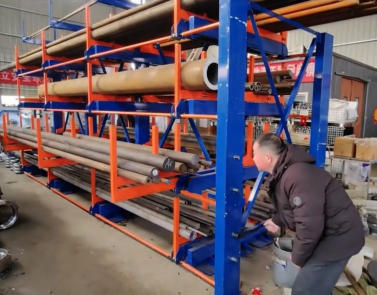
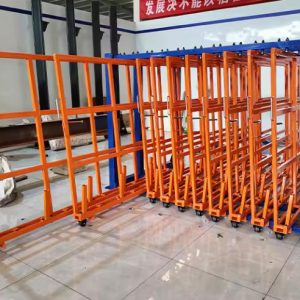
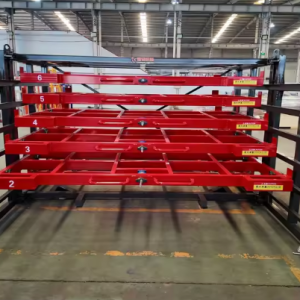
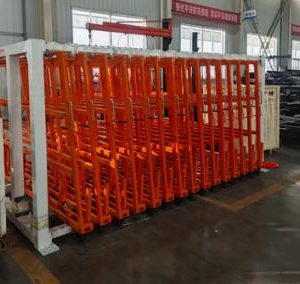
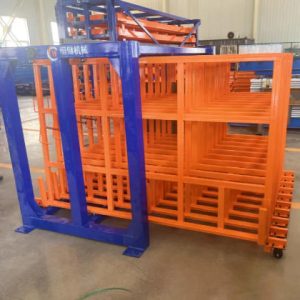
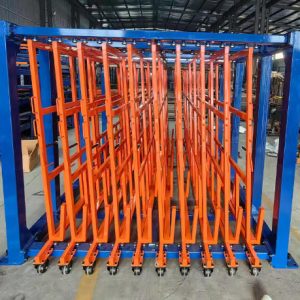
Warehouses are the beating heart of the supply chain, and their efficiency hinges on the ability to store goods safely and accessibly. For facilities handling long, bulky items like metal stock, lumber, or piping, the choice of storage system is critical. A long span metal rack for warehouse storage offers a robust and versatile solution, bridging the gap between light-duty shelving and heavy-duty structural racking. These systems are designed to manage substantial loads over wide horizontal distances, providing uninterrupted storage lanes that maximize density and accessibility.
The Structural Superiority of Long Span Systems
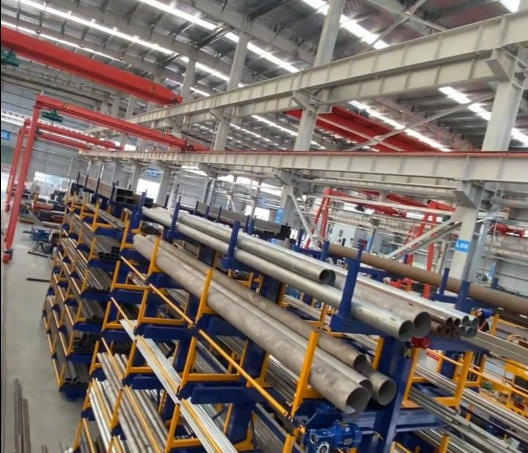
What defines a long span metal rack is its ability to support significant weight across wide bay openings without the need for intermediate uprights. This is achieved through the use of heavy-gauge, roll-formed steel beams that are engineered to resist bending and deflection. This design philosophy directly addresses the primary storage need for long materials: uninterrupted support.
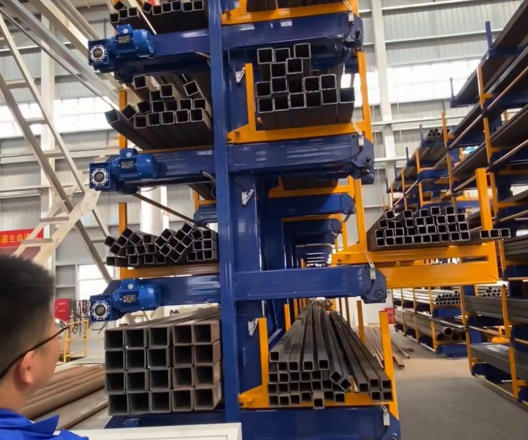
Unlike standard pallet racking, where the width is limited by the pallet size, long span racks can be configured in lengths that match your inventory, from 8 feet to 20 feet or more. This creates a continuous storage surface, ideal for:
- Bulk Storage of Bundled Goods: Storing bundles of lumber, conduit, or rebar in a single, long lane allows for easy drop-off and retrieval without splitting the bundle across multiple racks.
- Mixed-Length Inventory: A long span configuration can accommodate a 12-foot bar and an 18-foot bar in the same bay by simply adjusting the position of support beams or using a full-length deck.
- Handling Non-Standard Items: Long spans are perfect for storing furniture, large crates, or machinery bases that exceed the footprint of a standard pallet.
The metal construction ensures longevity and high load capacity, typically ranging from 1,000 to 5,000 pounds per level, making them suitable for even the densest metal storage applications.
Load Capacity Planning for Diverse Warehouse Inventories
Selecting the right long span metal rack requires a thorough analysis of your inventory. It’s not just about the weight of a single item, but the cumulative load on a beam level and the overall rack structure. A common pitfall is underestimating dynamic loads—the forces exerted when a forklift places a heavy bundle onto the rack. This impact can be significantly higher than the static weight of the material.
When planning your rack layout, consider these load factors:
- Uniformly Distributed Load (UDL): This is the primary rating for long span racks. Ensure the beam’s UDL capacity matches the weight of the material when spread evenly across the span.
- Point Loads: If you are storing heavy individual items, the rack deck (if installed) must be able to handle concentrated weight. Steel panels or wire decks can help distribute point loads more effectively.
- Vertical Load Transfer: The upright frames must be capable of supporting the total weight of all beams and stored materials above them. This cumulative weight is transferred down to the warehouse floor, which must also have sufficient load-bearing capacity.
Advanced warehouse operations often integrate their long span metal racks with sophisticated Warehouse Management Systems (WMS). By assigning barcodes or RFID tags to each bay, inventory becomes trackable in real-time. A construction supply distributor in Texas, for instance, utilized barcode-scanned long span bays and reduced picking errors by 92%. This integration ensures that the right material is retrieved the first time, every time, which is crucial for maintaining productivity.
Strategic Layout for Enhanced Workflow
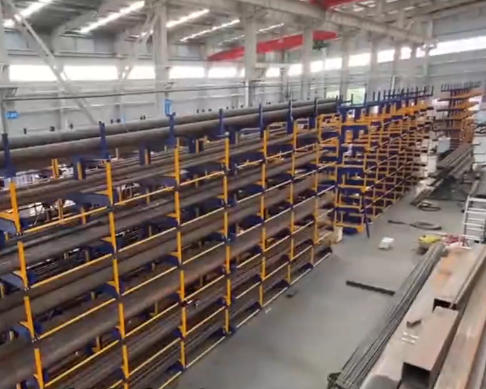
The physical layout of your long span metal racks is just as important as their structural capacity. Poor layout can lead to long travel times and traffic jams, erasing the gains made by the racking itself. Best practices for optimizing warehouse flow include:
- Orienting Racks: Align rack rows perpendicular to the longest wall of the warehouse. This orientation typically provides the longest, most efficient travel paths for forklifts and minimizes the turning radius required to enter an aisle.
- Aisle Width Planning: Determine aisle width based on your material handling equipment. A counterbalance forklift requires a much wider aisle than a reach truck or a sideloader. Narrower aisles increase storage density but require more specialized equipment.
- Zoning by Velocity: Place racks containing high-turnover items closest to the shipping and receiving areas. Slower-moving stock can be stored in the deeper zones of the warehouse.
A well-planned long span metal rack system transforms a warehouse from a passive storage area into a dynamic component of the production or distribution process. It ensures that materials are not only stored safely but are also positioned for rapid deployment, directly contributing to a faster, more responsive supply chain.