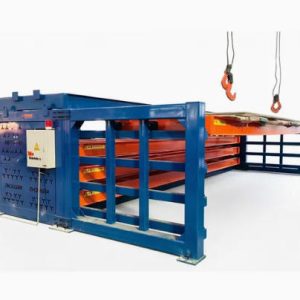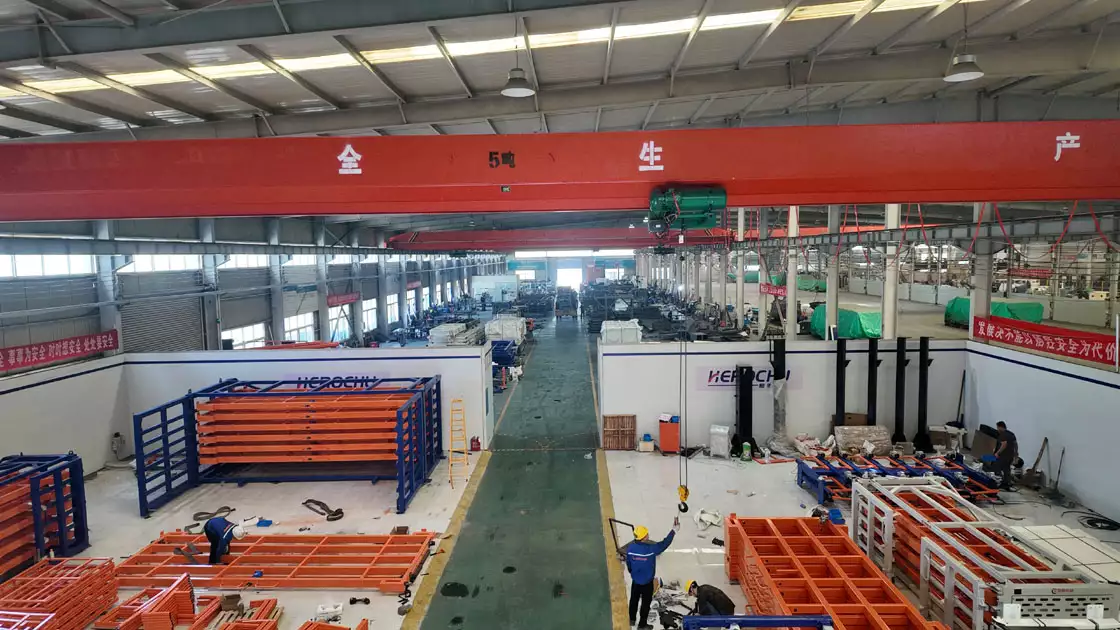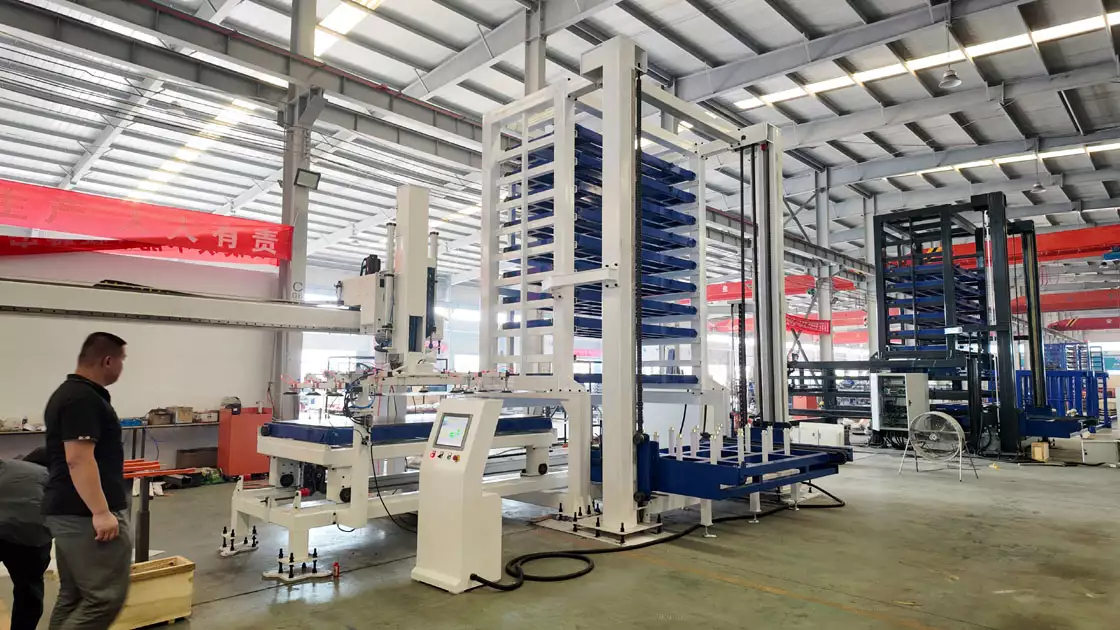
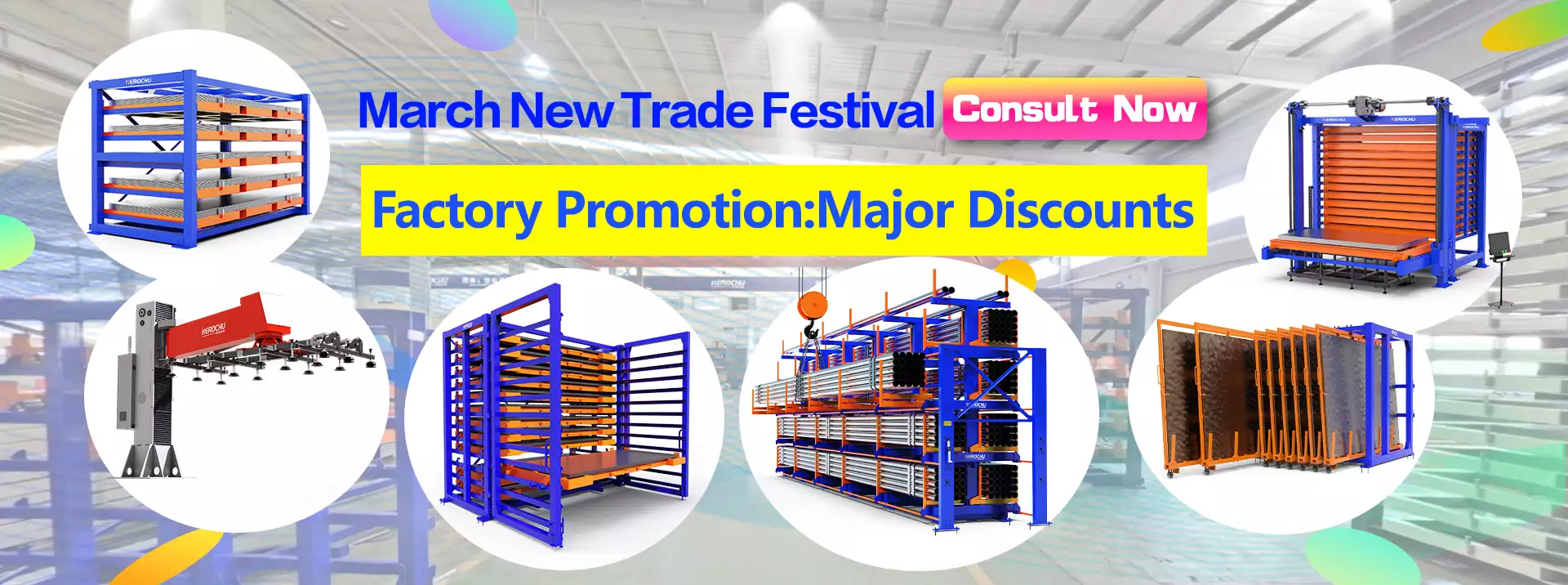
In the fast-paced world of industrial manufacturing and metal fabrication, the efficient management of raw materials is not just a logistical concern—it is a critical component of operational success. The storage of steel plates, aluminum sheets, and other metal stock presents unique challenges due to the sheer weight, varying dimensions, and the necessity for rapid retrieval. Traditional stacking methods often lead to safety hazards, material damage, and wasted floor space. Enter the Heavy Duty Drawer Type Sheet Metal Rack for Steel Plate, a specialized storage solution engineered to transform how warehouses and workshops handle heavy metal inventory.
This comprehensive guide explores the engineering, operational benefits, and strategic advantages of implementing a drawer-type storage system in your facility.
The Challenge of Horizontal Metal Storage
Storing sheet metal horizontally is the industry standard for preventing warping and maintaining material integrity. However, horizontal storage often devolves into chaotic piles. When sheets are stacked directly on top of one another on a flat surface, retrieving a specific sheet from the bottom of a stack becomes a dangerous and time-consuming task. It requires heavy machinery, multiple personnel, and creates a significant risk of injury or damage to the material.
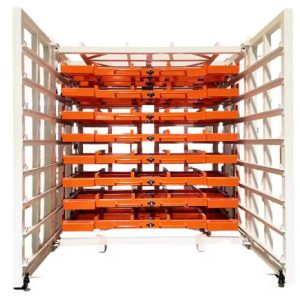
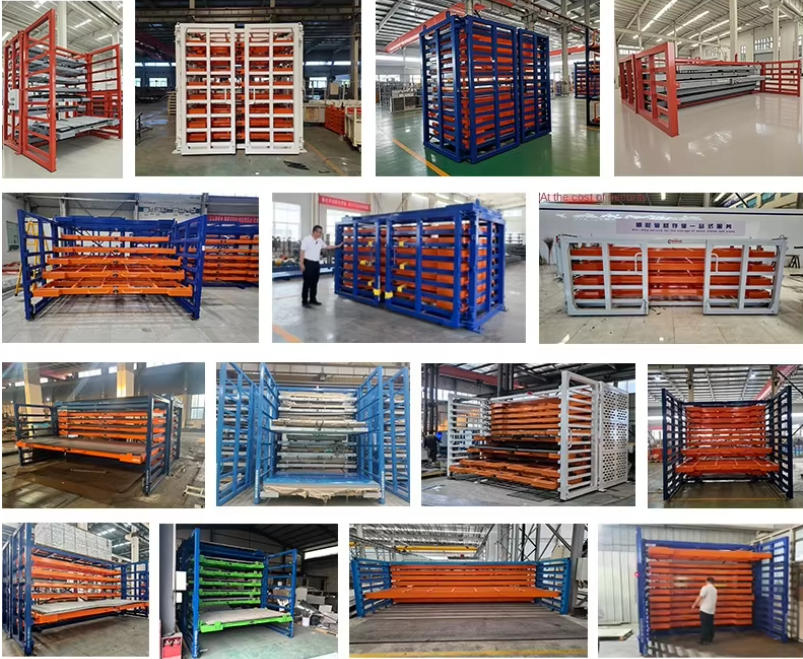
A Heavy Duty Drawer Type Sheet Metal Rack solves this by compartmentalizing the storage. By utilizing a cantilever-style drawer mechanism, every single sheet becomes individually accessible. This “first-in, first-out” accessibility is crucial for inventory management and ensures that the specific grade or thickness of steel required for a job can be retrieved in minutes, not hours.
Engineering and Construction
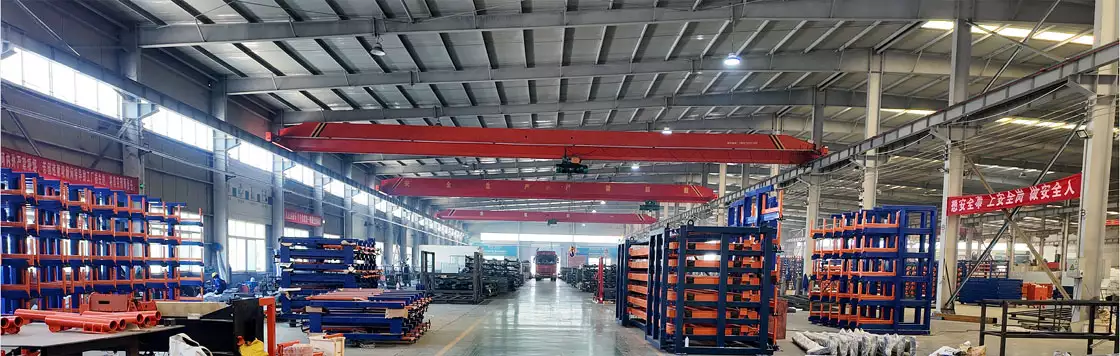
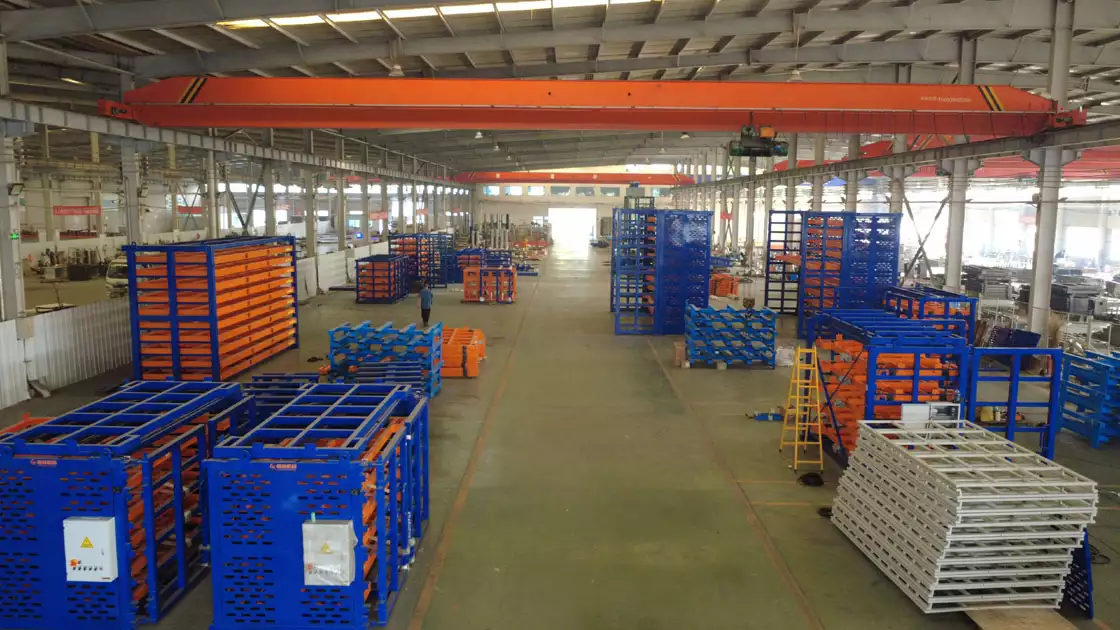
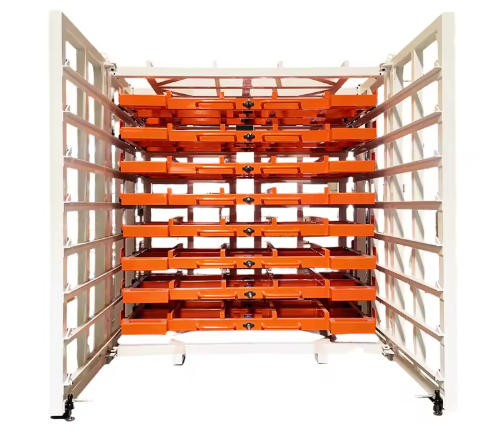
The core of this storage system lies in its robust construction. Designed to handle immense loads, these racks are typically fabricated from high-grade structural steel (such as Q235). The “drawer” is not a simple shelf; it is a reinforced platform mounted on heavy-duty bearings or rollers.
Key Structural Specifications:
- Load Capacity: The system is rated for extreme weights, with standard configurations supporting 1 to 5 tons per layer. Custom engineering can push this capacity to 20 tons per layer, making it suitable for thick steel plates and dense alloys.
- Dimensions: To accommodate standard industry sheet sizes, these racks are highly customizable. Common footprints include widths of 1500mm and 2000mm, with lengths extending up to 6000mm.
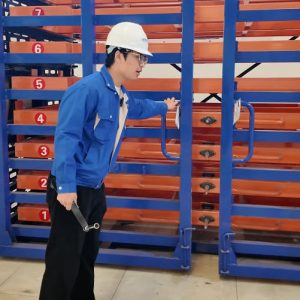
- Vertical Configuration: A standard unit often features a “5+1” or “6+1” configuration—meaning five or six pull-out drawers plus a top fixed shelf. This maximizes vertical cube utilization without sacrificing accessibility.
The use of high-quality bearings (such as the 6308 series) ensures that even when fully loaded with several tons of steel, the drawer can be extended with minimal friction. For heavier loads, the system can be upgraded to electric extension mechanisms, removing the physical strain from the operator entirely.
Operational Efficiency and Workflow
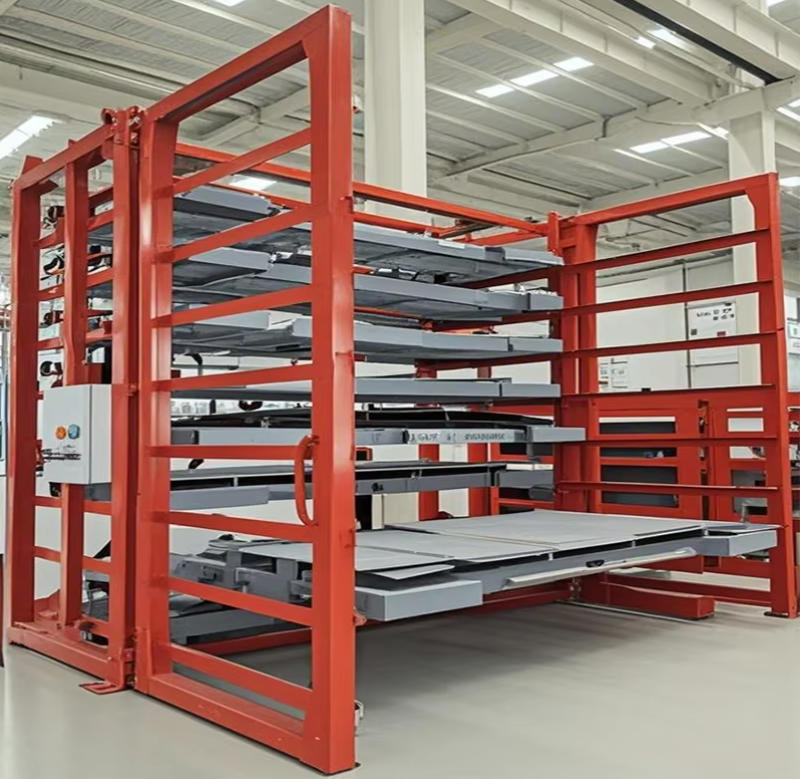
The primary selling point of the Heavy Duty Drawer Type Sheet Metal Rack is the drastic reduction in handling time. In a traditional rack, an operator might need to use an overhead crane to remove the top three sheets of a stack just to get to the fourth one. With a drawer system, the process is streamlined:
- Access: The operator approaches the rack.
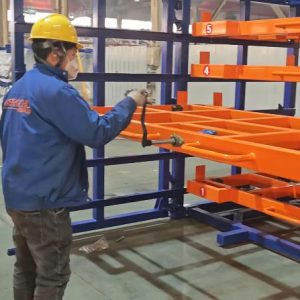
- Extend: The specific drawer containing the required material is pulled out (manually or electrically).
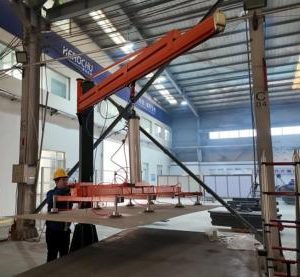
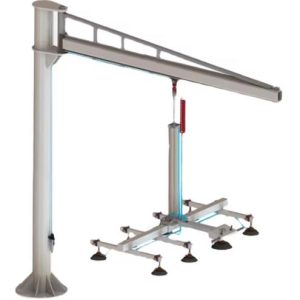
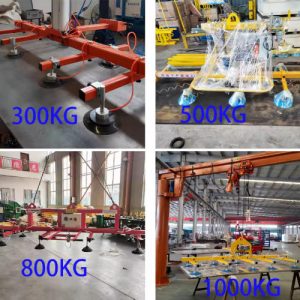
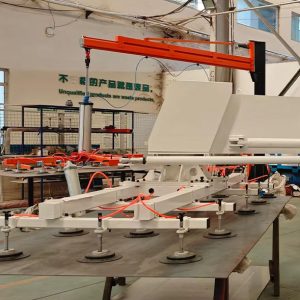
- Retrieve: Using a vacuum lifter, jib crane, or forklift attachment, the sheet is removed directly from the drawer.
This workflow reduces labor time significantly. It allows a single operator to manage material retrieval that previously required a team. Furthermore, because the drawers extend 100% outside the rack frame, the entire sheet is exposed, allowing for easy attachment of lifting magnets or vacuum pads without obstruction.
Safety and Damage Prevention
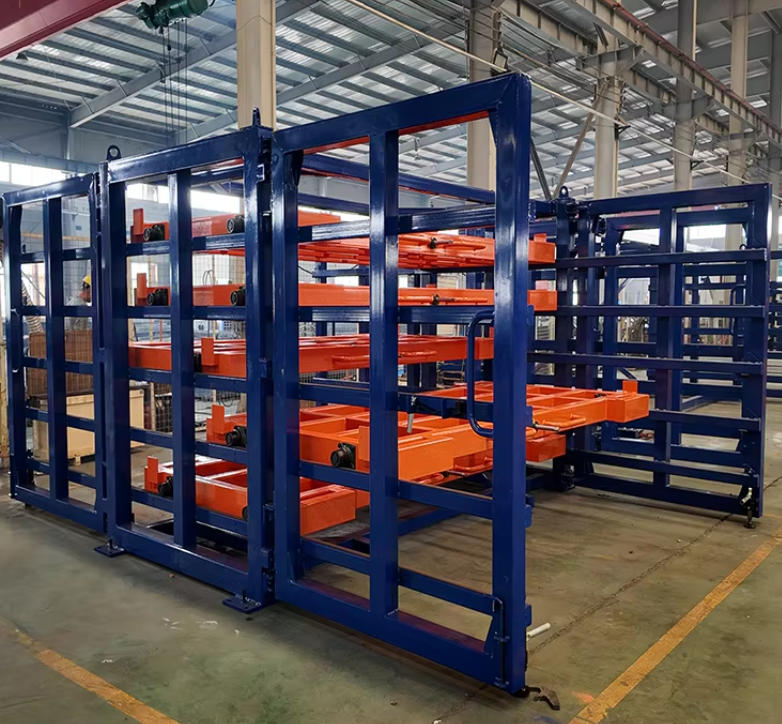
Safety is paramount in any industrial setting. Heavy steel plates are unforgiving; a slip or a crush accident can be fatal. By organizing sheets into individual drawers, the risk of sheets sliding or toppling is eliminated. The drawers act as a secure cradle for the material.
Additionally, separating sheets prevents “inter-sheet” friction. When metal sheets are dragged across one another during retrieval from a stack, they can be scratched or gouged. This is particularly detrimental for stainless steel or pre-finished galvanized sheets where surface quality is critical. The drawer system ensures that sheets are lifted vertically out of their compartment, preserving the surface finish and reducing scrap rates.
Customization and Scalability
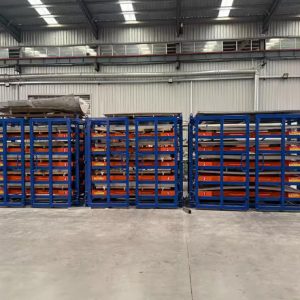
No two workshops are identical, and neither are their storage needs. These racks are not off-the-shelf consumer goods; they are engineered industrial assets.
- Adjustable Height: The vertical distance between drawers (typically 220mm to 300mm) can be adjusted to accommodate different stack heights.
- Electric vs. Manual: For loads under 2 tons, a manual pull is often sufficient. For loads exceeding this, or for high-frequency retrieval environments, electric motorized drives can be installed to extend and retract the heavy drawers at the push of a button.
- Integration: The system is designed to work in tandem with other warehouse equipment. It is compatible with overhead cranes, jib cranes, and specialized vacuum lifters.
Conclusion
Investing in a Heavy Duty Drawer Type Sheet Metal Rack for Steel Plate is an investment in workflow optimization. It converts dead storage space into an active, accessible inventory system. By reducing retrieval times, minimizing material damage, and enhancing workplace safety, this storage solution pays for itself through operational efficiency. For any facility dealing with heavy plate metal, it is the definitive solution for modern industrial storage.