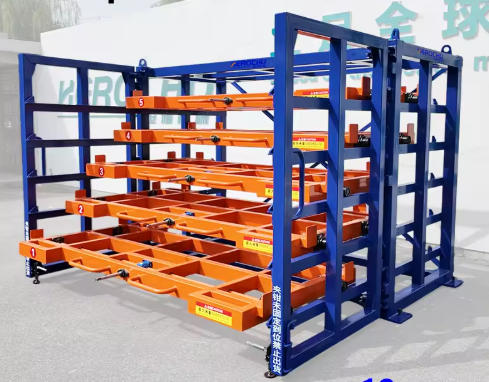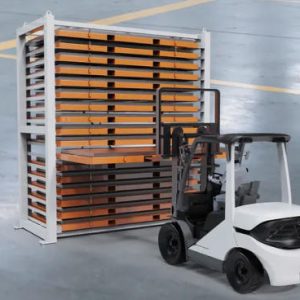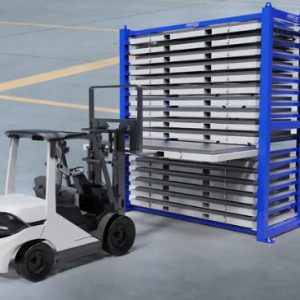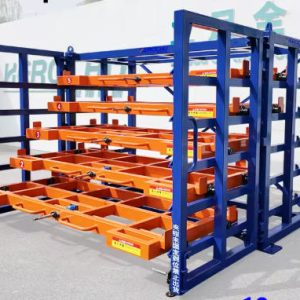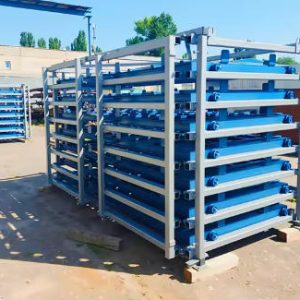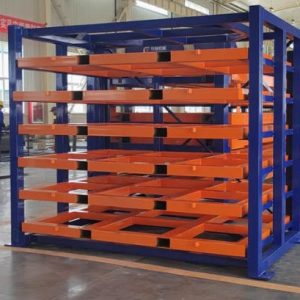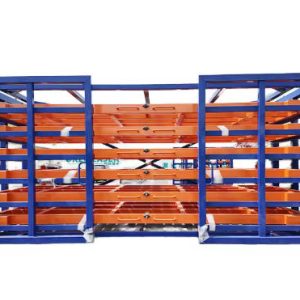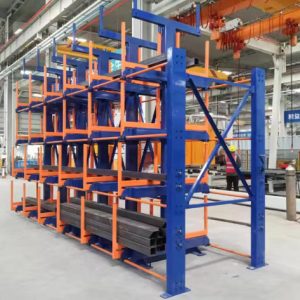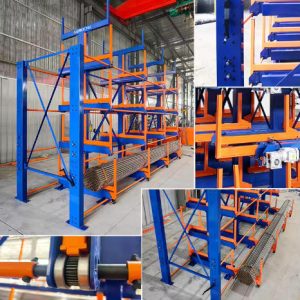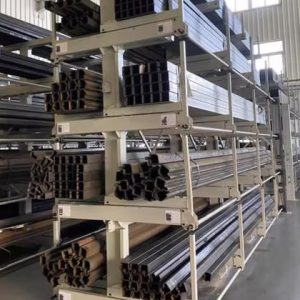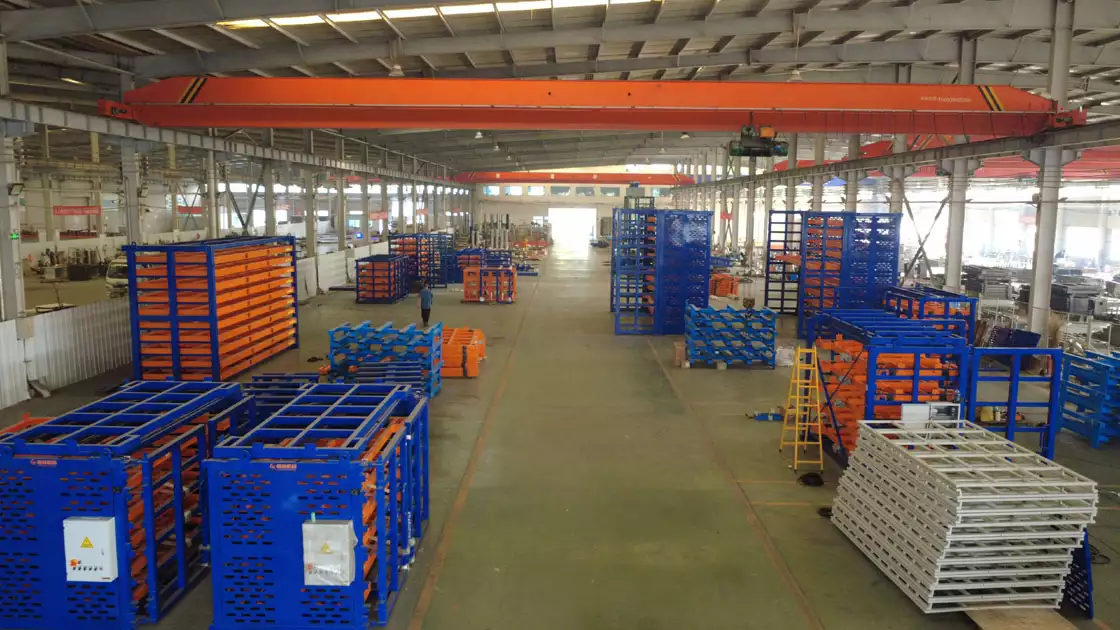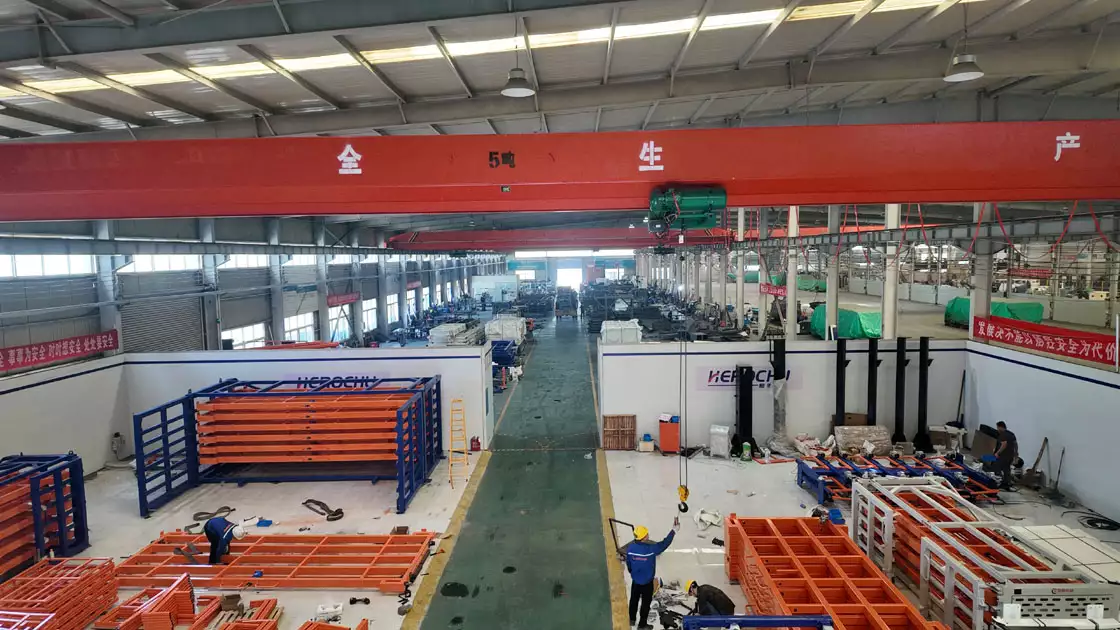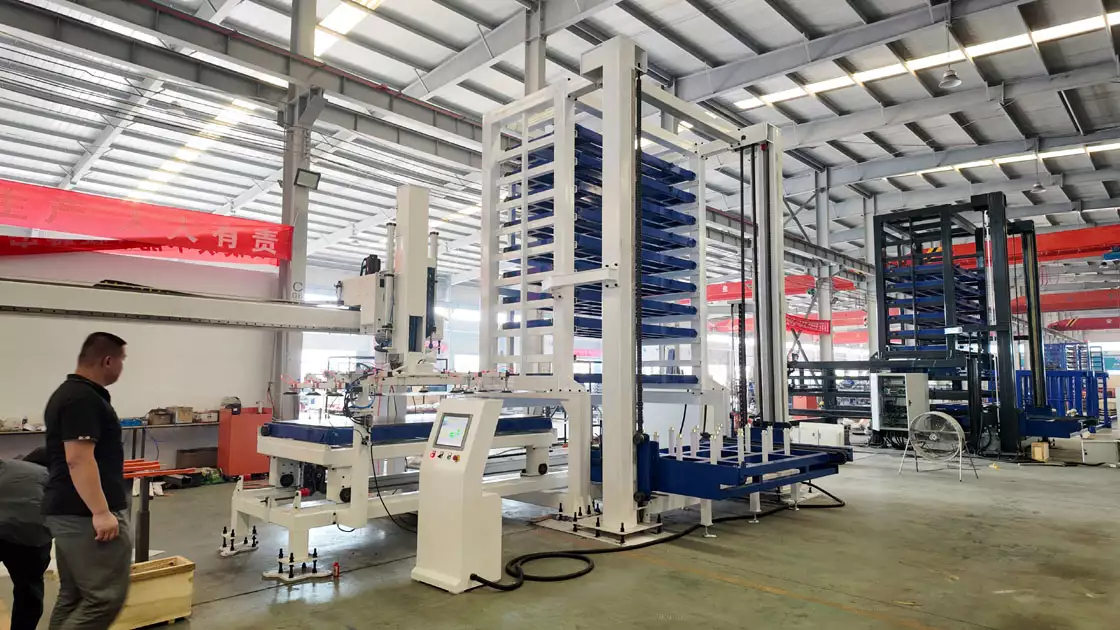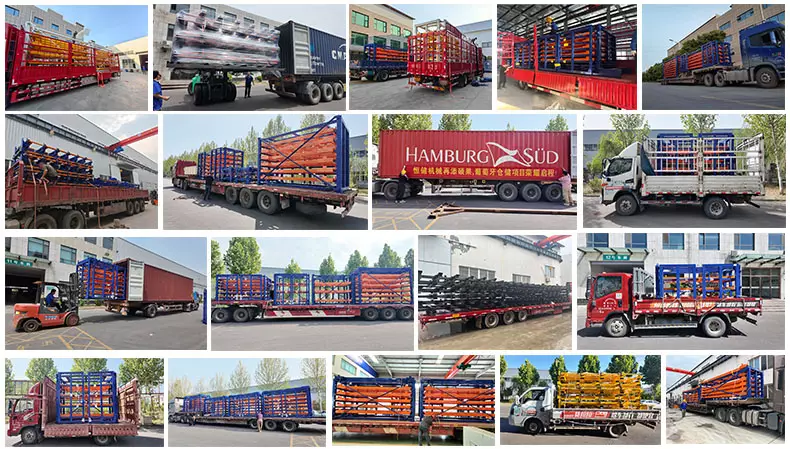
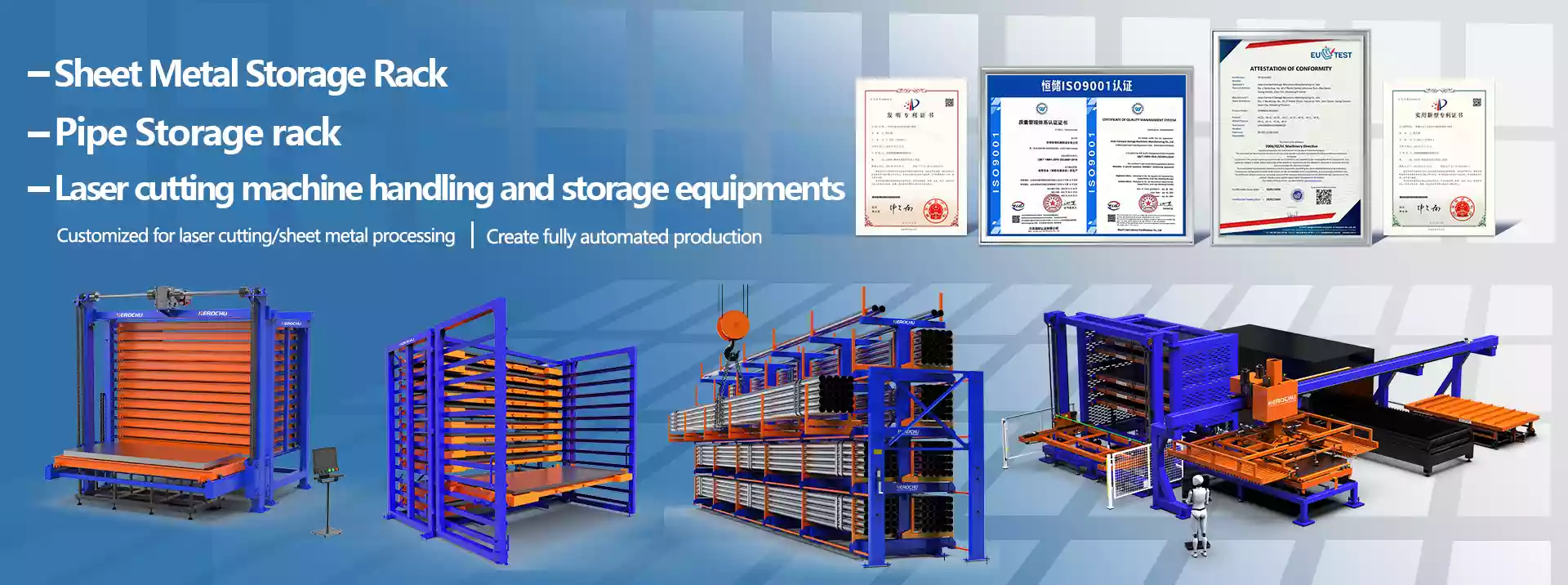
For decades, the wooden pallet has been the default option for stacking and moving sheet metal. However, this traditional method comes with significant hidden costs: breakage under extreme weight, instability leading to sheet damage, lack of organization, and a short lifespan in tough industrial settings. The Metal Sheet Forklift Rack emerges as the intelligent, modern alternative, offering a permanent, purpose-built solution that turns sheet storage from a liability into a competitive advantage. This article makes a compelling case for upgrading from disposable wood to engineered steel, detailing the long-term economic and operational benefits of this durable investment.
The High Cost of Using Wooden Pallets for Sheet Metal
Wooden pallets are designed for general freight, not the unique demands of sheet metal. Their shortcomings are magnified in this application:
- Structural Failure: The concentrated weight of metal sheets can quickly crack deck boards or break stringers, leading to collapsed loads and serious safety hazards.
- Material Damage: Wooden pallets lack the rigid, full-length support needed to prevent sheets from sagging between supports. This causes permanent bending and deformation, ruining material flatness critical for precision manufacturing.
- Organizational Chaos: Pallets offer no means of categorization or separation, leading to disorganized piles that make inventory tracking difficult and retrieval time-consuming.
- Short Service Life & Ongoing Cost: Pallets break, rot, and require constant replacement, incurring recurring purchase and disposal costs that add up over time.
The Engineered Steel Advantage: A Comparative Analysis
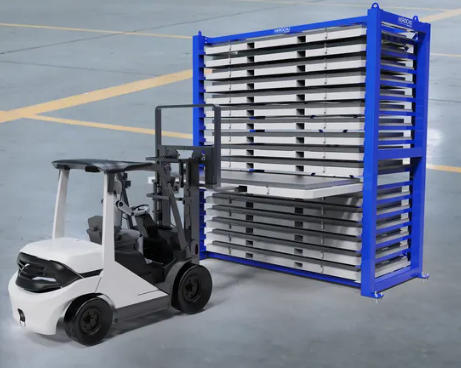
The Metal Sheet Forklift Rack addresses every weakness of its wooden counterpart:
- Permanent Durability: Fabricated from heavy-gauge steel, these racks are built to last for decades, not months. They withstand the rigors of constant forklift handling and extreme loads without degradation, eliminating recurring purchase costs.
- Superior Load Integrity & Damage Prevention: The all-steel frame provides continuous support along the sheet’s length and width. This ensures sheets remain perfectly flat, eliminating costly waste from sagging or warping and guaranteeing quality for downstream processes.
- Built-In Organization & Selectivity: Each rack acts as a structured cabinet with multiple defined layers. This allows for logical organization by material type, thickness, or size, enabling immediate visual inventory and selective access without disturbing entire stacks.
- Enhanced Safety Profile: Steel racks provide predictable, stable performance. The risk of catastrophic collapse is virtually eliminated. Integrated safety stoppers and a secure containment area protect sheets from sliding and protect workers from unexpected movement.
Total Cost of Ownership (TCO): A Smart Investment
While the upfront cost of a metal rack system is higher than a few wooden pallets, the TCO analysis reveals its true value:
- Elimination of Recurring Costs: No more cyclical purchases of replacement pallets.
- Reduction in Material Waste: Savings from the near-elimination of sheet damage due to bending.
- Labor Efficiency Gains: Faster inventory counting, retrieval, and handling save man-hours.
- Space Optimization: Vertical storage frees up floor space for revenue-generating activities.
- Safety Dividend: Reduced risk of workplace accidents leads to lower insurance costs and less downtime.
Integration for Maximum Warehouse Efficiency
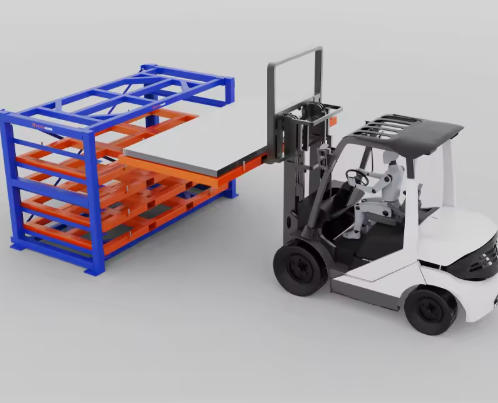
The true power of the Metal Sheet Forklift Rack is realized when it is integrated into a holistic warehouse plan. It forms the backbone of the raw material storage zone. For a complete lean storage system, it can be paired with a Pull-Out Sheet Metal Storage Rack at the production interface. This combination creates a seamless flow: bulk materials are stored and transported via the forklift rack, then individual sheets are selected and fed to machines from the pull-out rack. This integrated approach maximizes both density and accessibility, creating a truly streamlined, high-productivity material handling circuit.
Conclusion: Embrace the Future of Storage
Continuing to use wooden pallets for heavy sheet metal is akin to using a wagon to haul freight in the age of the semi-truck. The Metal Sheet Forklift Rack is a smarter, stronger, and ultimately more economical solution designed for modern manufacturing challenges. Upgrading is not merely a purchase; it’s a strategic decision to protect assets, optimize operations, and build a safer, more professional, and more profitable industrial facility. It’s time to retire the wooden pallet and build your storage system on a foundation of steel.