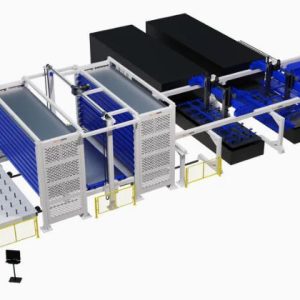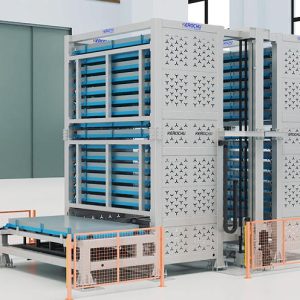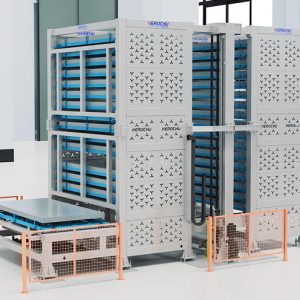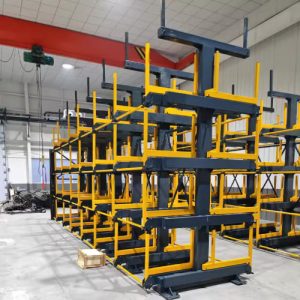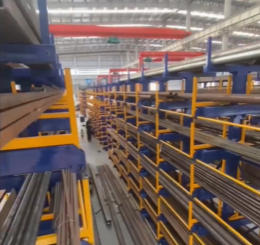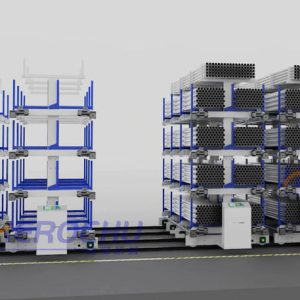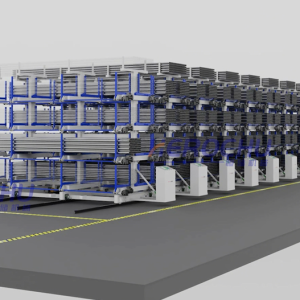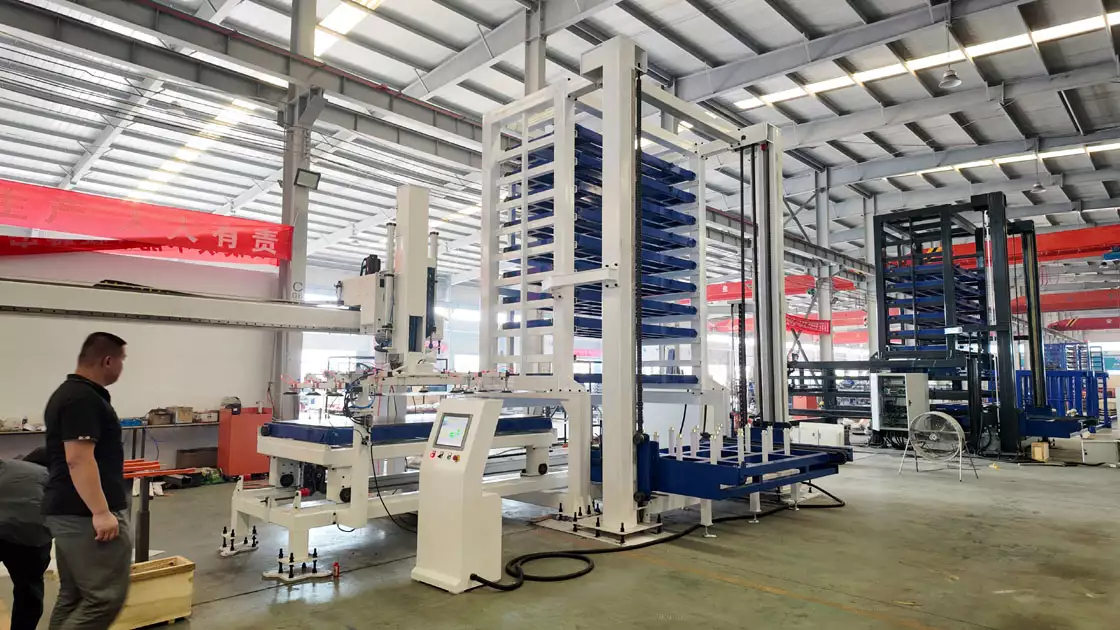
The quest for greater productivity in manufacturing is often a battle against physical constraints. You can’t increase output if you’re constantly battling for space, slowed down by material handling bottlenecks, or grappling with rising operational risks. For businesses that process sheet metal, the storage environment itself frequently becomes the limiting factor. The shift from traditional static storage to intelligent, high-density systems is no longer a luxury for the largest players; it’s a strategic imperative for any growth-focused operation. Among the most effective tools for this transformation are Automated Warehouse Racking Solutions, with the Dual-Tower Sheet Metal Storage Warehouse standing out as a category leader for its unmatched balance of density, throughput, and return on investment.
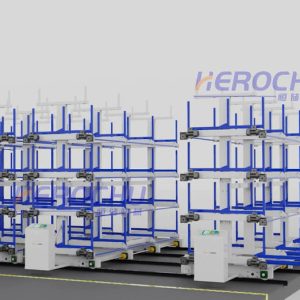
The financial and operational argument for this system begins with its radical approach to space utilization. Traditional sheet metal storage is a horizontal game. Cantilever racks require ample width for the arms and significant aisle space—often 10 to 12 feet or more—for forklift access. This layout quickly consumes thousands of square feet. The dual-tower system changes the game to a vertical one. By constructing two tightly spaced storage towers served by a single, internal retrieval machine, it effectively eliminates the need for internal access aisles. The entire system footprint is dedicated to storage. The numbers speak for themselves: storing the equivalent of over 448,000 pounds of steel in an area smaller than a standard two-car garage (approx. 280 sq ft) is a feat that directly translates into real estate savings. This allows companies to delay or avoid costly facility expansions, consolidate operations from multiple sites, or unlock prime factory floor space for revenue-generating activities.
However, saving space is only the beginning. The true ROI of this Automated Steel Plate Storage System is accelerated by its dramatic impact on operational workflows and cost structures. Consider the labor equation. A traditional setup relies heavily on forklifts and their operators. This involves not only substantial hourly wages but also the costs of recruitment, training, certification, insurance, and forklift maintenance (tires, batteries, repairs). By automating the storage and retrieval process, the dual-tower system significantly reduces dependency on this specialized labor. The “machine attendant” role is simpler, safer, and can often be integrated into an existing operator’s duties. The reduction in forklift use also leads to lower energy costs, fewer maintenance expenses, and decreased wear and tear on your factory floor.
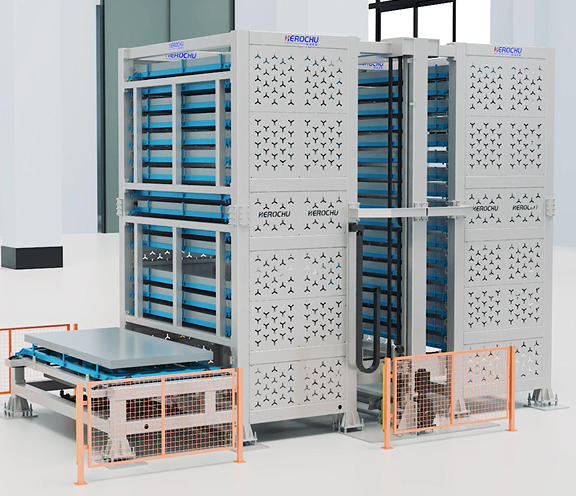
The efficiency gains are a direct contributor to a faster payback period. Time spent locating a sheet, driving a forklift to a rack, carefully (and slowly) extracting the material, and transporting it to the cutting or forming station is non-value-added time. The automated system compresses this cycle from minutes to seconds. With vertical lifting and horizontal movement speeds optimized (9m/min and 12m/min respectively), material is presented to the operator on demand. This predictable, rapid material flow allows for better production scheduling, reduced machine idle time, and the ability to handle more jobs or shifts with the same or fewer personnel. The system’s support for heavy loads—up to 5 tons per layer—means it can handle large, high-volume jobs with ease, further increasing throughput potential.
Another critical, yet often underestimated, component of ROI is the reduction of hidden costs associated with material damage and inventory shrinkage. In a manual handling environment, every fork lift, every drag, every imprecise placement is an opportunity for a costly scratch, dent, or bend. Rejected parts, rework, and total material loss eat directly into profit margins. The dual-tower system provides a controlled environment. Sheets are stored individually or in stable, dedicated batches. The linear guide rail and chain drive mechanism ensures smooth, aligned movement without jarring or scraping. This preserved material quality is especially crucial for high-value metals (like stainless steel, aluminum, or pre-painted coils) and for industries with zero-tolerance for defects. Furthermore, the system’s software provides digital inventory tracking, eliminating manual counting errors and providing real-time stock data for better purchasing and planning decisions.
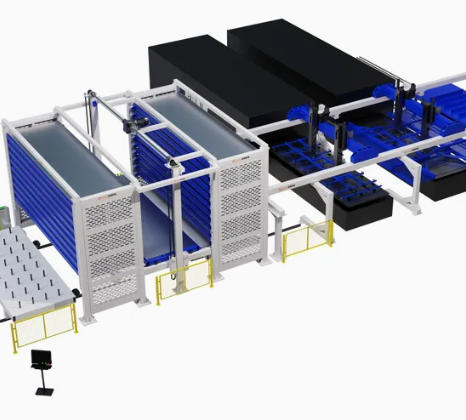
Finally, the Double-Tower Automate Sheet Metal Storage Warehouse System future-proofs your operation. Its modular design, with configurable floors (8-13) and optional plate supports, offers flexibility as your material mix changes. The reliability of its chain-drive transmission and robust construction ensures high uptime and a long service life. When you calculate the total cost of ownership—factoring in space savings, labor efficiency, damage reduction, and improved inventory control—the investment in this advanced automated storage and retrieval system transitions from a capital expense to a compelling strategic investment with a clear and calculable path to a strong, rapid return.