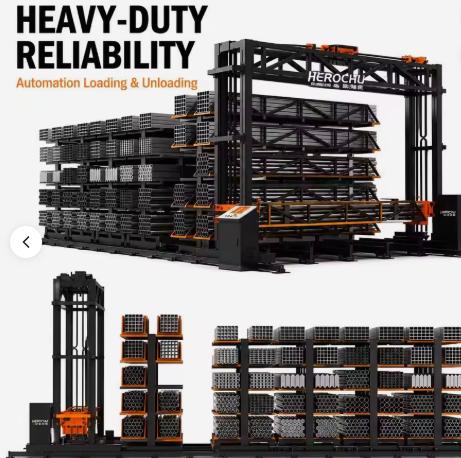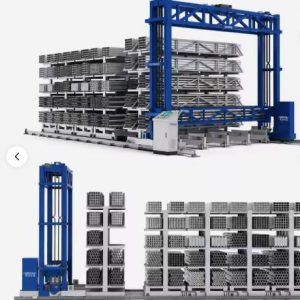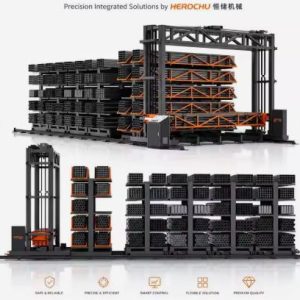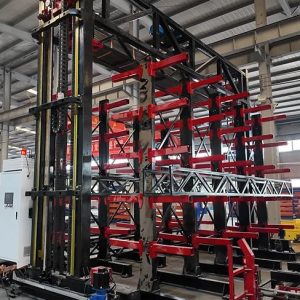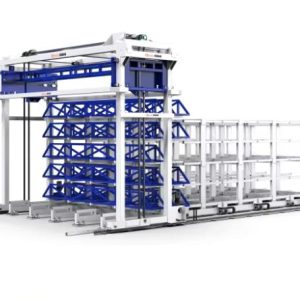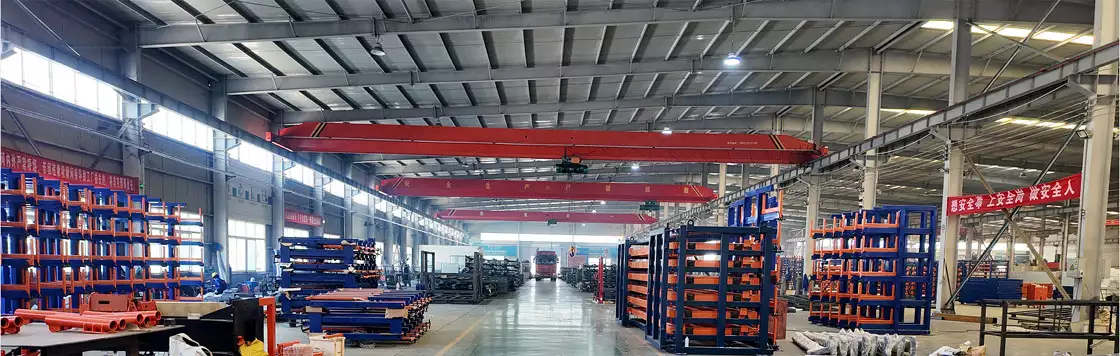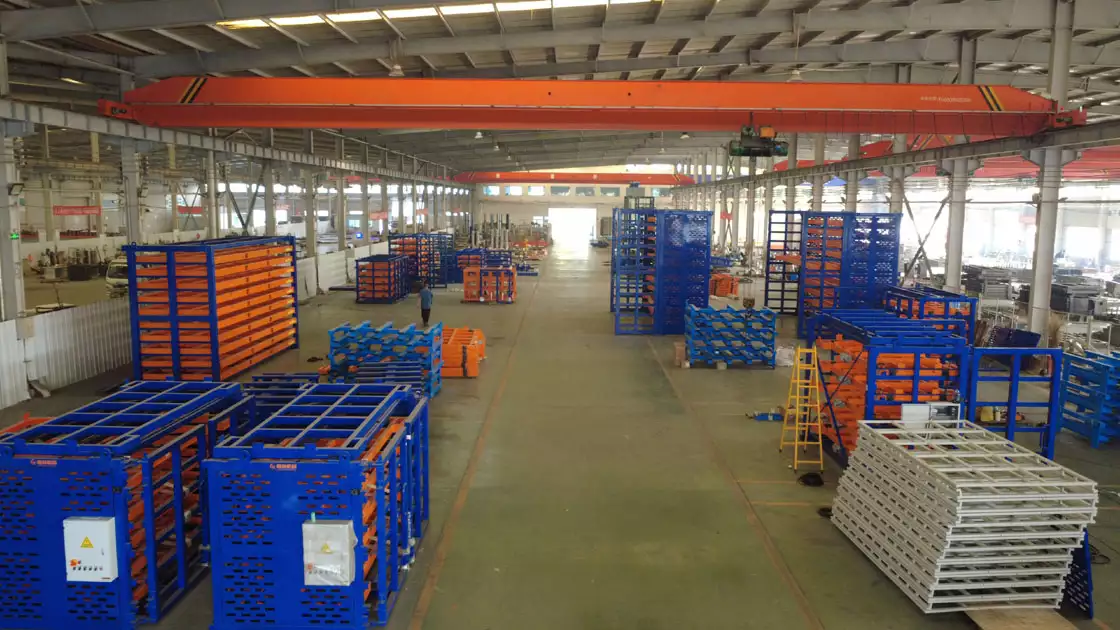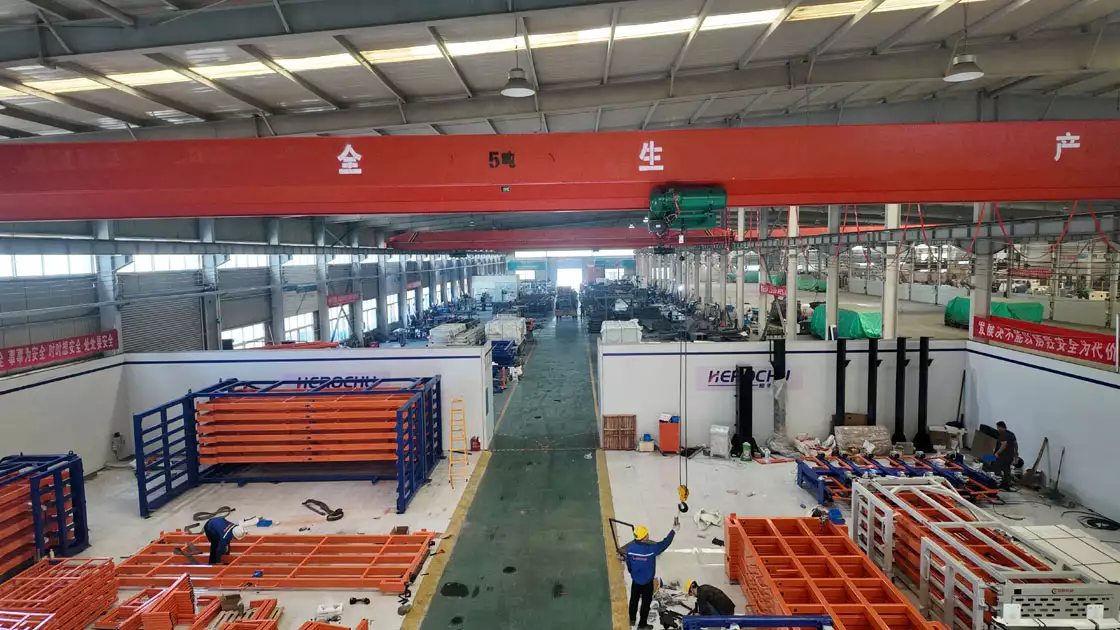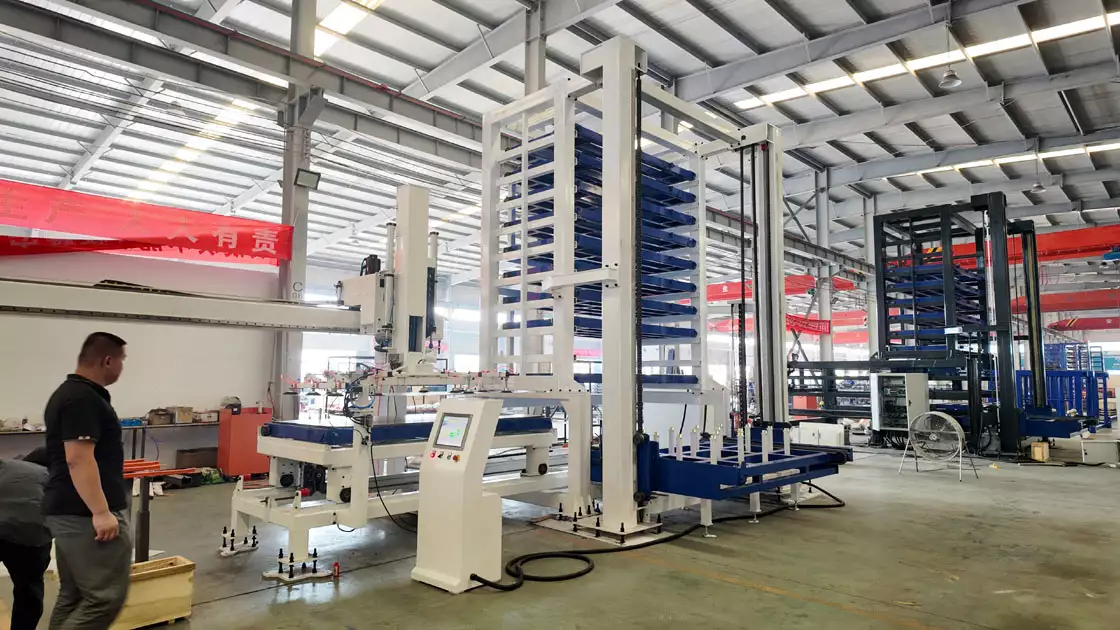
Is a tube bundle AS/RS only for new buildings? No. Most projects go into an existing hall. The rail foundation, floor tolerance and clear height are surveyed first, and the layout is adjusted around columns, doors and existing equipment.
Can one gantry serve two cutting machines? It can, if the throughput calculation covers both machines and the transfer stations keep travel short. The control layer then prioritises by work order rather than first-come order.
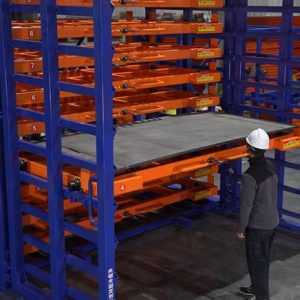
How is a bundle weight of 5000 kg handled safely? The cassette, arm and tower are engineered for the stated load, and the gantry checks the load record before each move. Loads above the configured limit are refused by the controller rather than attempted.
Does the system replace the overhead crane? In most layouts it removes the crane from routine bundle handling. A crane may still be kept for maintenance lifts and for receiving if the infeed station is outside the gantry rails.
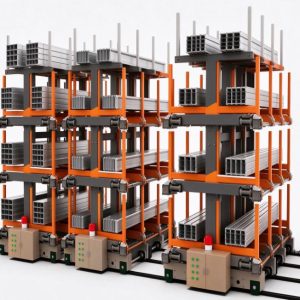
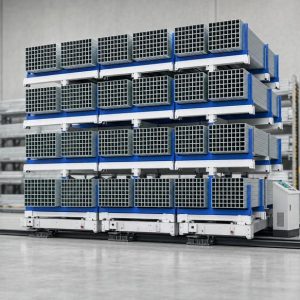
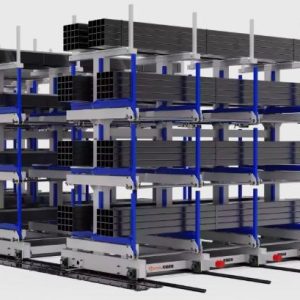
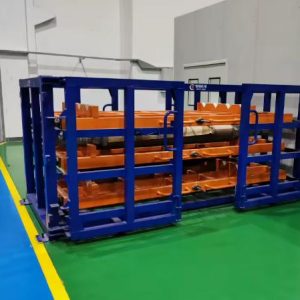
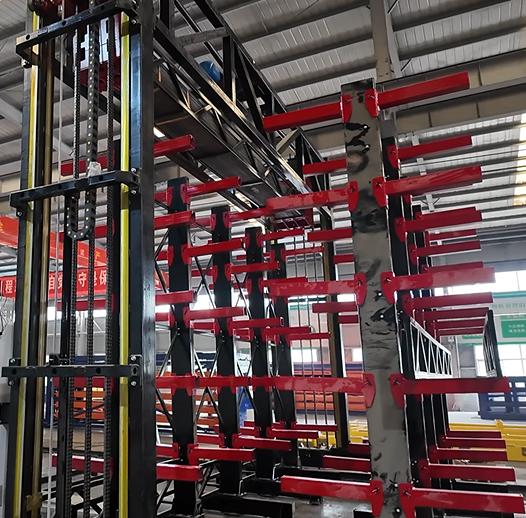
Can the system hold bundles and single tubes together? Yes. The tower and cassette layout is configured around the material mix on site, so long bundles, short lengths and loose pieces can share the same structure, each with the support its shape requires.
Does the tube laser need a matching brand of control? No. The handshake is built at the transfer station and through PLC signals or WMS and WCS messages, so one store can feed different cutting machines on the same floor.
What happens to the inventory during a power failure? The controller retains the inventory and the last confirmed positions. On restart the gantry returns to its reference position before it accepts new commands, so no move begins from an assumed location.
Can towers be added after the first phase? The rail and control architecture can be planned for phased expansion. Herochu fixes the growth allowance at the layout stage, so a later tower does not require rebuilding the control concept.