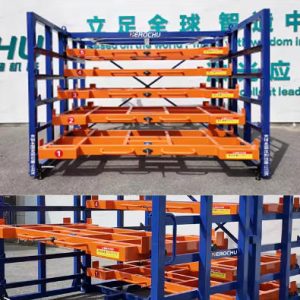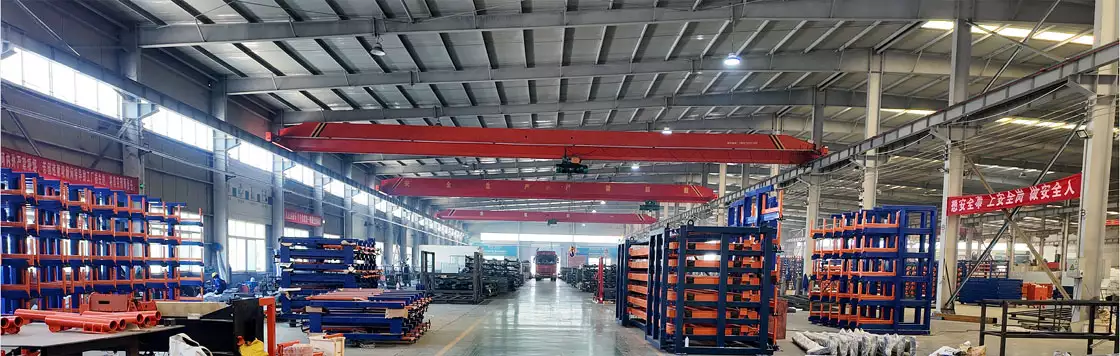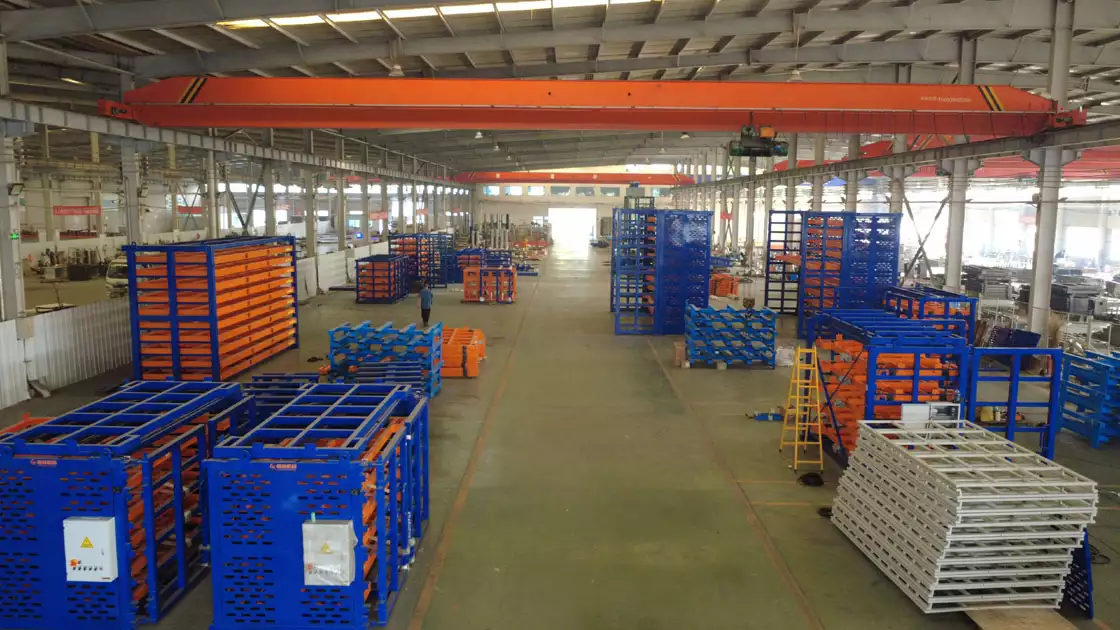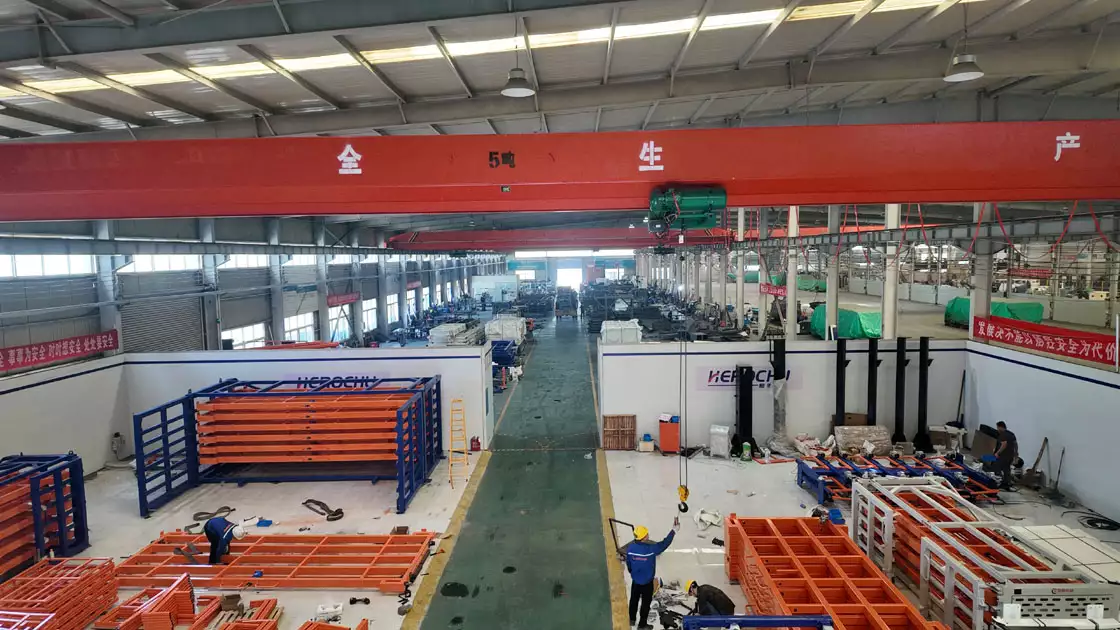
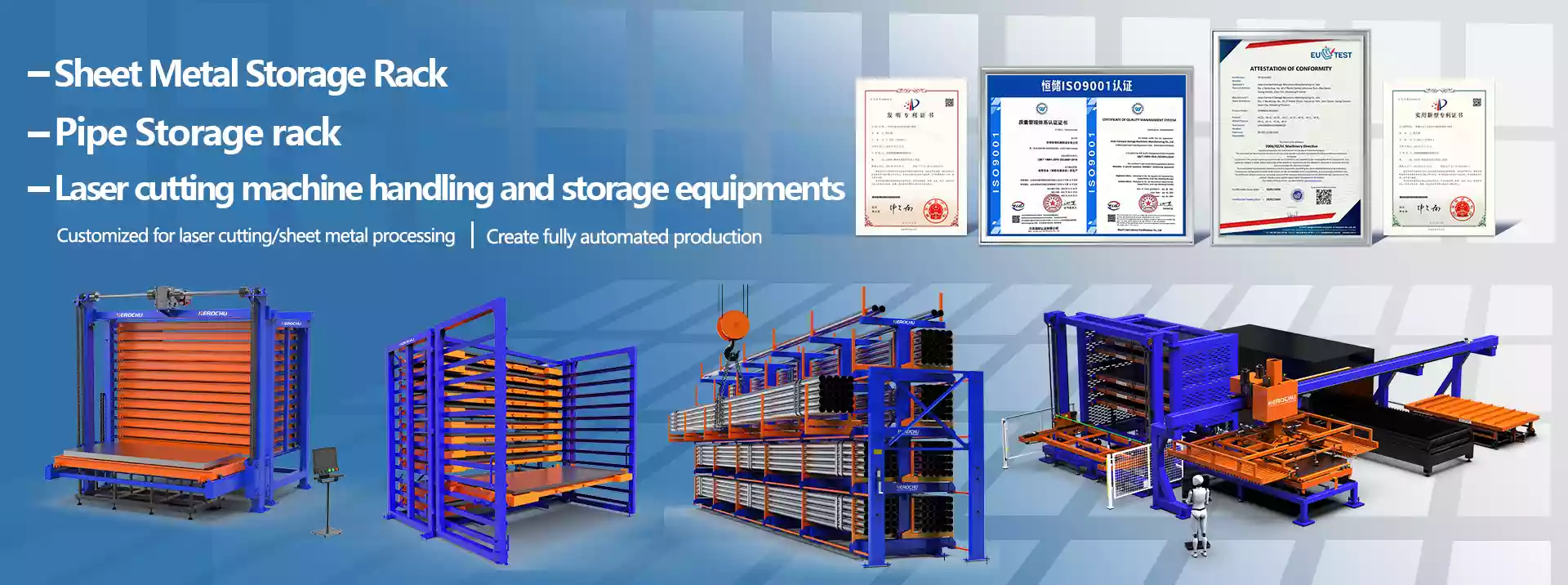
For warehouse and factory managers, the storage infrastructure is the silent determinant of operational efficiency, cost control, and safety performance. As inventory items grow larger and heavier—be it sheet metal, industrial plastics, composite panels, or large machinery parts—standard shelving becomes inadequate and dangerous. The strategic investment moves towards comprehensive Heavy Duty Warehouse Storage Systems, with a particular focus on specialized Large Load Capacity Warehouse Storage Sheet Racks. These systems represent the pinnacle of industrial storage engineering, designed to manage immense weights safely, optimize precious cubic space, and streamline logistics workflows.
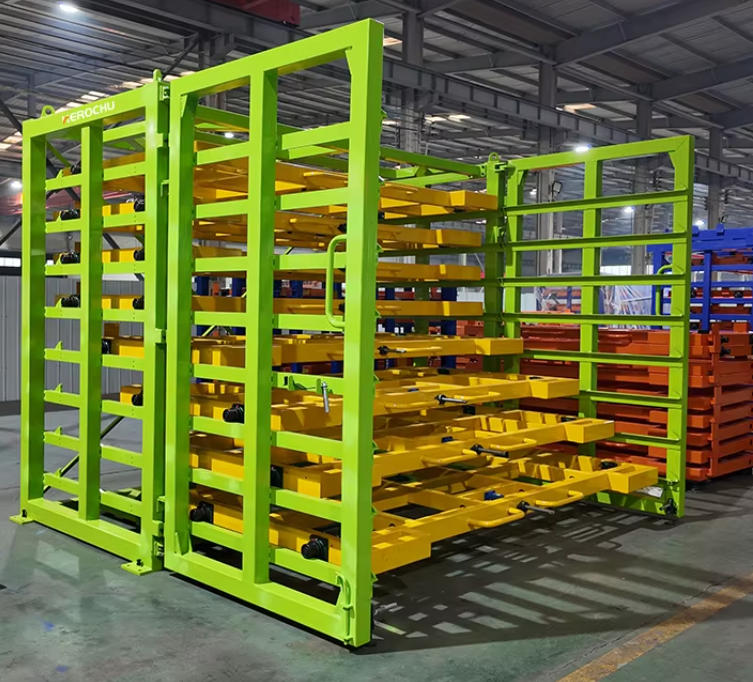
The core challenge in heavy-industry warehousing is managing extreme static and dynamic loads. A Large Load Capacity system is defined by its ability to handle these loads per individual storage position. Our subject systems, exemplified by models like the HC-B6020-66 with a 6-ton per layer capacity, are engineered from the ground up for this purpose. The structural calculus begins with the selection of Industrial Grade Steel. The use of Q235B carbon steel for the primary frame members provides the necessary yield strength and toughness. This is complemented by a design that often incorporates a tubular or box-section construction for columns and beams, offering superior resistance to bending and torsional forces compared to angle iron.
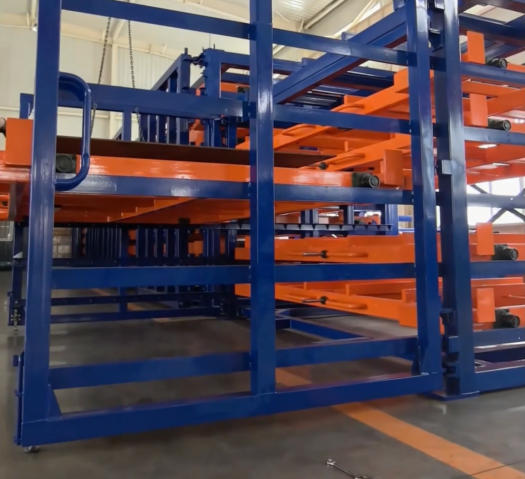
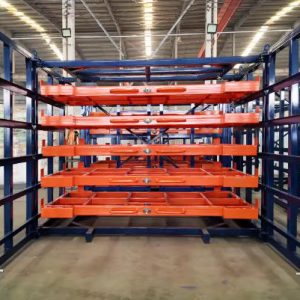
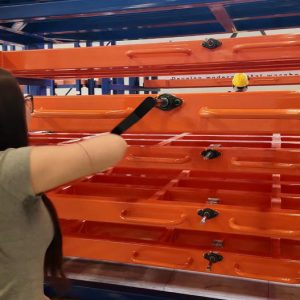
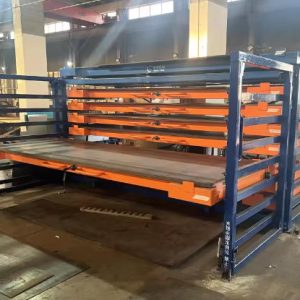
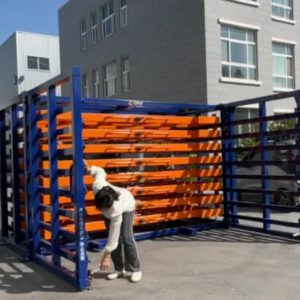
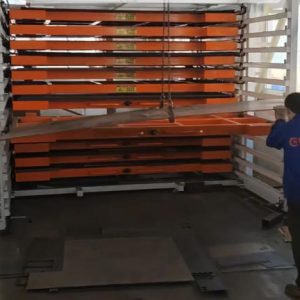
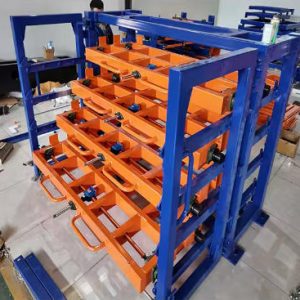
The real innovation for sheet storage is the Drawer Type or Pull-Out Shelf mechanism integrated into this heavy-duty frame. This feature is what differentiates an active storage system from a passive one. In a vast warehouse, time spent retrieving an item is a direct cost. Imagine a scenario where a forklift driver needs a specific steel plate from the middle of a stacked pile. The traditional process is slow, risky, and disrupts other stored items. With a Heavy Duty Drawer Type Sheet Rack for Factory Warehouse, the driver or crane operator activates a single drawer. The entire platform, bearing its multi-ton load, rolls out effortlessly on its heavy-gauge slide rails. The target material is instantly isolated and accessible for pickup. This mechanism is the ergonomic and logistical heart of the system, transforming retrieval into a simple, one-step process.
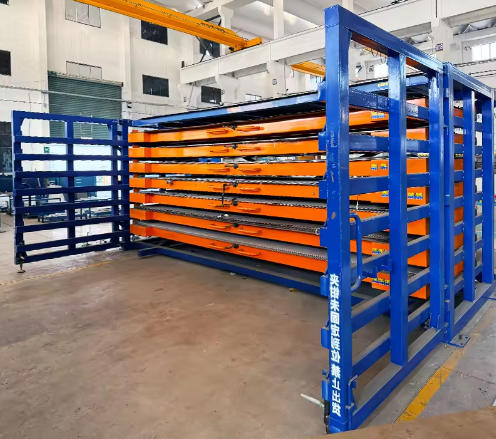
The benefits of investing in such a system are multi-faceted:
- Unmatched Safety: Eliminates the need for workers to climb onto shelves or manually shift heavy loads. It prevents sheets from tipping or sliding, significantly reducing the risk of crush injuries, cuts, and strains.
- Maximized Storage Density (Cube Utilization): These racks leverage vertical space aggressively. By having multiple high-capacity tiers, they store the equivalent of a large floor area in a small footprint. This is crucial for warehouses paying a premium for space.
- Enhanced Inventory Control & Protection: Each drawer or shelf can be labeled and logged in a Warehouse Management System (WMS). Materials are stored flat and supported across their full length, preventing warping, sagging, or edge damage that can occur with improper stacking.
- Improved Operational Workflow: Faster, predictable retrieval times speed up order picking, production feeding, and shipping processes. This leads to higher throughput and the ability to handle more orders or production jobs simultaneously.
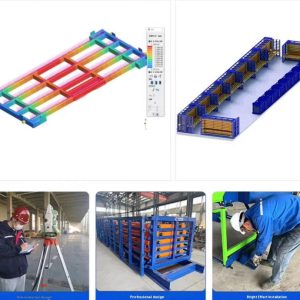
Customizability is a key economic factor. A one-size-fits-all approach is inefficient for heavy storage. A professional manufacturer will offer a free customized design service. This involves tailoring the system’s dimensions to your specific sheet or panel sizes, determining the optimal number of layers based on your inventory profile and building height, and, most importantly, engineering the load-bearing capacity to match your exact needs—whether it’s 3, 5, 10, or 20 tons per layer. This ensures you are not overpaying for unused capacity or risking under-engineering.
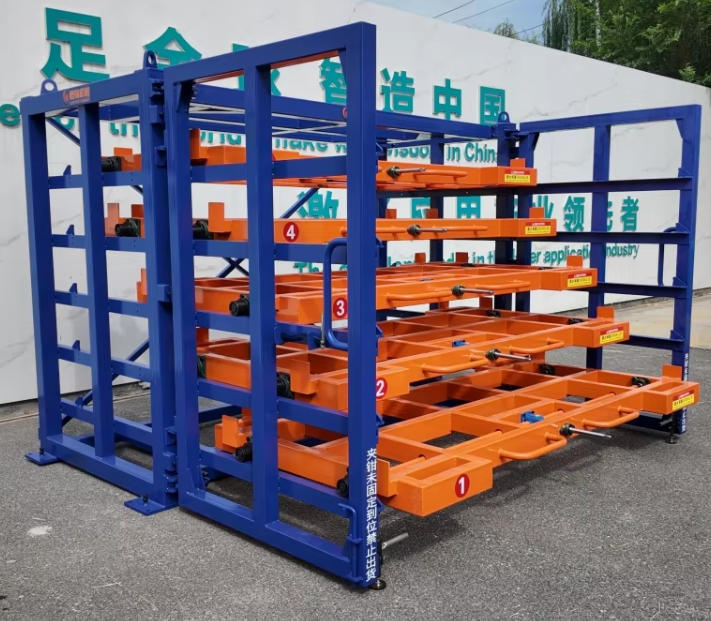
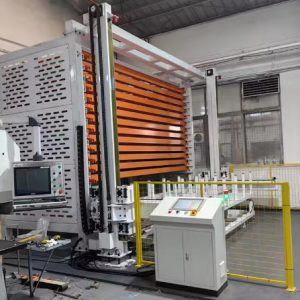
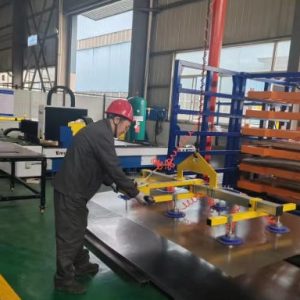
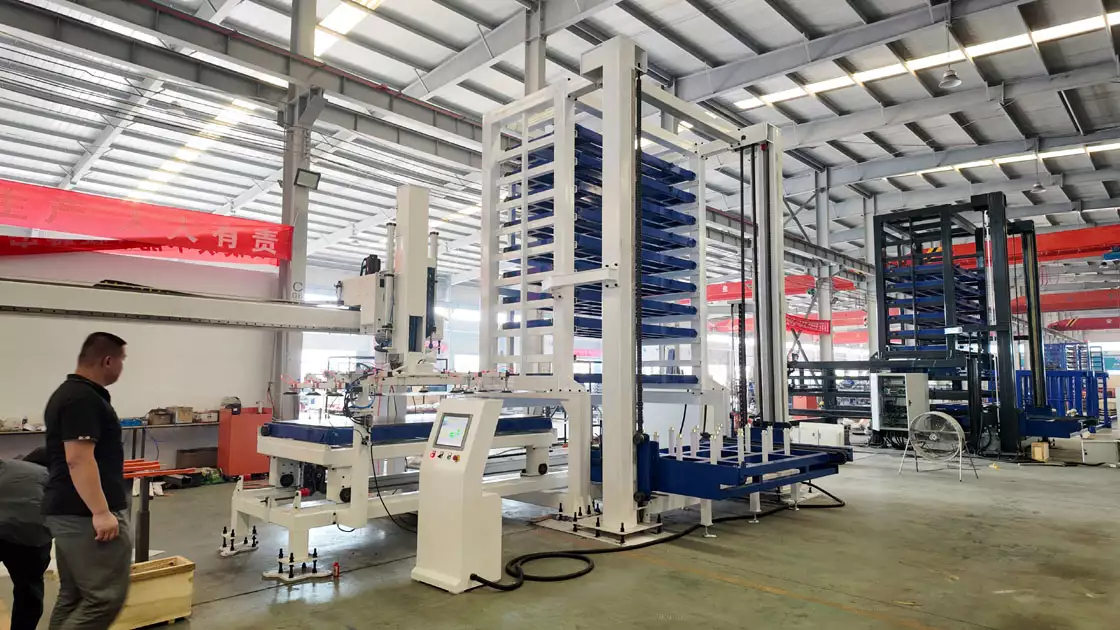
These systems are integral to modern intelligent warehousing concepts. They are not isolated units but can be linked into larger automated storage and retrieval systems (AS/RS). As a component of a laser cutting/intelligent warehousing/truss linkage trinity, the rack provides the organized, high-density buffer storage that feeds an automated laser cutting cell, managed by software that tracks every sheet’s location and status.
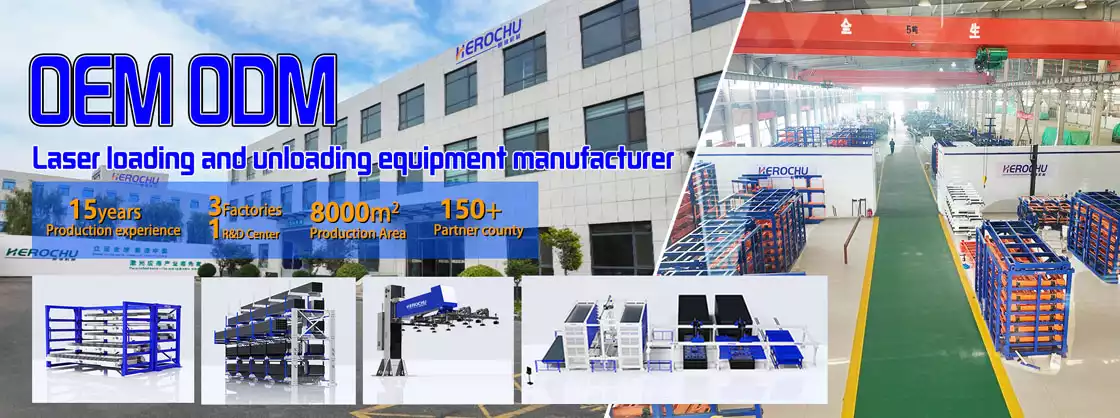
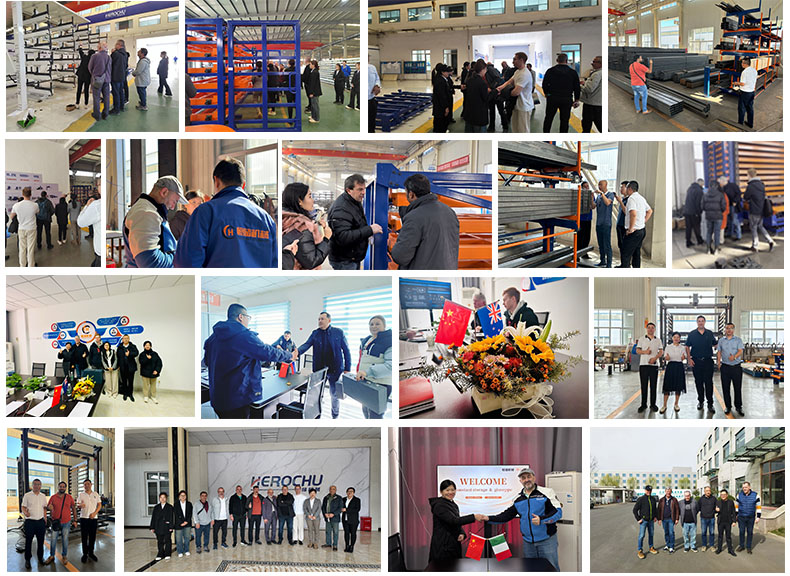
Choosing the right partner for this investment is critical. Look for a manufacturer like Ji’nan Constant Storage Machinery Manufacturing Co., LTD, which integrates R&D, production, and service. They should offer a clear Customized service process and back their product with a professional after-sales team. The ability to conduct a real-time factory video inspection provides transparency and builds trust in their manufacturing quality and factory qualification.
In conclusion, investing in a Heavy Duty Warehouse Storage System centered on Large Load Capacity Sheet Racks is a strategic decision with a clear ROI. It goes beyond purchasing furniture; it is about acquiring a core operational asset that enhances safety, multiplies storage efficiency, protects valuable inventory, and accelerates material flow. For any factory warehouse handling heavy, flat materials, this investment is a definitive step towards building a safer, more organized, and highly productive logistics backbone.