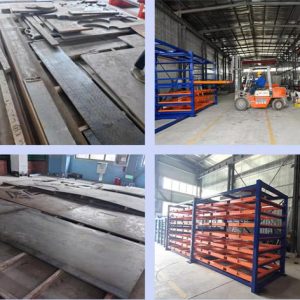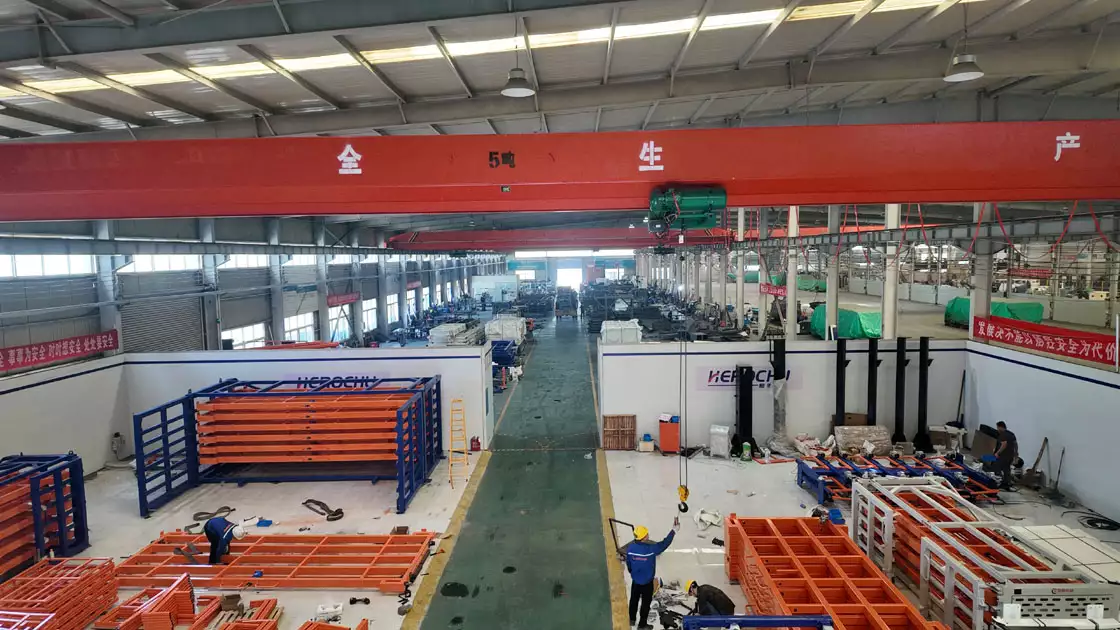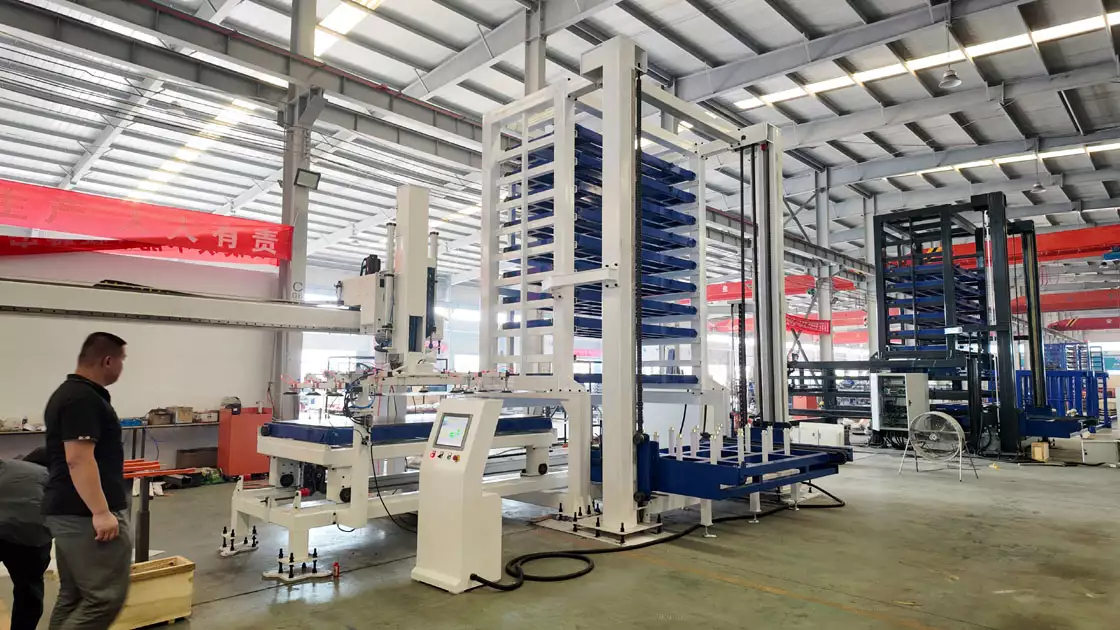
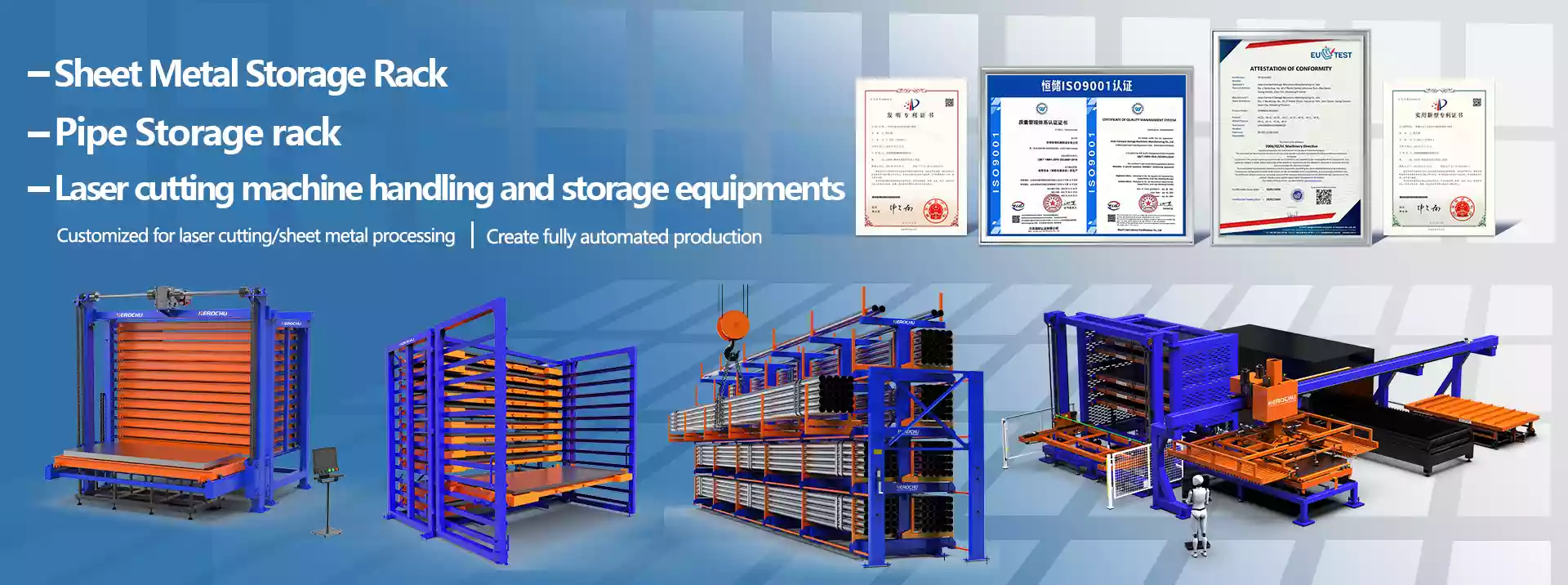
When it comes to industrial storage, not all racks are created equal. Standard shelving units buckle under the weight and dimensions of sheet metal, leading to safety hazards and operational bottlenecks. Industrial heavy duty sheet metal racks, however, are purpose-built to address the unique demands of metalworking facilities, offering unmatched strength, smart design, and workflow integration.
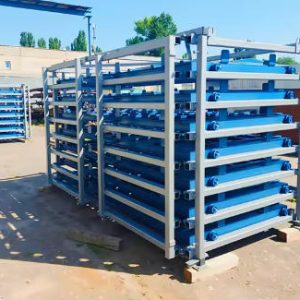
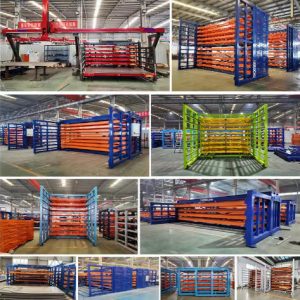
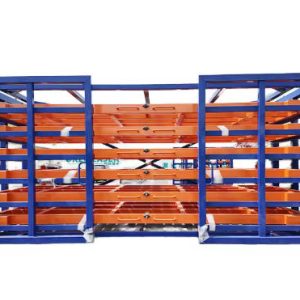
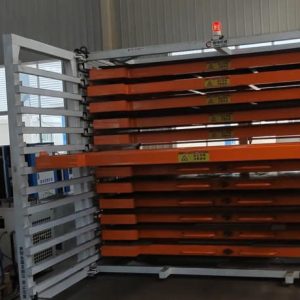
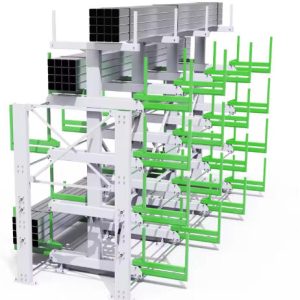
These racks are part of a comprehensive storage ecosystem designed around three core principles: maximized space utilization, rapid material access, and long-term reliability. Available in standard configurations like HC-F2010-122 (for 2000×1000mm plates), HC-F2513-122 (2500×1300mm), and HC-F3015-122 (3000×1500mm), each system features 12 vertically stacked layers. This multi-tier architecture transforms underused ceiling height into productive storage real estate—ideal for facilities operating in urban areas or constrained footprints.
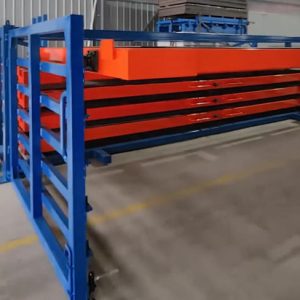
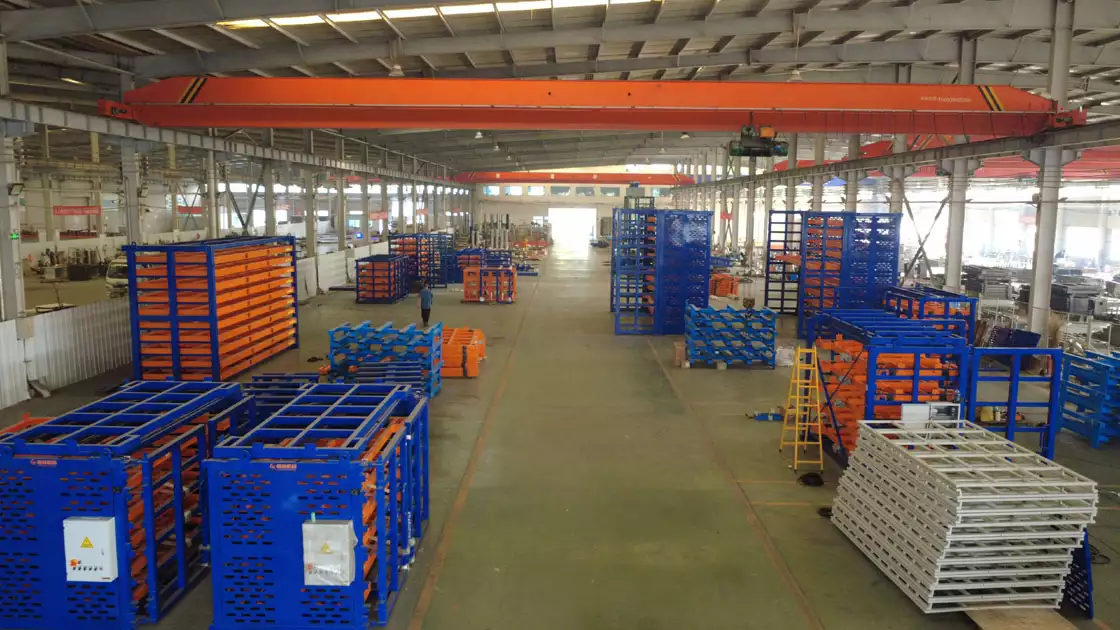
A standout feature is the drawer-based retrieval system, which revolutionizes how workers interact with stored materials. Instead of manually lifting or sliding heavy sheets, operators simply pull out the designated drawer, access the required item, and push it back. This minimizes physical strain and accelerates order fulfillment. Complementing this is the inclusion of sleepers on pallet surfaces, which align perfectly with forklift tines, ensuring stable and precise placement—critical when handling expensive or precision-cut sheets.
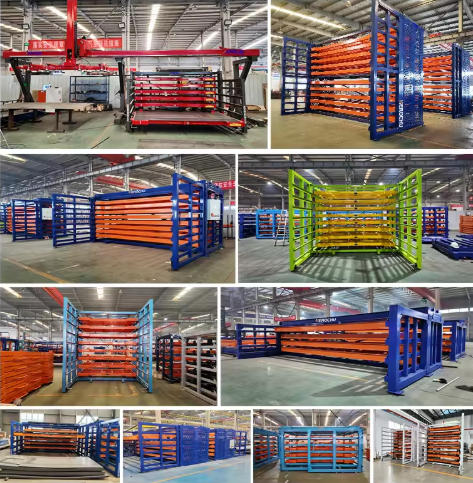
Material quality forms the backbone of these racks’ performance. All primary structures use Q235B or superior carbon steel, known for its high tensile strength and weldability. Frames are welded using CO₂ shielding gas technology, which produces cleaner, stronger joints compared to traditional arc welding. Moving components, such as travel wheels and axles, are machined from 45# steel—a hardened alloy that resists deformation under load. To protect against environmental degradation, the entire assembly receives a durable plastic spray finish, while internal mechanisms are black oxide treated to prevent oxidation.
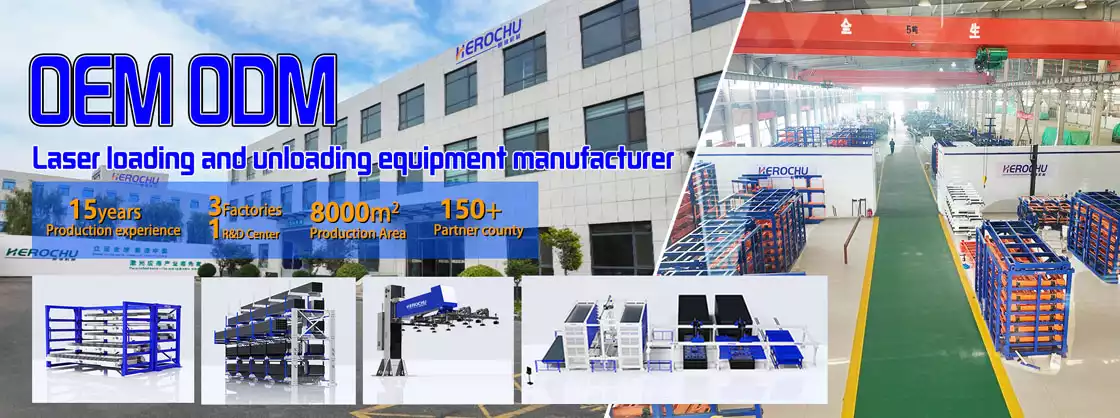
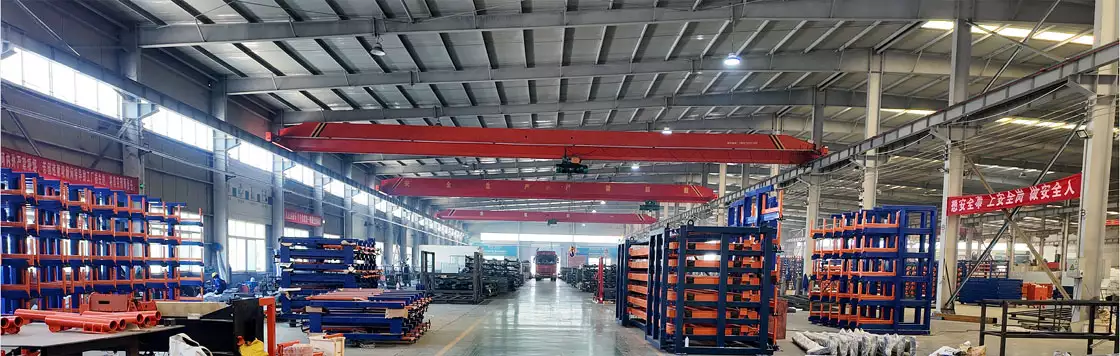
Behind the scenes, a team of over 20 technical experts—including six certified mechanical engineers—oversees every stage of development. With 80% holding bachelor’s degrees or higher, the R&D department employs cutting-edge 3D modeling and simulation tools to test designs before physical prototyping. Every rack undergoes stress analysis via Simsolid and Ansys software, ensuring it can withstand dynamic loads, vibrations, and daily wear without failure.
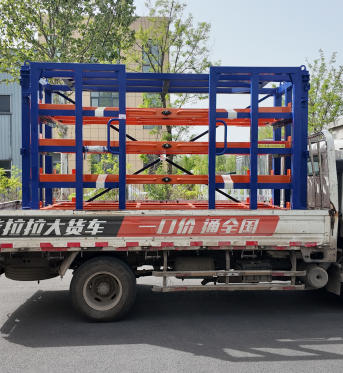
Beyond hardware, these racks enable intelligent inventory management. By assigning specific drawers to material categories—e.g., stainless steel vs. aluminum, or 2mm vs. 6mm thickness—warehouses eliminate guesswork and reduce picking errors. This clarity streamlines audits, supports FIFO (First-In, First-Out) practices, and enhances traceability across the supply chain. For companies pursuing ISO certification or lean manufacturing goals, such organization is invaluable.
In summary, industrial heavy duty sheet metal racks are more than storage fixtures—they are strategic assets that drive productivity, safety, and scalability in modern metal-intensive operations.