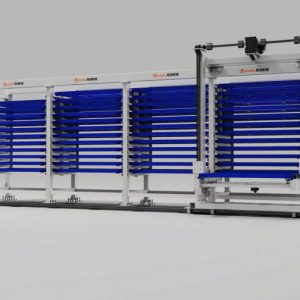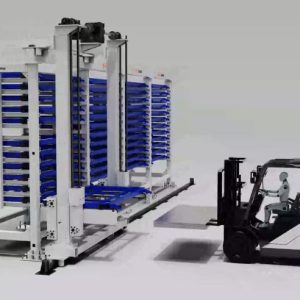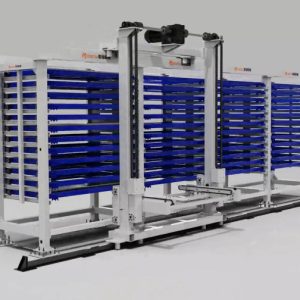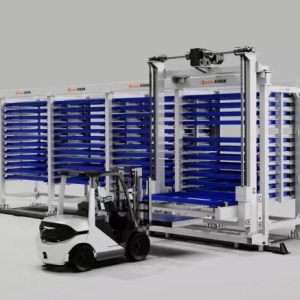
Key Features Explained: How Tower Storage Systems Revolutionize Material Handling
Adopting new technology requires a clear understanding of its tangible benefits. The tower-type automated material storage system stands out in the material handling sector not due to a single feature, but because of a powerful combination of interconnected advantages that deliver a compelling return on investment. Let’s delve deeper into the key features and benefits that make this system a game-changer for warehouses and production facilities.
Unmatched Space Efficiency and Footprint Reduction: The most immediately visible advantage is the radical compression of storage footprint. By storing materials vertically in a tower that can reach significant heights, these systems typically reduce the floor space required for storing the same volume of goods by 40% to 60%. This vertical approach turns unused cubic air space into valuable storage real estate. For example, an area once cluttered with wide aisles for forklift access can now house a compact tower, with the surrounding area cleared for more productive use. This efficiency is crucial for urban factories or any facility looking to expand storage capacity without physical building expansion.
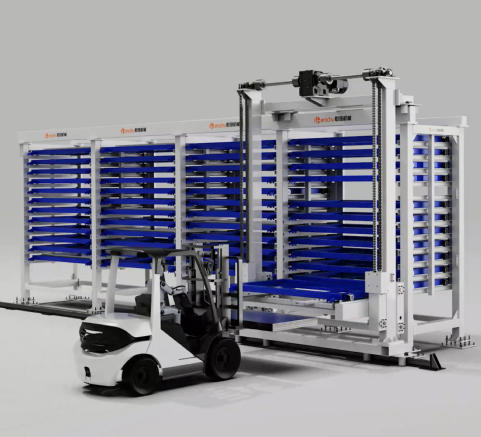
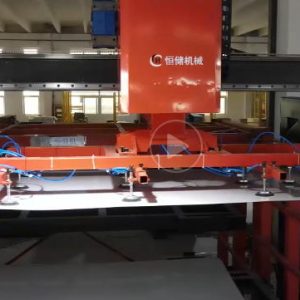
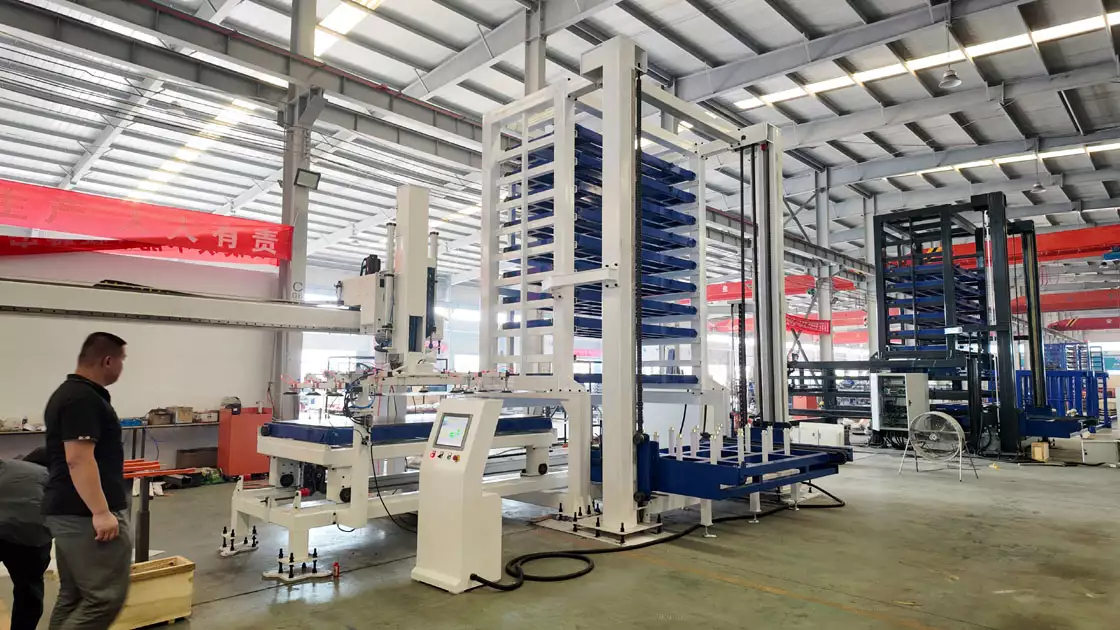
Advanced Automated Handling for Precision and Speed: At the heart of the system is its automated retrieval mechanism. Depending on the material stored, the system utilizes precisely engineered extractors. For sheet metal, powerful vacuum lifts or mechanical clamps ensure secure, scratch-free handling. For long profiles or bars, specialized grappling cranes are employed. This automation translates directly into consistent, high-speed operation. Retrieval times are measured in seconds, independent of the item’s location within the tower. This reliability eliminates waiting times for forklifts or manual searching, creating a predictable and swift material supply for production lines, which is essential for Just-In-Time (JIT) manufacturing processes.
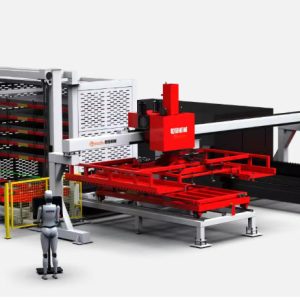
A Direct Boost to Ergonomics and Workplace Safety: Traditional handling of heavy, bulky items is a leading cause of workplace accidents and chronic injuries. The tower system ingeniously solves this by bringing the mountain to Mohammed. The automated lift delivers the requested item directly to an ergonomic pick-up station at a pre-set, optimal working height (typically around 70-110 cm). Operators no longer need to climb, reach overhead, or stoop low. They perform their tasks in a designated, safe zone. This zone is protected by a comprehensive safety system including presence-sensing technology, emergency stops, and physical barriers that prevent access during automatic cycles. The result is a dramatic reduction in strain-related injuries and a much safer work environment.
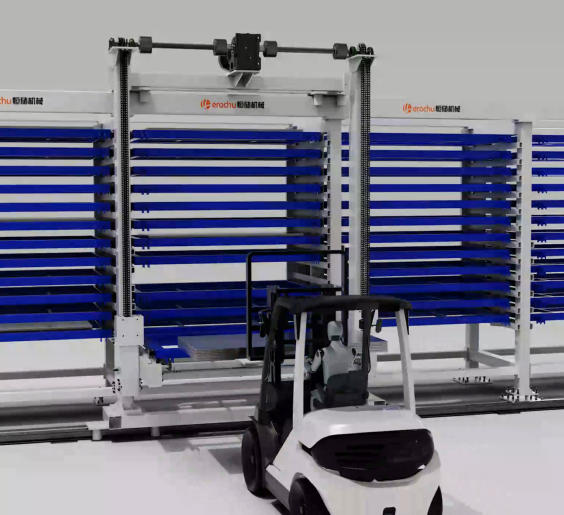
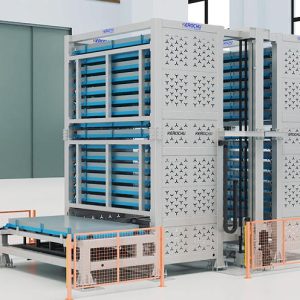
High-Density Storage for Maximum Heavy Load Capacity: Density refers to how much material can be stored in a given area. Tower systems achieve exceptionally high density by eliminating aisles and using every cubic foot within the structure. Each compartment is a self-contained unit, structurally reinforced to handle immense weights—commonly up to 2,000 kg or 5 tons per pallet location. The compartments are also modular and adjustable in height, allowing the system to be reconfigured as inventory profiles change. This means a single tower can efficiently store a mix of heavy steel plates, lighter but bulky plastic molds, and boxes of electronic components, all within the same automated framework.
Seamless Software Integration for Inventory Intelligence: The physical automation is powerfully augmented by digital connectivity. Modern tower storage systems are equipped with sophisticated control software that integrates seamlessly with higher-level business systems like ERP and WMS. This integration creates a “digital twin” of the physical inventory. When a production order is released in the ERP, the WMS can automatically generate a retrieval command for the required material. The system executes the command, updates inventory records in real-time, and can even trigger replenishment alerts. This closed-loop data flow ensures perfect inventory accuracy, eliminates manual data entry errors, and enables fully automated workflow management.
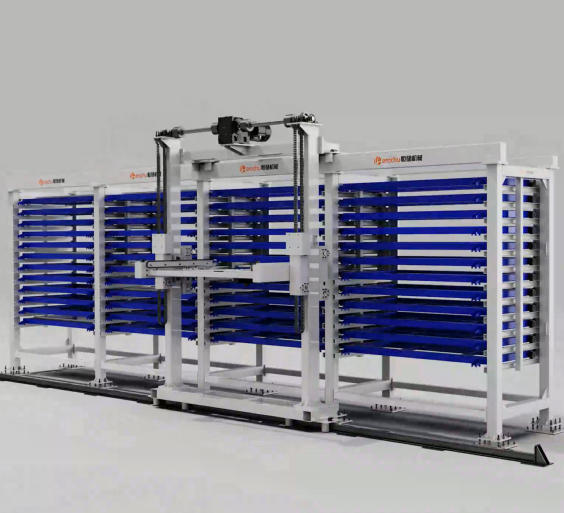
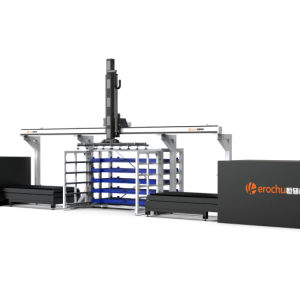
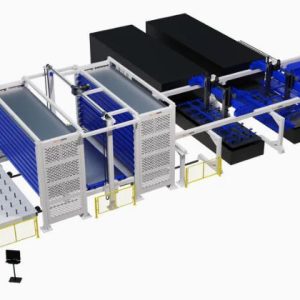
Inherent Flexibility and Future-Proof Scalability: Finally, the design philosophy of these systems centers on adaptability. They are not one-size-fits-all solutions. The core components are modular, allowing for configurations ranging from a single, standalone Mono Tower (perfect for a compact cell next to a machine), to a Double Tower shared by one lift for higher throughput, to expansive Multi-Tower complexes that form the backbone of a large central warehouse. This scalability means a business can start with a manageable investment and add towers or modules as storage needs grow, protecting the initial investment for the long term.