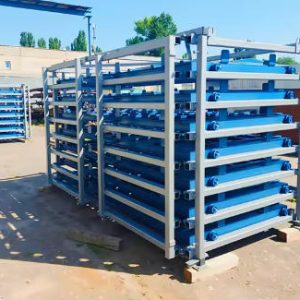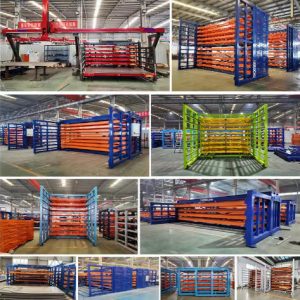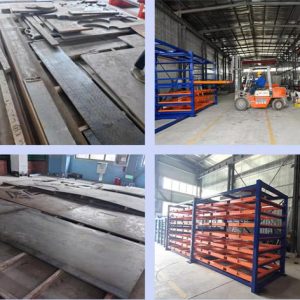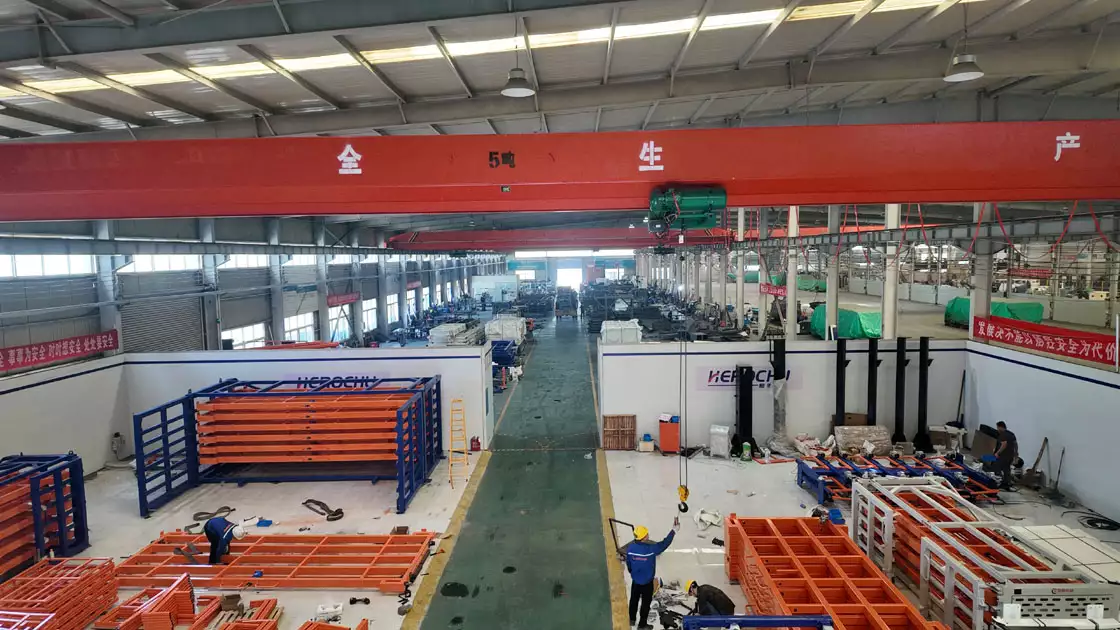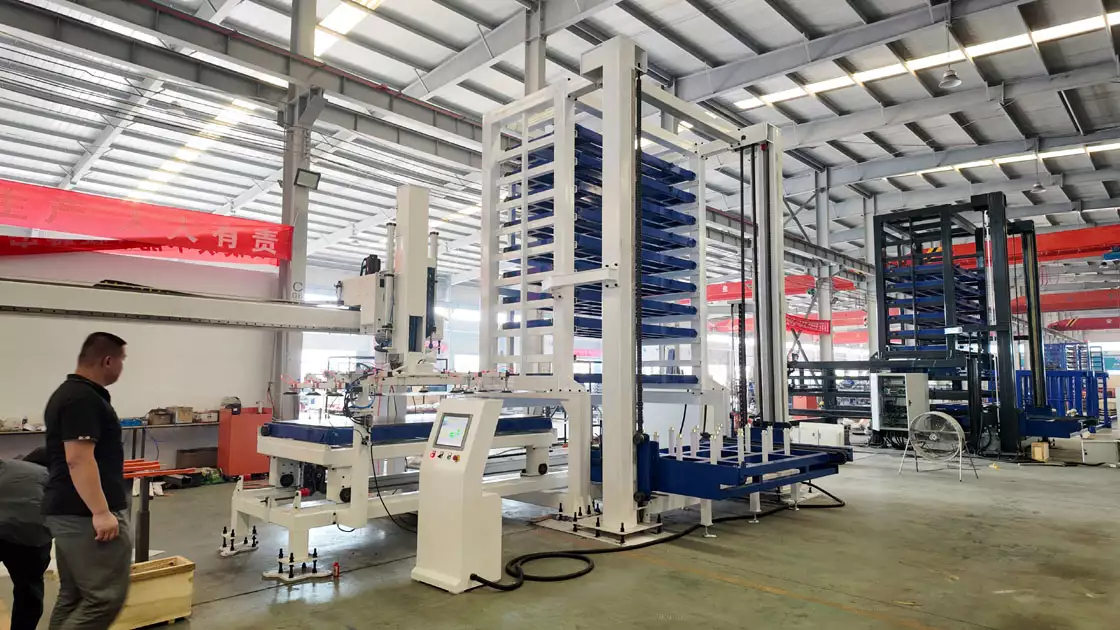
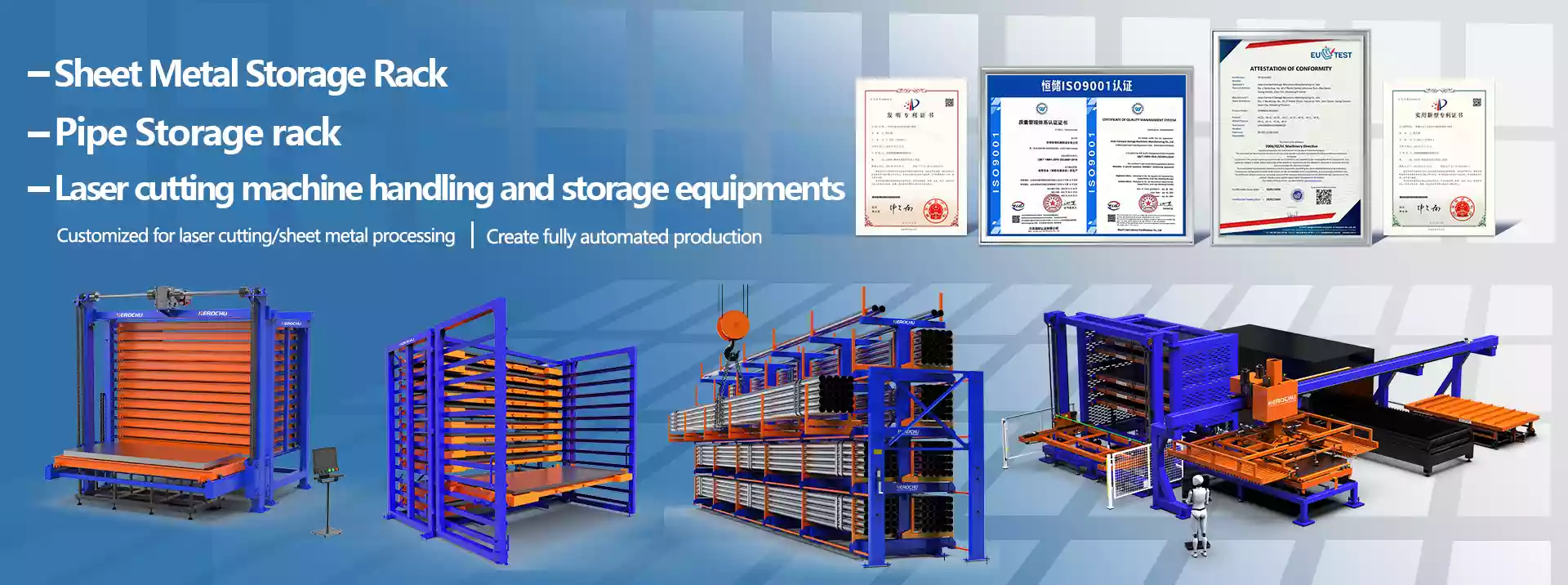
Efficiently storing sheet metal isn’t just about finding space—it’s about creating a system that supports speed, safety, and scalability. Heavy-duty steel racking for sheet metal storage delivers exactly that, combining industrial-grade construction with ergonomic design to meet the rigorous demands of fabrication shops, automotive suppliers, and aerospace manufacturers.
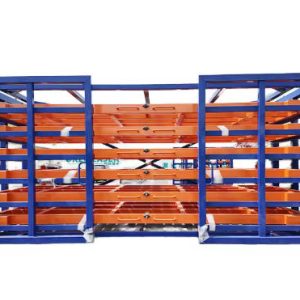
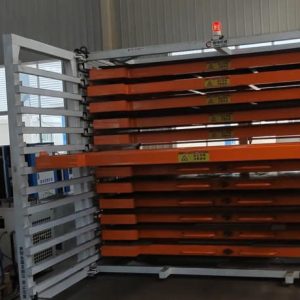
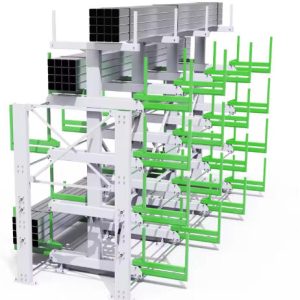
Unlike makeshift solutions like ground stacking or basic A-frames, these engineered racks provide structured, layered storage that protects materials from warping, scratching, or moisture damage. With standardized models accommodating plate sizes up to 3 meters in length and 1.5 meters in width, businesses can store everything from mild steel blanks to precision laser-cut panels—all within a single, unified system. Each unit offers 12 levels of storage, effectively multiplying usable space without expanding the facility’s footprint.
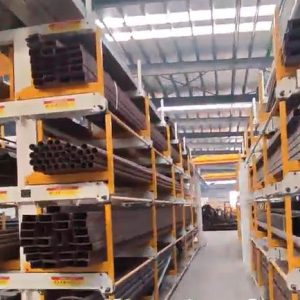
The vertical configuration is key to this efficiency. By standing sheets upright rather than laying them flat, warehouses reduce floor congestion and improve air circulation—critical for preventing condensation and corrosion. Moreover, vertical storage allows for clear visual identification of contents, making inventory checks faster and more accurate. When paired with color-coded labels or digital tracking tags, this layout becomes a cornerstone of modern warehouse management.
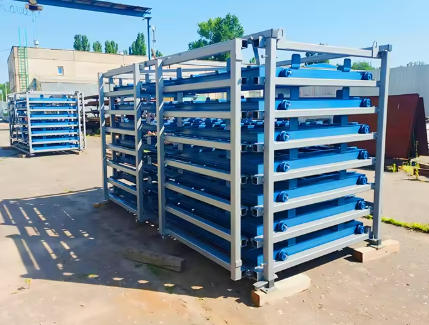
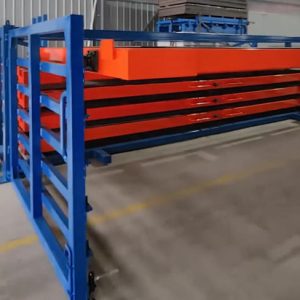
Handling is equally optimized. The drawer-style shelves glide smoothly on hardened steel rails, enabling single-person operation even with full loads. Sleepers integrated into each pallet level act as guides for forklift forks, ensuring consistent alignment during loading and unloading. This reduces the risk of dropped sheets—a common cause of workplace accidents and material waste.
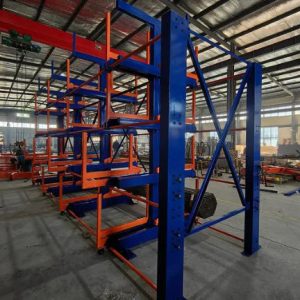
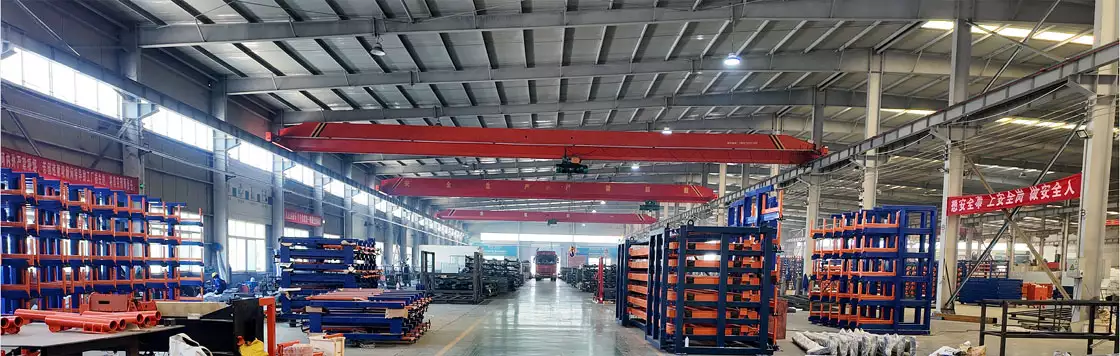
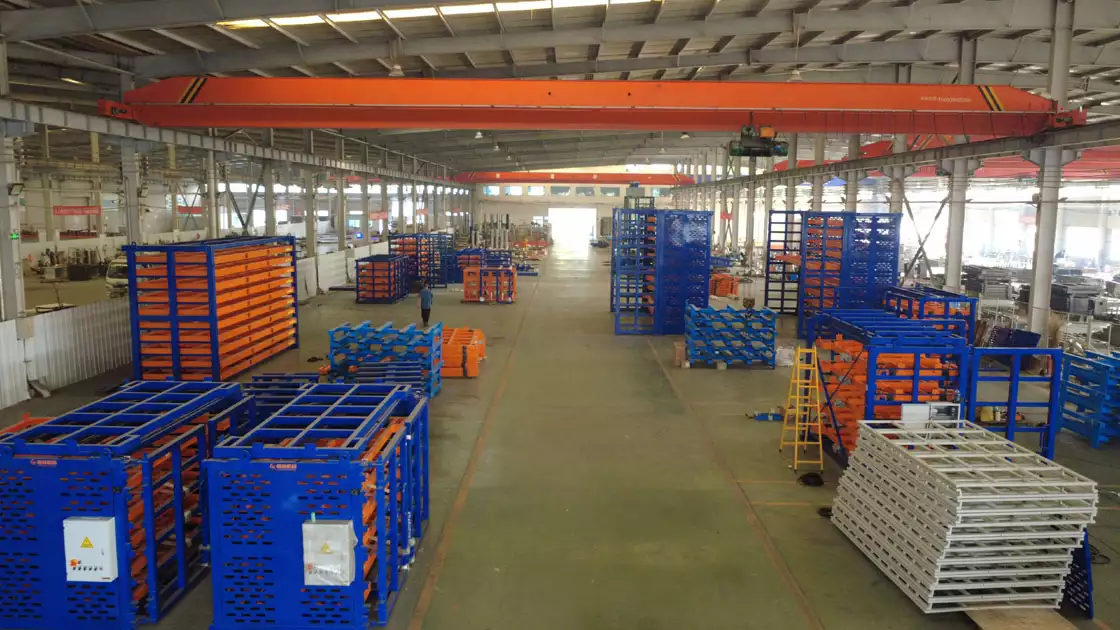
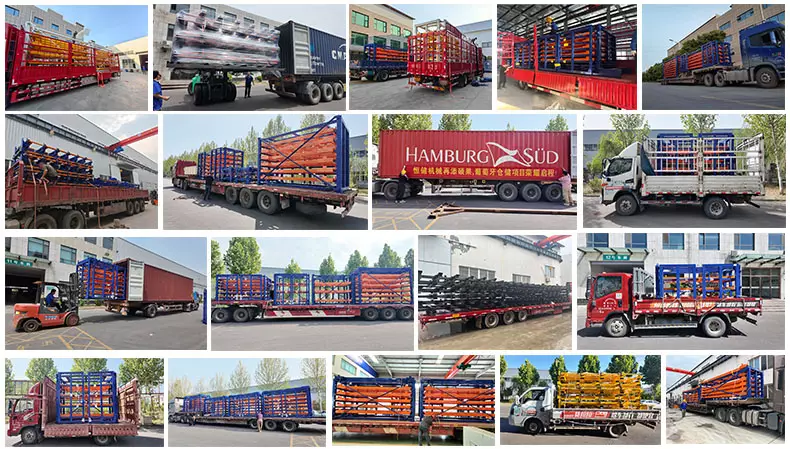
Structural integrity is guaranteed through meticulous material selection and fabrication processes. Main frames use Q235B carbon steel, renowned for its balance of strength and ductility. Welding is performed under CO₂ shielding to prevent porosity and ensure joint durability. All external surfaces receive a corrosion-resistant plastic coating, while internal moving parts undergo blackening treatment for long-term rust prevention. Before shipment, every rack is subjected to full-load testing to verify stability under maximum capacity.
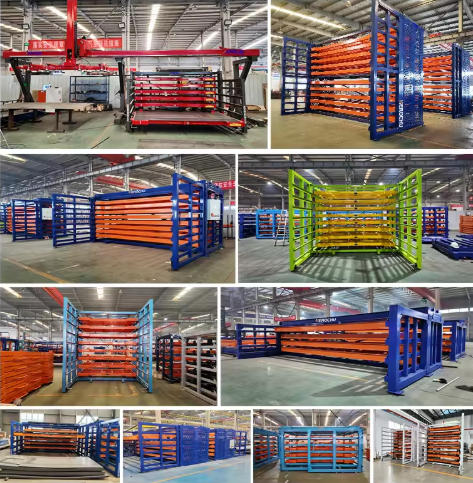
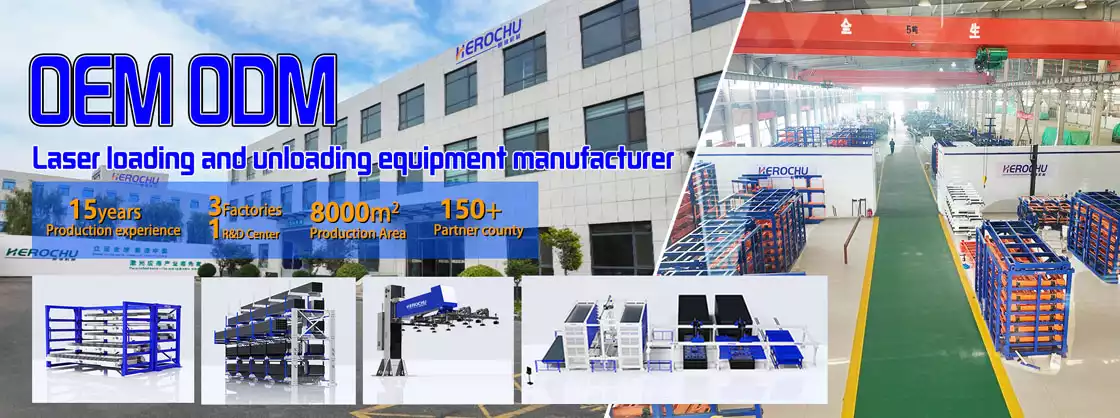
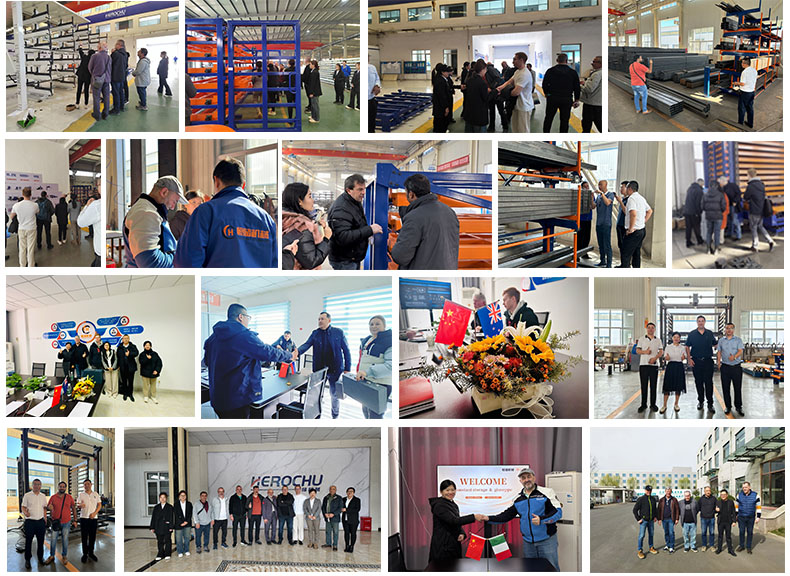
The engineering behind these systems reflects deep industry expertise. Supported by two dedicated R&D divisions—the Board and Tube Storage Division and the Intelligent Storage Division—the company leverages 3D simulation to model real-world stress scenarios. Finite element analysis validates load distribution, deflection limits, and fatigue resistance, ensuring compliance with international safety standards.
Perhaps most impactful is the system’s ability to enforce classified storage. Different pipe types, sheet alloys, or project-specific batches can be segregated into designated drawers, eliminating cross-contamination and retrieval delays. “No more confusion” isn’t just a slogan—it’s a measurable outcome. Teams report up to 40% faster picking times and significantly fewer misshipments after implementation.
For any operation serious about optimizing its sheet metal workflow, heavy-duty steel racking isn’t just an upgrade—it’s a transformation.