In the pursuit of manufacturing excellence, the integration of disparate systems into a cohesive workflow is often the key to unlocking true potential. The Gantry-type automatic loading/unloading machine serves as the vital link that connects material storage, handling, and laser cutting into a unified, optimized production line. By bridging these elements, it creates a seamless flow of materials that minimizes delays, maximizes throughput, and ensures consistent quality.
The Architecture of Seamless Integration
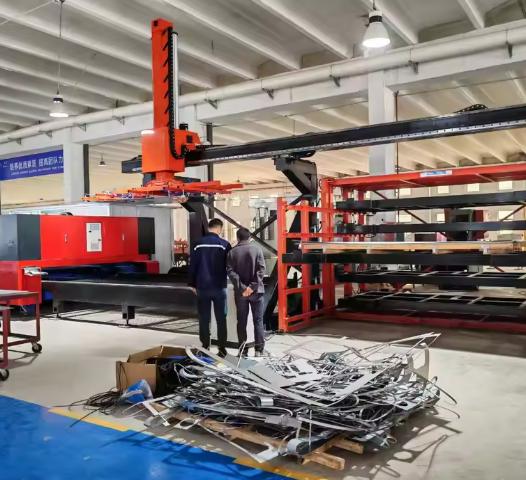
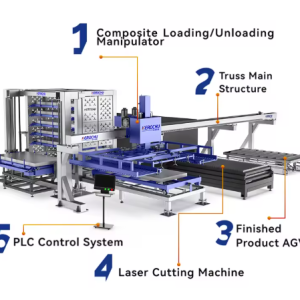
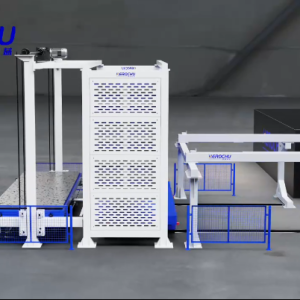
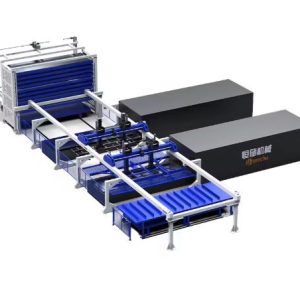
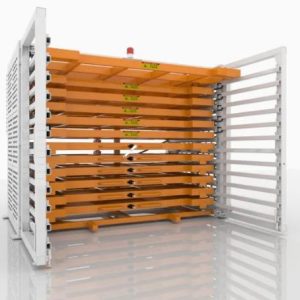
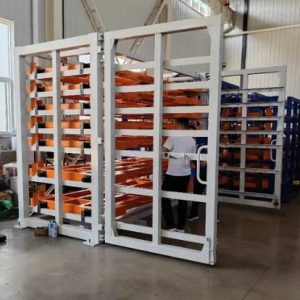
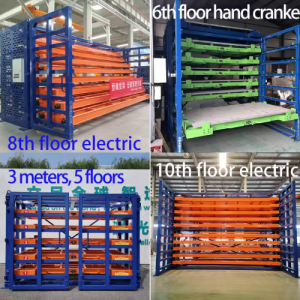
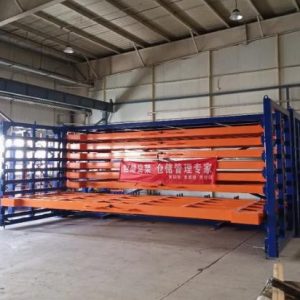
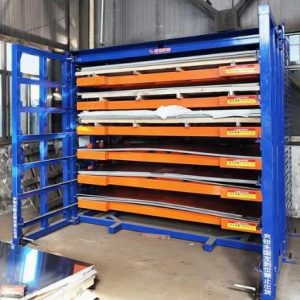
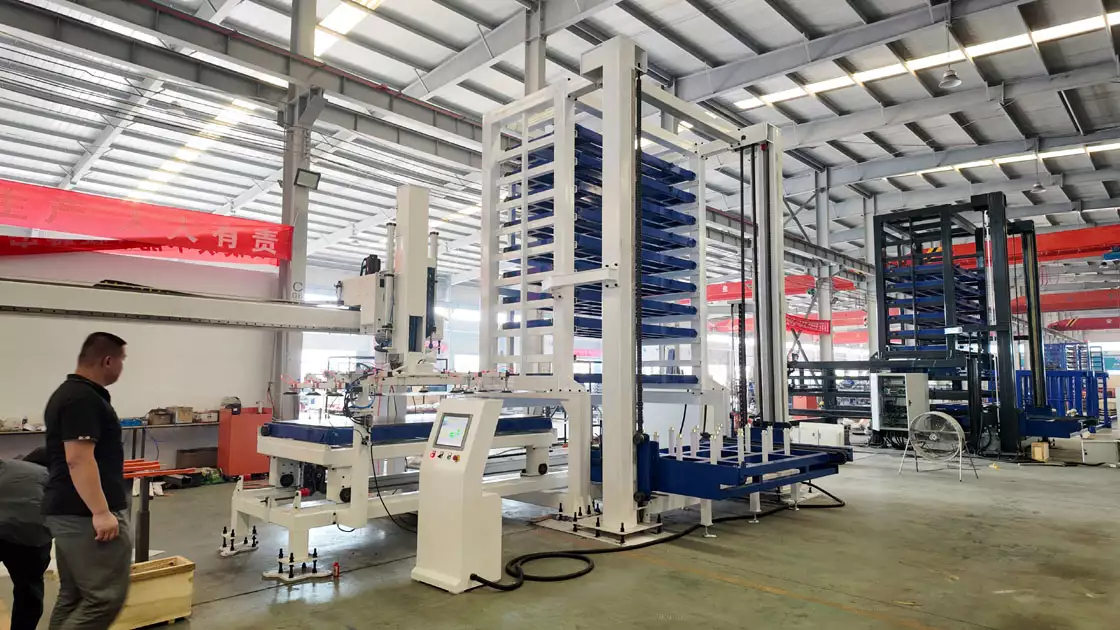
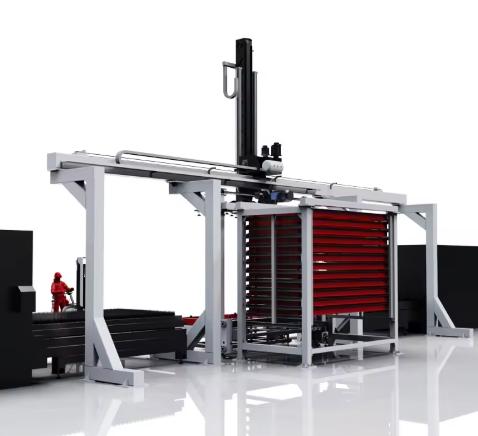
The beauty of the Automatic Loading And Unloading System Gantry Loader lies in its holistic architecture. It is not a standalone device but a carefully orchestrated ensemble of components working in harmony. The system comprises a three-dimensional storage warehouse, a bilateral gantry truss, a composite truss manipulator, a finished material truck, and a sophisticated PLC/CNC control system. Together, these elements form a sheet metal automatic production unit that operates with a level of synchronicity impossible to achieve with manual methods.
The CNC control system acts as the conductor of this orchestra. It receives orders from the factory’s ERP or MES system, retrieves the appropriate raw materials from the warehouse, directs the gantry robot to load the laser cutter, monitors the cutting process, and finally orchestrates the unloading and stacking of finished parts. This end-to-end automation ensures that information and materials flow without interruption, creating a truly lean manufacturing environment.

Flexibility for Diverse Production Needs
Modern manufacturing is characterized by high variability. Customers demand custom parts, short lead times, and a wide range of materials. The Gantry Robot for Automated Handling is designed with this flexibility in mind. It can handle sheet sizes from 3015mm up to 6025mm and support load capacities of 3T to 5T. Whether processing thin aluminum sheets for electronics enclosures or thick steel plates for structural components, the system adapts effortlessly.
The optional plate support configurations allow for further customization, ensuring that delicate materials are handled without scratching or deformation. The system’s ability to store multiple programs means that switching between jobs is instantaneous. An operator can queue up a day’s worth of diverse orders, and the system will execute them in sequence without manual reconfiguration. This flexibility is crucial for job shops that need to respond quickly to changing customer demands.
Driving Efficiency Through Automation
The primary driver for adopting the Gantry-type automatic loading/unloading machine is efficiency. Manual loading and unloading are inherently slow and inconsistent. Workers need breaks, shifts change, and fatigue sets in. In contrast, the automated system works tirelessly, maintaining a constant pace of 12m/min for horizontal movement and 9m/min for vertical lifts.
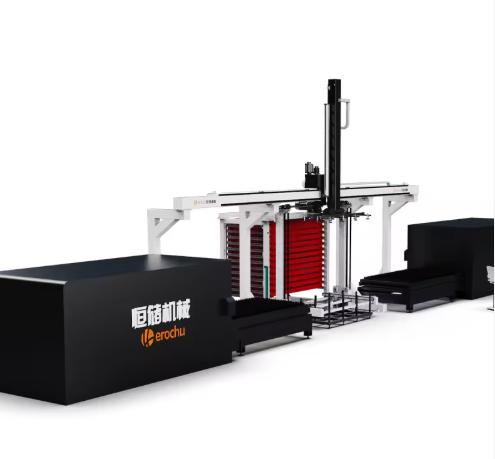
This consistent speed translates directly into higher machine utilization rates. Laser cutting machines are expensive assets; every minute they sit idle waiting for material is money lost. By ensuring that the laser is always fed with the next sheet immediately after finishing the previous one, the system maximizes the return on this capital investment. Furthermore, the double-layer electric exchange material car ensures that raw material supply is never a bottleneck, allowing for continuous operation even during extended runs.
Quality Assurance Through Precision
Consistency is the hallmark of quality. In manual operations, slight variations in how a sheet is placed can lead to significant deviations in the final product. The Intelligent Gantry Loading Manipulator eliminates these variations. Using precise servo motors and feedback loops, it positions every sheet with exacting accuracy. This precision ensures that the laser beam follows the intended path perfectly, resulting in clean cuts and accurate dimensions.
Reduced variability means fewer rejected parts and less rework. For manufacturers operating on thin margins, the reduction in waste material and labor hours spent on corrections can make the difference between profit and loss. Additionally, the system’s ability to track each job provides a digital trail of quality data, which can be used for traceability and continuous improvement initiatives.
Creating a Safer Workplace
Safety improvements are a direct benefit of implementing the Automatic Loading and Unloading System. By removing workers from the immediate vicinity of heavy moving loads and high-power lasers, the risk of catastrophic accidents is greatly diminished. The system’s enclosed design and sensor networks create a safe perimeter, allowing humans to work nearby without fear of injury.
This shift in roles also allows workers to transition from physically demanding tasks to more cognitive ones. Operators can focus on programming, quality control, and system optimization, roles that are more engaging and less prone to turnover. A safer, more satisfying workplace leads to higher employee retention and a stronger company culture.
Future-Ready Manufacturing
As we look towards the future of manufacturing, the Gantry-type automatic loading/unloading machine positions companies at the forefront of Industry 4.0. Its connectivity capabilities allow for integration with IoT platforms, enabling real-time data analytics and predictive maintenance. Manufacturers can monitor performance metrics remotely, receive alerts for potential issues, and optimize production schedules based on real-time demand.

The system’s modular nature ensures that it can grow with the business. Additional storage layers, faster drives, or advanced vision systems can be added as needs evolve. This scalability protects the investment, ensuring that the system remains relevant and effective for years to come.
Conclusion
The Gantry-type automatic loading/unloading machine is the catalyst for transforming fragmented production processes into a streamlined,efficient powerhouse. By seamlessly integrating storage, handling, and cutting, it delivers a level of workflow optimization that manual methods cannot match. For manufacturers committed to excellence, this system offers the perfect blend of speed, precision, safety, and flexibility, paving the way for a prosperous and sustainable future in sheet metal fabrication.