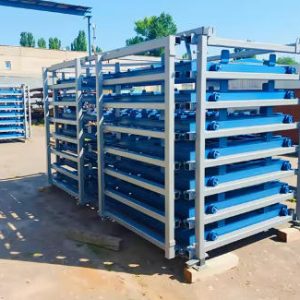
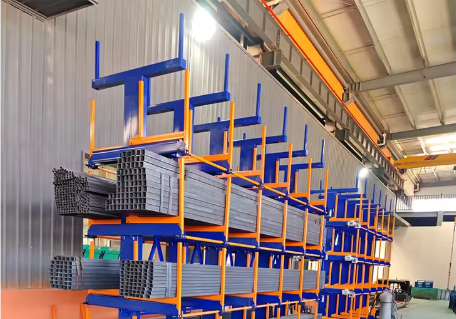
Choosing the right storage system isn’t just about holding metal—it’s about enabling speed, accuracy, and profitability in your daily operations. In metal fabrication shops across North America, Europe, and Asia, a common mistake persists: using cantilever racking for sheet metal storage. While cantilever systems excel with long structural items like I-beams or pipes, they create serious inefficiencies when applied to flat, dense materials like 4×8 or 5×10 steel or aluminum plates. This article breaks down why roll-out drawer racks are often the superior choice for laser cutting, bending, and CNC machining environments—and when you might still want to keep cantilever racks in your layout.
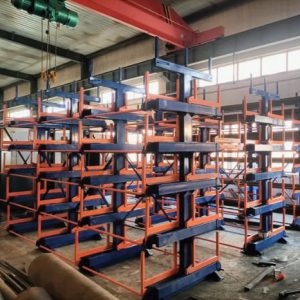
The “Buried Inventory” Problem with Cantilever Racks
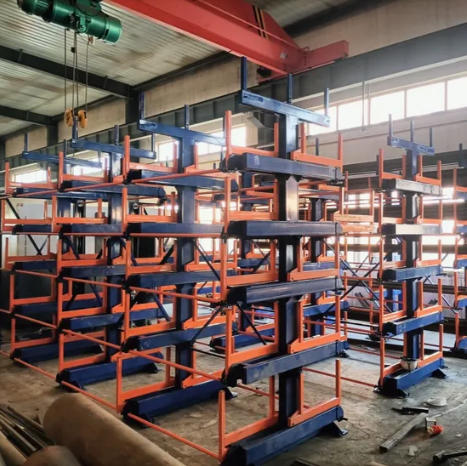
Imagine this scenario: your shop runs three shifts, and the night crew needs a specific 10-gauge mild steel sheet stored on the bottom of a cantilever arm stack. To reach it, they must:
- Unload the top bundle (perhaps 3/16″ plate).
- Temporarily place it in an aisle—blocking workflow.
- Remove the middle layer (maybe stainless 304).
- Finally access the target sheet.
- Reverse the entire process after use.
This “Last-In, First-Out” (LIFO) bottleneck isn’t just slow—it’s costly. Every minute spent shuffling material is a minute not spent cutting, welding, or shipping. Over a month, this can add up to dozens of lost labor hours and increased risk of damage from repeated handling.
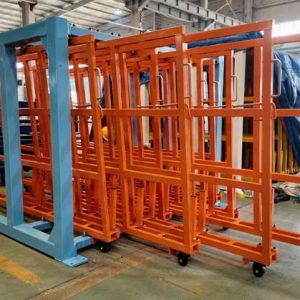
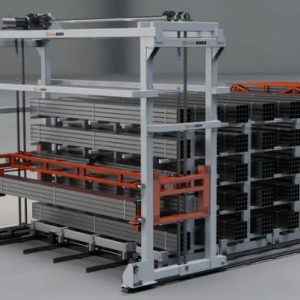
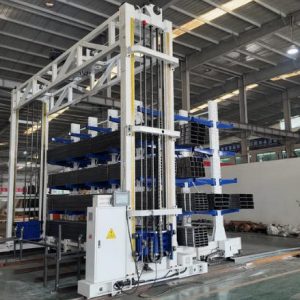
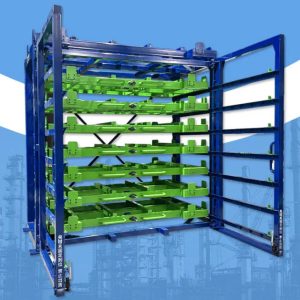
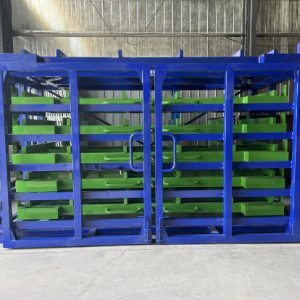
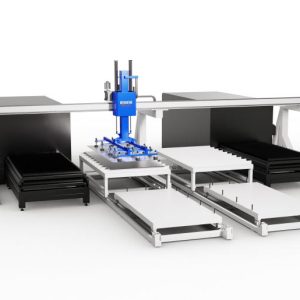
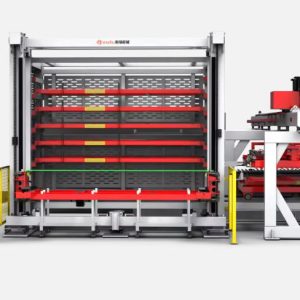
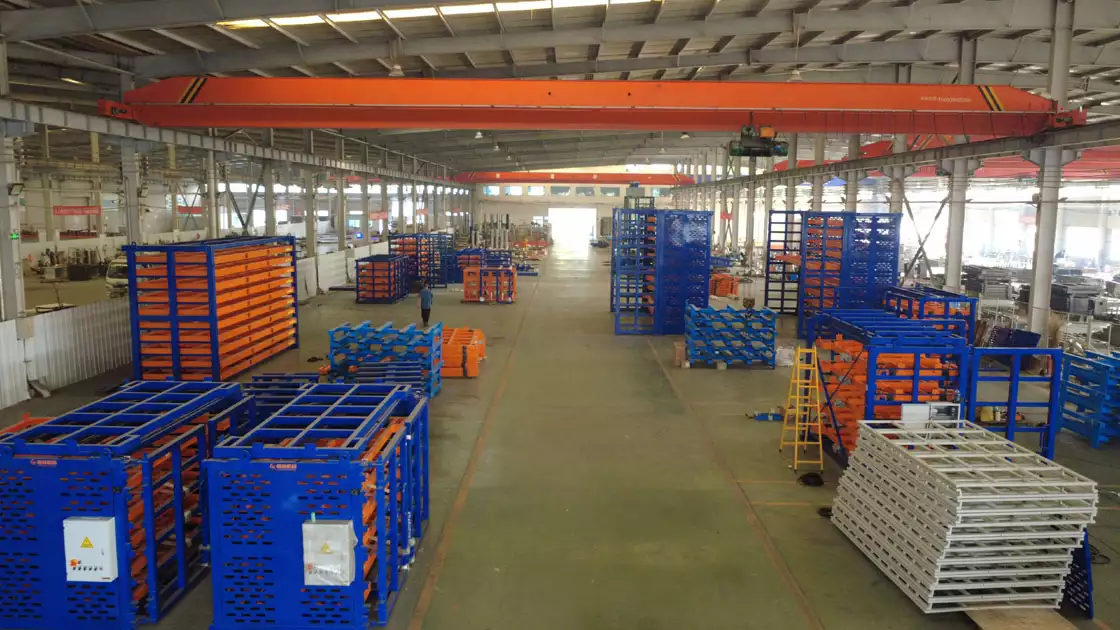
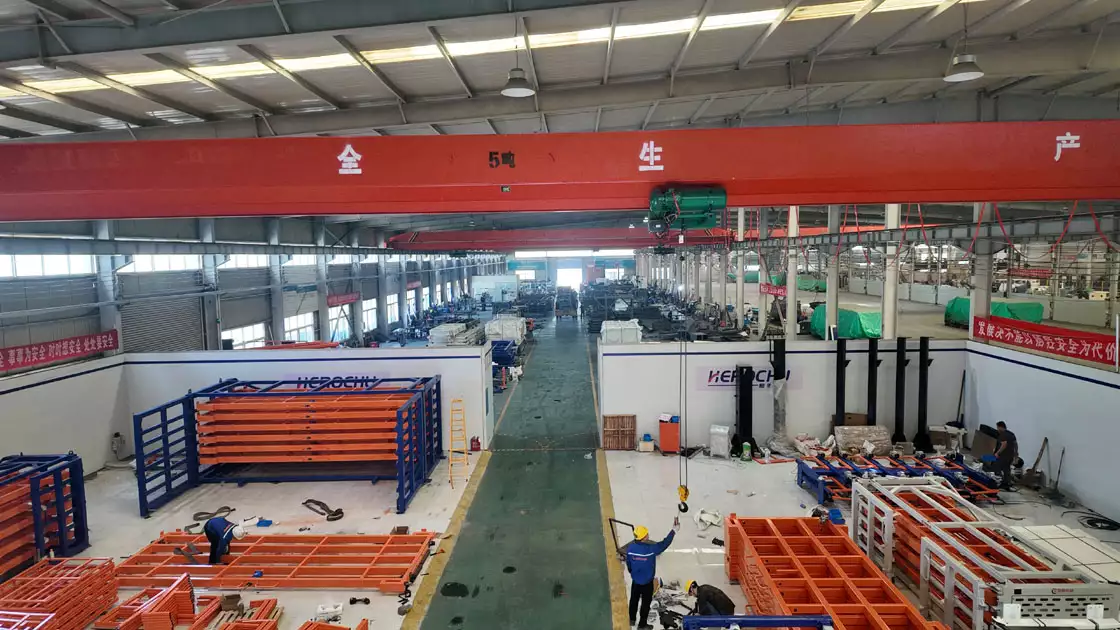
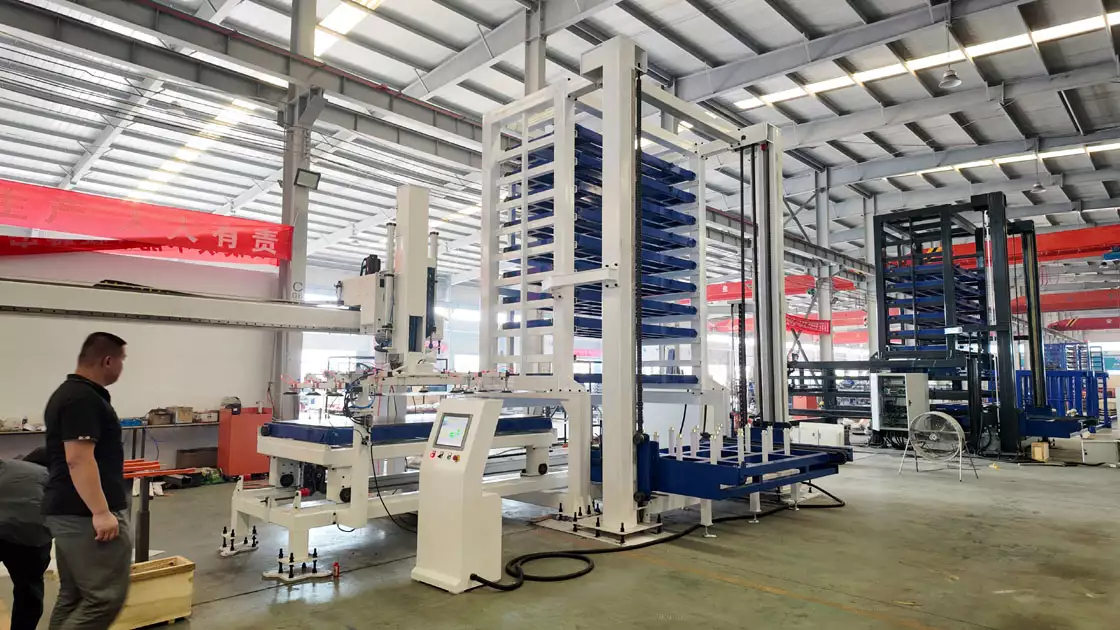
In contrast, a roll-out sheet metal rack eliminates this entirely. Each drawer operates independently. With a simple crank or motorized assist, the drawer extends 100%, presenting the full sheet at ergonomic height. A crane or vacuum lifter can extract the exact piece needed—no rearranging, no blocked aisles, no guesswork. This “First-In, First-Out” (FIFO) accessibility is critical for shops managing multiple material grades, finishes, or customer-specific batches.
Space Efficiency: Reclaiming Your Shop Floor
Cantilever racks demand wide aisles—typically 4 to 5 meters—to accommodate forklifts maneuvering large plates. That turning radius isn’t just inconvenient; it’s expensive. In urban industrial zones where floor space costs 10–30 per square foot annually, every unused meter represents wasted capital.
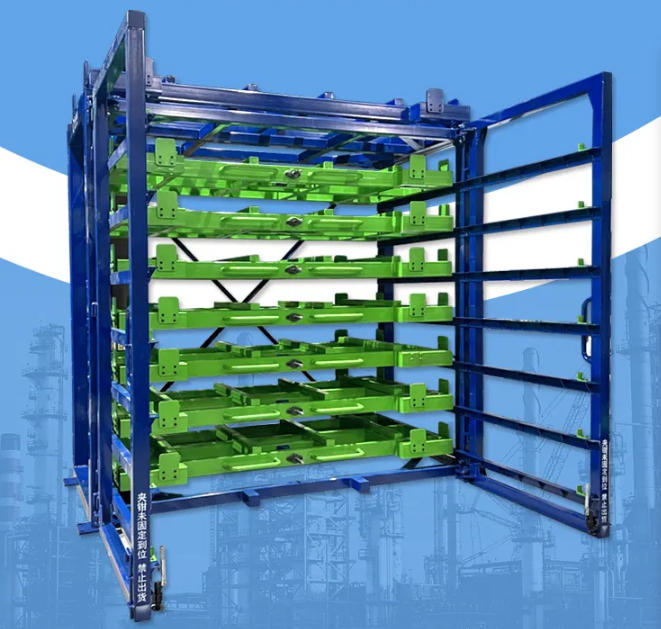
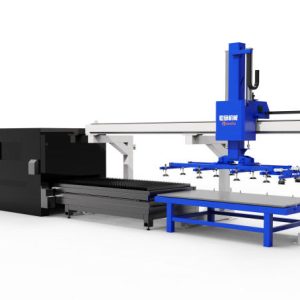
Roll-out systems, however, are designed for overhead crane or vacuum lifter operation. Since the drawer brings the material to the operator, there’s no need for a forklift to enter the storage zone. This allows racks to be placed back-to-back, along walls, or in tighter corners—boosting storage density by up to 40%. Some clients have even converted former “dead zones” near columns or doors into high-capacity sheet storage areas.
Protecting High-Value Surfaces
For shops working with brushed aluminum, mirror-finish stainless, or pre-painted steel, surface integrity is non-negotiable. Sliding a polished sheet onto bare cantilever arms almost guarantees scratches, dents, or edge deformation—especially if debris is present. The point-load pressure from narrow arms can also warp thinner gauges over time.
Roll-out drawers solve this with full-support base frames. Sheets are lowered vertically onto evenly spaced support bars, eliminating sliding friction during both storage and retrieval. No dragging. No scraping. Just clean, controlled placement. For architectural metal fabricators or automotive suppliers, this difference can prevent thousands in scrap losses annually—not to mention preserving your reputation for quality.
Head-to-Head: Operational Comparison
| Feature | Cantilever Racking | Roll-Out Drawer Rack |
|---|---|---|
| Selectivity | Low – must move upper layers | 100% – direct access to every level |
| Picking Speed | Slow – requires forklift & shuffling | Fast – crane or vacuum pick in seconds |
| Safety | Moderate – risk of falling loads during re-stacking | High – stable, contained drawers with lock-out mechanisms |
| Ideal For | Long linear stock (tube, bar, beam) | Flat products (sheet, plate, tooling dies) |
When to Keep Cantilever Racks
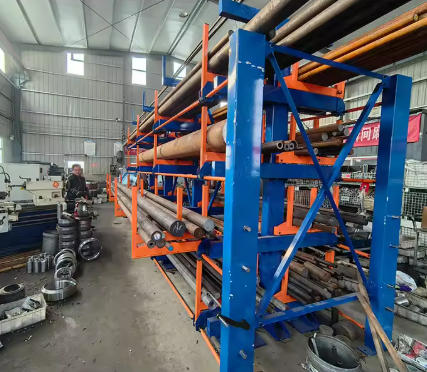
Let’s be clear: cantilever racking isn’t obsolete. If your primary inventory consists of 6-meter structural steel, square tubing, or aluminum extrusions, cantilever remains the gold standard. Its open design accommodates variable lengths, and loading/unloading with a forklift is straightforward.
The key is material-appropriate storage. Many successful shops run a hybrid system: cantilever towers for bars and tubes along one wall, and roll-out drawer banks for sheet metal near the laser cutter. This strategic zoning ensures every material type is handled by the optimal system—maximizing throughput without over-engineering.
ROI: Is the Higher Upfront Cost Worth It?
Yes—when viewed through the lens of total operational cost. While roll-out racks carry a higher initial price due to precision bearings, heavy-duty slides, and safety interlocks, the payback period is typically 12–18 months. Savings come from:
- Labor reduction: No double-handling = fewer man-hours per job.
- Space optimization: More revenue-generating machines per square foot.
- Damage prevention: Fewer scrapped sheets = higher margins.
- Faster order fulfillment: Direct access speeds up job turnaround.
One Midwest fabricator reported a 22% increase in laser cutter utilization within three months of switching to roll-out drawers—simply because operators spent less time hunting for material.
Final Recommendation
If 80% or more of your daily headaches involve locating, moving, or damaging sheet metal, forcing cantilever racks to do a job they weren’t designed for is a losing strategy. Invest in purpose-built roll-out sheet storage for your flat stock, and reserve cantilever for your long goods. The result? A cleaner, safer, and significantly more efficient workshop that scales with your production goals.