Meta Description: Struggling with slow material handling? We compare Cantilever Racks and Roll-Out Drawers for sheet metal storage, focusing on efficiency, labor costs, and long-term ROI for fabrication shops.
If you’re running a fabrication workshop, you know that speed, precision, and efficiency are the lifeblood of your operation. But there’s a silent productivity killer lurking in many shops: an inefficient storage system for sheet metal. The common debate often centers on Cantilever Racks vs. Roll-Out Drawers: Which Fits Your fabrication workshop? While cantilever racks are a familiar sight, using them for flat, dense materials like 4×8 sheet metal can be a costly mistake that strangles your workflow.
This isn’t just about where you put your metal; it’s about how your storage choice impacts your bottom line. Let’s break down the real-world operational differences to help you make an investment that pays for itself.
The Hidden Inefficiency: Unmasking the “Buried Inventory” Problem
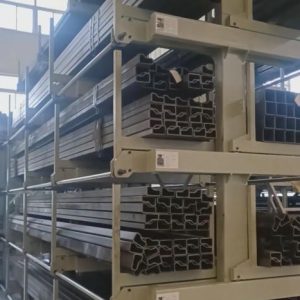
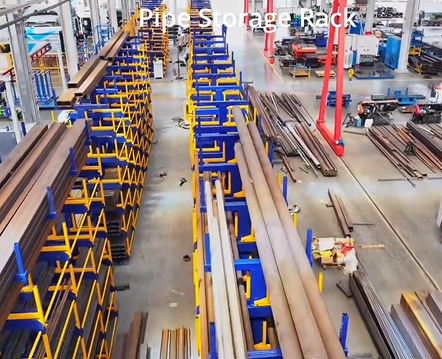
The fundamental flaw of using cantilever racks for sheet stock is a problem of accessibility. Imagine storing three different gauges of steel on a single set of cantilever arms. You’ve just created a “Last-In, First-Out” (LIFO) nightmare.
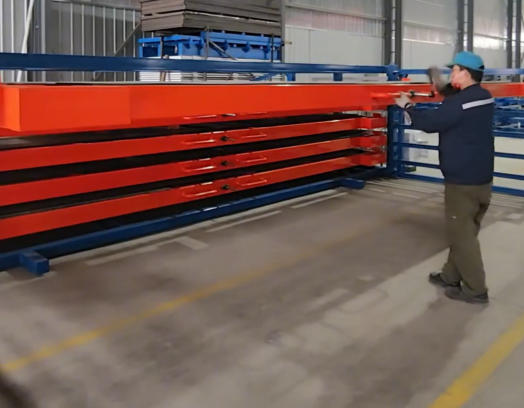
To retrieve a sheet from the bottom, your operator is forced into a time-consuming and dangerous dance:
- Use a forklift to remove the top bundle.
- Find temporary floor space for it, often blocking a critical aisle.
- Remove the middle bundle, creating another obstacle.
- Finally, access the target sheet.
- Reverse the entire process to put everything back.
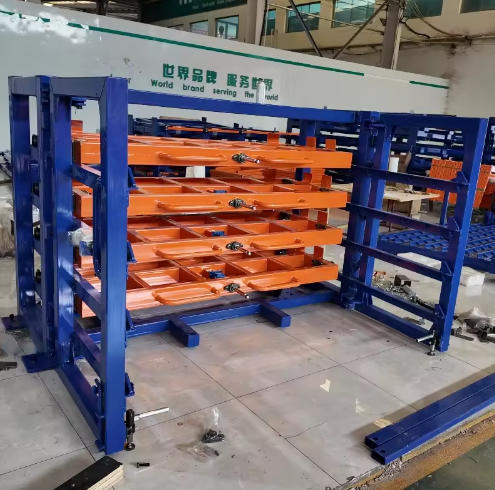
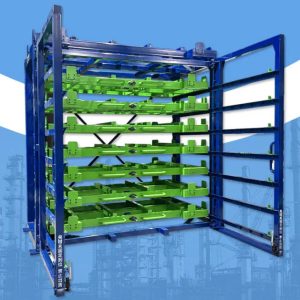
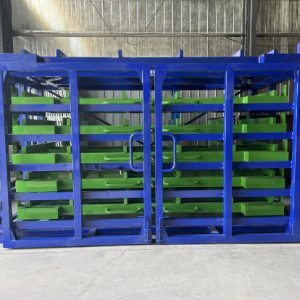
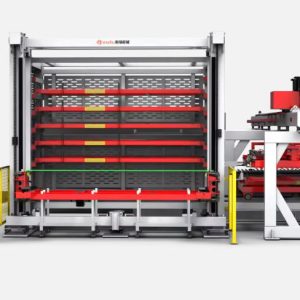
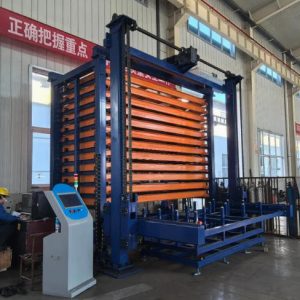
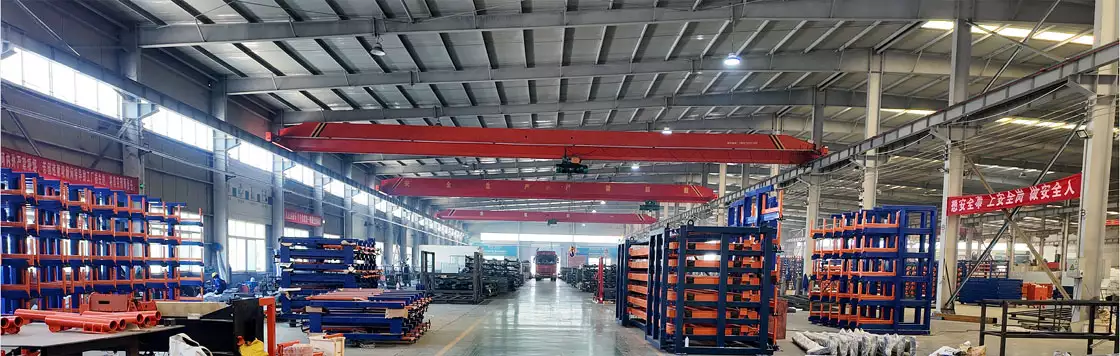
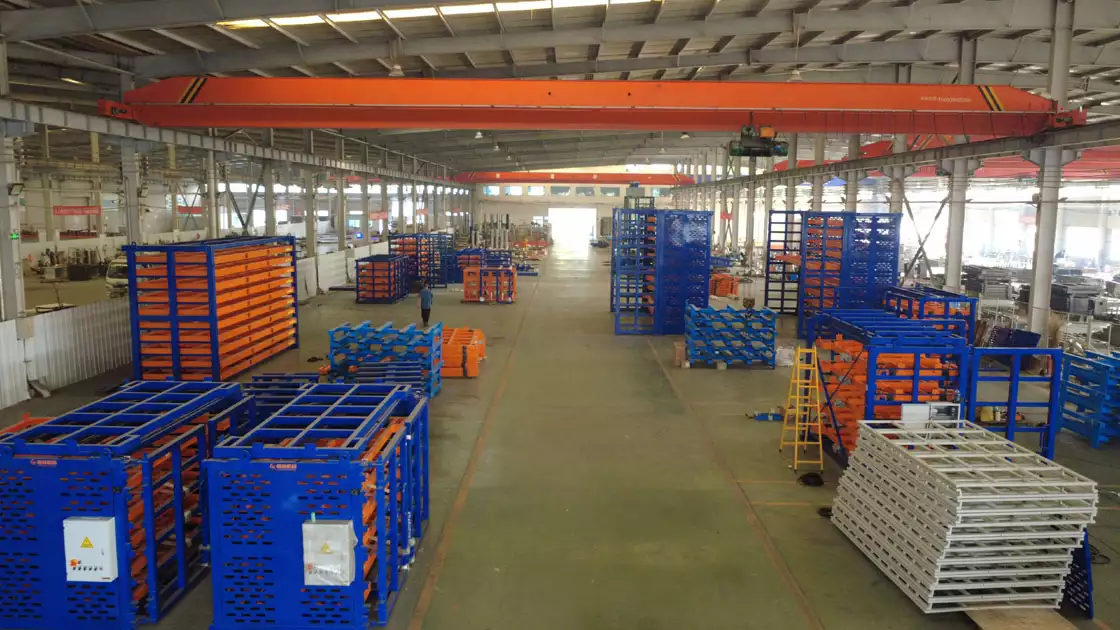
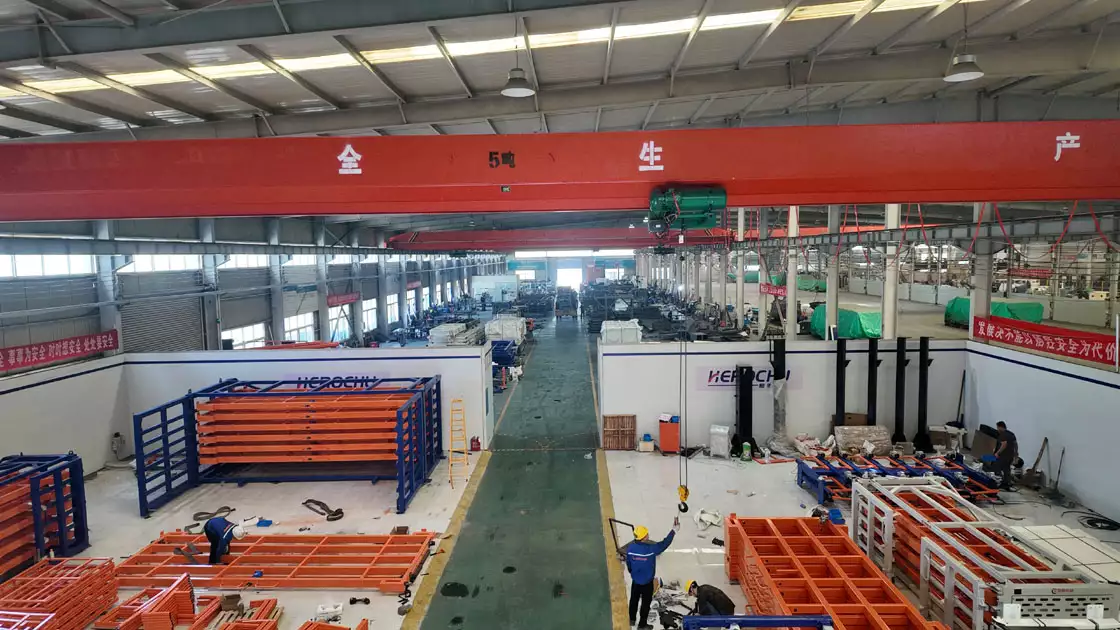
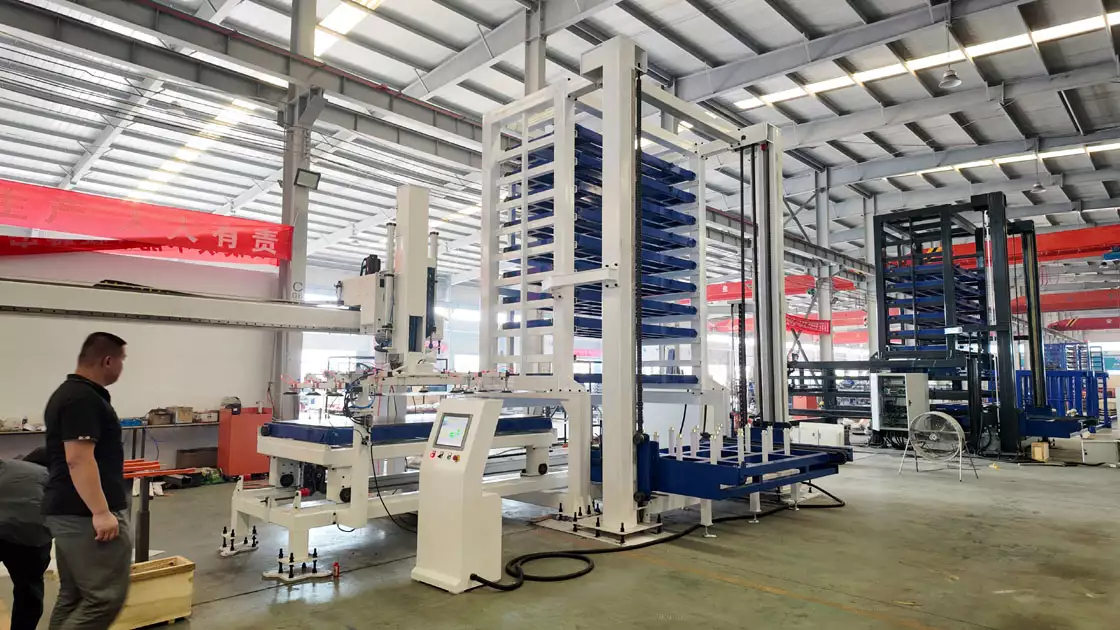
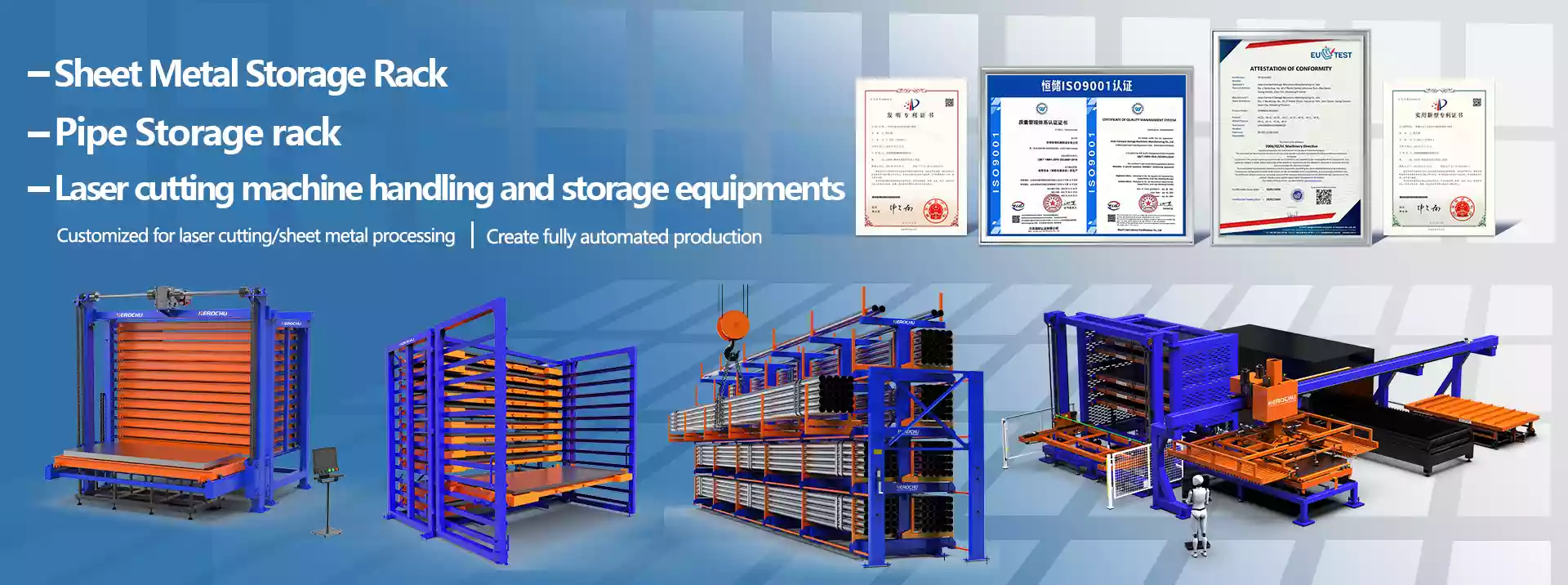
This “shuffling” isn’t just slow; it’s expensive. It wastes skilled labor hours, increases the risk of accidents and damage, and creates a chaotic work environment. In contrast, a modern Sheet Metal Storage Rack with roll-out drawers offers 100% selectivity. Each shelf is an independent drawer. Your operator simply cranks a handle, the drawer glides out fully, and the exact required sheet is presented for easy pickup with an overhead crane or vacuum lifter. Zero shuffling, zero wasted time.
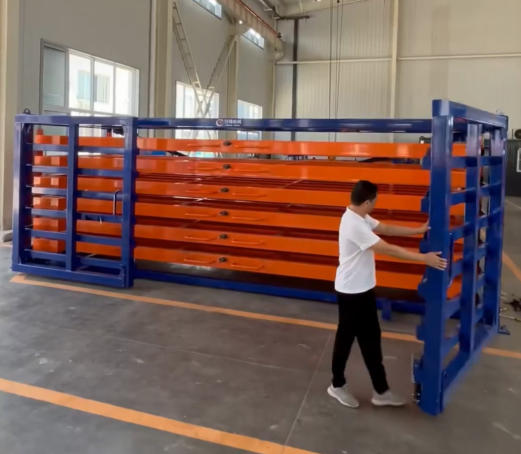
Floor Space: Your Most Valuable Real Estate
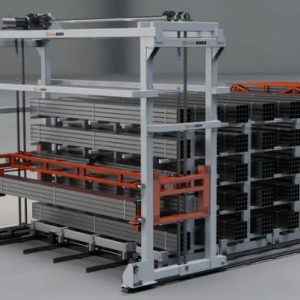
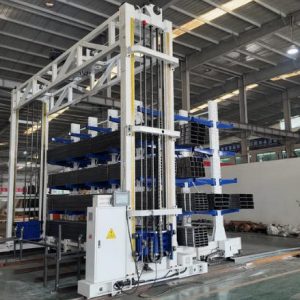
Every square meter of your workshop floor is valuable. Cantilever racks, designed for forklift access, demand wide aisles—typically 4 to 5 meters—to allow a forklift to maneuver with a large, cumbersome plate. This “turning radius” is dead space that isn’t generating revenue.
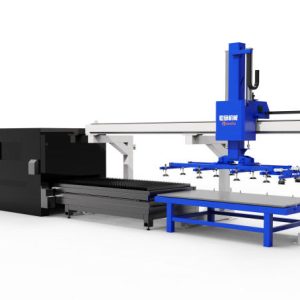
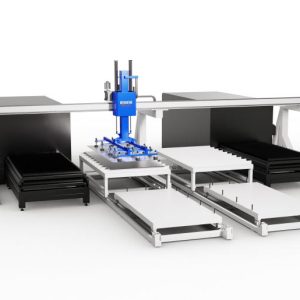
Roll-Out Racks, however, are designed for crane-based retrieval. Because the drawer brings the material to the operator, there’s no need for a forklift to enter the rack structure. This allows you to place storage units closer together or utilize tight, awkward corners of your shop. The result is a dramatic increase in storage density per square meter, effectively giving you more productive space without expanding your building.
Beyond Speed: Protecting Your Material and Your Investment
For workshops working with polished aluminum, stainless steel, or pre-finished materials, surface protection is non-negotiable. Sliding a pristine sheet onto the metal arms of a cantilever rack is an invitation for scratches, gouges, and costly damage. Point-loading from the arms can dent softer metals, and any debris on the arms acts like sandpaper during the sliding process.
A roll-out drawer system eliminates this risk entirely. The material is placed straight down onto robust support bars. There is no lateral sliding friction during storage or retrieval. For businesses in high-end architectural metalwork or precision automotive fabrication, this single feature can save thousands of dollars annually in scrapped material and rework.
The Bottom Line: Initial Cost vs. Long-Term Value
It’s true: the upfront investment for a Roll-Out Drawer system is higher than for a basic cantilever rack. The integrated mechanical components and engineering justify the price. However, the true analysis lies in the Return on Investment (ROI).
The ROI of a roll-out system isn’t measured in its purchase price, but in the elimination of recurring costs:
- Labor Savings: Drastically reduced picking and handling time.
- Space Savings: Higher density storage frees up floor space for more machines.
- Damage Elimination: Significant reduction in material scrap.
- Safety Improvement: Reduced forklift traffic and load-shuffling accidents.
For most fabricators, the cumulative savings from these areas result in a payback period of just 12 to 18 months. After that, the system becomes a continuous profit center, making your workshop faster, safer, and more competitive. When your primary headache is sheet metal, the right tool for the job is unequivocally the roll-out drawer.