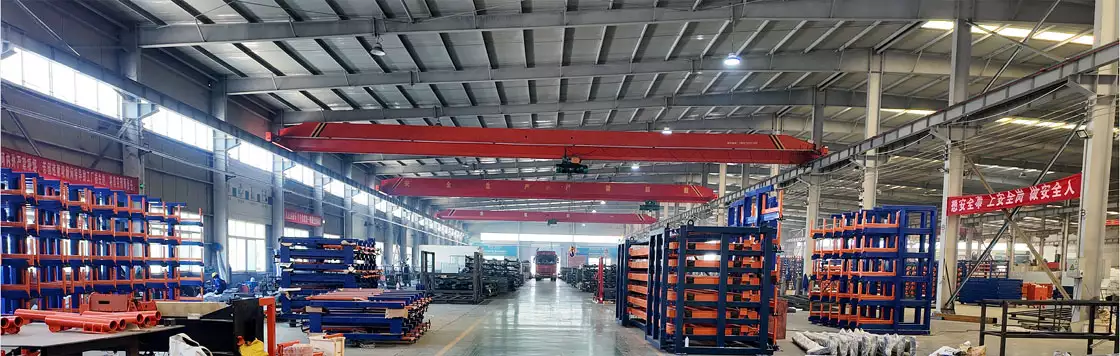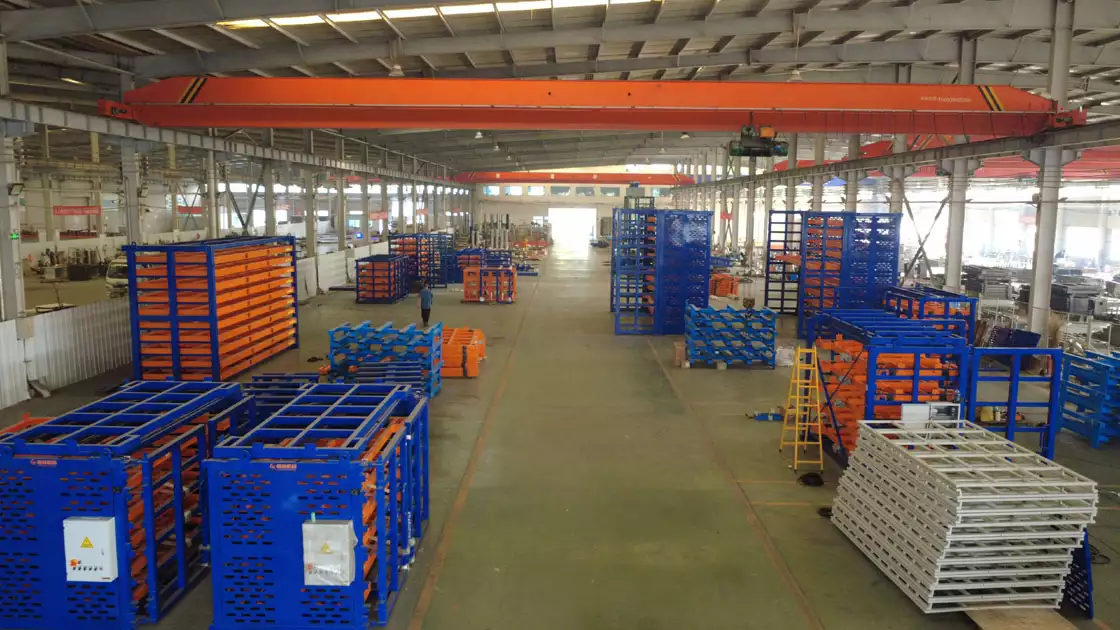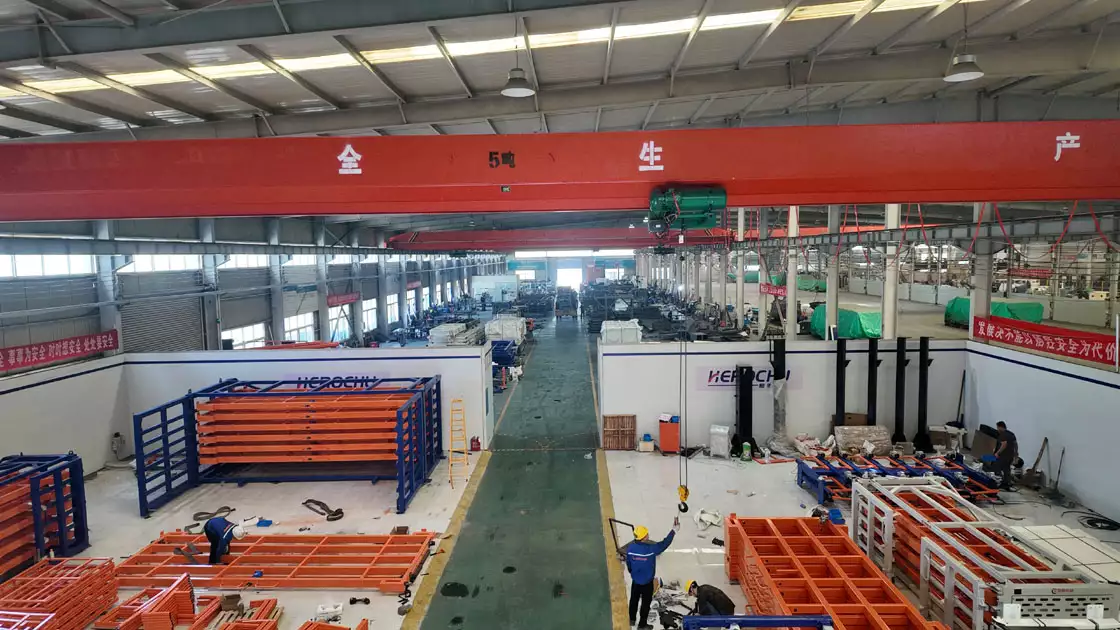
In today’s fast-paced manufacturing landscape—especially in sheet metal processing, laser cutting, and heavy fabrication—warehouse inefficiency is no longer just an operational nuisance; it’s a direct drag on profitability. One of the most persistent challenges across these industries is the chaotic handling of heavy plate materials. Plates are often stored in disorder, accessed slowly, and consume excessive floor space, leading to production delays, increased labor costs, and material damage.
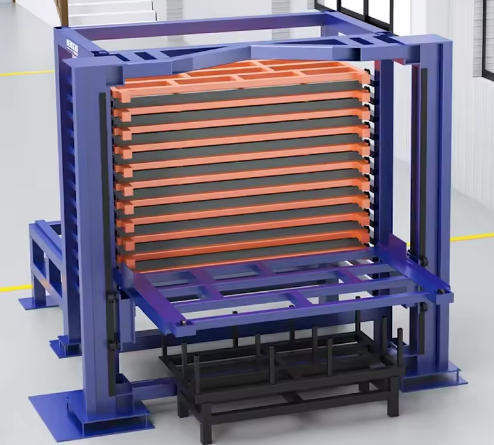
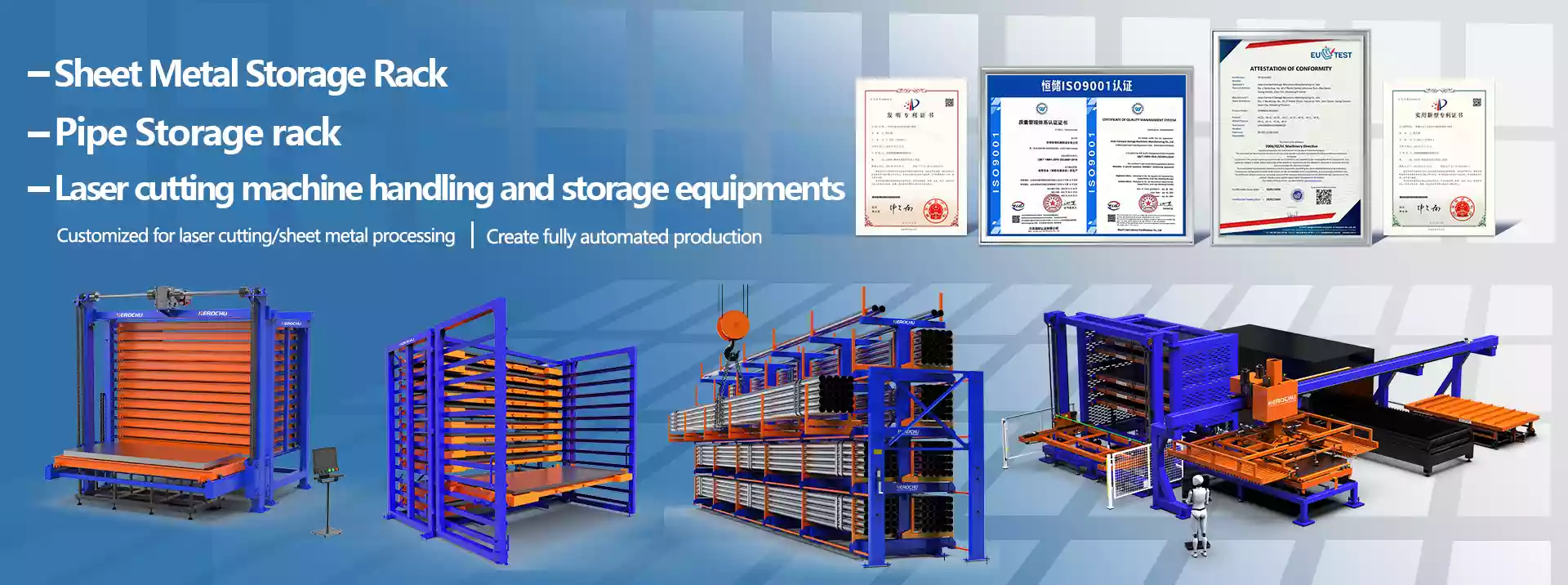
Enter the Automatic Vertical Storage System—a purpose-built, high-density intelligent solution designed specifically for sheet metal workshops seeking automation, precision, and space optimization.
The Core Problem: Why Traditional Sheet Metal Storage Fails
Most traditional warehouses rely on horizontal racking or floor stacking. While simple in concept, this method quickly becomes unsustainable as production scales. Operators waste valuable minutes—or even hours—searching for specific plates by thickness, material grade, or batch number. Manual lifting not only slows down operations but also introduces safety risks and surface damage (scratches, dents, warping) due to improper handling or compression.
Moreover, without digital tracking, inventory accuracy suffers. Overstocking ties up capital, while unexpected stockouts halt production lines. In high-mix, high-volume environments like laser cutting shops, where material changes occur dozens of times per shift, this inefficiency compounds rapidly.
How the Automatic Vertical Storage System Transforms Operations
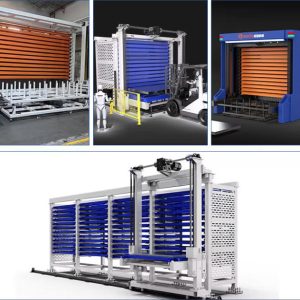
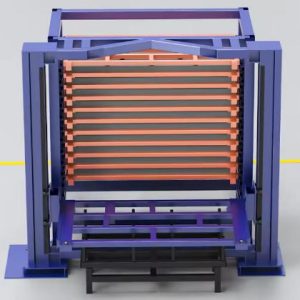
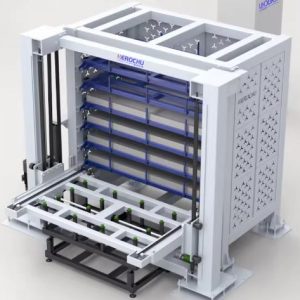
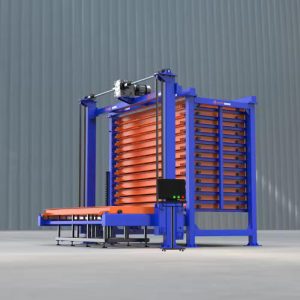
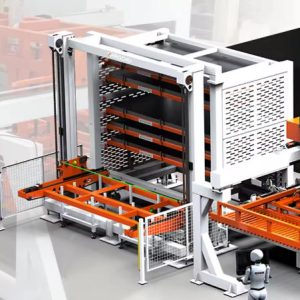
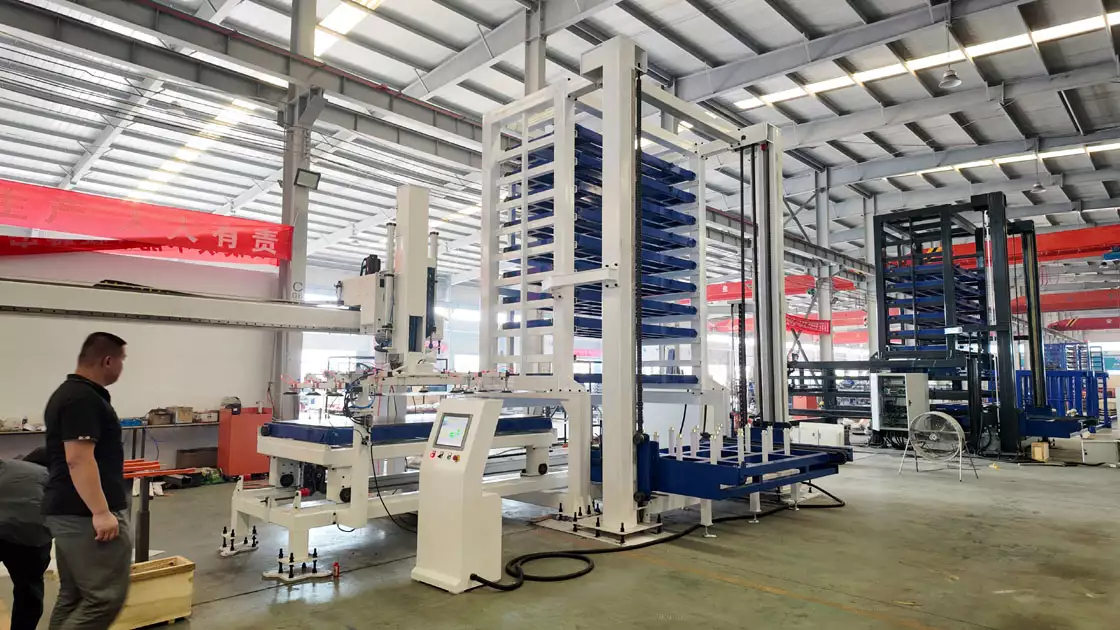
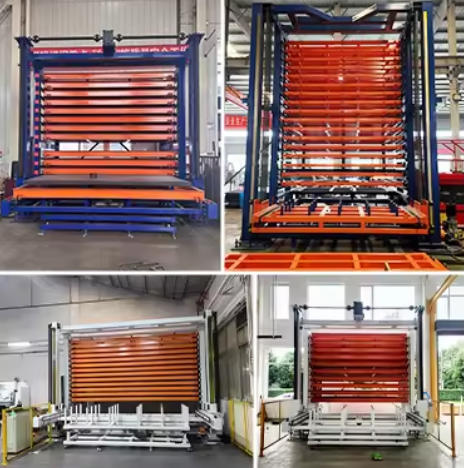
Our Automatic Vertical Storage System directly addresses these pain points through a vertically integrated, fully automated architecture. Built around a 6-tier palletized structure, the system maximizes cubic space utilization—reducing required floor area by up to 65% compared to conventional layouts.
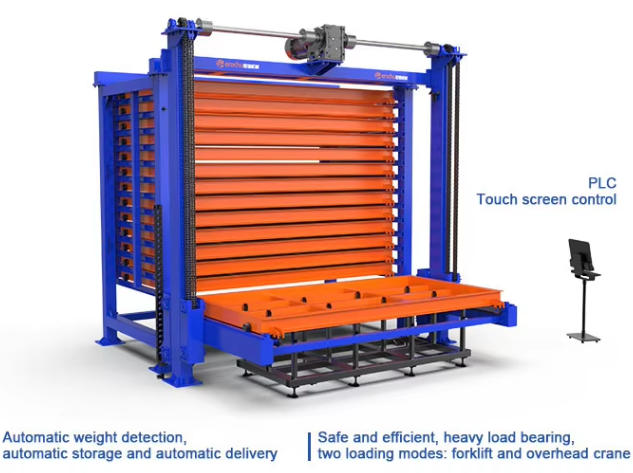
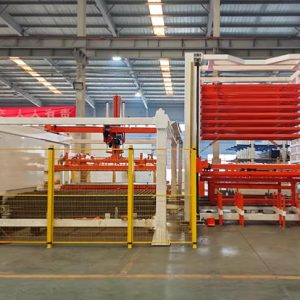
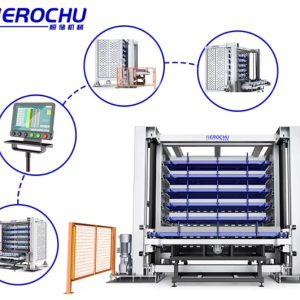
At its heart is an intelligent robotic manipulator guided by a high-precision linear rail system. This composite arm handles everything from raw steel plates to finished components, moving seamlessly between storage levels via an integrated vertical elevator. All inbound and outbound movements are synchronized with conveyor interfaces and AGVs, enabling true end-to-end material flow automation.
Crucially, operators no longer need to manually lift, sort, or locate plates. Using a 15-inch industrial touchscreen powered by a Siemens PLC control system, users can retrieve any plate with a single click. The system instantly identifies the correct location, dispatches the manipulator, and delivers the material to the loading station—all within seconds.
Intelligent Management Through WMS Integration
Beyond physical automation, the system includes a built-in Warehouse Management System (WMS) that digitizes every aspect of inventory control. Each plate is registered upon entry with key attributes:
- Material type (e.g., mild steel, stainless steel 304, aluminum 5052)
- Dimensions and thickness
- Batch/heat number
- Date and time of storage
This data enables full traceability from raw material receipt to final dispatch. The WMS updates inventory in real time, automatically triggering alerts for low stock or excess accumulation. It also enforces FIFO (First-In, First-Out) logic—critical for managing material aging or compliance-sensitive batches.
For laser cutting workshops, this means seamless integration: when a nesting program calls for a 6mm stainless plate from Batch #STL-2026-087, the WMS confirms availability, reserves the item, and initiates retrieval before the machine even finishes its current job.
Industry-Specific Applications
- Laser Cutting Facilities: Achieve “unmanned material preparation.” The system feeds plates directly to cutting tables, eliminating operator downtime.
- Sheet Metal Fabrication Shops: Automatically classify and store parts by job order, material, or finish—reducing setup errors and improving scheduling accuracy.
- Heavy Machinery Manufacturers: Handle large, heavy plates (up to [specify load]) with structural rigidity and vibration-dampened movement to prevent shifting or damage.
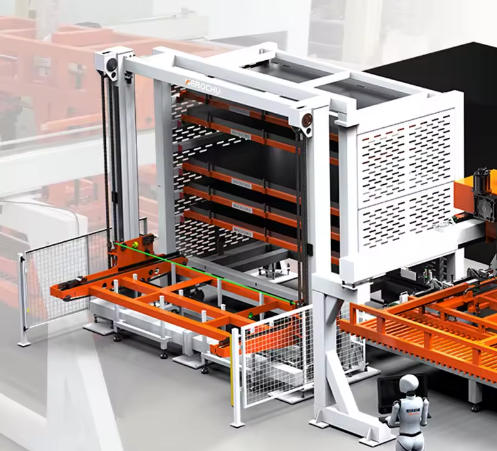
Protective Design Ensures Material Integrity
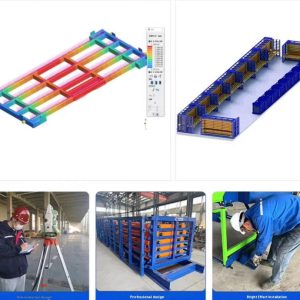
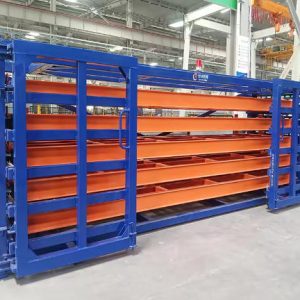
Unlike crude stacking methods, our vertical racks feature independent layered frames with anti-scratch liners and positioning fixtures. Each plate rests securely without contact pressure from adjacent units, preventing warping or surface marring—essential for high-value or precision-grade materials.
Conclusion: A Strategic Investment in Operational Excellence
The Automatic Vertical Storage System isn’t just a rack—it’s a productivity engine. By automating storage, retrieval, and inventory management, it eliminates manual bottlenecks, protects material quality, and frees skilled labor for higher-value tasks. For any modern sheet metal workshop aiming to compete on speed, accuracy, and cost, this system represents a decisive leap toward Industry 4.0 readiness.