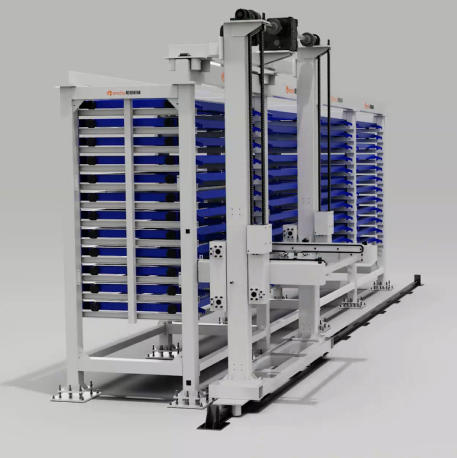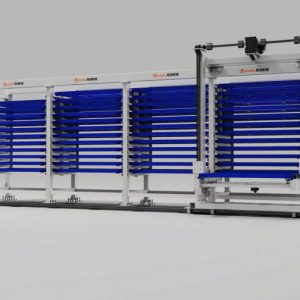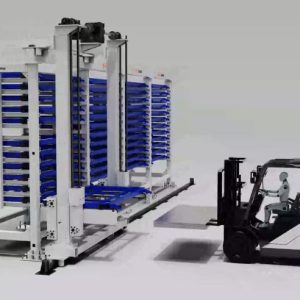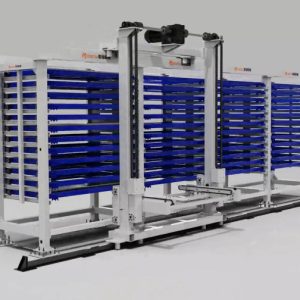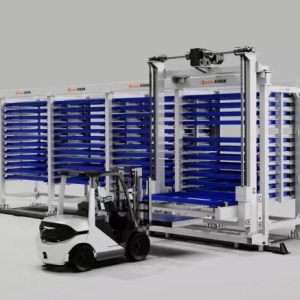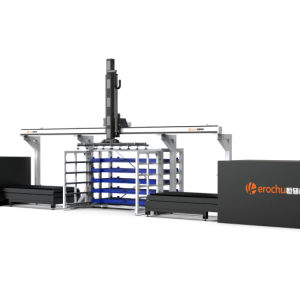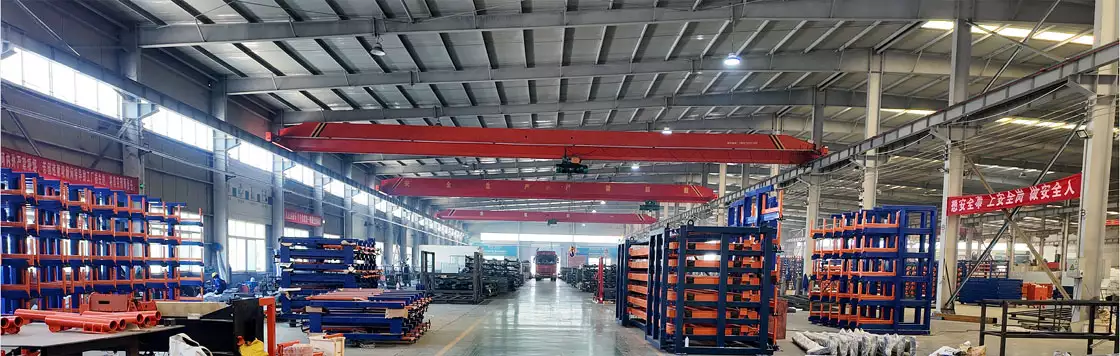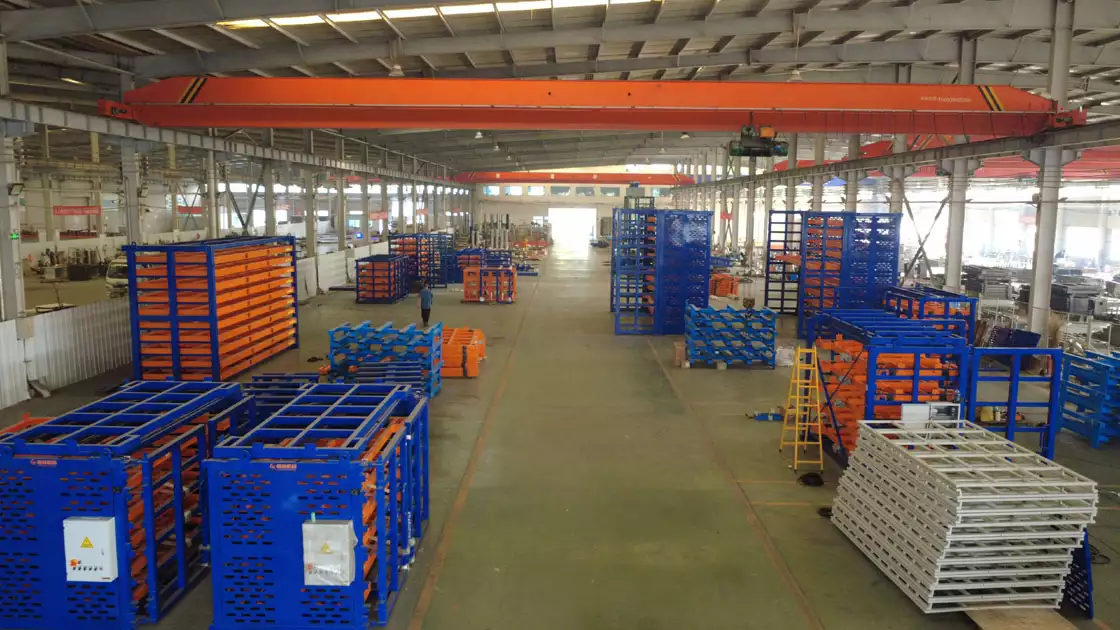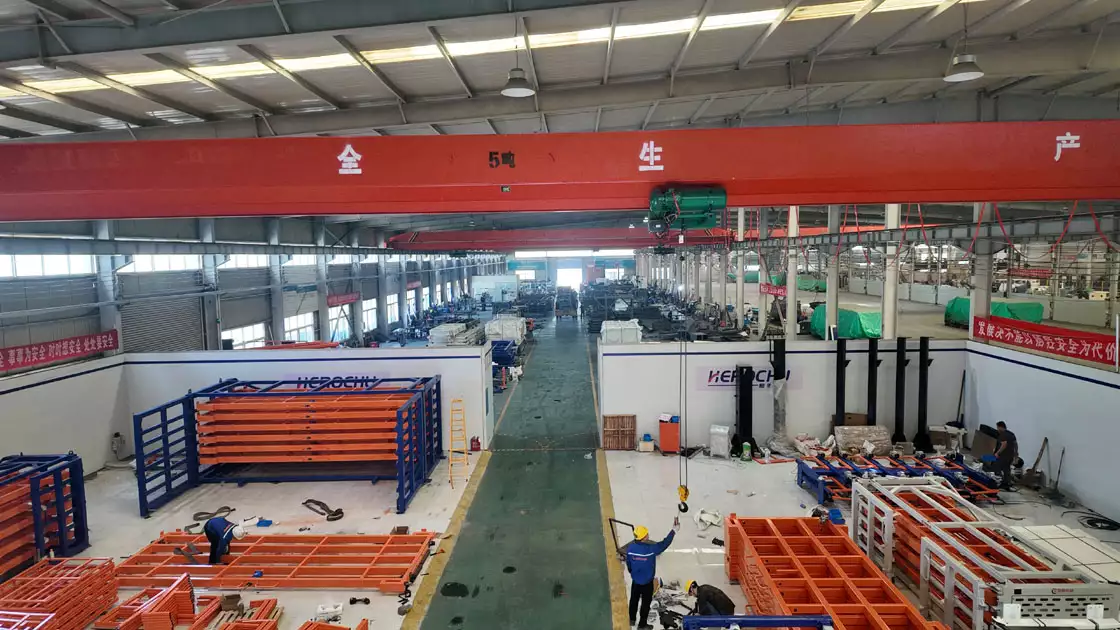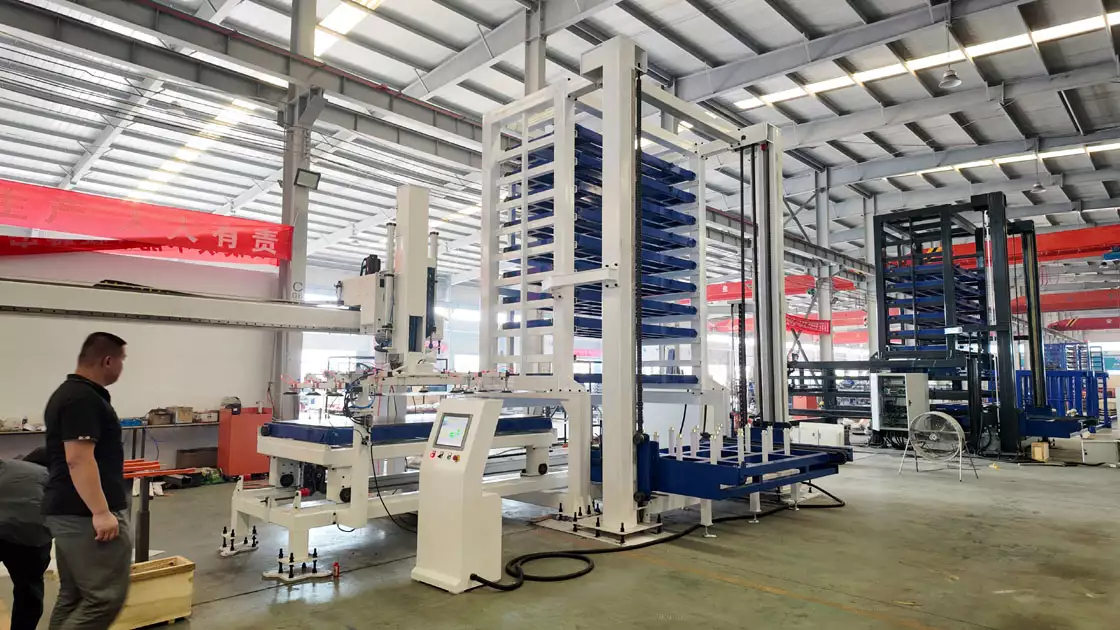
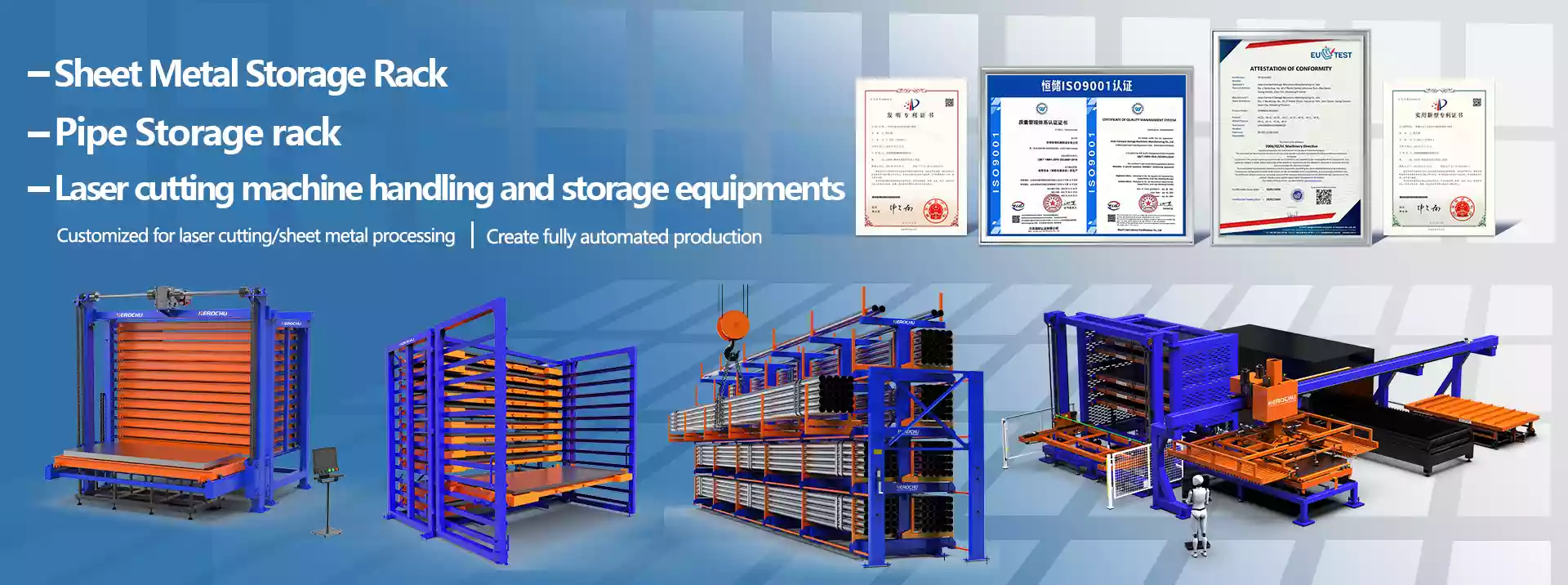
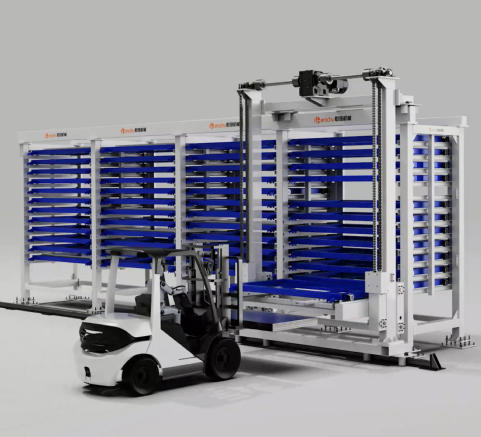
Imagine a workshop where raw sheet metal is always available exactly when and where it’s needed—without cluttered aisles, forklift traffic, or frantic searches through stacked bundles. This vision is now reality thanks to the Automatic Sheet Metal Storage Tower System, a next-generation solution merging vertical storage architecture with smart automation for unmatched efficiency in metal fabrication environments.
Designed specifically for the dimensional and weight characteristics of sheet metal, these systems represent a paradigm shift from passive storage to active material flow management. They don’t just hold inventory—they orchestrate it.
Engineering for Precision and Durability
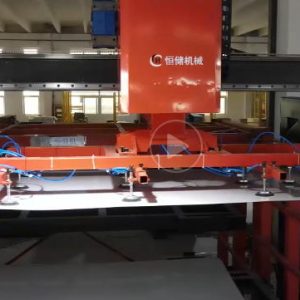
Every component of an automatic sheet metal tower is engineered for industrial rigor. Structural frames use high-strength steel with powder-coated or galvanized finishes to resist shop-floor wear. Lift mechanisms employ servo-driven motors with encoder feedback for millimeter-level positioning accuracy. Vacuum extraction systems feature redundant pumps and pressure sensors to prevent accidental drops—even during power fluctuations.
Compartments are modular and adjustable. Need to switch from storing 4×8 ft mild steel sheets to 5×10 ft aluminum panels? Simply reconfigure compartment heights via software—no tools required. Some models even include tilt functions to present sheets at optimal angles for robotic arms or manual loading.
Integration with Digital Workflows
What truly sets these systems apart is their ability to function as a node in a connected factory ecosystem. Through standard protocols like OPC UA, Modbus TCP, or REST APIs, the tower communicates with:
- ERP systems (e.g., SAP, Oracle) for procurement and costing
- MES platforms for production scheduling
- CNC machines for automatic material requests
- Barcode/RFID scanners for full traceability
When a laser cutter completes a job, it can signal the tower to prepare the next sheet—reducing idle time and enabling lights-out manufacturing during off-hours.
Real-World Impact
A case study from a Midwest fabrication shop illustrates the transformation: before automation, operators spent nearly 90 minutes per shift locating and moving sheets. After installing a double-tower system, that time dropped to under 15 minutes. Floor space previously used for stacking was repurposed for a new welding cell, increasing overall capacity by 22%.
Safety metrics improved too—zero recordable incidents related to material handling in the first year post-installation.
Sustainability and Future-Proofing
Beyond productivity, these systems contribute to sustainability goals. Reduced forklift usage lowers energy consumption and emissions. Optimized storage means less over-ordering and waste from damaged or misplaced materials. And because the system is modular, adding capacity or upgrading controls doesn’t require a full replacement—just incremental enhancements.
For workshops aiming to stay competitive amid rising labor costs and tighter margins, the automatic sheet metal storage tower isn’t just equipment—it’s a strategic asset.