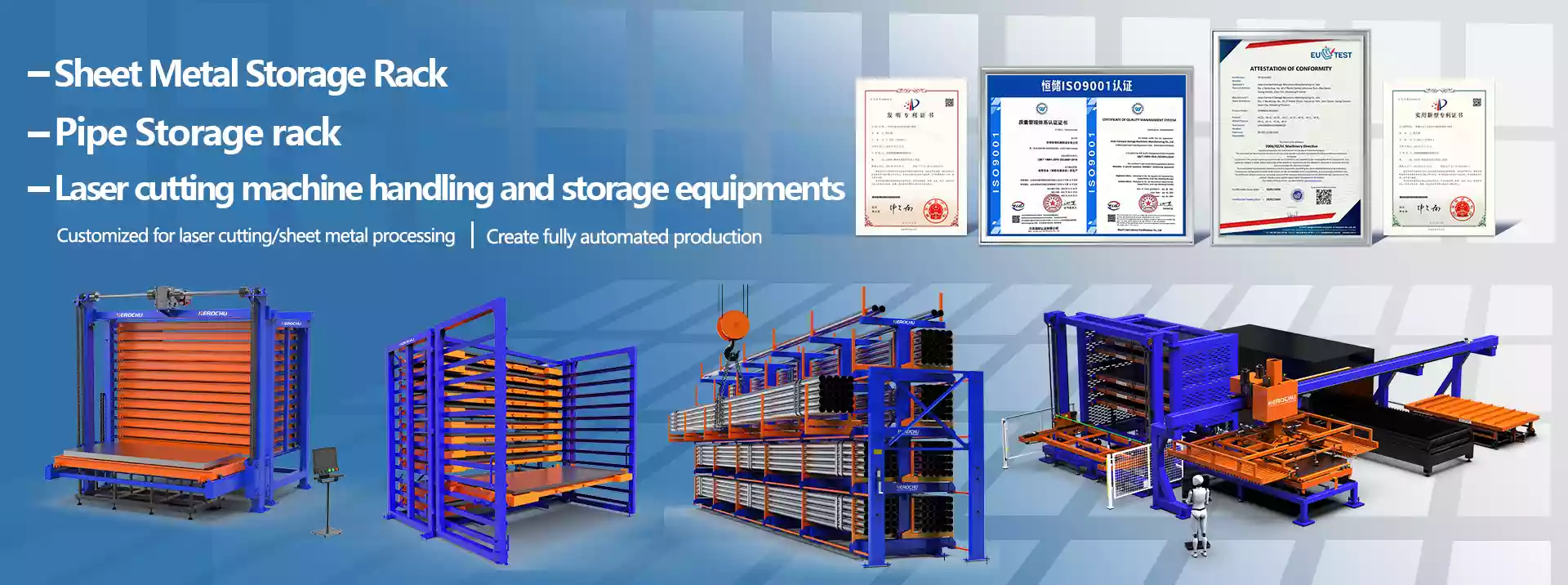
In an age where warehouse efficiency directly impacts profitability, sheet metal storage systems have evolved from passive containers to active productivity enablers. Modern systems go beyond mere containment—they integrate spatial intelligence, material science, and human-centered design to create seamless workflows in demanding industrial settings.
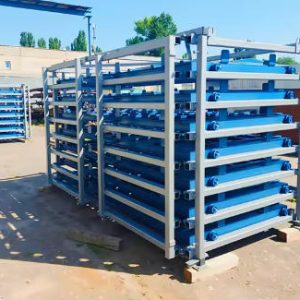
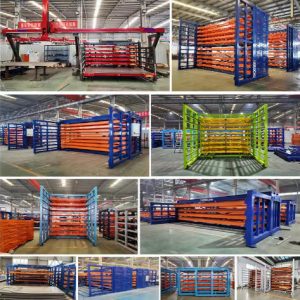
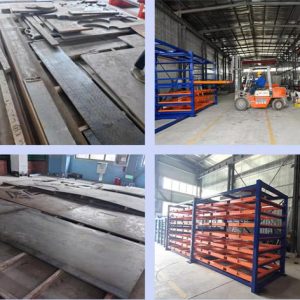
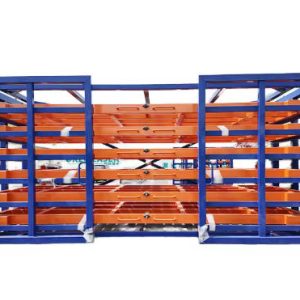
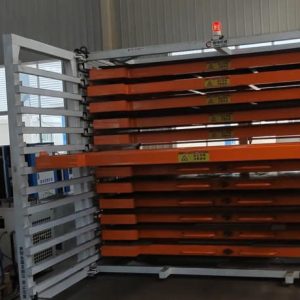
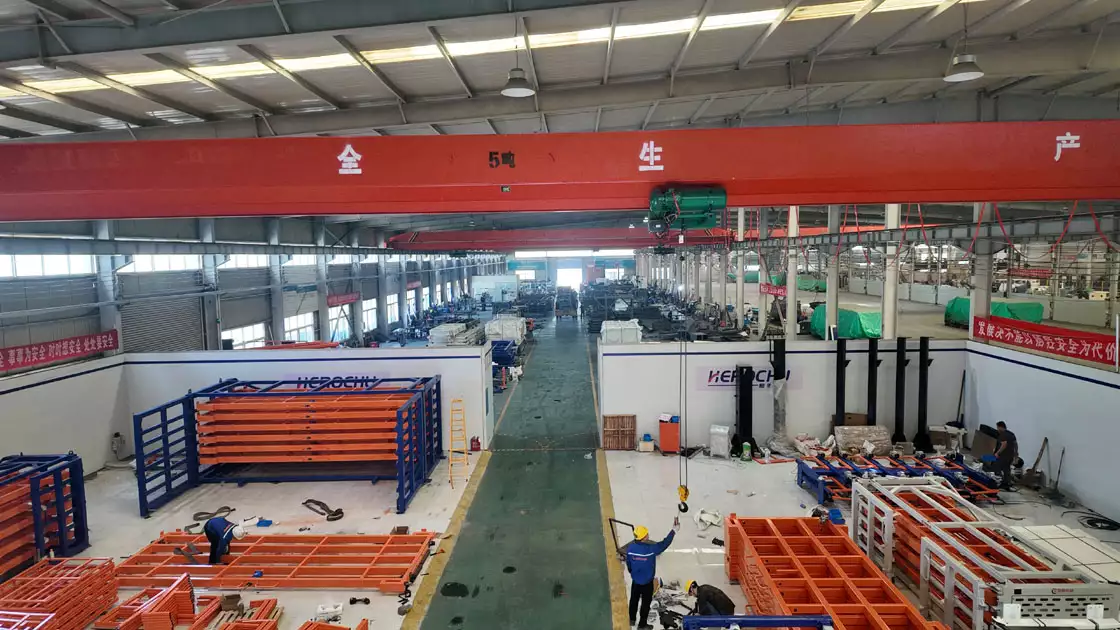
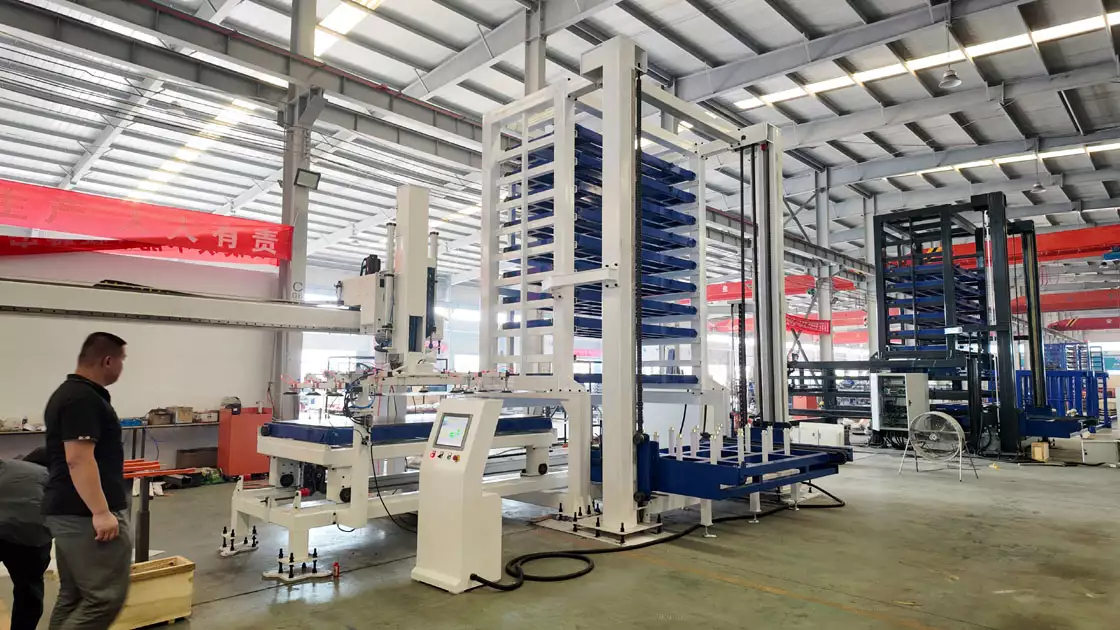
These advanced storage solutions are tailored for facilities that handle large volumes of flat metal stock. Whether you’re managing coils, blanks, or cut-to-size panels, the right system ensures every sheet is stored securely, accessed quickly, and tracked accurately. The core models—HC-F2010-122, HC-F2513-122, and HC-F3015-122—support plate dimensions from 2×1m up to 3×1.5m, with 12 uniform layers per unit. This modularity allows for scalable deployment across small workshops or multinational distribution hubs.
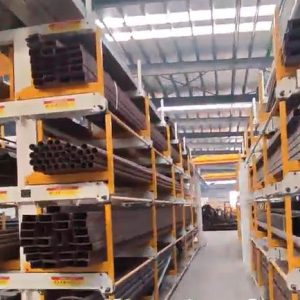
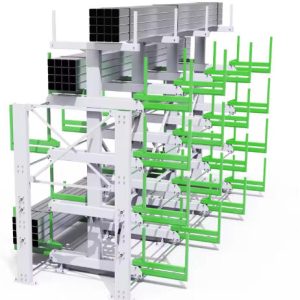
The genius lies in vertical space exploitation. Traditional horizontal stacking consumes vast floor areas and risks toppling. In contrast, vertical racking stands sheets on edge, reducing footprint by up to 70% while maintaining full accessibility. Each layer functions like a labeled compartment, turning chaotic piles into an orderly library of materials. This spatial discipline not only saves rent costs but also improves safety by eliminating unstable stacks.
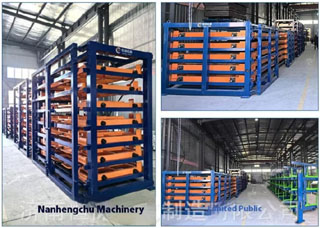
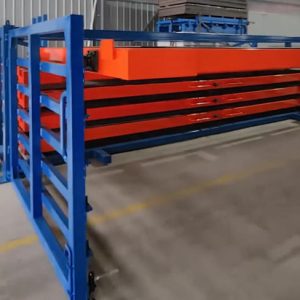
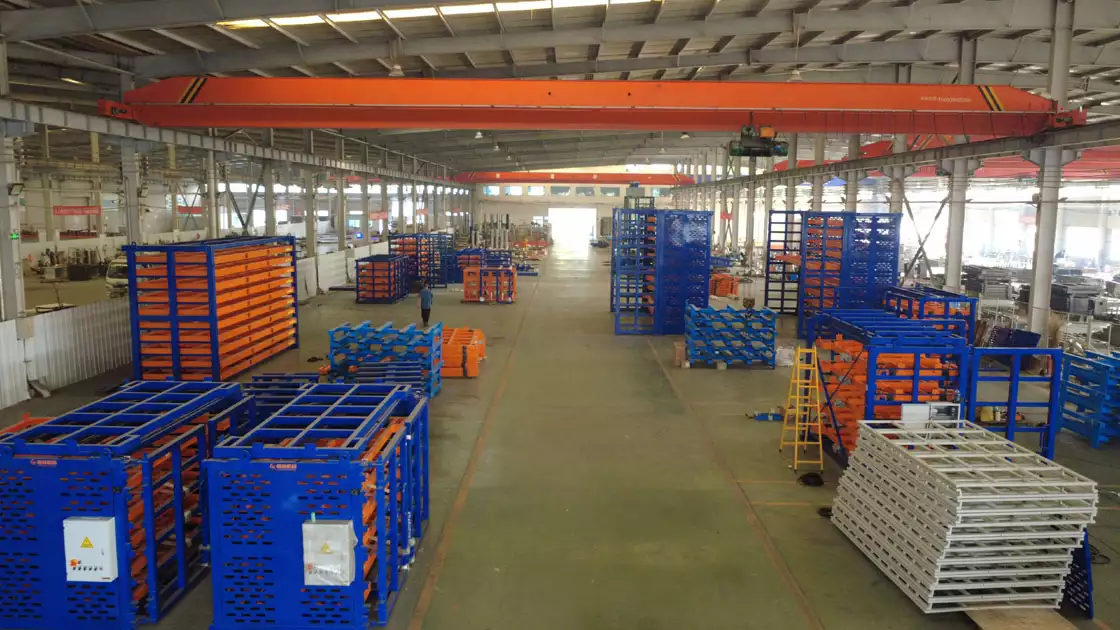
Retrieval is effortless thanks to the drawer mechanism, which operates like a heavy-duty filing cabinet. Workers can open a single drawer to access one sheet without disturbing adjacent inventory. Forklift compatibility is enhanced by sleeper blocks on each pallet, which provide consistent fork entry points—critical for automated or semi-automated handling systems.
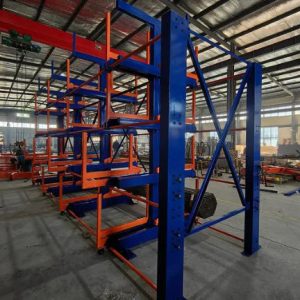
Built to endure decades of service, these racks use premium Q235B+ carbon steel throughout. Weld seams are reinforced with CO₂ shielding for maximum bond strength. Travel components are crafted from 45# steel and finished with anti-corrosion treatments. The entire structure is coated with electrostatic plastic spray, offering both aesthetic uniformity and environmental protection.
Backed by a team of highly educated engineers, the design process integrates digital twin technology. Using 3D CAD and finite element analysis, every stress point is evaluated before manufacturing begins. This proactive approach prevents field failures and ensures compliance with OSHA and EN storage regulations.
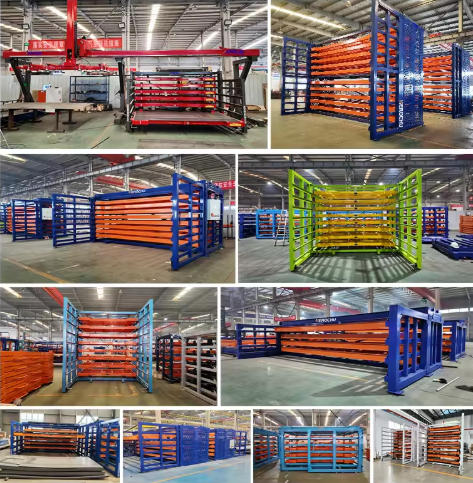
Finally, the system excels in inventory clarity. With classified storage zones for different materials, quantities are always visible, and stock levels are easier to manage. This transparency reduces over-ordering, prevents production halts due to missing materials, and supports data-driven procurement decisions.
In conclusion, advanced sheet metal storage systems represent the convergence of engineering rigor and operational intelligence—delivering not just storage, but strategic advantage.