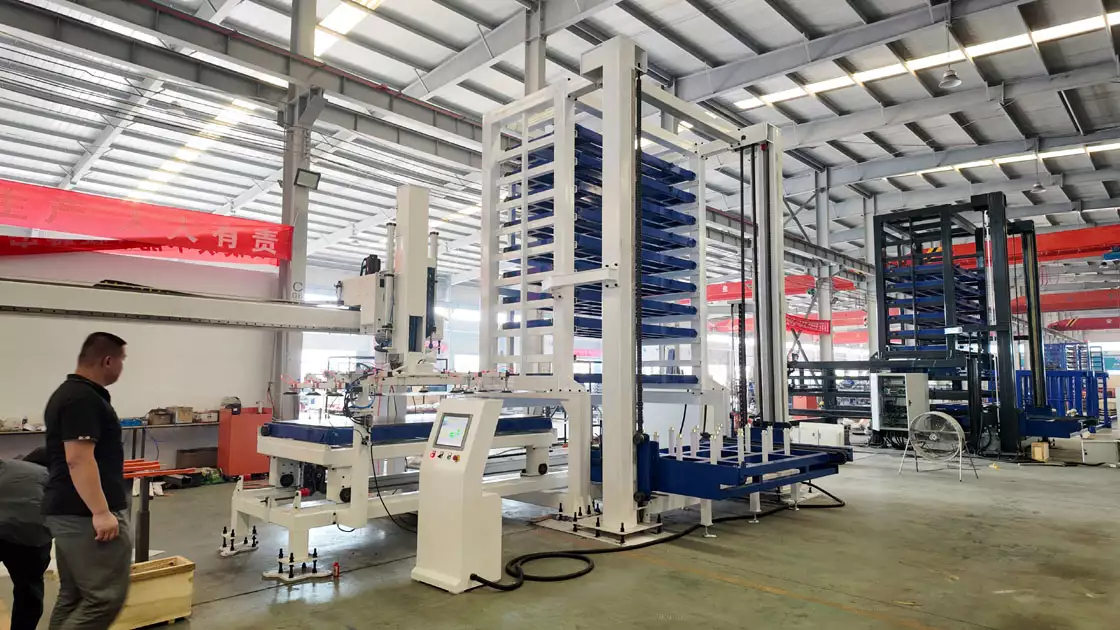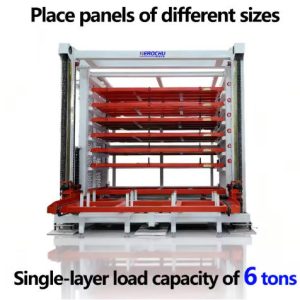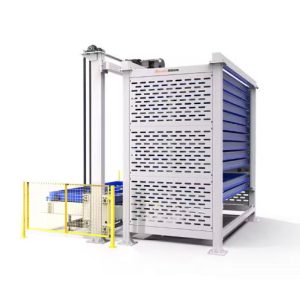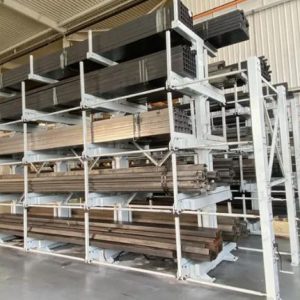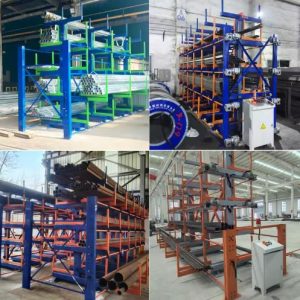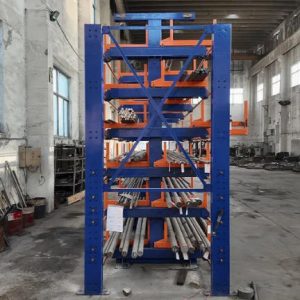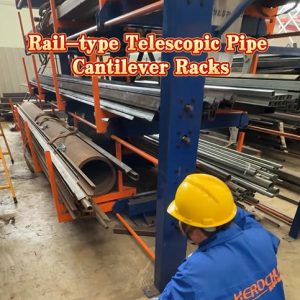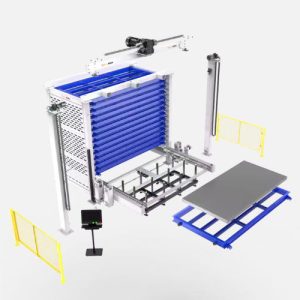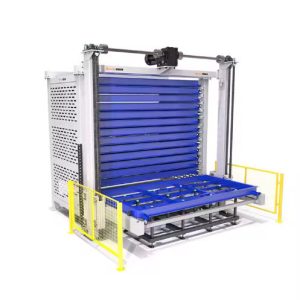
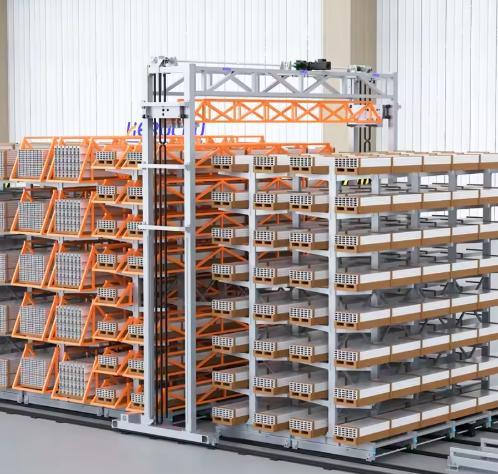
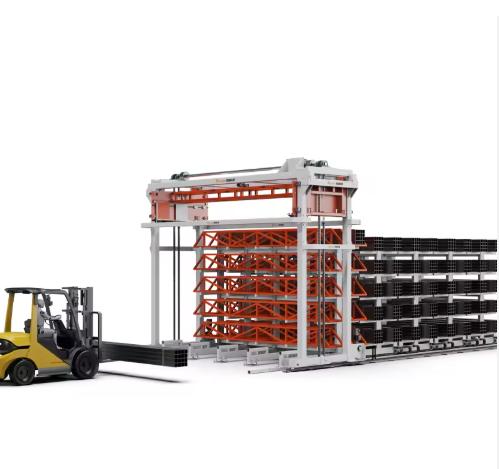
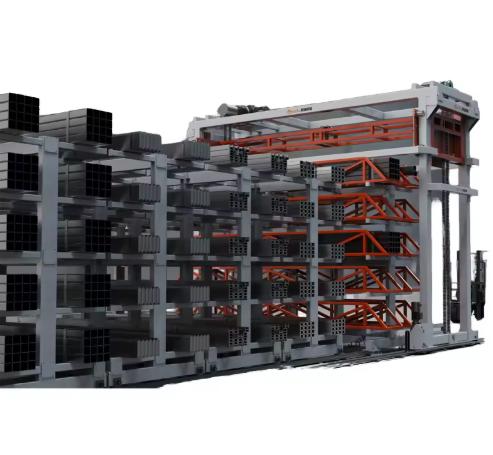
Automatic Long Material Storage System with Extendable Arms for Forklift and Overhead Crane Access

Contemporary manufacturing operations exist in an environment where information flows as critically as physical materials. Just-in-time production methodologies, customized product configurations, and compressed delivery timelines demand absolute certainty about material availability, location, and condition. Yet traditional warehouse management approaches struggle to provide this certainty, relying on periodic manual counts, error-prone paper records, and disconnected digital systems that create persistent gaps between recorded and actual inventory states.

Automatic Long Material Storage System with Extendable Arms for Forklift and Overhead Crane Access

Contemporary manufacturing operations exist in an environment where information flows as critically as physical materials. Just-in-time production methodologies, customized product configurations, and compressed delivery timelines demand absolute certainty about material availability, location, and condition. Yet traditional warehouse management approaches struggle to provide this certainty, relying on periodic manual counts, error-prone paper records, and disconnected digital systems that create persistent gaps between recorded and actual inventory states.
These information gaps generate cascading operational problems. Production schedules falter when materials thought available prove missing or damaged. Purchasing departments over-order to buffer against uncertainty, tying up capital in excess stock. Customer service teams cannot provide accurate delivery estimates when inventory status remains ambiguous. Quality追溯 becomes impossible when material histories exist only in scattered paperwork or individual memories. As manufacturing complexity increases, these information deficits transform from manageable inconveniences into existential threats to operational viability.
WMS-Integrated Automated Storage Solutions address this imperative by creating seamless connections between physical storage activities and digital information systems. Every material movement automatically generates corresponding data transactions, maintaining perpetual synchronization between warehouse reality and management system records. This integration transforms inventory from a mysterious variable requiring constant investigation into a known quantity providing reliable foundation for decision-making across the enterprise.

Architecture of Integration: Connecting Physical and Digital Worlds

Achieving true integration between automated storage equipment and Warehouse Management Systems requires careful architectural design addressing hardware interfaces, data protocols, and process workflows. The foundation lies in comprehensive identification technologies that uniquely tag every stored item and storage location. Barcode labels, RFID tags, or QR codes attached to materials and rack positions serve as digital anchors linking physical objects to database records.
Automated identification readers strategically positioned throughout the storage system capture these identifiers during all material movements. Entry portals scan incoming materials, automatically creating or updating inventory records with details like material type, dimensions, weight, batch number, and receipt date. Storage location scanners verify placement accuracy, confirming materials occupy intended positions and updating location fields in real-time. Retrieval checkpoints capture outbound transactions, deducting quantities from inventory and recording destination information for traceability purposes.
Data exchange between storage equipment controllers and WMS platforms occurs through standardized communication protocols ensuring compatibility across diverse system vendors. OPC-UA, MQTT, and RESTful API interfaces enable bidirectional information flows where WMS sends instructions to storage systems while receiving confirmations and status updates in return. This continuous dialogue maintains alignment between planned and executed activities, enabling dynamic adjustments when realities diverge from expectations.
Middleware layers often facilitate integration by translating between equipment-specific data formats and enterprise-standard information models. These translation services normalize data from multiple storage systems into consistent structures that WMS platforms can process uniformly. They also implement business logic enforcing company-specific rules about material handling sequences, quality hold procedures, and authorization requirements before executing physical movements.

Real-Time Visibility: From Periodic Snapshots to Continuous Awareness

The most transformative benefit of WMS integration involves elevating inventory visibility from periodic snapshots to continuous real-time awareness. Traditional manual counting methods provide accurate information only briefly after counts complete, with accuracy degrading steadily as subsequent unrecorded movements occur. Cycle counting programs attempt to maintain reasonable accuracy through frequent partial counts, but they still leave gaps where discrepancies can develop unnoticed.
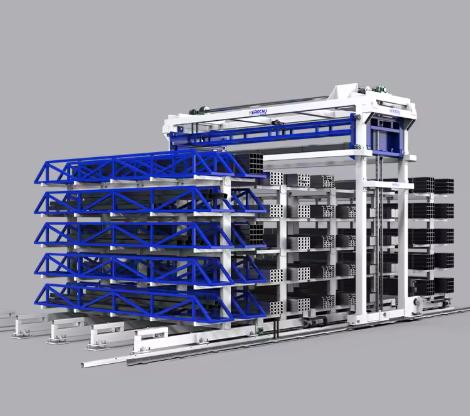
Automated systems eliminate these gaps by recording every transaction instantaneously. When a gantry robot retrieves a bundle of steel pipes, the WMS immediately reflects reduced quantities at that location, updated total stock levels, and revised availability statuses for sales and production planning purposes. This immediacy enables responsive decision-making based on current reality rather than outdated assumptions.
Dashboard interfaces visualize this real-time data through intuitive displays showing warehouse layouts with color-coded occupancy indicators, trend charts depicting inventory level fluctuations, and alert panels highlighting exceptions requiring attention. Managers gain comprehensive situational awareness at a glance, identifying developing issues before they escalate into crises. Drill-down capabilities allow investigation of specific materials, locations, or time periods to understand root causes behind observed patterns.
Mobile accessibility extends this visibility beyond fixed workstations to anywhere managers need it. Tablet and smartphone applications provide secure access to inventory data from production floors, meeting rooms, or remote locations. Push notifications alert responsible personnel to critical events like low-stock conditions, quality holds, or equipment faults, enabling rapid response regardless of physical location. This ubiquitous access transforms inventory management from a specialized departmental function into an enterprise-wide capability informing decisions at all organizational levels.

Traceability and Compliance: Building Trust Through Transparency

Modern regulatory environments and customer expectations demand unprecedented levels of material traceability. Aerospace manufacturers must track every component back to raw material sources with complete processing histories. Medical device producers require lot-level tracking supporting potential recalls with precise scope definition. Automotive suppliers face stringent quality documentation requirements proving materials meet specifications throughout their lifecycle. Manual record-keeping systems struggle to meet these demands reliably, often producing incomplete or inconsistent documentation under audit scrutiny.
WMS-integrated automated storage systems build traceability into everyday operations rather than treating it as separate compliance burden. Every material movement automatically captures contextual information including timestamps, operator identifications (or system IDs for fully automated actions), equipment used, source and destination locations, and any quality observations. This comprehensive metadata attaches permanently to material records, creating immutable audit trails documenting complete custody chains from receipt through consumption.
Query tools enable instant retrieval of complete material histories for any item or batch. Auditors can request documentation showing exactly where specific materials stored throughout their warehouse tenure, which equipment handled them, and what conditions they experienced. Quality investigators can trace defective products back through storage history to identify potential contamination sources or handling errors. Customer service representatives can provide detailed provenance information satisfying increasingly discerning buyer requirements.
Compliance reporting automates generation of required documentation, eliminating tedious manual compilation prone to errors and omissions. Standard report templates produce formatted outputs matching regulatory specifications with minimal human intervention. Exception reports highlight deviations from required procedures, enabling proactive correction before violations occur. This systematic approach transforms compliance from reactive scramble during audits into ongoing demonstrated conformance building trust with regulators and customers alike.

Analytics-Driven Optimization: Turning Data into Competitive Advantage

Beyond operational improvements, WMS integration unlocks analytical capabilities transforming inventory data into strategic competitive advantages. Comprehensive historical records enable sophisticated analysis revealing patterns invisible through casual observation. Machine learning algorithms process vast datasets identifying correlations between storage conditions and material quality outcomes, optimal reorder points balancing carrying costs against stockout risks, and seasonal demand variations requiring proactive capacity adjustments.
Performance benchmarking compares actual operations against theoretical maximums or industry standards, highlighting improvement opportunities. Throughput analyses identify bottlenecks limiting overall system performance, guiding targeted investments yielding maximum returns. Utilization studies reveal underused storage capacities suggesting reorganization possibilities increasing effective density without capital expenditure. These data-driven insights enable continuous improvement programs grounded in empirical evidence rather than intuition.
Predictive analytics extend optimization from reactive response to proactive anticipation. Demand forecasting models analyze historical consumption patterns combined with external factors like market trends and production schedules to predict future material requirements accurately. These predictions drive automated replenishment triggers initiating purchase orders before stocks reach critical levels. Capacity planning tools simulate future scenarios helping managers prepare for growth, seasonality, or product mix changes before they strain operations.
Financial analytics connect physical inventory metrics to monetary impacts, enabling cost-benefit evaluations of operational decisions. Carrying cost calculations quantify capital tied up in various inventory categories, supporting initiatives reducing working capital requirements. Obsolescence risk models identify slow-moving items likely to become dead stock, prompting proactive disposition actions recovering value before complete loss. These financial perspectives align warehouse operations with broader corporate objectives around profitability and cash flow optimization.

Implementation Success: Strategies for Smooth Integration

Realizing full benefits from WMS-integrated automated storage requires thoughtful implementation approaches addressing technical, procedural, and human factors. Technical success depends on thorough requirements analysis defining precise integration points, data elements, and performance expectations before equipment procurement begins. Pilot programs validate integration concepts at limited scale before full deployment, identifying and resolving issues with minimal operational disruption.
Process redesign often proves equally important as technology installation. Automated systems enable fundamentally different workflows than manual operations, requiring rethinking of traditional procedures to leverage new capabilities fully. Cross-functional teams including warehouse staff, IT specialists, production planners, and finance representatives collaborate designing processes maximizing value while minimizing transition friction. Documentation updates, training programs, and change management activities ensure smooth adoption across affected organizations.
Human factors deserve particular attention since automation success ultimately depends on people accepting and effectively using new systems. Early involvement of end-users in design decisions builds ownership and surfaces practical insights improving usability. Comprehensive training programs develop proficiency with new tools and processes, addressing anxiety about job displacement by emphasizing role evolution toward higher-value activities. Ongoing support resources including help desks, super-user networks, and refresher courses sustain competence as systems evolve and staff turnover occurs.
Phased implementation strategies spread risk and learning across manageable increments rather than attempting overwhelming big-bang transitions. Starting with high-impact, low-complexity integrations builds confidence and demonstrates value quickly, creating momentum supporting more ambitious subsequent phases. This iterative approach allows course corrections based on early experiences, optimizing final outcomes through accumulated learning rather than perfect initial planning.

The Strategic Imperative: Why Integration Matters Now

As manufacturing enters an era defined by volatility, uncertainty, complexity, and ambiguity, inventory visibility transforms from operational nicety to strategic imperative. Companies maintaining accurate, real-time knowledge of material assets navigate disruptions more effectively, respond to opportunities more rapidly, and allocate resources more efficiently than competitors operating with obscured visibility. WMS-integrated automated storage systems provide this critical capability, converting warehouse operations from cost centers into sources of competitive differentiation.
The investment required for integration pays dividends across multiple dimensions simultaneously. Operational efficiencies reduce direct costs while improving service levels. Enhanced decision-making quality drives better strategic outcomes. Risk mitigation protects against costly disruptions and compliance failures. Workforce empowerment engages employees with tools amplifying their contributions. Together, these benefits create compounding advantages strengthening overall business resilience and growth potential.
Organizations delaying integration face mounting disadvantages as peers leverage superior visibility to outperform them consistently. The gap between leaders and laggards widens over time as data-rich companies refine operations through accumulated insights while others struggle with persistent blind spots. In this environment, WMS-integrated automated storage evolves from optional enhancement to essential requirement for sustained competitiveness in modern industrial markets.

FAQ

Here are some frequently asked questions about our sheet metal racks and pipe storage solutions. We hope you find them helpful!

Q1: Can I request a custom size or color?
Absolutely. We offer complimentary design services and deliver efficient, tailored solutions to meet your specific requirements.

Q2: Are you a manufacturer or a distributor?
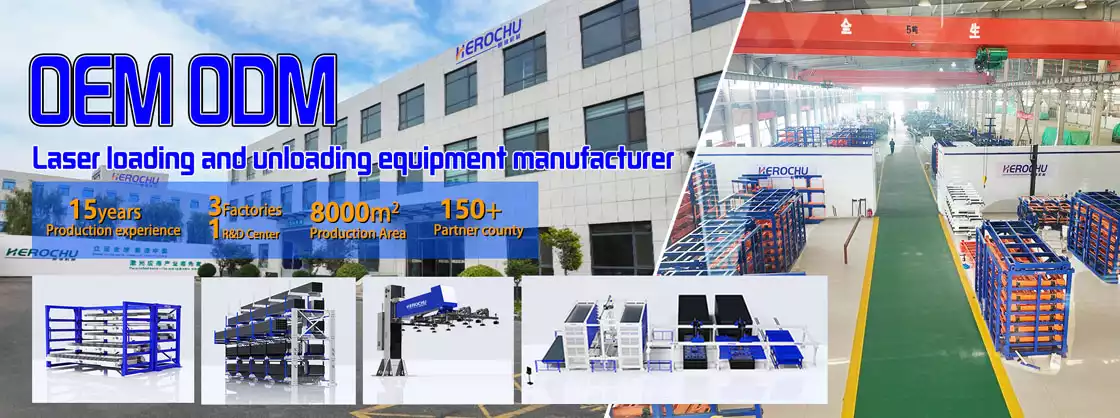
We are a direct manufacturer with over 15 years of industry experience and expertise.

Q3: Is there a minimum order quantity?
No. We welcome orders of any size, starting from a single unit.

Q4: How can I get detailed product information?
Click the “Get a Quote” button to receive product images, detailed specifications, and videos. Our team is always ready to assist.

Q5: How do I provide my storage rack requirements?
Simply share the type, dimensions, and quantity of materials you plan to store, along with any other specific needs. We will develop a professional storage solution for you. Alternatively, leave your contact details for a personalized consultation.

Q6: Do you offer automated loading systems or robotic arms?
Yes. We provide loading robotic arms and integrated loading/unloading systems tailored to your laser cutting machine’s table size and material handling method (e.g., board rack, exchange platform, or material warehouse). Contact us with your details for a customized proposal.

Q7: Do you provide on-site installation and debugging?
Yes. Our technicians can travel to your facility for installation and debugging, ensuring successful operation. We have served clients globally, including in the USA, South Korea, Russia, Qatar, Mexico, South Africa, Egypt, and Lebanon.

Q8: How do you ensure product quality?
Our quality assurance includes:

  • A team of over 40 technical engineers for professional debugging and support.

  • A dedicated quality control department compliant with ISO9001 standards.

  • CE certification for all exports.

  • Rigorous load testing before shipment to ensure structural safety and reliability.

Q9: Where is your factory located?
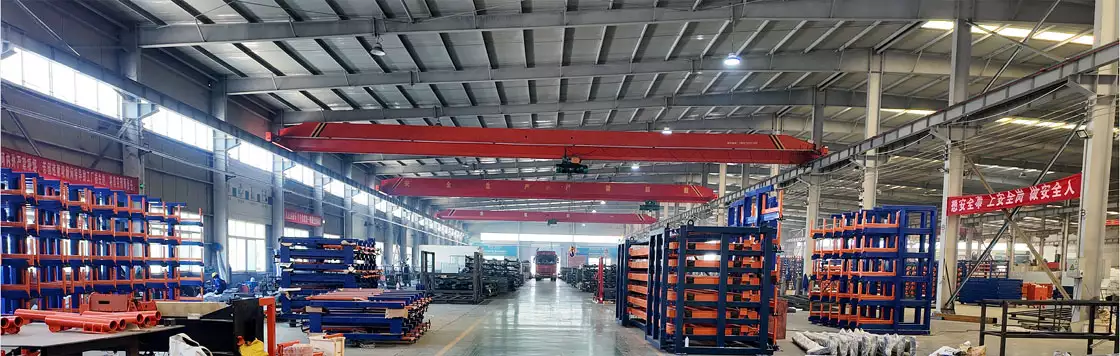
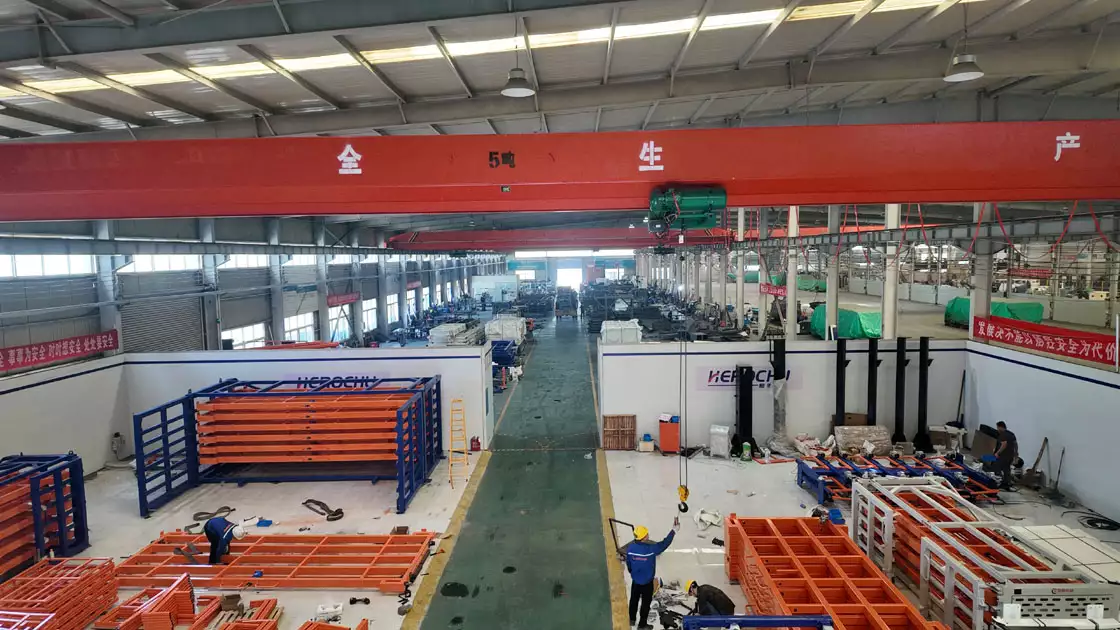
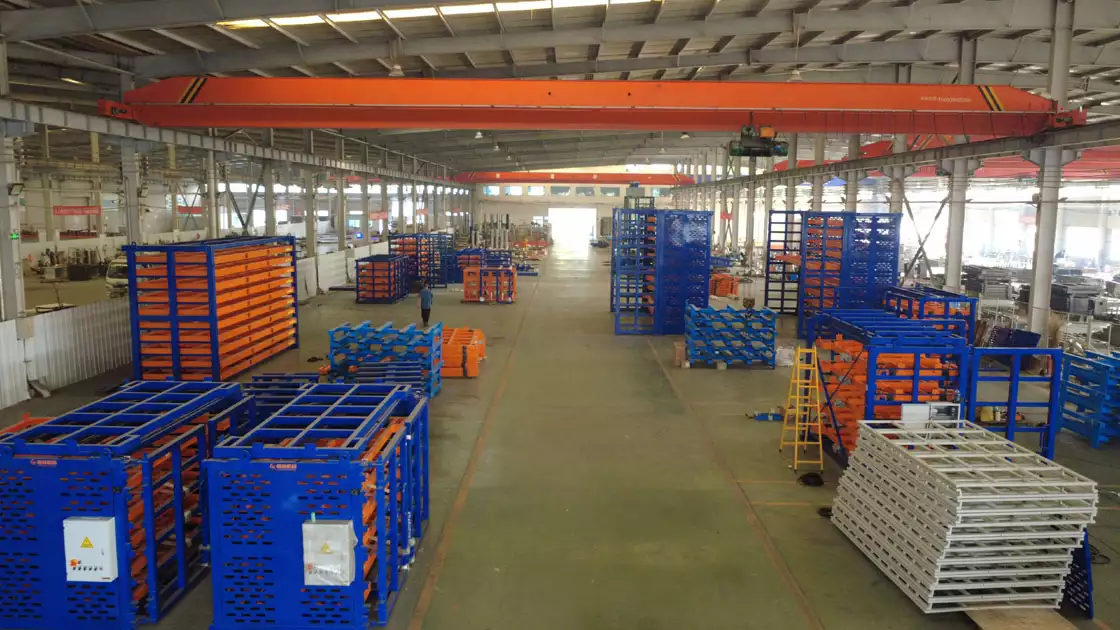
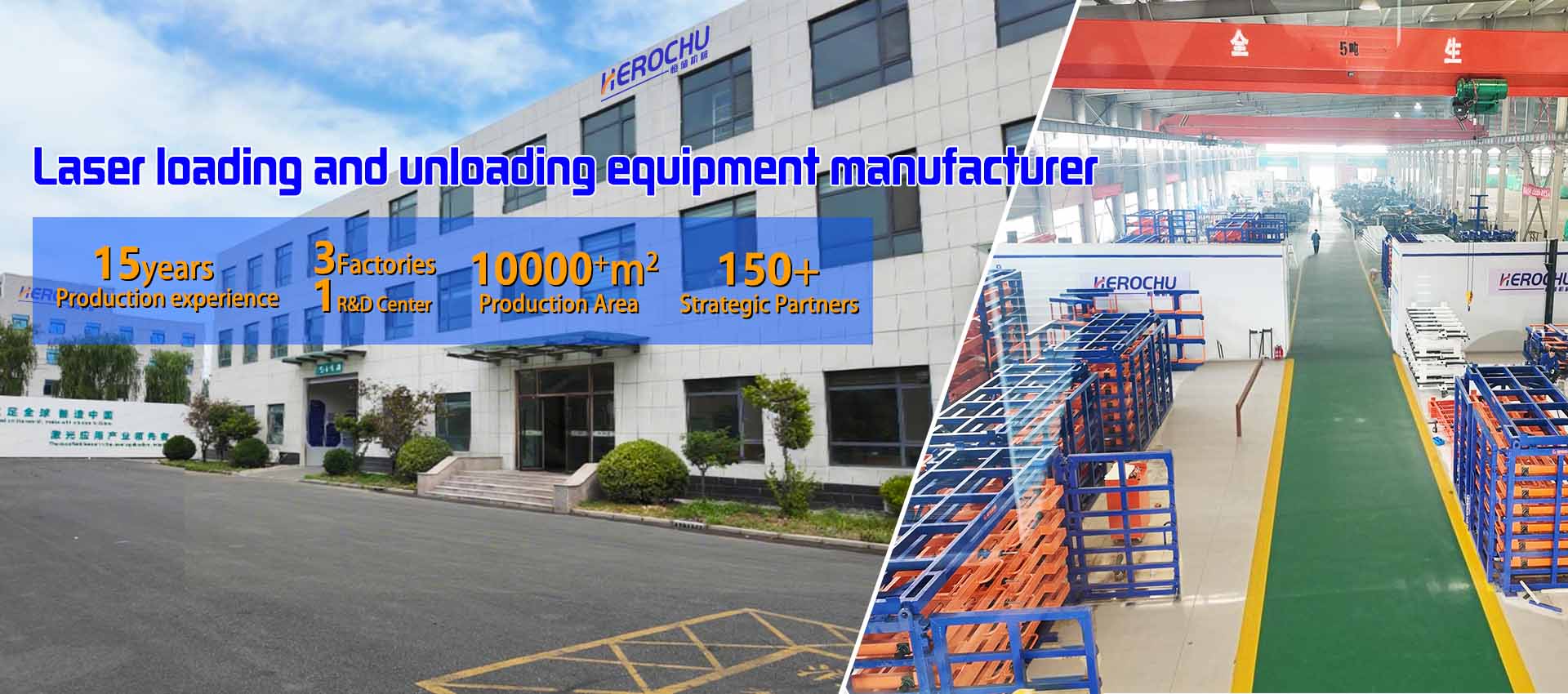
Our modern 10,000-square-meter manufacturing facility is located in Jiyang Industrial Park, Jinan, Shandong, China.

Q10: How can I evaluate your company’s capabilities?
We offer virtual video factory tours and warmly welcome on-site visits.

Q11: What does your company specialize in?
Jinan Constant Storage Machinery Manufacturing Co., Ltd. is a high-tech enterprise specializing in the R&D, production, sales, installation, and service of intelligent storage solutions. Our product range includes sheet material warehouses, drawer-style shelves, cantilever racks, servo manipulators, gantry loaders, and fully automated handling systems. Supported by a skilled technical team and advanced equipment, we are committed to delivering high-performance storage products and solutions to customers worldwide.

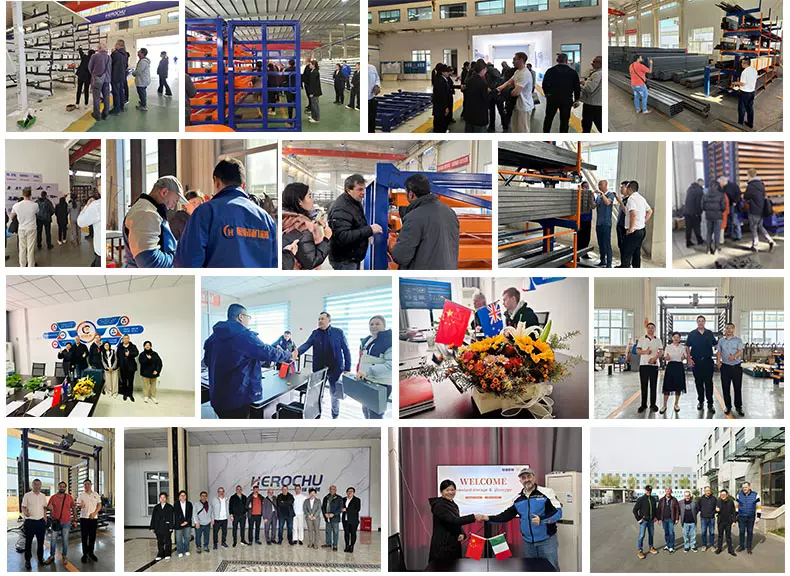
Customer visit

Herochu has always been adhering to the market-centric approach to meet customer requirements to the maximum extent, and the business philosophy of “creating brands with heart and gaining reputation with sincerity”. It provides customers with high-quality products and services with rigorous military quality, professionalism, and excellence, and has won unanimous praise in the Chinese aerospace, Chinese weapons, Chinese railways, automobile manufacturing, engineering machinery, non-ferrous metal titanium alloy and other industries.
customers

Factory

Factory
Factory
Factory
Factory
Factory
customers2
honor

Product Categories

Roll Out Sheet Metal Rack
Pipe Cantilever Storage Rack
Sheet Metal Handling Equipment
Automated Sheet Metal Storage Systems
Automatic loading and unloading system for laser cutting machines
Scroll to Top

✶ ✶ ✶ Get a quote and more information now!!!