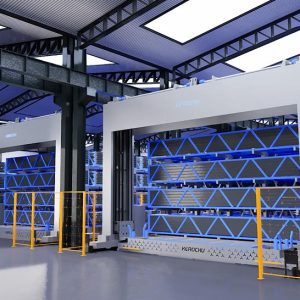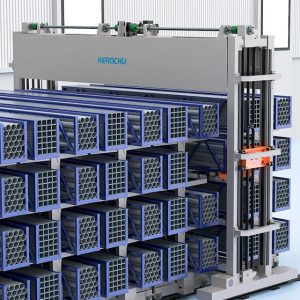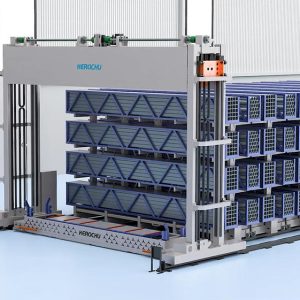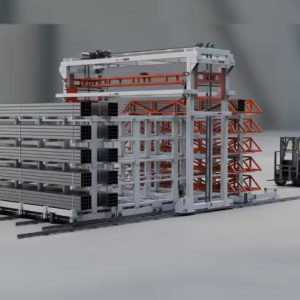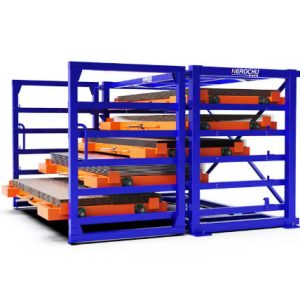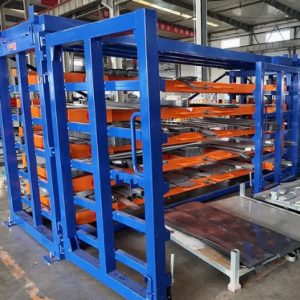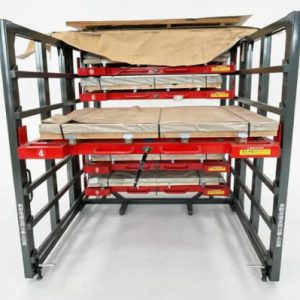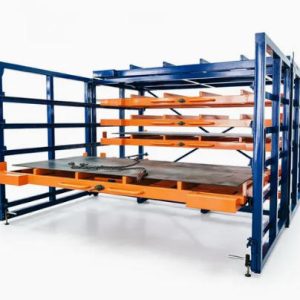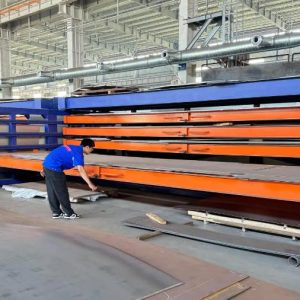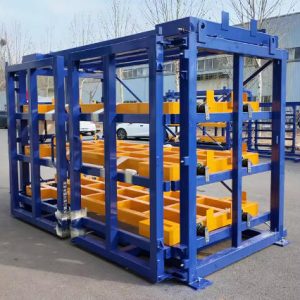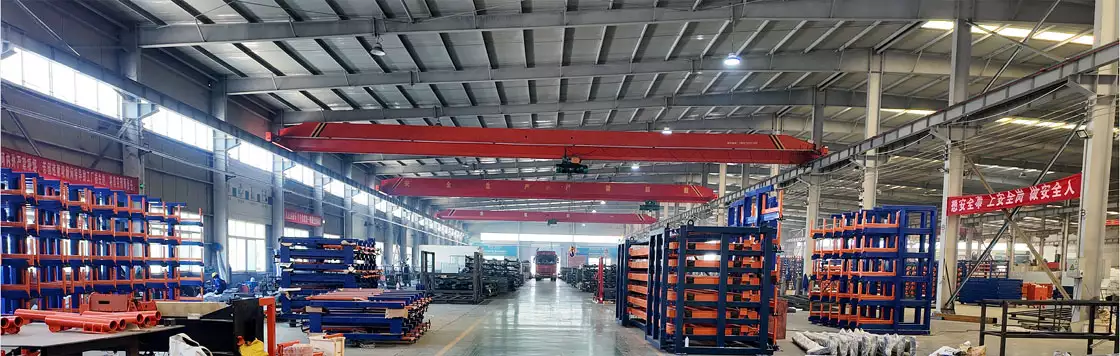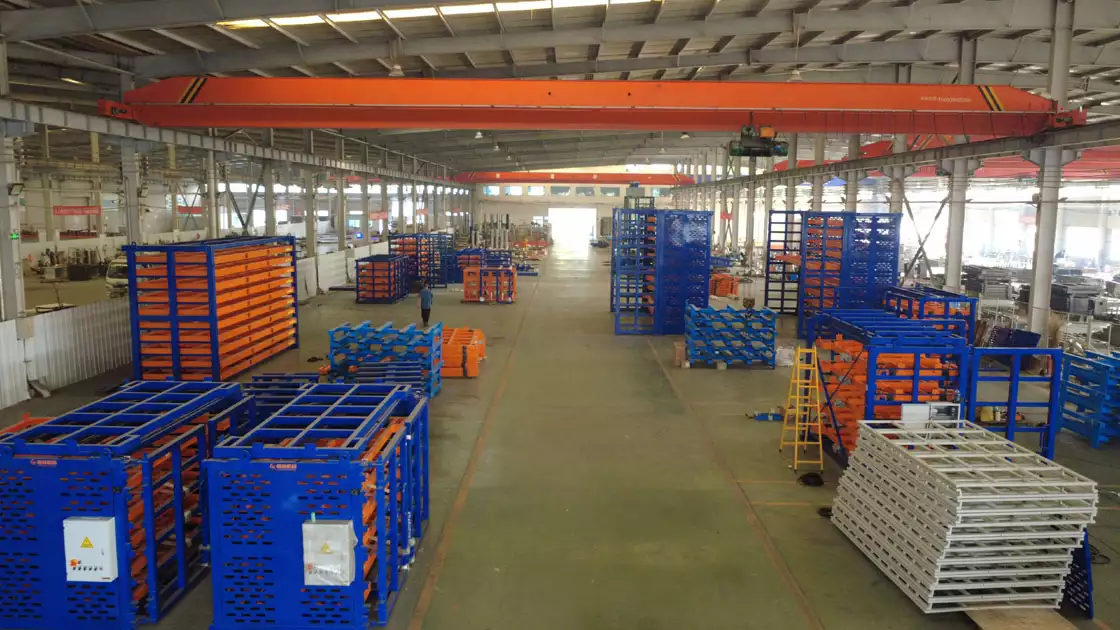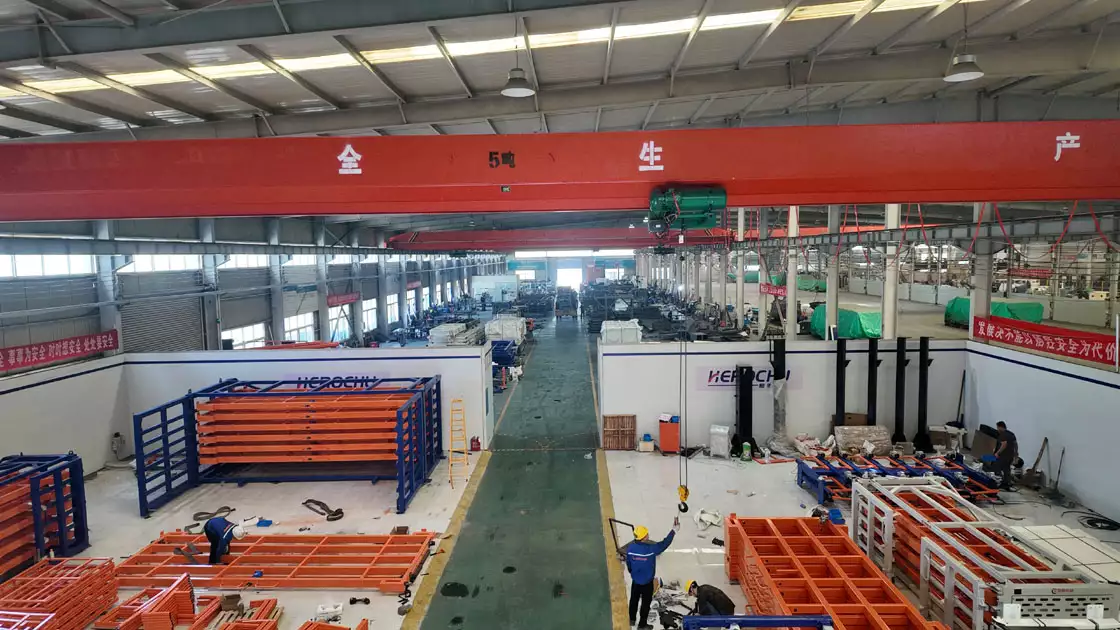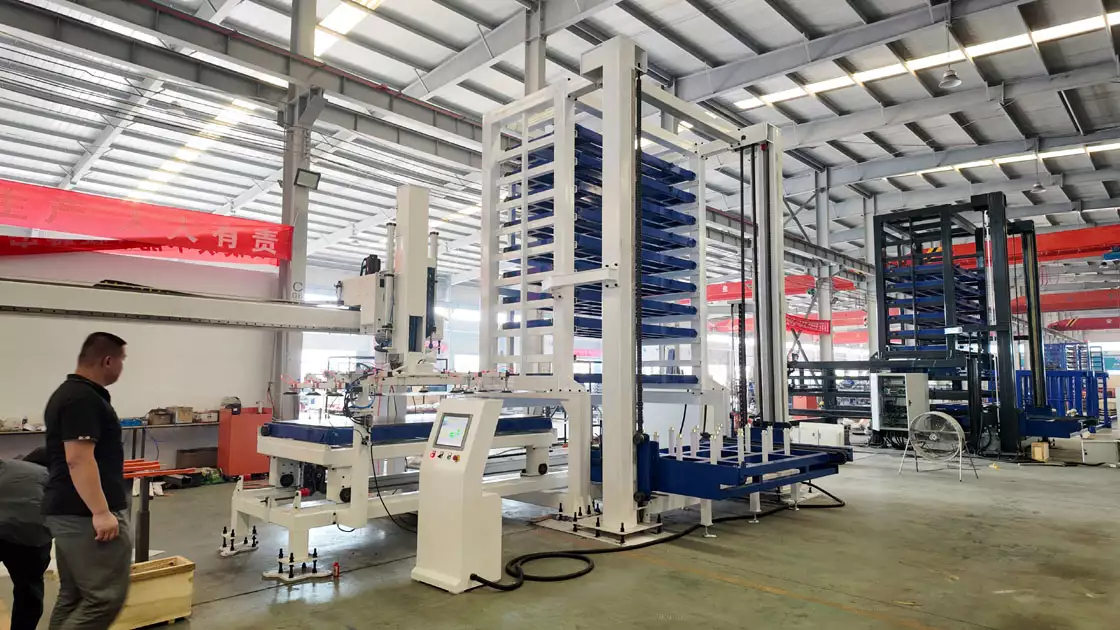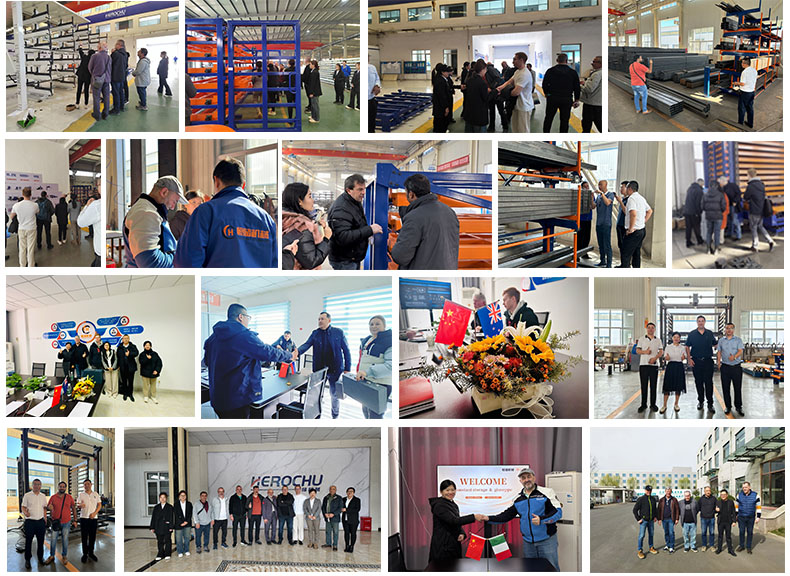
Industrial warehouses worldwide face a relentless pressure: store more without expanding. Rising land costs, supply chain complexities, and sustainability mandates demand solutions that squeeze every cubic meter of utility from existing facilities. For businesses handling long, irregular materials—from copper tubing to aluminum extrusions—the answer lies in Space-Saving High Density Storage for Industrial Warehouse systems, particularly those leveraging telescopic cantilever rack technology. This article examines how these systems achieve unprecedented storage densities, their operational benefits, and why they’re indispensable for modern logistics.
The Density Dilemma in Traditional Warehousing
Conventional warehouse layouts allocate significant space to aisles, turning radii, and safety buffers. For long-material storage, this inefficiency is magnified. Static cantilever racks require 2.5–3.5 meter aisles for forklift access, meaning nearly half the floor area remains unused. Pallet racking, while dense for boxed goods, fails entirely for items exceeding 2 meters in length. The result? Warehouses operate at 40–50% capacity, paying premium rents for “air” rather than inventory.
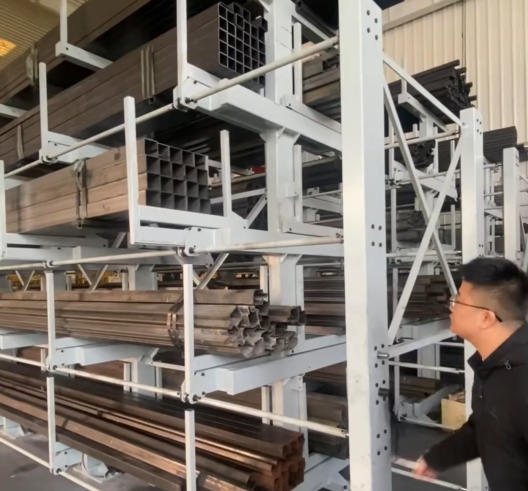
Telescopic cantilever racks disrupt this status quo by collapsing the aisle concept. Instead of permanent pathways, arms extend only when needed, retracting to form a near-solid wall of storage. This dynamic approach boosts density by 200–300%, allowing facilities to triple their throughput without new construction.
Mechanics of High-Density Telescopic Systems
The magic of telescopic racks lies in their sliding mechanism. Each arm mounts on hardened steel rails embedded within the central column. When activated, gears or linear actuators push the arm outward smoothly, supporting loads without deflection. Key components include:
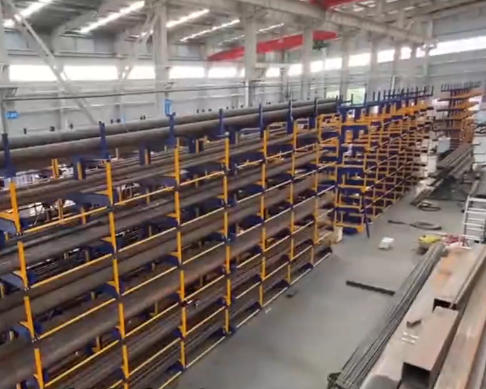
- Precision Bearings: Ensure frictionless movement even under 5T+ loads.
- Locking Pins: Secure arms in extended positions during loading/unloading.
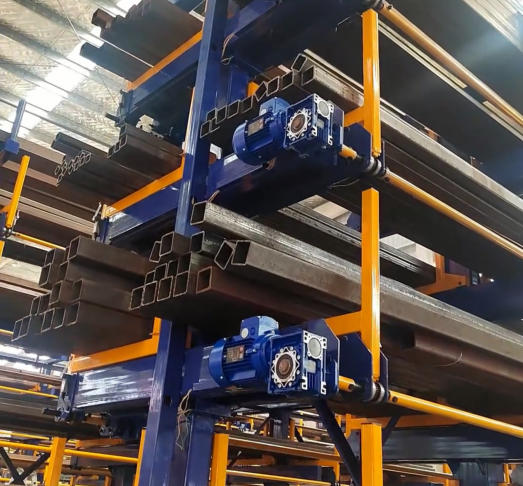
- Motor Drives: Electric models offer programmable extension speeds and depths.
Crucially, these systems maintain structural integrity during motion. Finite element analysis confirms that stress concentrations remain below yield points, even at full extension. This reliability enables confident deployment in high-cycle environments like automotive parts distribution.
Quantifying the Density Advantage
Consider a hypothetical 5,000 sq. m. warehouse storing 6-meter steel pipes:
- Static Racks: Require 2.8m aisles, yielding ~1,800 linear meters of storage.
- Telescopic Racks: Eliminate aisles, achieving ~5,200 linear meters—a 189% increase.
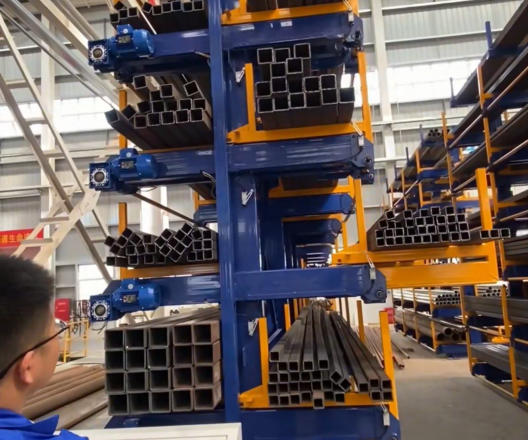
In practice, users report even higher gains due to vertical optimization. Multi-layer configurations (4+1 or 6-layer) exploit ceiling height, while narrow column spacing (1.2–1.5m) minimizes wasted gaps. The net effect? A facility that once held 200 tons can now manage 600+ tons.
Operational Perks Beyond Density
While space savings grab headlines, telescopic racks deliver broader operational wins:
1. Faster Throughput: One-button electric extension cuts retrieval times by 70%. Workers spend less time maneuvering forklifts and more time moving goods.
2. Reduced Damage: Controlled extension prevents material scraping against adjacent racks. Soft-touch arm surfaces protect delicate finishes on stainless steel or coated pipes.
3. Scalability: Modular designs allow incremental expansion. Start with 10 bays today; add 20 more next year without redesigning the entire layout.
4. Energy Efficiency: Electric models consume power only during movement, unlike continuously lit aisle markers in traditional setups.
Industry-Specific Implementations
Different sectors leverage high-density telescopic storage uniquely:
- Construction: Store rebar, scaffolding, and formwork in compact urban yards.
- Manufacturing: Organize raw stock (bars, tubes) near production lines for JIT feeding.
- Retail: Hold bulk shelving units, display frames, and seasonal decor in backrooms.
- Energy: Secure oil/gas pipelines and wind turbine blades in coastal depots.
A notable example is a European HVAC distributor that replaced static racks with telescopic systems. Within six months, they reduced warehouse footprint by 35%, redirected saved space to a new assembly line, and cut annual logistics costs by €220,000.
Overcoming Implementation Challenges
Adopting high-density storage isn’t without hurdles. Common concerns include:
- Upfront Costs: Telescopic systems cost 25–40% more than static equivalents. However, ROI typically materializes within 2 years via space/labor savings.
- Training Needs: Staff must learn electric controls and safety protocols. Vendor-provided training mitigates this.
- Floor Loading: High densities concentrate weight; structural assessments ensure floor compatibility.
Proactive planning turns these challenges into manageable steps. Engaging suppliers early for 3D site modeling prevents costly retrofits later.
The Road Ahead: Smart Density
Future iterations will blend density with intelligence. Expect racks equipped with load cells to monitor weight distribution, or cameras to verify material placement. Integration with WMS will enable “dark warehouse” operations, where lights-out automation handles storage/retrieval. Such advances will push density boundaries even further.
In essence, Space-Saving High Density Storage for Industrial Warehouse via telescopic cantilever racks is a game-changer. It transforms spatial constraints into competitive advantages, proving that sometimes, the best way forward is to fold inward.