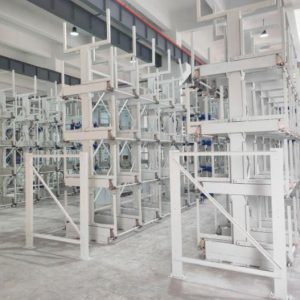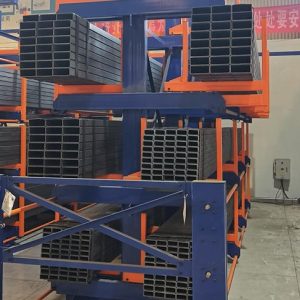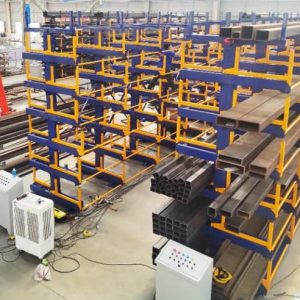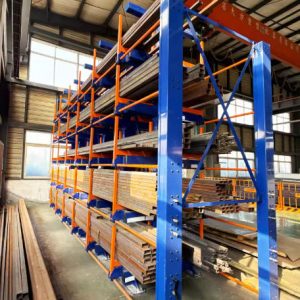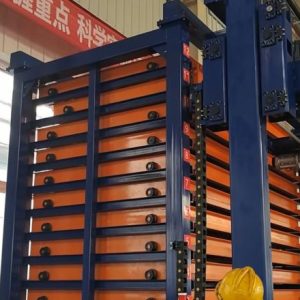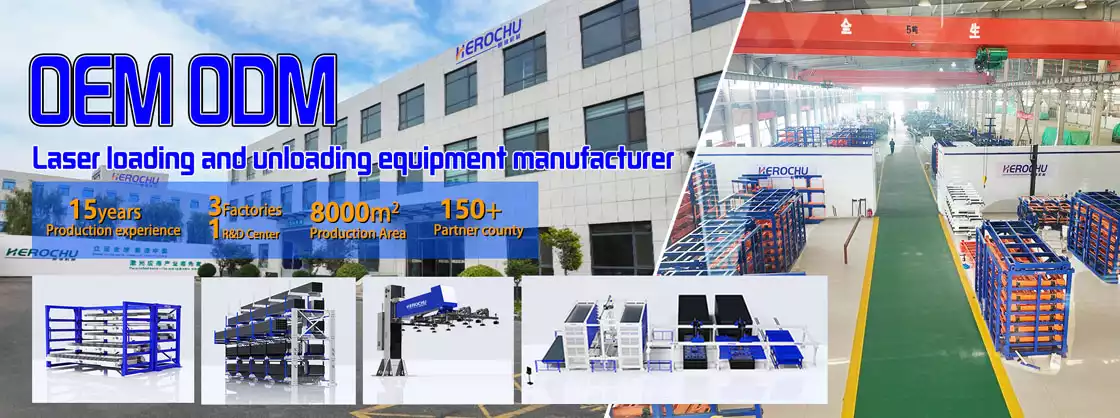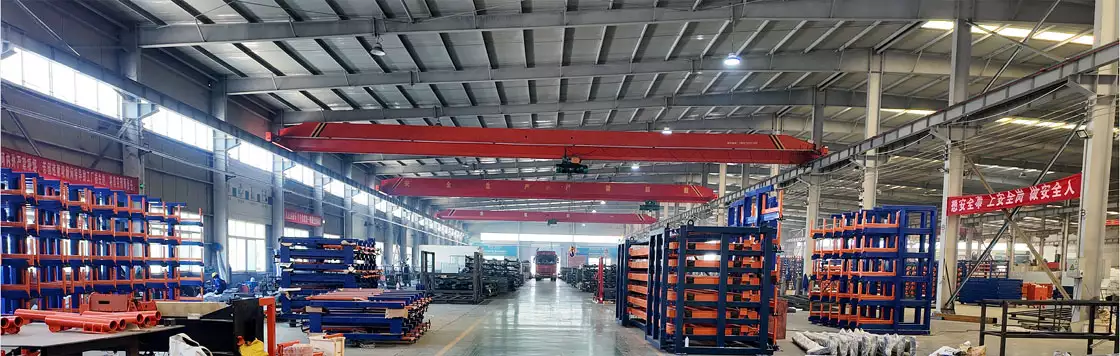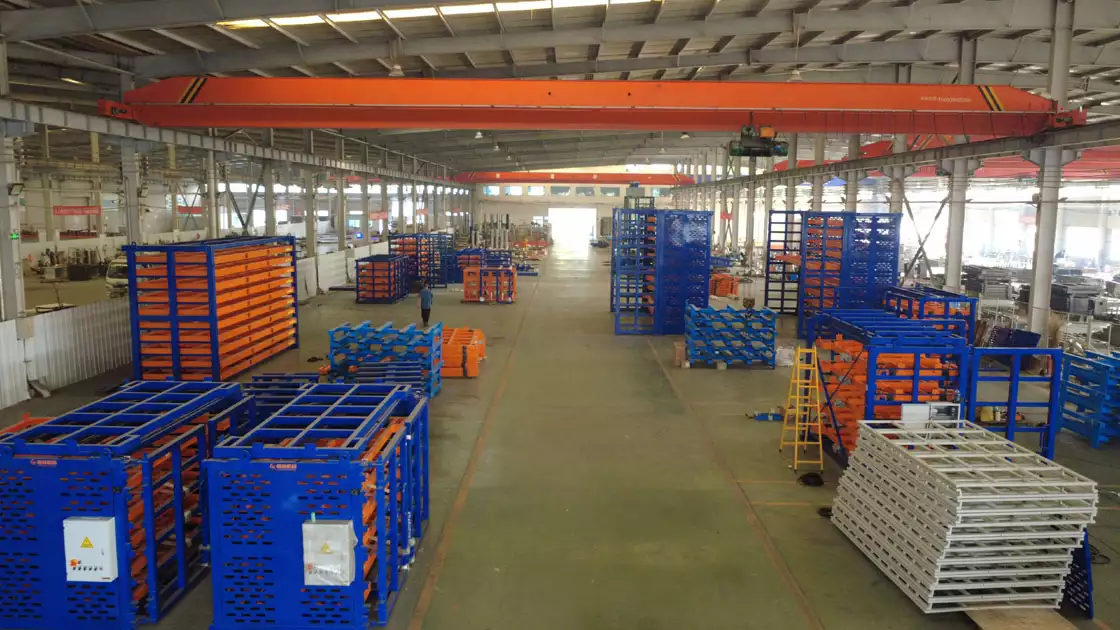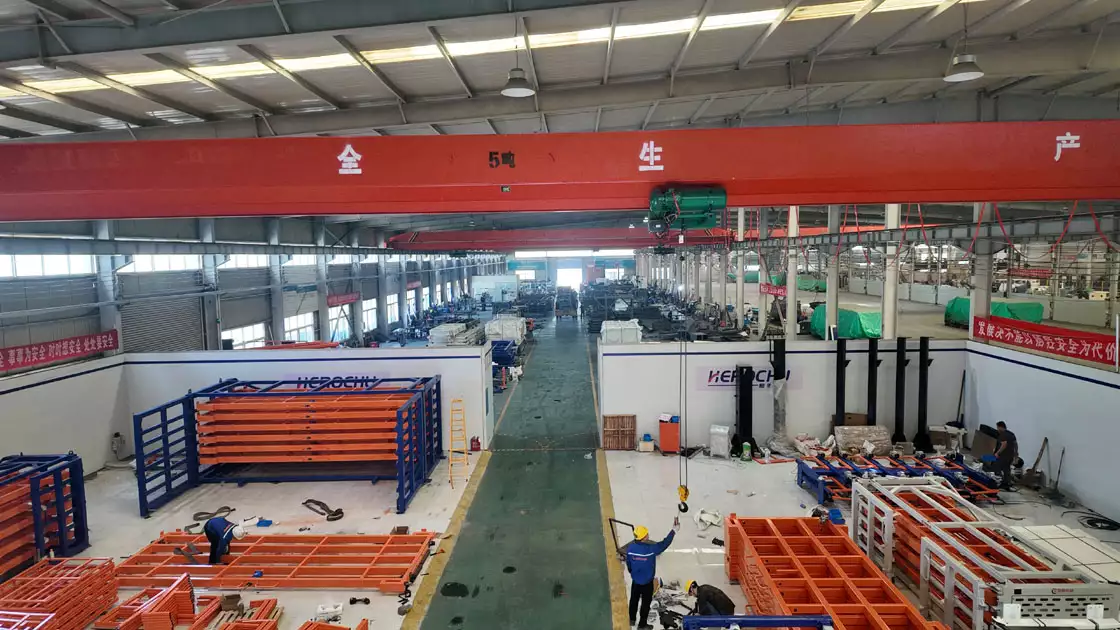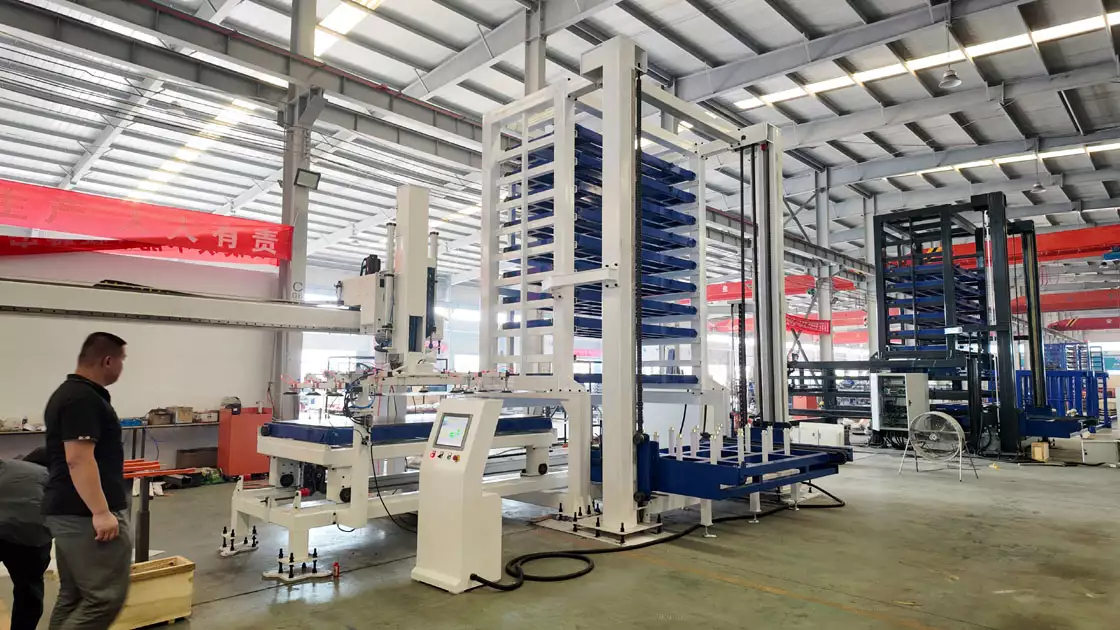
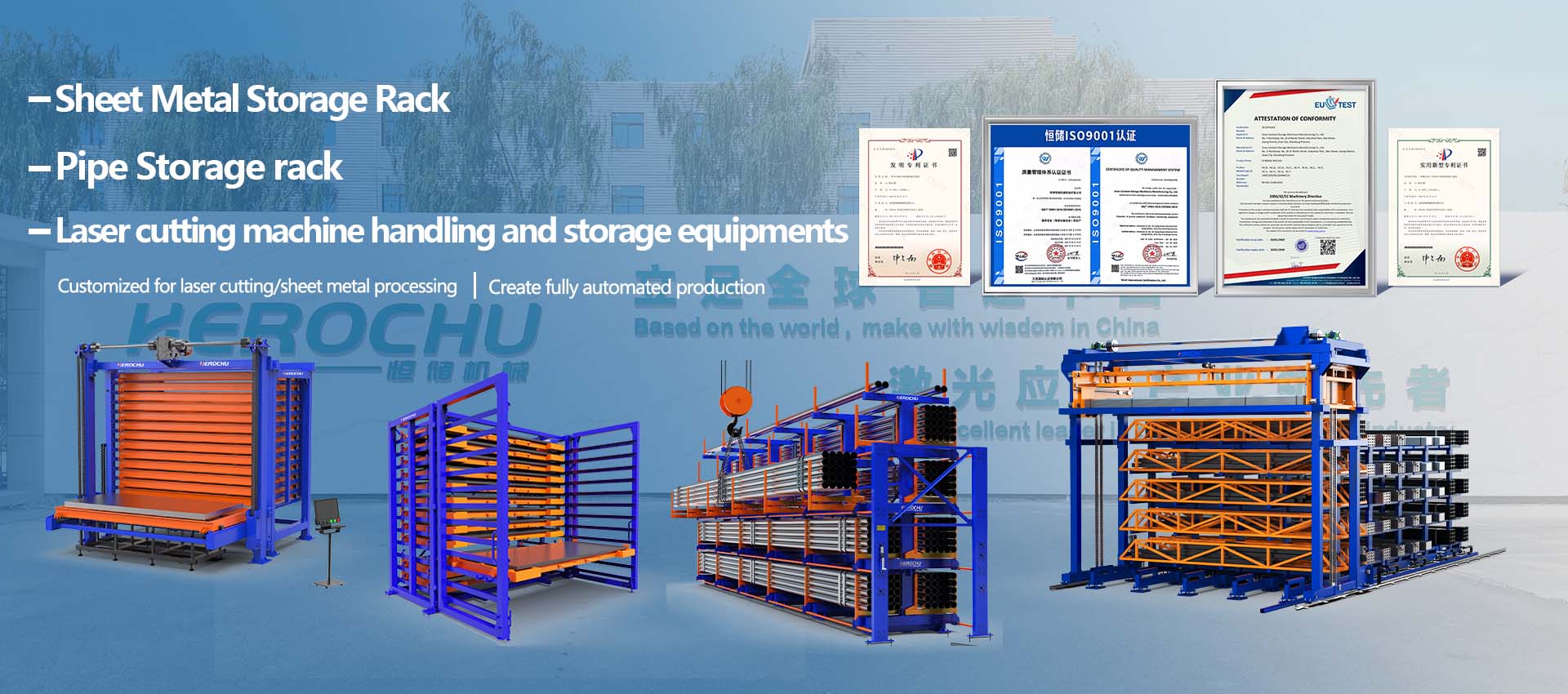
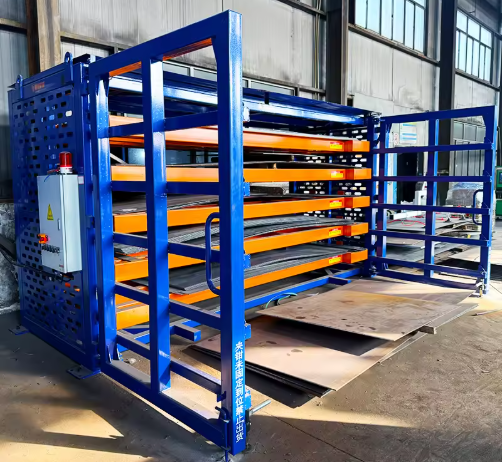
Implementing a new heavy duty sheet metal racking system represents a significant investment that demands careful planning, execution, and ongoing management. As facilities seek to optimize operations and reduce waste, understanding the complete implementation lifecycle becomes crucial for achieving maximum return on investment. This comprehensive guide outlines proven strategies for successfully deploying heavy duty industrial storage racks while minimizing disruption and accelerating benefit realization.
Pre-Implementation Planning and Assessment
Successful heavy duty sheet metal racking system projects begin long before equipment arrives on-site. Comprehensive planning establishes the foundation for smooth implementation and optimal outcomes. Start with detailed current state analysis documenting existing storage methods, inventory volumes, material characteristics, and operational workflows. Quantify pain points including damage rates, space utilization percentages, retrieval times, and labor costs associated with current practices.
Engage qualified heavy duty sheet metal warehouse rack manufacturers early in the planning process to leverage their expertise and avoid common pitfalls. Conduct thorough site surveys assessing floor conditions, ceiling heights, column spacing, utility locations, and access routes. These physical constraints significantly influence optimal system configuration and installation approaches.
Develop clear project objectives aligned with broader business goals. Whether targeting space reduction, damage elimination, throughput improvement, or safety enhancement, well-defined objectives guide decision-making throughout implementation. Establish measurable success criteria and baseline metrics that enable objective evaluation of project outcomes.
System Design and Configuration Optimization
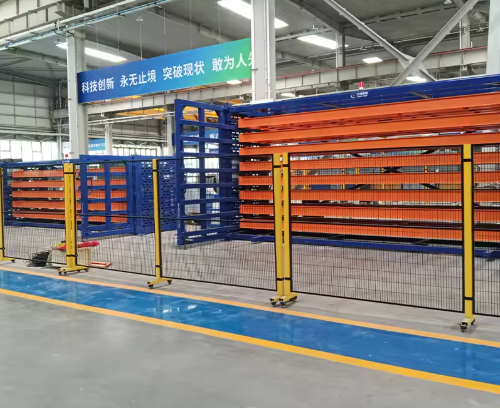
Working closely with your selected sheet metal storage racks manufacturer, develop detailed system designs that address specific operational requirements. Consider material dimensions, weight distributions, and handling methods when specifying rack configurations. Evaluate trade-offs between storage density and accessibility to find optimal balance for your unique situation.
Incorporate flexibility into heavy duty sheet metal racking system designs to accommodate future changes in product mix or volume fluctuations. Modular components and adjustable features enable reconfiguration without major reconstruction. Plan for expansion capacity to support business growth without requiring complete system replacement.
Integrate digital tracking capabilities from the outset rather than attempting retroactive additions. Barcode scanners, RFID readers, and software interfaces should be specified during initial design phases to ensure seamless compatibility. This proactive approach prevents costly modifications and delays later in the implementation process.
Installation Management and Quality Assurance
Professional installation represents a critical phase where attention to detail determines long-term system performance. Coordinate closely with heavy duty sheet metal warehouse rack manufacturers installation teams to schedule work during periods of minimal operational disruption. Develop phased implementation plans that maintain partial storage capacity throughout the transition.
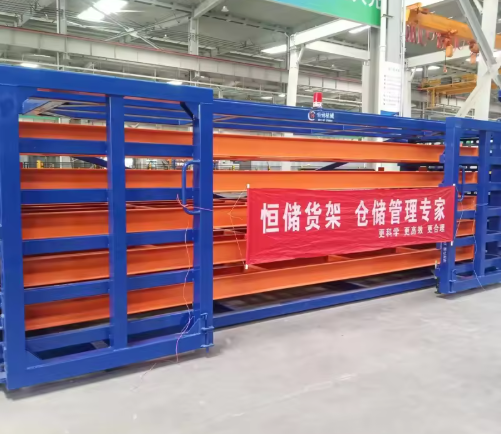
Establish rigorous quality assurance protocols verifying proper assembly, alignment, and anchoring of all heavy duty industrial storage racks components. Load testing confirms structural integrity before placing materials into service. Document installation procedures and inspection results for future reference and warranty purposes.
Address safety considerations comprehensively during installation. Ensure proper guardrail installation, clear aisle markings, and adequate lighting throughout storage areas. Verify emergency stop functions and safety interlocks operate correctly on automated systems. Provide temporary barriers and signage to protect workers during construction activities.
Change Management and Operator Training
Technology implementation succeeds or fails based on people factors as much as equipment capabilities. Develop comprehensive change management strategies addressing concerns, building buy-in, and facilitating adoption among all affected personnel. Communicate project benefits clearly, emphasizing how new heavy duty sheet metal racking system installations will make jobs easier and safer rather than threatening employment.
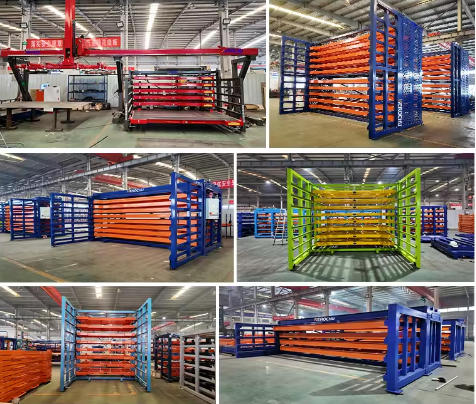
Create structured training programs covering equipment operation, safety procedures, troubleshooting techniques, and best practices. Combine classroom instruction with hands-on practice sessions to reinforce learning. Develop quick reference guides and visual aids that operators can access easily during daily work.
Identify super-users or champions within the workforce who can provide peer support and answer questions as colleagues gain familiarity with new systems. These internal experts often prove more effective than external trainers in driving sustained adoption and continuous improvement.
Performance Monitoring and Continuous Optimization
After heavy duty sheet metal racking system implementation, establish ongoing monitoring processes to track performance against established benchmarks. Collect data on space utilization, retrieval times, damage rates, and labor productivity regularly. Compare actual results with projected benefits to identify any gaps requiring corrective action.
Conduct periodic reviews involving operators, supervisors, and maintenance personnel to gather qualitative feedback on system performance. Front-line workers often identify practical improvement opportunities that might escape management attention. Act promptly on suggestions that can enhance efficiency or safety.
Maintain preventive maintenance schedules recommended by your sheet metal storage racks manufacturer to ensure reliable long-term operation. Keep spare parts inventory for critical components to minimize downtime during repairs. Update software and firmware regularly to access latest features and security enhancements.
Financial Analysis and ROI Validation
Throughout the implementation journey, maintain detailed financial records tracking all costs and benefits associated with the new heavy duty industrial storage racks. Include direct expenses such as equipment purchases, installation fees, and training costs alongside indirect factors like temporary productivity losses during transition.
Quantify benefits systematically using established baseline metrics. Calculate space savings in terms of avoided expansion costs or potential revenue from freed square footage. Measure damage reduction by comparing pre- and post-implementation scrap rates multiplied by material costs. Evaluate labor efficiency gains through time studies and wage rate applications.
Prepare regular ROI reports demonstrating progress toward payback targets and highlighting cumulative value creation. Share these results with stakeholders to reinforce investment decisions and build support for future improvement initiatives. Transparent financial tracking builds credibility and facilitates approval for additional optimization projects.
Lessons Learned and Knowledge Transfer
Document lessons learned throughout the heavy duty sheet metal racking system implementation process to capture valuable insights for future projects. Record challenges encountered, solutions developed, and recommendations for similar endeavors. This institutional knowledge proves invaluable when expanding storage capacity or upgrading other facility areas.
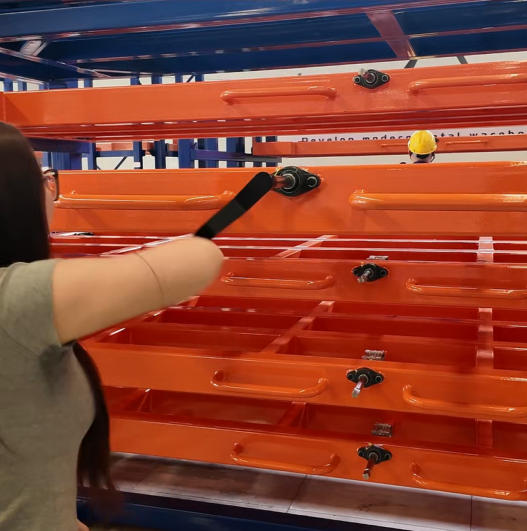
Share successes and learnings across the organization to spread best practices and avoid repeating mistakes. Consider presenting case studies at industry conferences or publishing articles to contribute to broader knowledge base. Positioning your company as a thought leader enhances reputation and may attract new business opportunities.
Maintain strong relationships with heavy duty sheet metal warehouse rack manufacturers partners beyond project completion. Regular communication ensures access to latest innovations, upgrade options, and expert advice as needs evolve. Long-term partnerships often yield better support and more favorable terms than transactional vendor relationships.
Conclusion: Achieving Sustainable Operational Excellence
Implementing a heavy duty sheet metal racking system successfully requires disciplined planning, careful execution, and committed ongoing management. By following proven strategies outlined in this guide and partnering with experienced sheet metal storage racks manufacturer organizations, facilities can achieve transformative improvements in efficiency, safety, and profitability.
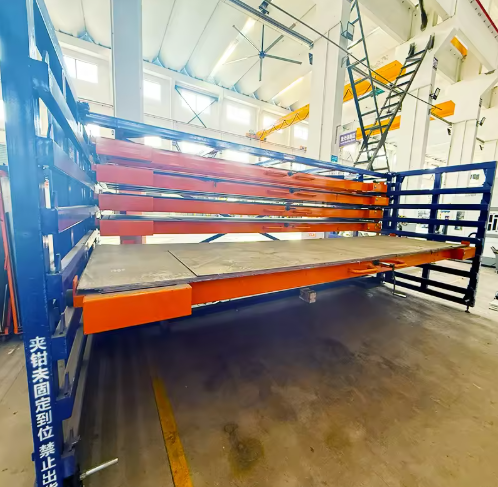
The journey from concept to full operational realization demands attention to countless details, but the rewards justify the effort. Organizations that master heavy duty industrial storage racks implementation gain sustainable competitive advantages that compound over time. As manufacturing landscapes continue evolving, those with optimized storage infrastructure will thrive while others struggle with outdated methods.
Begin your transformation today by assessing current operations, engaging qualified partners, and committing to excellence in every implementation phase. The path to maximum ROI starts with informed decisions and unwavering dedication to operational improvement.