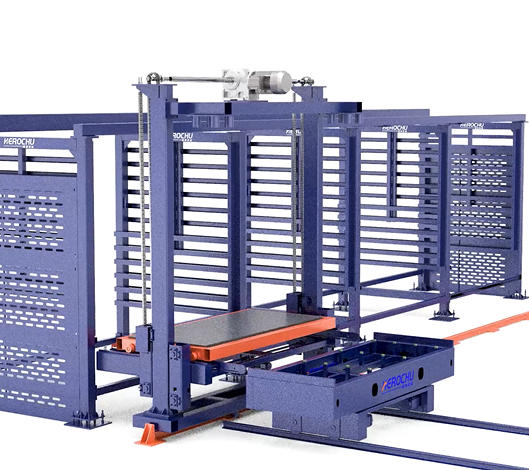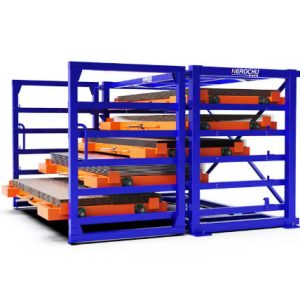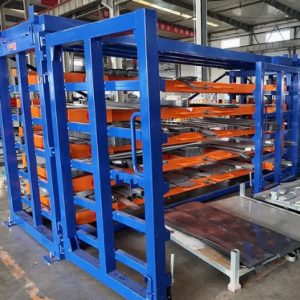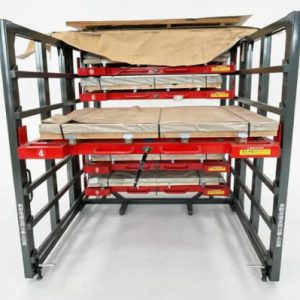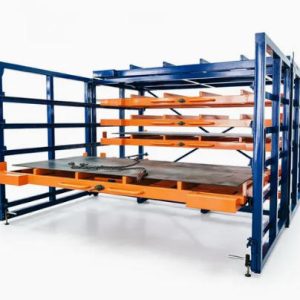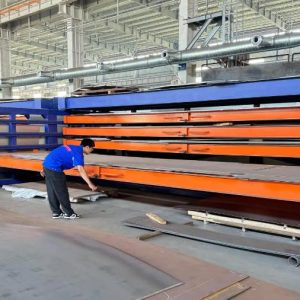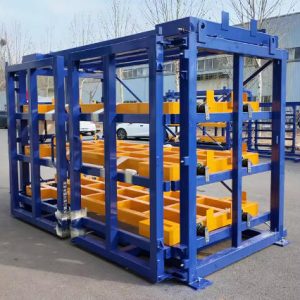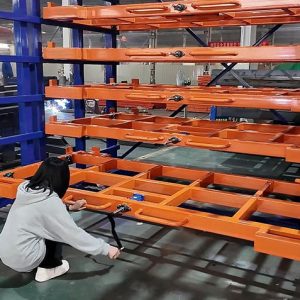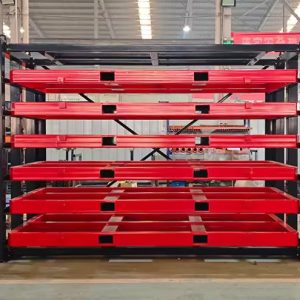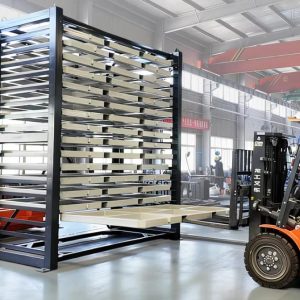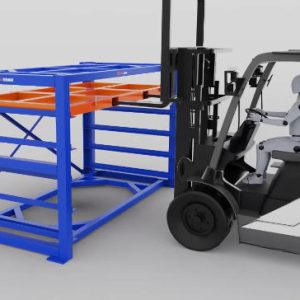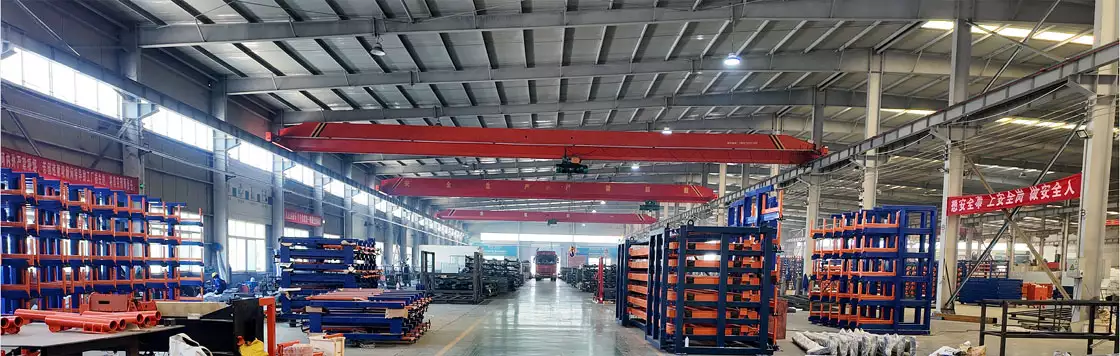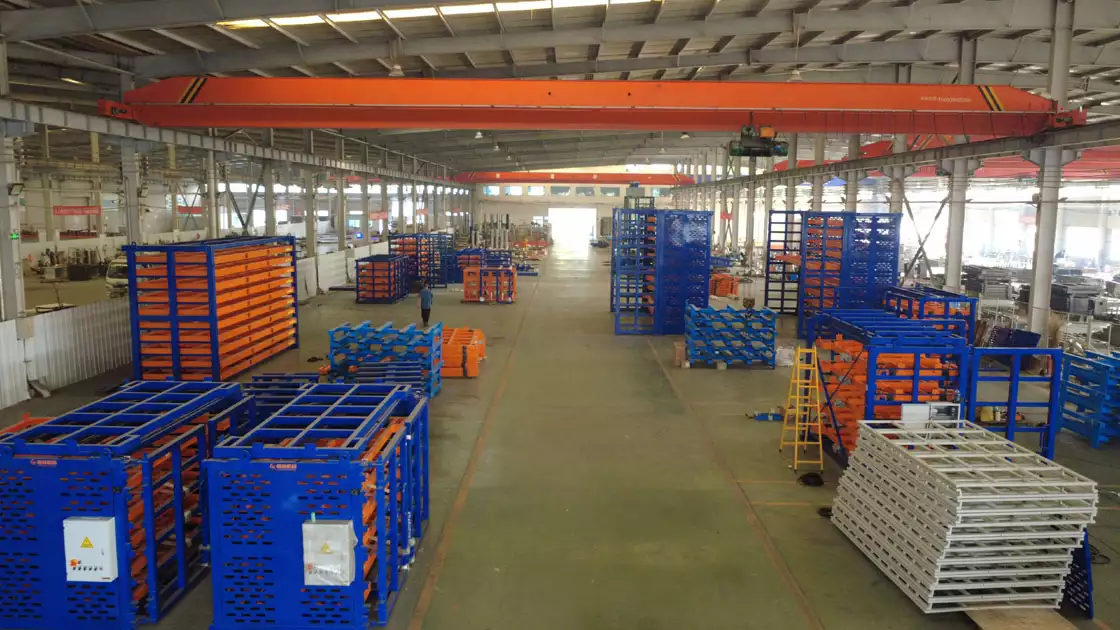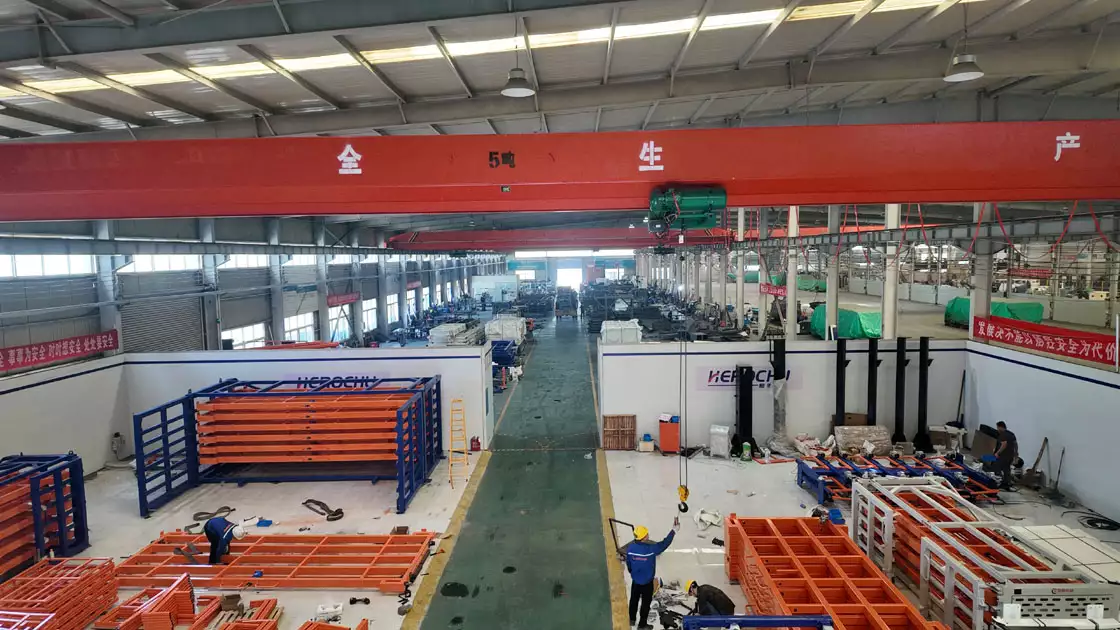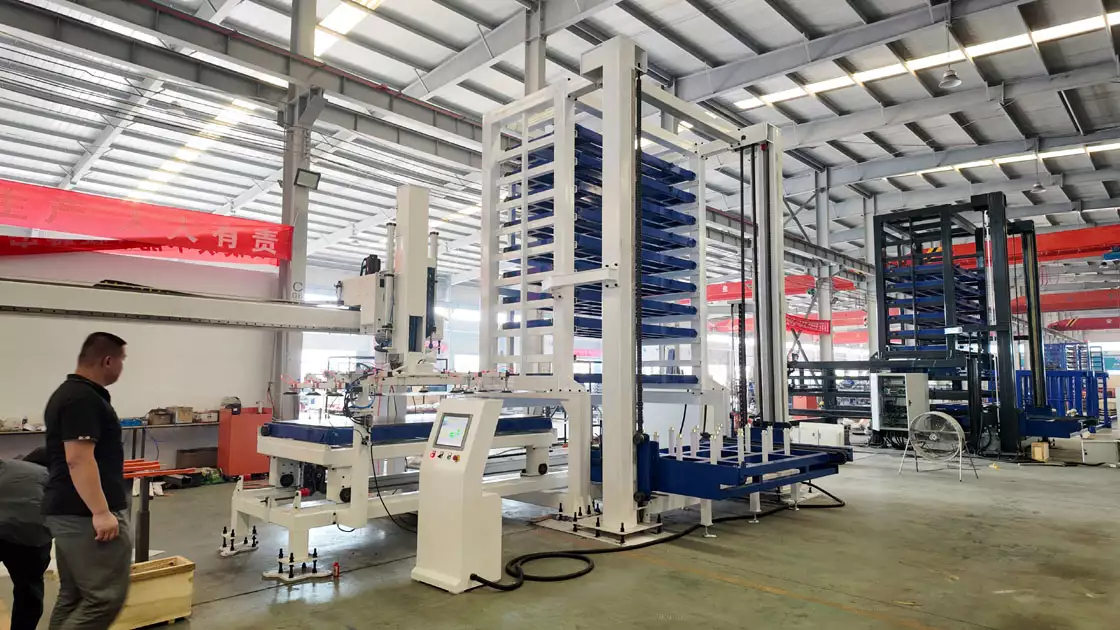
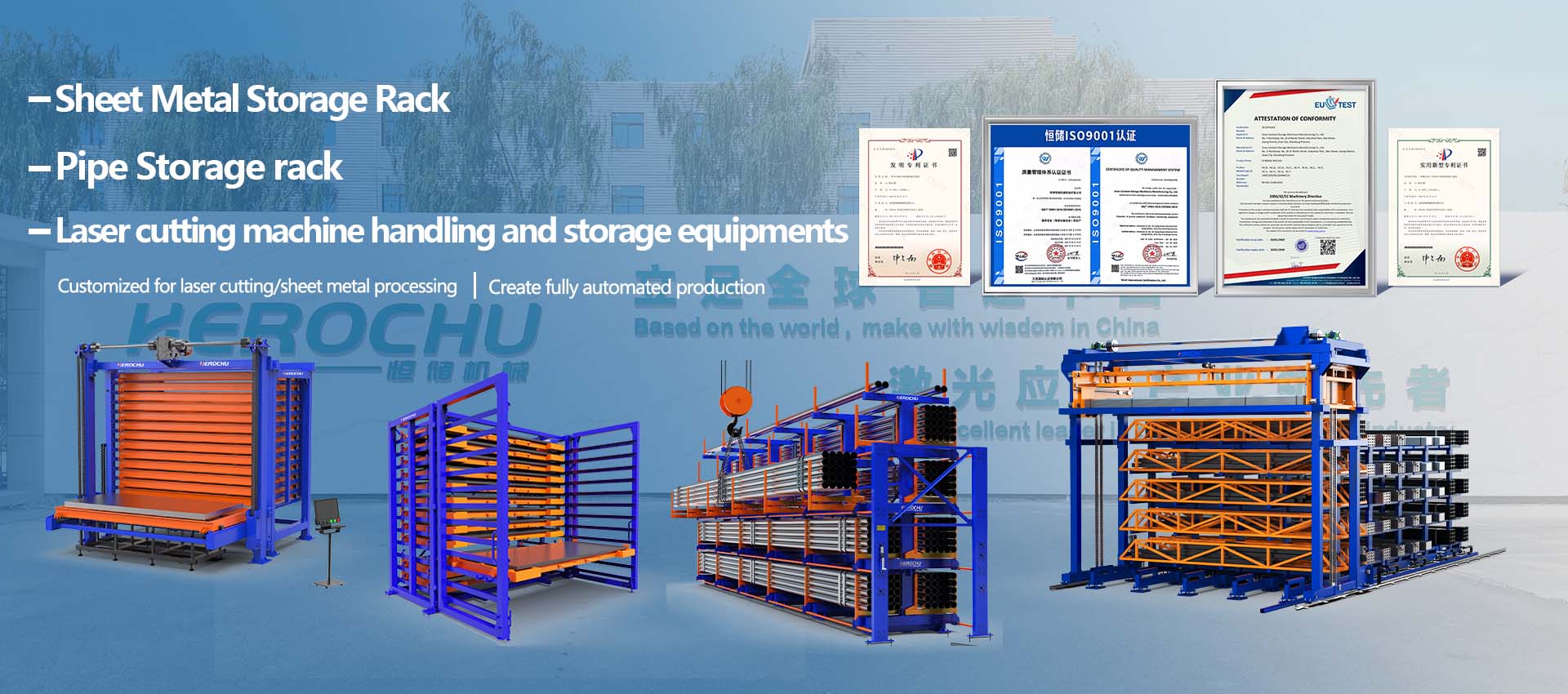
In the relentless pursuit of manufacturing excellence, every second counts—and every square meter matters. The Twin-Tower, Four-Row Automated Metal Plate Storage Side-Discharge Silo and Double-Beam Robotic Arm delivers both temporal and spatial efficiency through a fusion of mechatronics, intelligent control, and ergonomic design.
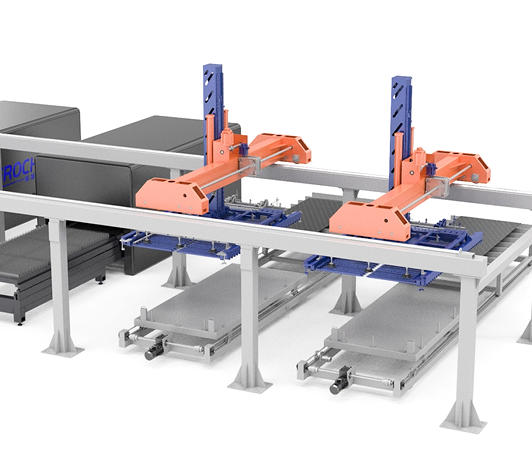
Often referred to as an “intelligent sheet metal silo,” this system functions as a vertical buffer between material delivery and processing. Raw plates arrive via forklift and are staged on an automated loading table. From there, an integrated hoist lifts them into designated slots within one of eight total rows (four per tower). The entire process is hands-free, eliminating manual stacking risks and inconsistent placement.
The double-beam robotic arm operates with ballet-like precision. Unlike single-arm cranes that must complete one task before starting another, this dual-system performs concurrent operations: retrieving a 6mm steel plate for a bending cell while simultaneously returning a leftover offcut to storage. Cycle times average under 25 seconds per transaction—unmatched in comparable AS/RS solutions.
Key to its performance is the side-discharge mechanism. Plates exit laterally through openings on the rack’s front face, sliding onto low-friction polymer rollers that guide them directly into feed trays of connected machinery. No clamps, no lifts, no reorientation—just direct, gravity-assisted transfer. This design also allows easy retrofitting into existing layouts without major civil modifications.
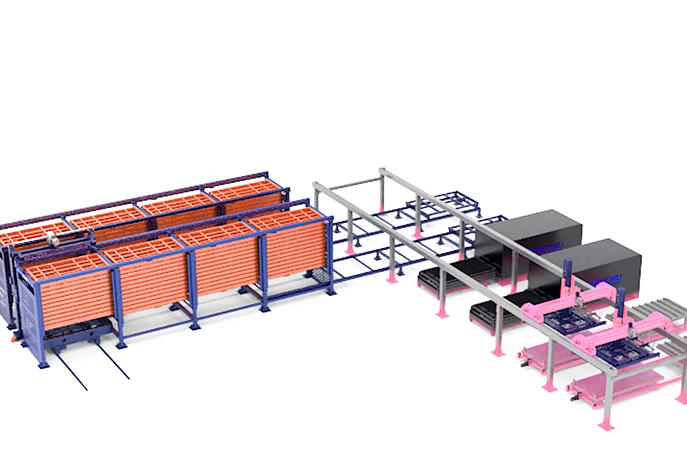
The silo’s frame uses a truss-gantry hybrid structure, combining the rigidity of box-section columns with the open visibility of lattice beams. This not only supports heavy dynamic loads but also permits visual inspection and maintenance access from all sides. Fire-rated insulation options are available for facilities requiring enhanced safety protocols.
Software intelligence elevates functionality. The onboard controller uses predictive algorithms to pre-stage frequently used materials near discharge points. It also monitors plate inventory in real time, triggering automatic reorder alerts when stock dips below threshold levels—linking procurement directly to production consumption.
Energy efficiency is another advantage. Regenerative braking on the hoist motors feeds power back into the grid during descent. LED lighting and motion-sensor controls further reduce operational costs.
Industries adopting this system include defense contractors (for armor plate handling), renewable energy fabricators (handling large PV mounting sheets), and custom job shops managing hundreds of SKUs daily. One European manufacturer noted a 50% drop in changeover time between jobs due to instant material availability.
Critically, the system supports unmanned night shifts. Once loaded, it can run autonomously for 12+ hours, feeding multiple machines based on pre-loaded production schedules. Remote diagnostics allow engineers to troubleshoot issues via secure cloud portals, minimizing downtime.
In essence, this automated silo isn’t just about storing metal—it’s about orchestrating material flow with surgical accuracy. For companies battling rising wages, space constraints, and quality inconsistencies, it offers a compelling path to resilience and competitiveness.