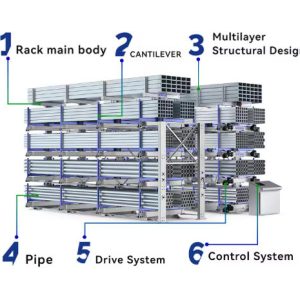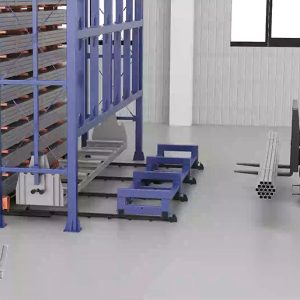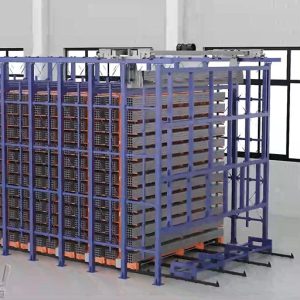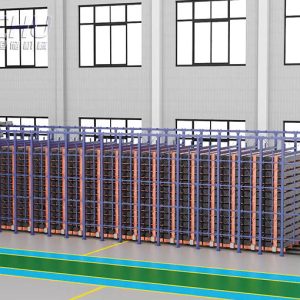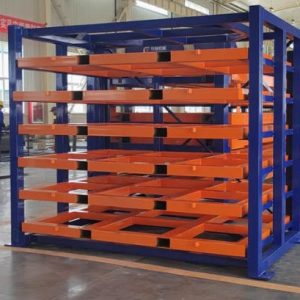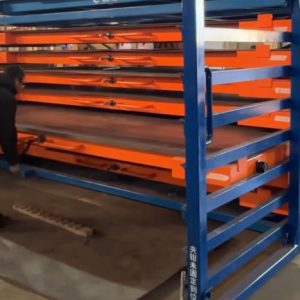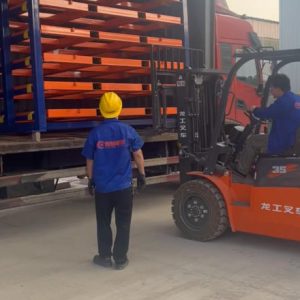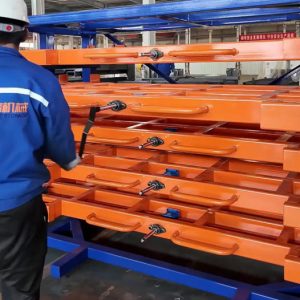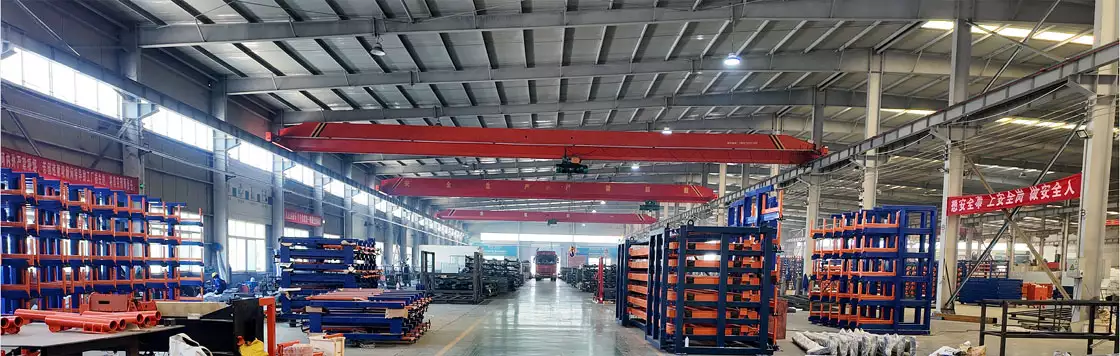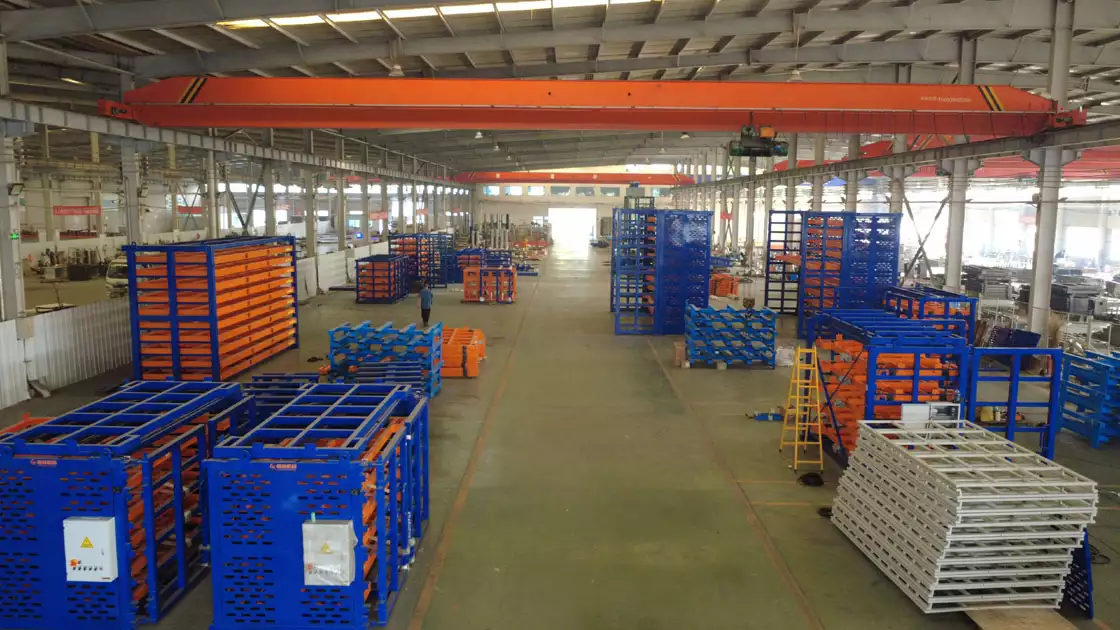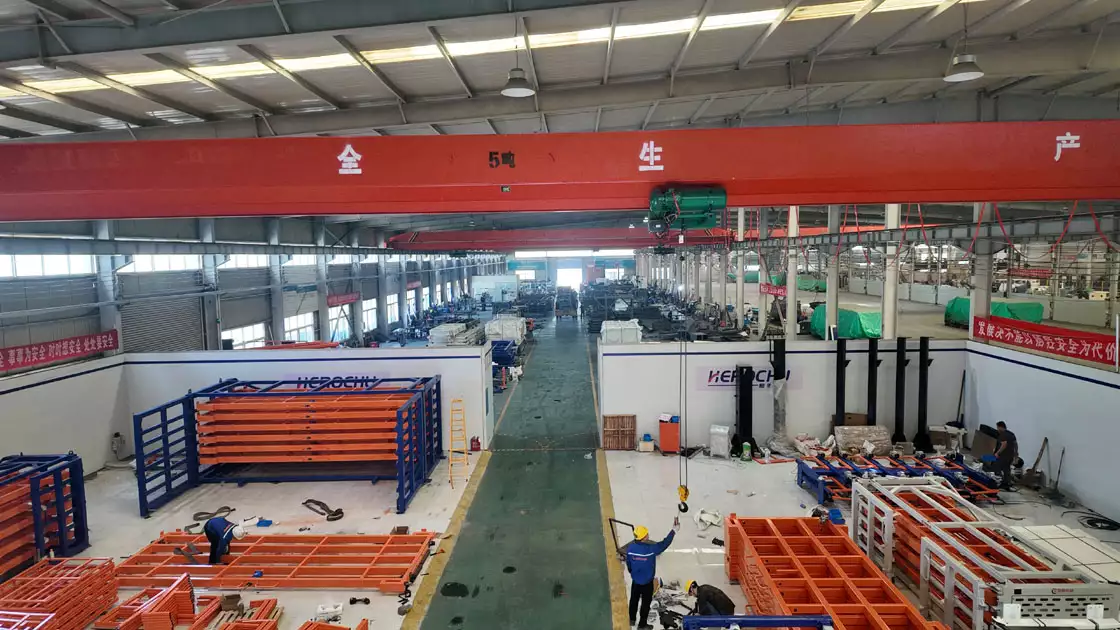
In industrial settings where metal bars, pipes, and tubing are handled daily, disorganization isn’t just an inconvenience—it’s a liability. Cluttered floors, unstable stacks, and poor material visibility can lead to accidents, delays, and even regulatory violations. Fortunately, heavy-duty pipe racks offer a proven, engineered solution that enhances both safety and workflow efficiency. Far more than simple shelving, these systems are purpose-built to meet the rigorous demands of modern material handling.
The Hidden Costs of Poor Pipe Storage
Many facilities still rely on outdated methods: leaning pipes against walls, stacking them on pallets, or leaving them loose on the floor. While these approaches may seem cost-effective at first glance, they carry significant hidden costs:
- Increased injury risk: Rolling pipes cause slips, trips, and crush injuries.
- Material damage: Unprotected contact leads to dents, scratches, or warping—especially critical for precision tubing.
- Time loss: Workers waste minutes (or hours) searching for specific sizes.
- Space inefficiency: Horizontal floor stacking consumes up to 3x more area than vertical racking.
A study by OSHA found that improper material storage contributes to nearly 25% of warehouse-related injuries. By contrast, facilities that implement structured pipe storage systems report measurable reductions in incident rates and insurance claims.
Engineering Safety Into Every Component
Heavy-duty pipe racks are designed with safety as a foundational principle—not an afterthought. Key features include:
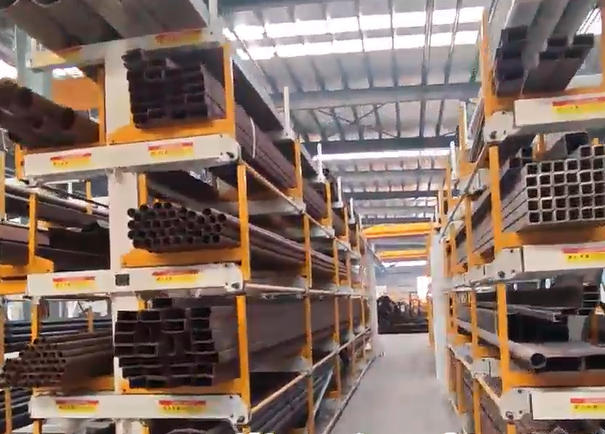
- Anti-roll arms: Slightly upward-curved or lip-equipped arms prevent pipes from sliding off during loading or seismic activity.
- Staggered tier design: Pipes rest in offset rows, minimizing direct contact and preventing domino-style collapses.
- Non-slip base plates: For floor-mounted models, wide footplates distribute weight evenly and resist tipping.
- Clear labeling zones: Integrated tag holders or color bands allow instant identification without handling.
These elements work together to create a passive safety environment—where correct behavior is encouraged simply by the design itself.

Optimizing Workflow Through Strategic Placement
Beyond safety, these racks dramatically improve operational flow. Consider a fabrication shop cutting custom-length steel bars. Without organized storage:
- Operators walk back and forth to a chaotic pile.
- Wrong-sized stock is occasionally pulled, causing rework.
- Cutting tables remain idle while materials are sorted.
With a properly configured pipe rack system:
- All bar stock is visible and labeled by diameter and alloy.
- Forklifts load directly from rack to machine.
- Changeovers between jobs accelerate due to instant access.
This isn’t theoretical—companies across automotive, construction, and energy sectors have documented 15–30% gains in material handling productivity after installing professional-grade racks.
Custom Configurations for Diverse Needs
No two operations are identical, which is why leading pipe rack systems offer extensive customization:
- Adjustable arm spacing: Accommodate everything from ½-inch conduit to 12-inch structural tubing.
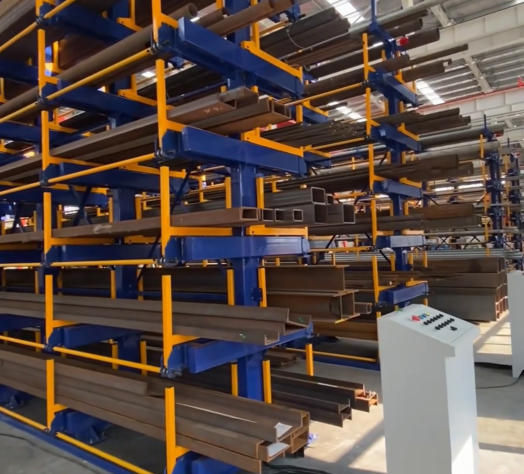
- Modular bays: Start with a single unit and expand laterally or vertically as inventory grows.
- Indoor/outdoor variants: Galvanized or hot-dip zinc coatings protect against moisture and corrosion.
- Load-rated certification: Many racks come with third-party tested weight capacities per level, ensuring compliance with engineering standards.
For high-mix environments (e.g., plumbing suppliers carrying copper, PVC, steel, and stainless), multi-tier racks with segregated arms prevent cross-contamination and simplify picking.
Integration with Modern Warehouse Systems
Today’s smart warehouses demand storage solutions that play well with digital tools. Heavy-duty pipe racks support this through:
- Barcode-ready label mounts for inventory tracking.
- Compatibility with WMS (Warehouse Management Systems) when paired with RFID tags.
- Standardized dimensions that align with pallet rack aisles and automated retrieval systems.
Even in semi-automated facilities, clearly organized racks reduce human error in manual data entry—critical for traceability in regulated industries like aerospace or medical device manufacturing.
Sustainability and Long-Term Value
Unlike disposable storage aids (wooden cradles, plastic bins), steel pipe racks are built to last decades. Their durability reduces replacement frequency, lowering long-term costs and environmental impact. Additionally, efficient space use means fewer square feet are needed per ton of stored material—potentially deferring costly facility expansions.
Many manufacturers also offer recyclable or remanufactured rack options, supporting circular economy goals without sacrificing performance.
Final Word: Safety Meets Efficiency
Heavy-duty pipe racks represent one of the highest-return investments a material-handling operation can make. They simultaneously reduce risk, save time, protect inventory, and future-proof storage capacity. In an era where workplace safety and operational agility are non-negotiable, these systems aren’t just useful—they’re essential.