Introduction
When managing inventory of pipes, tubes, rods, and extrusions, businesses often start with rudimentary methods: leaning them against walls, stacking them on pallets, or piling them in corners. However, as operations scale, these ad-hoc approaches reveal significant drawbacks in safety, efficiency, and cost. The strategic upgrade is to implement dedicated steel pipe racks. This analysis contrasts these engineered storage systems with conventional methods, highlighting the substantial advantages that justify the investment.
Conventional Storage Methods: The Hidden Costs
Traditional storage practices, while seemingly low-cost initially, incur hidden expenses:
- Floor Piles: Consume enormous, expensive floor space, create severe trip hazards, and make retrieving anything but the top item difficult and dangerous.
- Leaning Against Walls: Unstable, prone to collapsing, damages walls, and offers no organization or separation by size/type.
- Simple Pallet Racking: Not designed for long items; pipes can roll off, creating instability and failing to keep items sorted.
The Steel Pipe Rack Advantage: A Multi-Faceted Solution
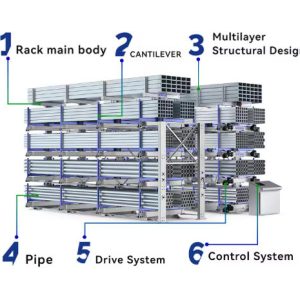
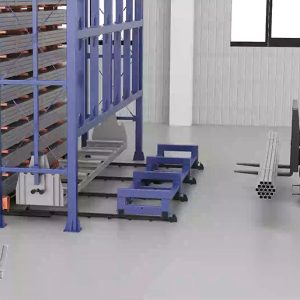
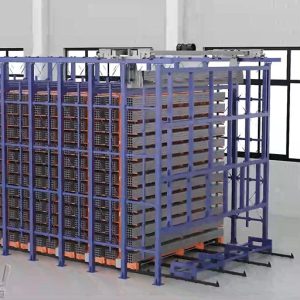
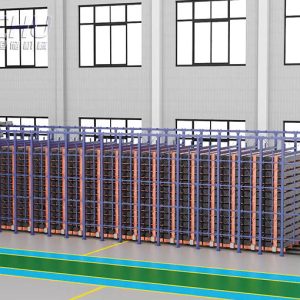
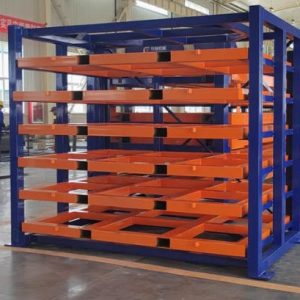
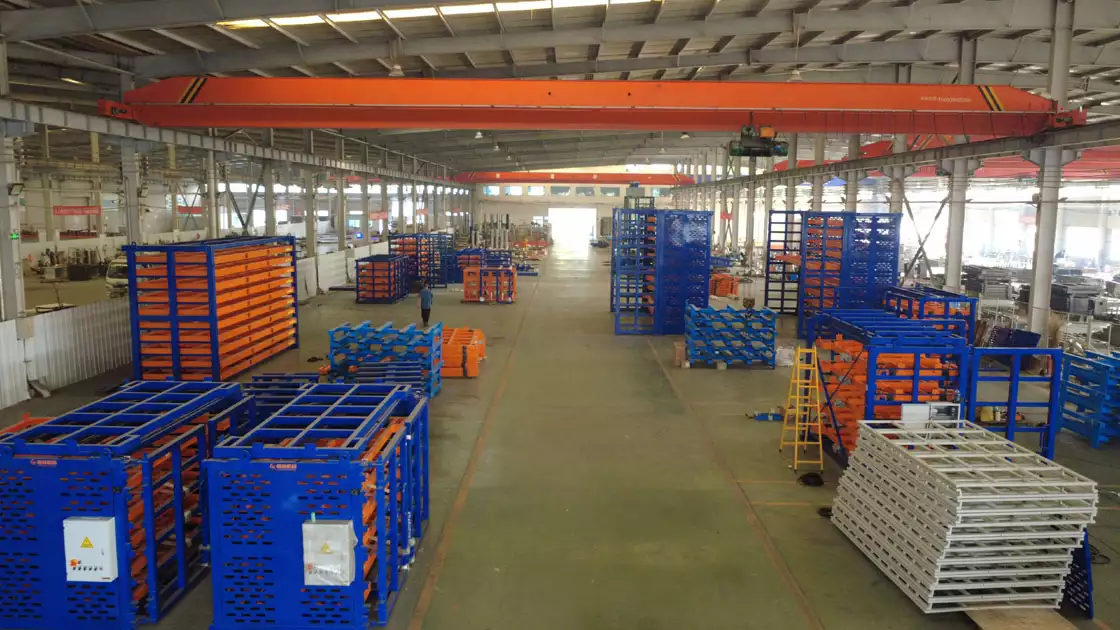
A steel pipe rack, specifically a heavy-duty bar and pipe storage system, is designed to address these very shortcomings. Let’s break down its competitive advantages.
1. Unparalleled Organizational Efficiency
The most immediate benefit is systematic efficient storage and organization. Racks provide dedicated slots, arms, or compartments. This allows for categorization by diameter, length, material type, or job number. The result is a warehouse that functions like a library instead of a junkyard. Workers can find what they need instantly, without time-consuming searches or delving through mounds of pipes. This direct access translates directly into labor savings, faster job completion, and the ability to handle more orders with the same workforce, thereby increasing productivity and decreasing downtime.
2. Superior Space Utilization: A True Space-Saving Solution
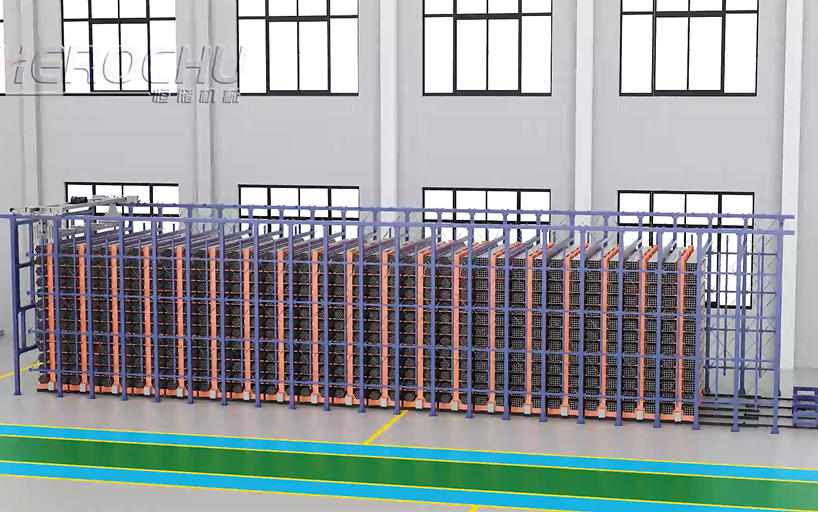
Steel pipe racks are engineered to optimize vertical or horizontal space intelligently.
- Vertical Racks: These are the ultimate space-saving solution for facilities with high ceilings. By storing pipes upright, they reduce the required floor footprint by over 80% compared to floor piles, effectively multiplying your storage capacity within the same square footage.
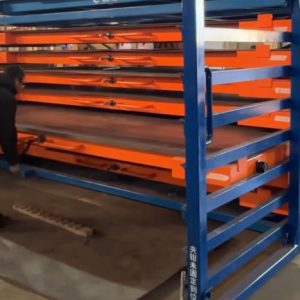
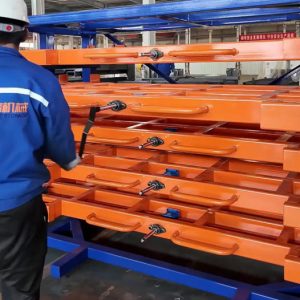
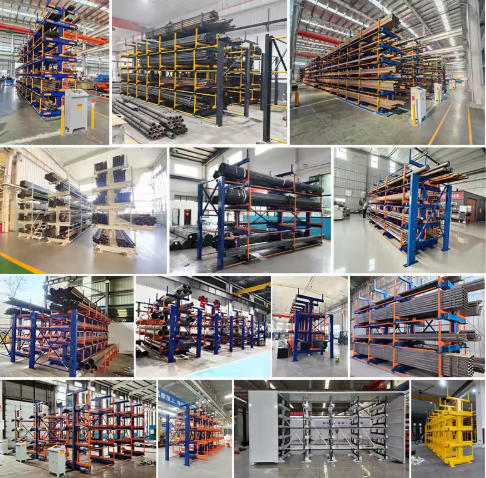
- Horizontal Racks: While using more floor space, they organize it with extreme efficiency. Cantilevered arms allow for dense, accessible stacking and make every single piece visible and reachable, eliminating the “buried item” problem of piles.
By effectively utilizing the available space, these racks free up valuable square footage for more productive uses like assembly, staging, or additional equipment, ultimately improving your facility’s revenue-generating potential per square foot.

3. A Leap Forward in Safety and Accessibility
Safety improvements are profound and non-negotiable. A well-organized steel pipe rack systematically removes hazards.
- Eliminates Trip Hazards: By getting all materials off the floor, the risk of employees tripping over stray pipes is eradicated.
- Prevents Collapses and Rolls: Secure placement in designated slots prevents the sudden, dangerous shifts common in piles.
- Promotes Proper Handling: Easy access means workers are less likely to take risky shortcuts to retrieve a stuck item, decreasing the likelihood of handling the pipes incorrectly. The improved safety and accessibility also mean that in the event of an emergency, aisles are clear and materials are secure, contributing to overall site safety compliance.
4. Enhanced Inventory Control and Material Protection
With organized racks, visual inventory management becomes simple. Stock levels are easy to assess at a glance, facilitating accurate reordering and reducing the risk of stock-outs or over-purchasing. Furthermore, storing pipes on racks keeps them straight, prevents cosmetic and structural damage from abrasion, and protects them from moisture and dirt on the floor, preserving their value and quality.
5. Durability and Long-Term Value
Constructed from robust steel, a quality pipe rack is a capital asset with a long service life. It withstands heavy loads, harsh environments, and continuous use. Compared to the recurring costs of damaged inventory, workplace accidents, and inefficient labor associated with poor storage, the one-time investment in a proper rack system offers an outstanding return on investment (ROI).
Conclusion
The choice between conventional storage and a dedicated steel pipe rack system is a choice between ongoing hidden costs and structured efficiency. The advantages are clear and impactful: transformative efficient storage and organization, intelligent use of space as a space-saving solution, and a fundamental improved safety and accessibility for personnel. For any business looking to scale sustainably, reduce risk, and operate at peak efficiency, migrating to heavy-duty bar and pipe storage racks is not just an option; it is an essential operational upgrade.