A Comprehensive Guide to Warehouse Cantilever Pipe Rack Systems
Introduction: The Backbone of Organized Industrial Storage
Warehouse Cantilever Pipe Rack Systems represent the gold standard for storing long, bulky, and heavy materials in commercial and industrial settings. Unlike conventional pallet racking, these systems are characterized by their vertical columns and projecting arms, creating an open-front design that accommodates items of irregular length and size with ease. This guide explores the intricacies of these systems, highlighting how they form the essential backbone for operations requiring systematic storage of pipes, lumber, steel, and other lengthy goods. When you envy them for putting steel pipes on the shelves in a neat, accessible, and space-saving manner, you are almost certainly looking at a well-planned cantilever rack system installation.
System Anatomy: Columns, Arms, and Bases
Understanding the components is key to appreciating its strength:
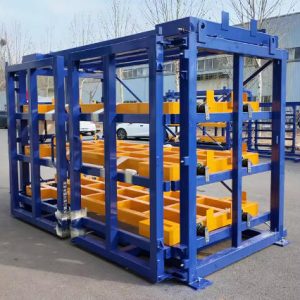
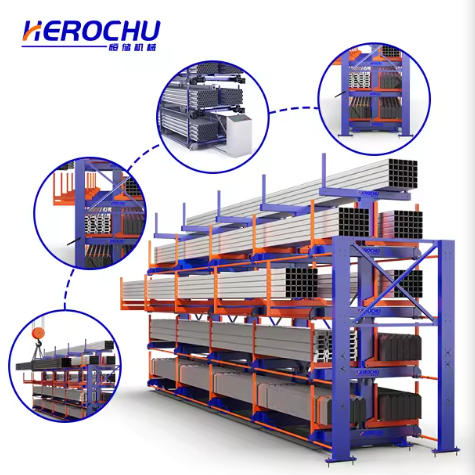
- Upright Columns: These are heavy-duty steel columns, often with a triangular or rectangular lattice design for maximum strength-to-weight ratio. They are anchored securely to the floor to resist overturning forces.
- Cantilever Arms: The defining feature. These arms bolt into the column at adjustable heights. They are designed with a slight upward tilt to prevent items from sliding off and are often capped with a protective material to prevent damage to stored goods.
- Base & Bracing: A robust base plate and cross-bracing between twin columns (in double-sided configurations) provide exceptional stability, crucial for handling the dynamic loads of large steel pipe storage of 100 tons.
Types and Configurations: Roll-Out vs. Static
Warehouse cantilever pipe rack systems primarily come in two advanced types:
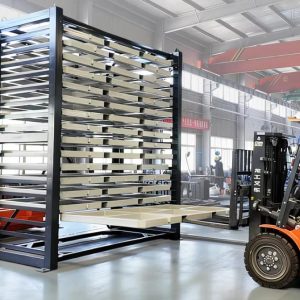
- Static Cantilever Racks: The traditional and most common type. Arms are fixed, and access is achieved by a forklift or crane approaching from the side. They offer very high density and are ideal for bulk storage of similar items.
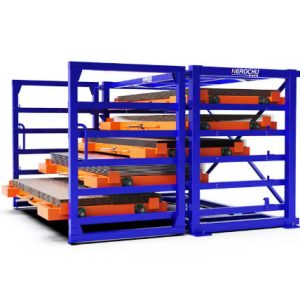
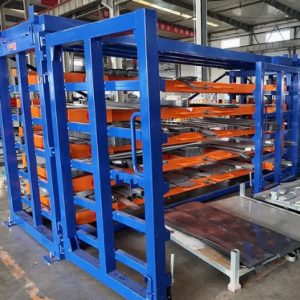
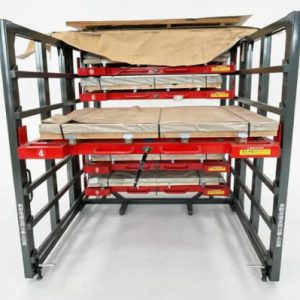
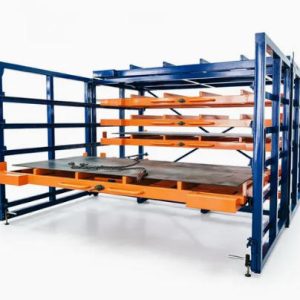
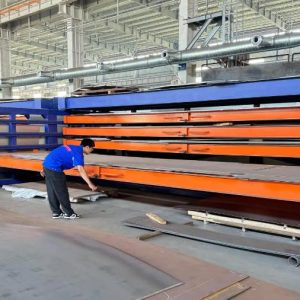
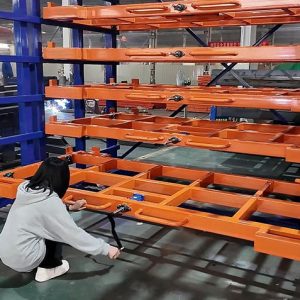
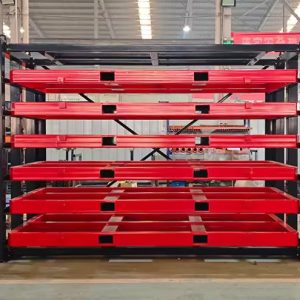
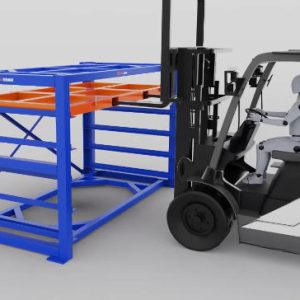
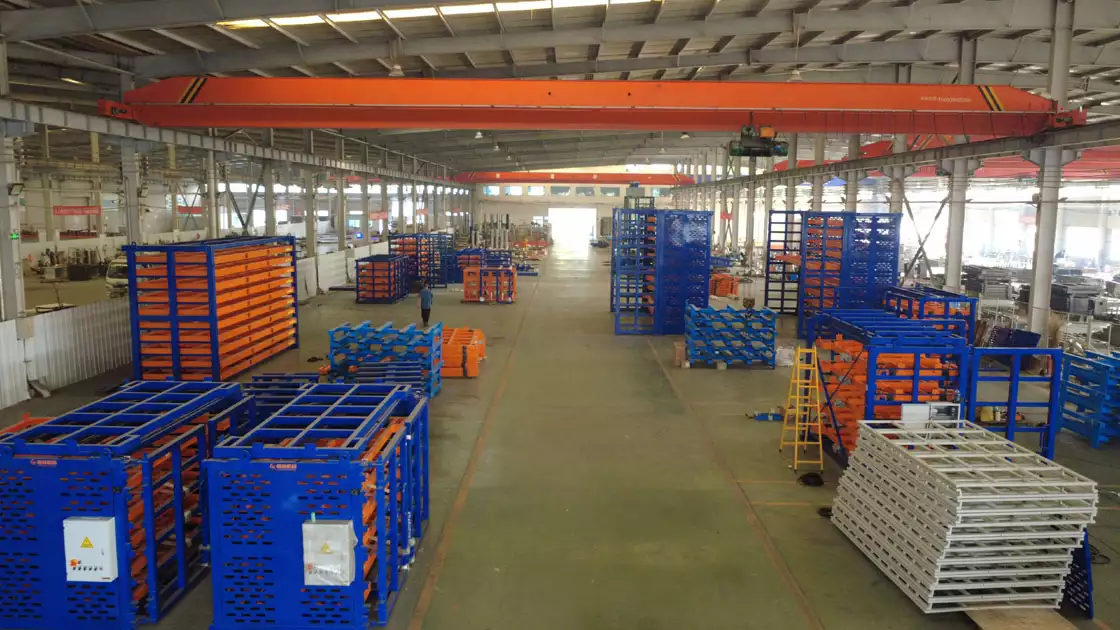
- Roll Out Cantilever Racks (Dynamic): An advanced iteration where entire sections of arms are mounted on mobile carriages. As discussed, these Roll Out Cantilever rack units slide out into the aisle, combining the high density of static racks with the superior accessibility of drawer systems. This is often the choice for high-value, high-mix inventory.
Integration with Warehouse Workflow
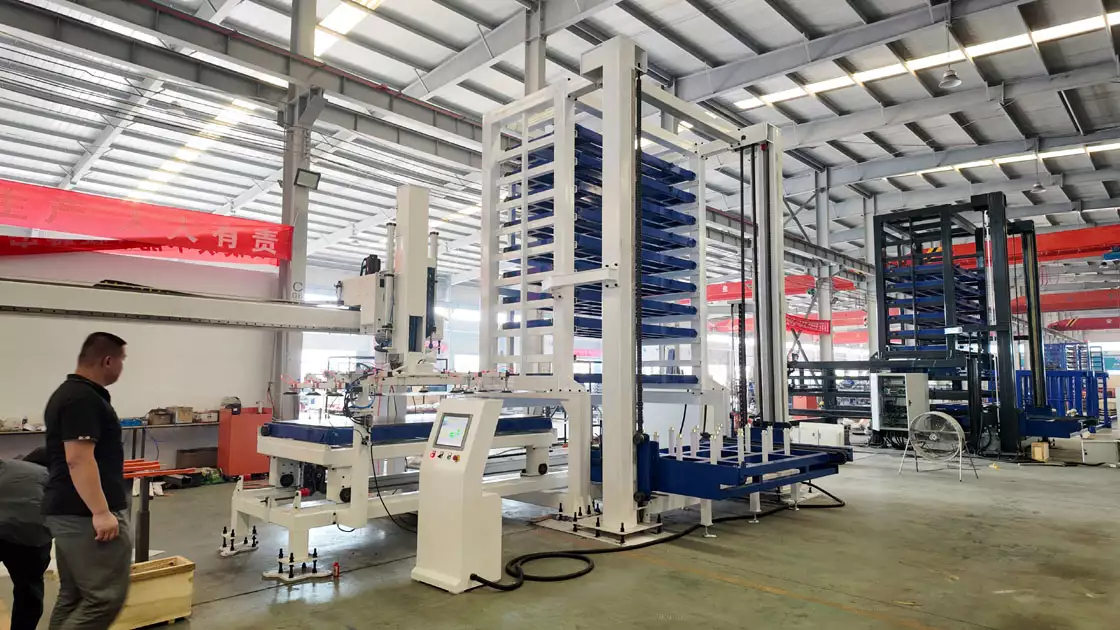
The true power of these systems is realized when they are integrated into the warehouse’s operational workflow. They define specific storage zones, streamline material handling routes, and interface seamlessly with handling equipment like overhead cranes, sideloaders, and forklifts with boom attachments. The clear organization they impose reduces travel and search time, directly boosting productivity. The PLC frequency conversion control available on motorized roll-out models further integrates with warehouse management systems (WMS) for automated storage and retrieval processes.
Selection Criteria: Choosing the Right System
Selecting the right system involves analyzing several factors:
- Inventory Profile: Length, weight, diameter, and quantity of materials (refer to our model table for capacities).
- Access Frequency: High-turnover items benefit more from Roll Out Cantilever rack systems, while bulk, slow-moving inventory is suited for static racks.
- Space Layout: Ceiling height, floor area, and required aisle widths.
- Handling Equipment: The type of machinery available will dictate the optimal rack configuration and access type.
Conclusion: The Strategic Storage Decision
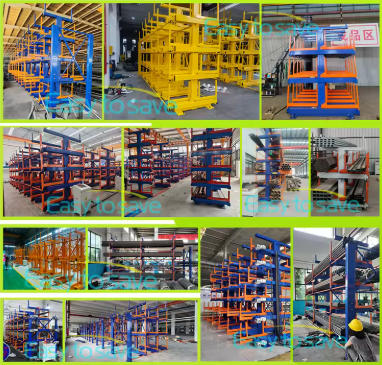
Implementing a Warehouse Cantilever Pipe Rack System is a strategic decision that impacts safety, efficiency, and scalability. It is the foundational step in transforming a cluttered storage area into a streamlined, high-capacity logistics center capable of supporting business growth and operational excellence.