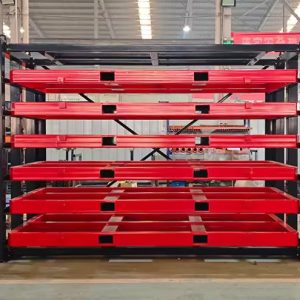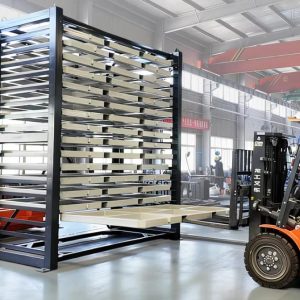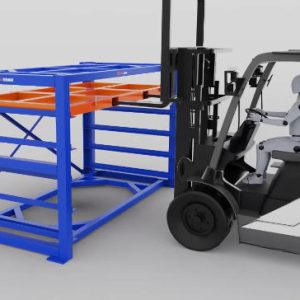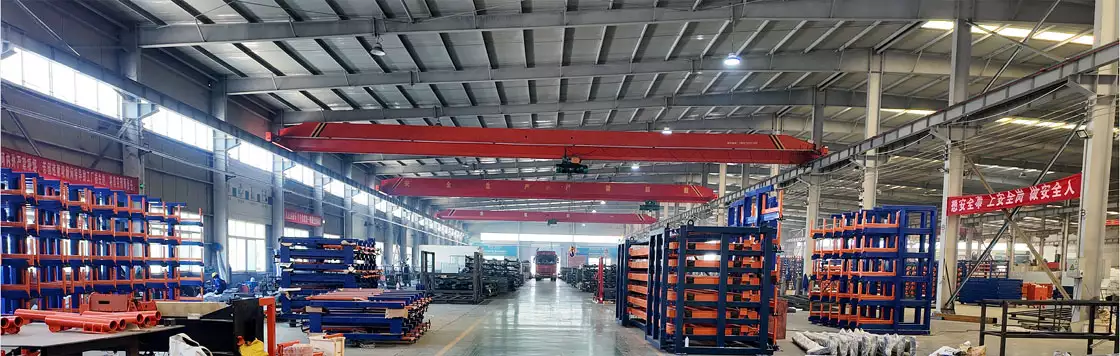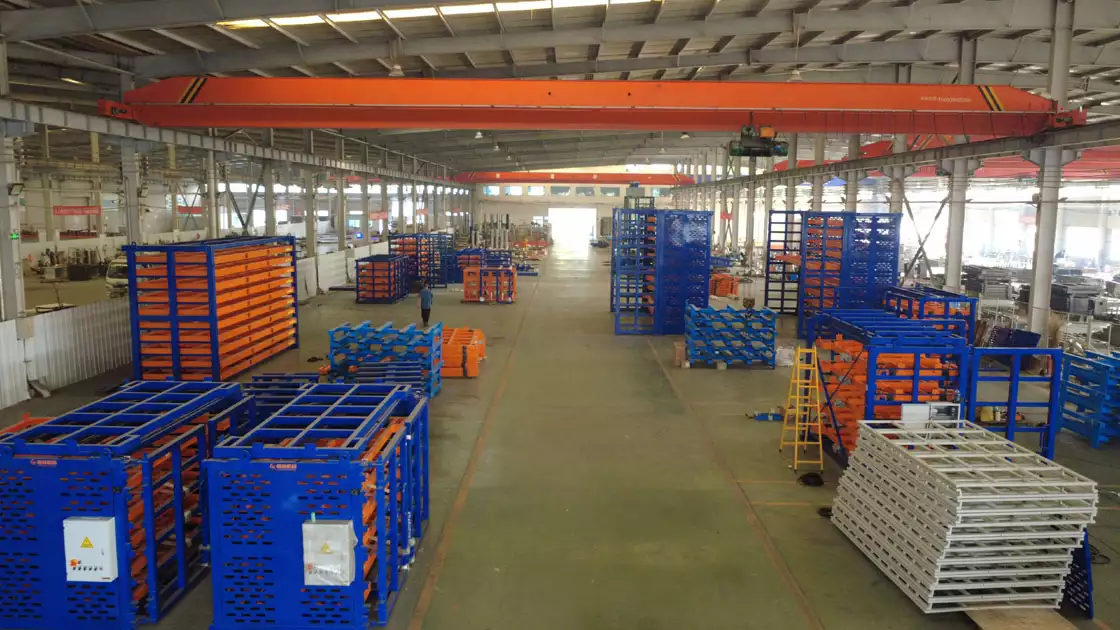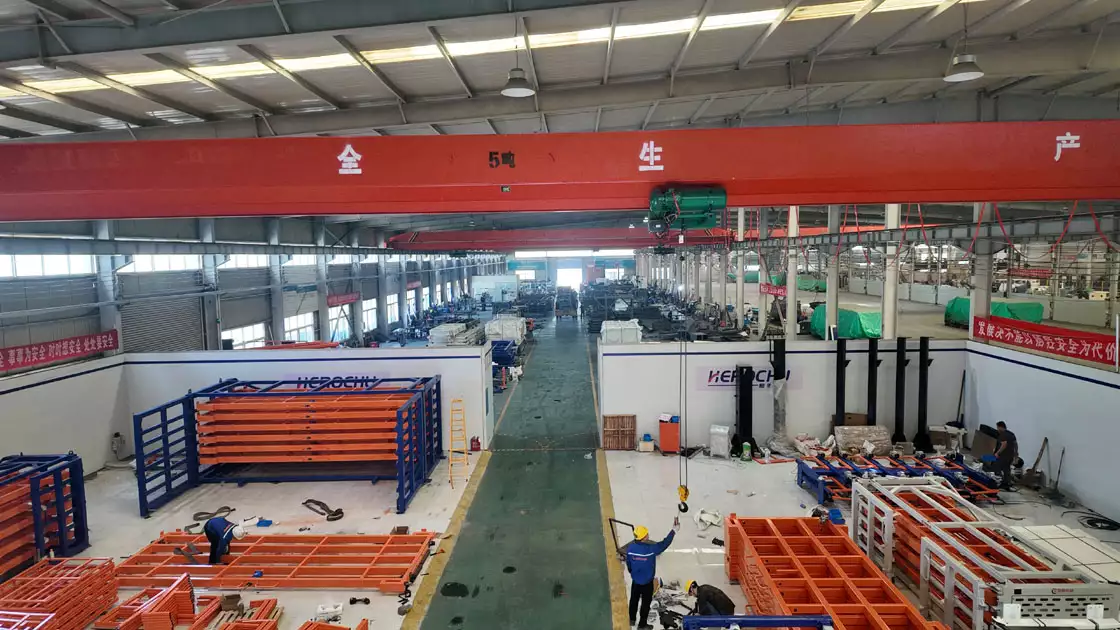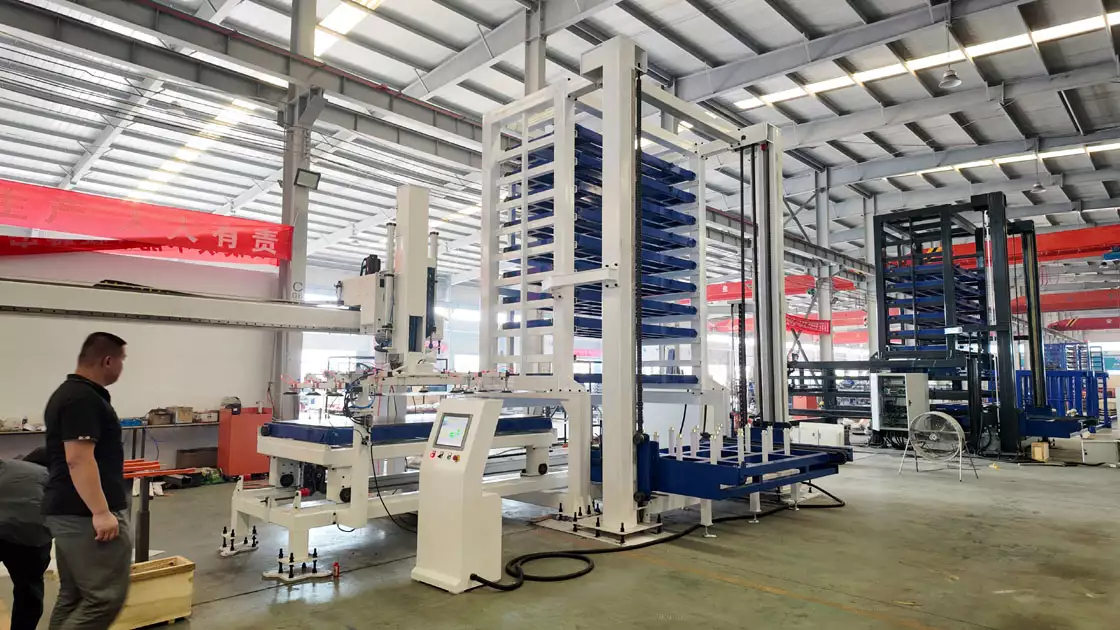
The challenge of storing long, heavy, and often cumbersome items is universal across manufacturing, distribution, and construction. Long Object Storage Racks, specifically engineered cantilever and mobile systems, provide the definitive answer to this challenge. Moving beyond makeshift solutions like floor stacking, these specialized racks bring order, safety, and radical efficiency to the storage of pipes, tubes, profiles, and lumber. This article delves into the engineering principles and practical benefits that make these systems indispensable.
The Pitfalls of Improvised Long Object Storage
Before exploring the solution, it’s vital to understand the costs of the problem. Floor storage of long materials is plagued by issues:
- Space Inefficiency: Horizontal stacking consumes enormous floor area and makes only the top layers easily accessible.
- Material Damage: Items at the bottom of a pile can become bent, scratched, or otherwise damaged.
- Safety Hazards: Unstable piles can collapse. Protruding ends create trip hazards. Retrieval often requires dangerous manual maneuvering.
- Inventory Chaos: Finding a specific item requires time-consuming digging, leading to production delays and frustrated workers.
- Wasted Labor: Excessive handling to move items for access reduces productivity and increases labor costs.
The Engineered Solution: Principles of Effective Long Object Storage Racks
Effective systems are built on core principles that directly counter the above pitfalls:
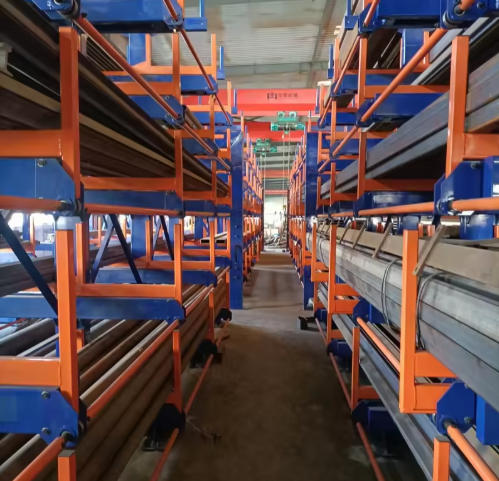
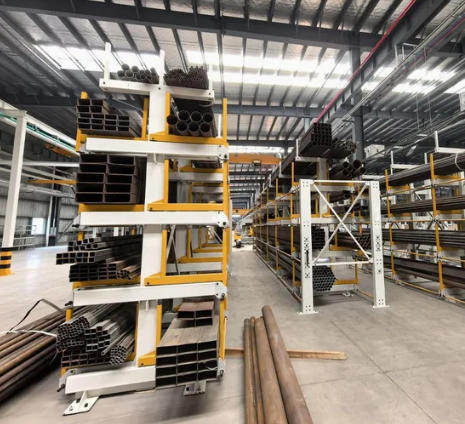
1. Vertical Utilization (Going Up, Not Out): The primary principle is to use the often-underutilized vertical space of a warehouse. By storing materials on multiple levels of a rack, you dramatically increase storage capacity per square foot of floor space.
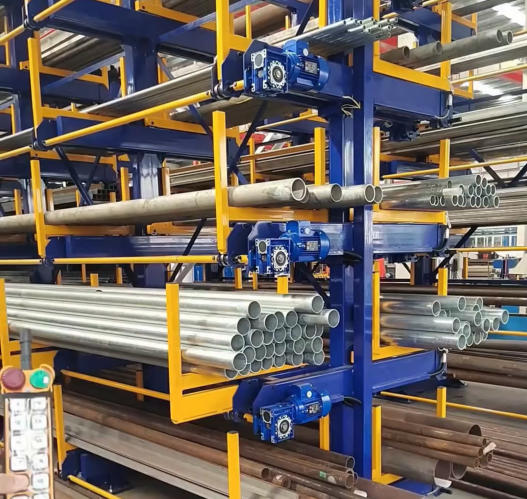
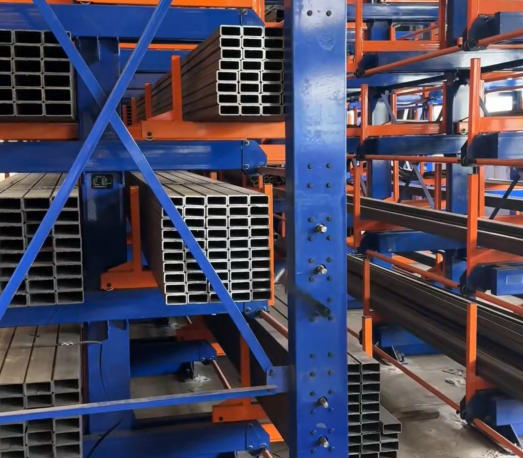
2. Unobstructed Side-Loading Access: This is the hallmark of cantilever design. By removing front-facing columns, the entire length of the stored material is accessible from the side. A crane or forklift attachment can approach directly, hook or sling the material, and lift it straight out without obstruction.
3. Adjustability and Flexibility: The needs of a warehouse change. A superior Long Object Storage rack features arms that can be easily repositioned on the vertical column to adjust the height between layers. This allows the same rack to store a variety of item heights over its lifetime.
4. Structural Integrity and Load Management: These racks are engineered to manage both static and dynamic loads. The vertical columns are anchored to resist overturning forces, while the cantilever arms are designed with specific load capacities and deflection limits to ensure they don’t sag under weight, which could trap materials or cause instability.
Types of Long Object Storage Racks and Their Best Uses
- Static Cantilever Racks: The workhorse of the industry. Ideal for warehouses with a diverse range of long items and sufficient aisle space. They offer excellent selectivity and are often the most cost-effective entry point.
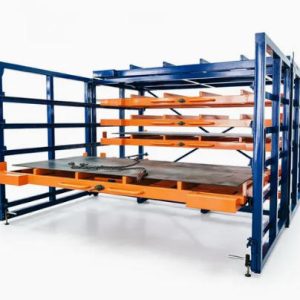
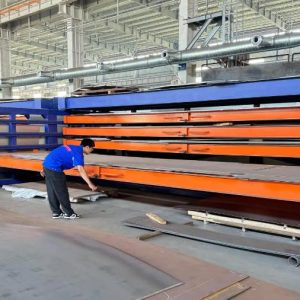
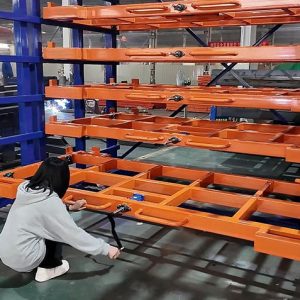
- Roll-Out Cantilever Racks (Featured in Article 1): The ideal choice when you need to combine high density with excellent access for crane operations. The “roll-out” carriage brings the entire bay of materials to the central aisle.
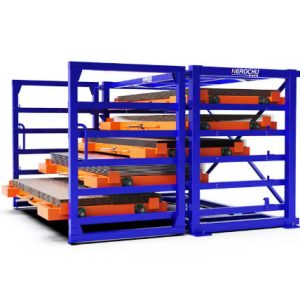
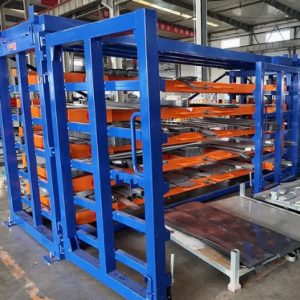
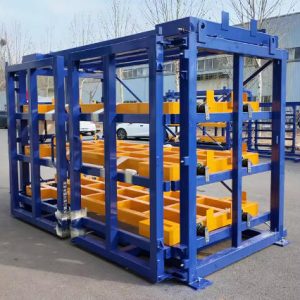
- Telescopic/Mobile Cantilever Racks (Featured in Article 2): The ultimate high-density solution. Best for facilities with very high volumes of similar long items where maximizing storage density is the paramount goal, even if it means accessing only one bay at a time.
Key Specifications Decoded for Informed Decision-Making
When evaluating racks, understanding the specs is crucial:
- Loading Per Layer: This is the uniformly distributed load (UDL) each pair of arms can safely support. Our systems range from 2 to 6 tons per layer.
- Total Loading Per Rack: The sum of the capacities of all layers. This tells you the total weight one complete rack structure (e.g., a double-sided bay) can hold.
- Distance Between Layers: Determines the maximum height of material you can store on that layer. Adequate clearance is needed for safe placement and removal.
- Length of Arm: Determines how deep the storage bay is. Longer arms can support longer materials or allow for deeper storage of multiple bundles, but they must be rated for the corresponding load.
The Impact on Overall Operations
Implementing a proper racking system creates a ripple effect of improvements:
- Faster Order Fulfillment: Pickers can locate and retrieve items in minutes, not hours.
- Improved Safety Metrics: Organized storage reduces accident rates significantly.
- Better Material Quality: Off-the-floor storage prevents moisture damage and physical distortion.
- Accurate Inventory: An organized system makes cycle counting and inventory management feasible and accurate.
- Scalable Growth: A well-planned rack system can be expanded modularly as your business grows.
Final Thoughts
Investing in professional Long Object Storage Racks is not an expense; it’s a capital investment in the efficiency and safety of your operation. It transforms a chaotic, wasteful, and hazardous area of your facility into a model of lean logistics. Whether you choose a static, roll-out, or telescopic system depends on your specific balance of density, access, and budget needs. As expert Steel tube storage racks & cantilever racks manufacturers, we are here to guide you through that choice and engineer a solution that will deliver returns for years to come.