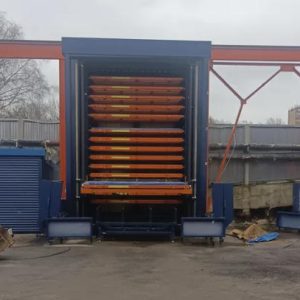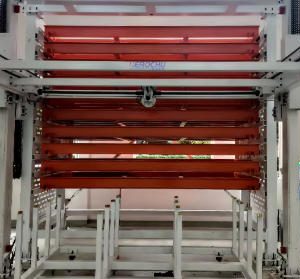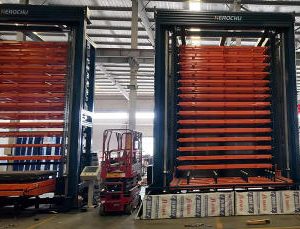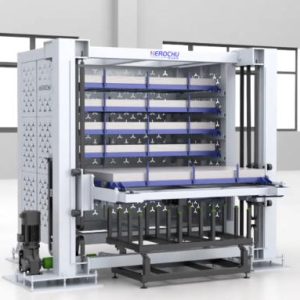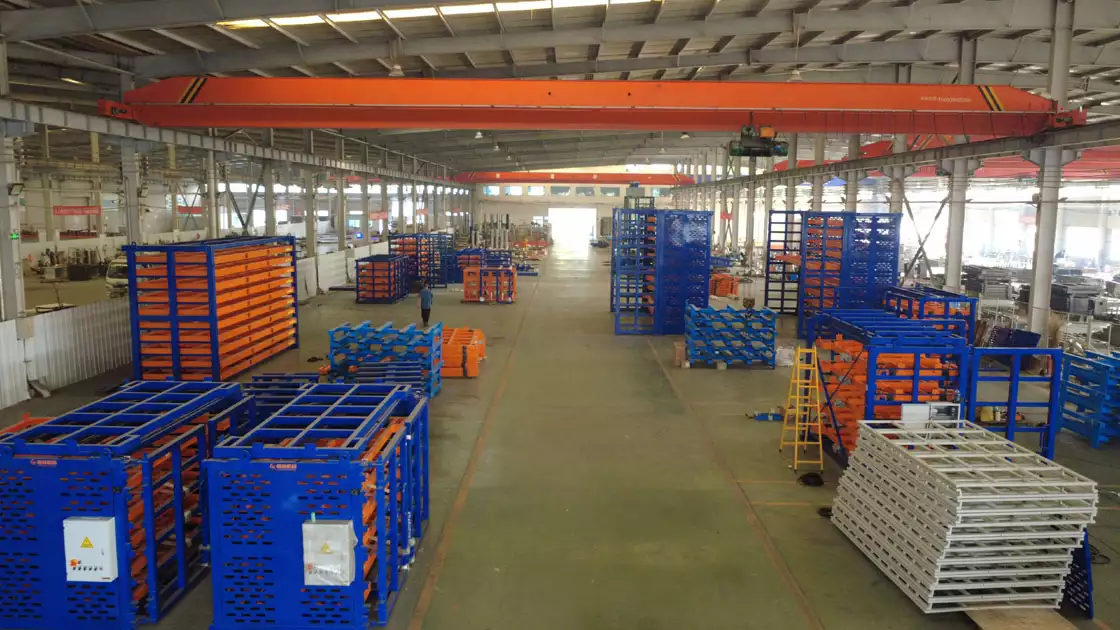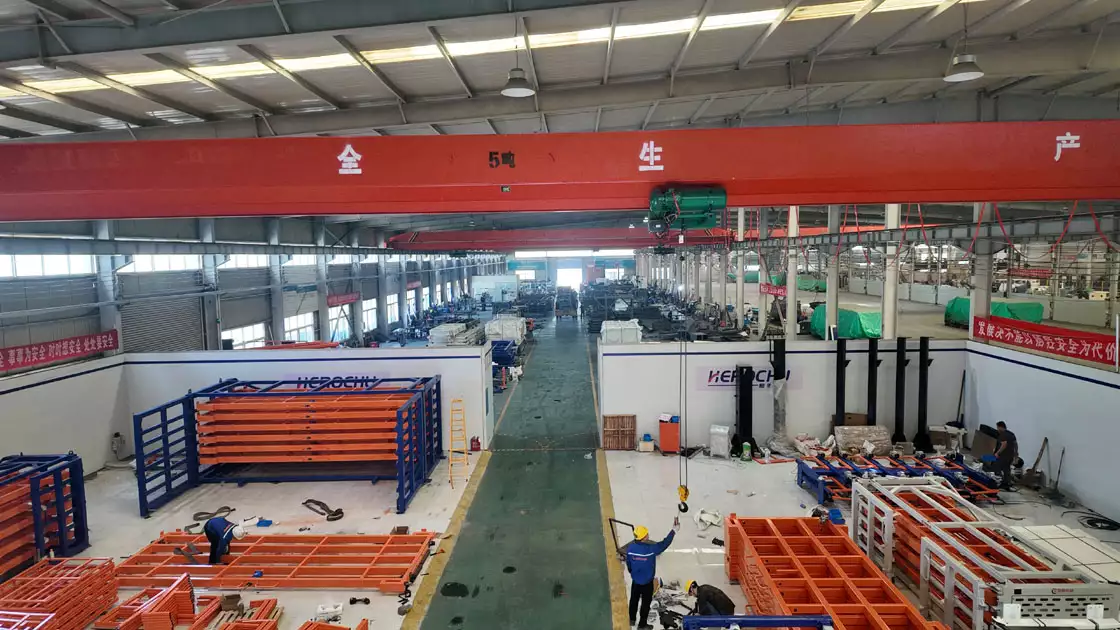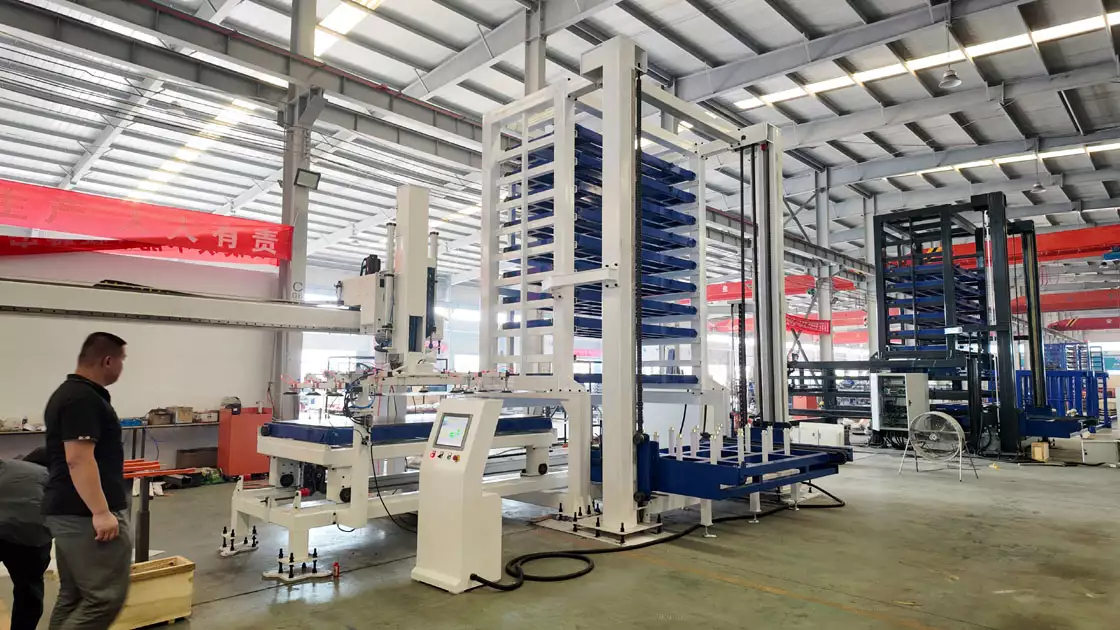
In the fast-paced world of manufacturing, warehousing, and construction, efficient storage of heavy-duty steel plates is a critical factor that directly impacts productivity, safety, and cost-effectiveness. Among the various storage systems available, cantilever racks stand out as a game-changer, especially when it comes to providing easy crane access and handling large, heavy, or awkwardly shaped steel plates. These racks are not just a storage option; they are a strategic investment that optimizes space, enhances safety, and streamlines operations.
What Are Cantilever Racks?
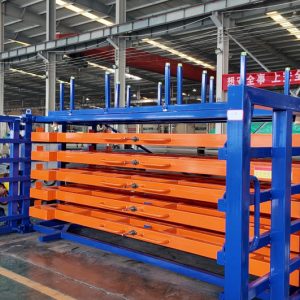
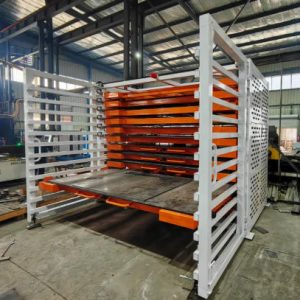
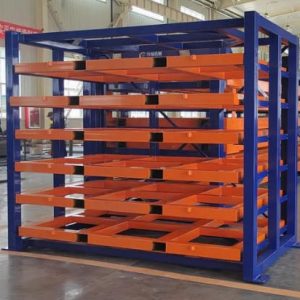
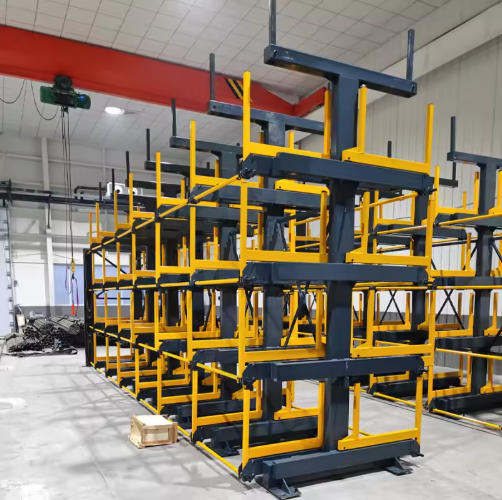
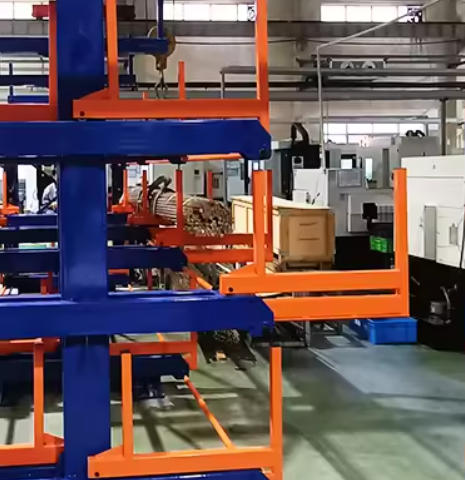
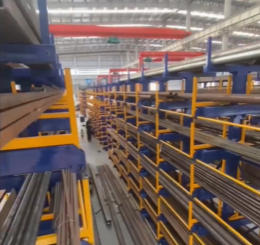
Cantilever racks are specialized storage systems designed to handle heavy and bulky items, with a unique structure that features strong arms extending horizontally from a central vertical column. Unlike traditional racking systems that rely on front and back beams for support, cantilever racks eliminate the front beam, creating an open and unobstructed access area. This open design is particularly beneficial for steel plate storage, as it allows cranes, forklifts, and other material handling equipment to easily reach and maneuver even the largest and heaviest plates without any structural barriers.
The central column of a cantilever rack is the backbone of the system, constructed from high-quality, robust steel—often including I-beams—to ensure maximum strength and durability. The arms, which are attached to the column at regular intervals, are engineered to withstand significant weight loads. Depending on the specific needs of the application, the arms can be adjusted in height and spacing, making cantilever racks highly versatile for storing steel plates of different sizes, thicknesses, and weights.
Key Features of Cantilever Racks for Steel Plate Storage
- Open Access Design: The absence of a front beam is the most distinctive feature of cantilever racks. This design allows cranes to approach the steel plates from the front, side, or even at an angle, making loading and unloading operations faster and more efficient. For facilities that rely heavily on crane-based material handling, this open access eliminates the need for precise alignment and reduces the risk of damage to both the racking system and the steel plates.
- High Weight Capacity: Built with heavy-duty steel components, including I-beams for the columns and arms, cantilever racks are capable of supporting thousands of pounds per arm. This high weight capacity makes them ideal for storing thick, heavy steel plates that would otherwise be difficult to handle with standard storage systems. For example, many industrial-grade cantilever racks can support up to 10,000 pounds or more per arm, depending on the design and configuration.
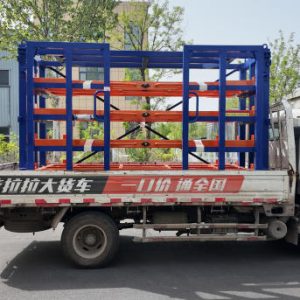
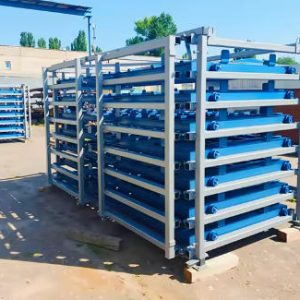
- Weather Resistance for Indoor and Outdoor Use: Unlike some storage systems that are limited to indoor environments, cantilever racks are designed to withstand the elements, making them suitable for both indoor warehouses and outdoor yards. The steel components are often treated with a durable coating, such as powder coating or galvanization, which protects against rust, corrosion, and damage from exposure to rain, snow, and sunlight. This versatility ensures that steel plates can be stored in the most convenient location, whether that’s inside a climate-controlled warehouse or outside near the production line.
- Adjustable Arms for Flexibility: One of the biggest advantages of cantilever racks is their flexibility. The arms can be easily adjusted in height and spacing to accommodate steel plates of different sizes and thicknesses. For example, if a facility needs to store both small, thin plates and large, thick plates, the arms can be repositioned to create the perfect storage space for each type. This flexibility eliminates the need to invest in multiple storage systems and allows the racking to adapt to changing inventory needs over time.
- Space Optimization: Cantilever racks are designed to maximize vertical space, which is a valuable commodity in any warehouse or storage facility. By storing steel plates vertically on the extended arms, the racks free up valuable floor space that can be used for other operations, such as production, assembly, or additional storage. This vertical storage approach also makes it easier to organize steel plates by size, type, or project, reducing the time spent searching for specific materials and improving overall inventory management.
Benefits of Using Cantilever Racks for Steel Plate Storage
- Improved Operational Efficiency: The open access design and easy crane access of cantilever racks significantly reduce the time and effort required to load and unload steel plates. Cranes can quickly and easily pick up and place plates on the arms, eliminating the need for manual handling or the use of multiple pieces of equipment. This streamlined process not only speeds up material handling operations but also reduces the risk of delays in production, as steel plates can be delivered to the production line faster.
- Enhanced Safety: Safety is a top priority in any industrial environment, and cantilever racks are designed with safety in mind. By keeping steel plates off the floor, the racks reduce the risk of trip hazards and prevent damage to the plates from accidental impacts or moisture on the floor. The sturdy construction of the racks also ensures that they can withstand the weight of heavy plates without bending or collapsing, reducing the risk of workplace accidents. Additionally, the open design allows for better visibility of the stored plates, making it easier for operators to spot potential hazards and ensure safe handling.
- Material Protection: Steel plates are valuable assets, and protecting them from damage is essential to maintaining their quality and usability. Cantilever racks keep steel plates elevated and organized, reducing the risk of dents, scratches, and corrosion. The arms of the racks are often equipped with padding or rubberized surfaces to provide additional protection against scratches, while the vertical storage position prevents warping that can occur when plates are stored flat for extended periods. This protection ensures that steel plates remain in optimal condition, reducing the need for costly repairs or replacements.
- Cost Savings: Investing in cantilever racks can lead to significant cost savings over time. By optimizing space, the racks reduce the need for additional warehouse space, which can be a major expense for growing businesses. The improved efficiency of material handling operations also reduces labor costs, as fewer workers are needed to load and unload steel plates. Additionally, the protection of steel plates from damage reduces the cost of replacing or repairing damaged materials, while the durability of the racks ensures that they have a long lifespan, minimizing the need for frequent replacements.
- Compliance with Industry Standards: Many industries, such as construction, manufacturing, and aerospace, have strict standards for the storage and handling of steel plates. Cantilever racks are designed to meet these standards, ensuring that facilities remain compliant with local, national, and international regulations. This compliance not only helps to avoid fines and penalties but also demonstrates a commitment to quality and safety, which can enhance a company’s reputation among customers and partners.
Applications of Cantilever Racks in Different Industries
Cantilever racks are versatile storage solutions that can be used in a wide range of industries that handle heavy-duty steel plates. Here are some of the most common applications:
- Manufacturing Industry: In manufacturing facilities, steel plates are used to produce a variety of products, from machinery and equipment to automotive parts and appliances. Cantilever racks provide a convenient and efficient way to store these plates near the production line, ensuring that they are easily accessible when needed. The open access design allows cranes to quickly deliver plates to the manufacturing floor, reducing production delays and improving overall efficiency.
- Construction Industry: Construction sites often require large quantities of steel plates for structural purposes, such as building frames, bridges, and roads. Cantilever racks are ideal for storing these plates on-site, as they can withstand the outdoor elements and provide easy access for cranes and other heavy equipment. The adjustable arms of the racks also make it easy to store plates of different sizes, which is essential for construction projects that require a variety of materials.
- Warehousing and Distribution: Warehouses that store and distribute steel plates need a storage system that can handle large volumes of material while maximizing space. Cantilever racks allow warehouses to store plates vertically, freeing up floor space for other products or operations. The easy access design also makes it easier to pick and pack plates for distribution, reducing the time and effort required to fulfill orders.
- Aerospace and Defense Industry: The aerospace and defense industry requires high-quality steel plates that meet strict specifications for strength and durability. Cantilever racks provide a secure and protected storage solution for these plates, ensuring that they remain in optimal condition until they are needed for production. The racks’ ability to handle heavy weights and their compliance with industry standards make them an ideal choice for this sector.
Choosing the Right Cantilever Rack for Your Steel Plate Storage Needs
When selecting a cantilever rack for steel plate storage, there are several factors to consider to ensure that you choose the right system for your specific needs:
- Weight Capacity: The first and most important factor to consider is the weight capacity of the rack. You need to ensure that the rack can support the weight of your heaviest steel plates. Be sure to check the weight capacity per arm, as well as the total weight capacity of the entire rack system.
- Size of Steel Plates: The size of your steel plates will also determine the type of cantilever rack you need. Consider the length, width, and thickness of the plates, and choose a rack with arms that are long enough and wide enough to accommodate them. Adjustable arms are a good option if you have plates of varying sizes.
- Indoor or Outdoor Use: If you plan to store the rack outdoors, you need to choose a system that is weather-resistant. Look for racks with galvanized or powder-coated steel components that can withstand exposure to the elements. Indoor racks may not require the same level of weather protection, but they still need to be durable enough to handle heavy use.
- Material Handling Equipment: Consider the type of material handling equipment you will be using to load and unload the steel plates. If you use a crane, you need a rack with an open access design that allows the crane to easily reach the plates. If you use a forklift, you may need a rack with lower arms or a different configuration to accommodate the forklift’s lifting height.
- Space Availability: Evaluate the space available in your warehouse or storage facility. Cantilever racks are designed to maximize vertical space, but you still need to ensure that the rack will fit in the available area. Consider the height of the ceiling, the width of the aisleways, and the distance between other equipment or storage systems.
Conclusion
Cantilever racks are the ultimate storage solution for heavy-duty steel plates, offering easy crane access, high weight capacity, flexibility, and space optimization. Whether you are operating a manufacturing facility, a construction site, a warehouse, or an aerospace plant, these racks can help you improve operational efficiency, enhance safety, protect your valuable steel plates, and save costs. By choosing the right cantilever rack for your specific needs, you can create a streamlined and organized storage system that supports your business goals and helps you stay ahead of the competition. Invest in cantilever racks today and experience the difference they can make in your steel plate storage operations.