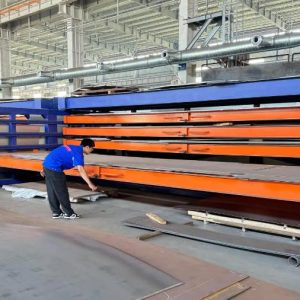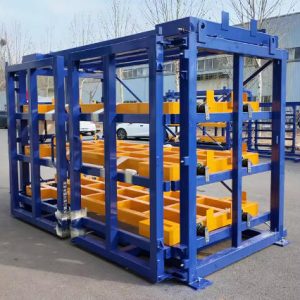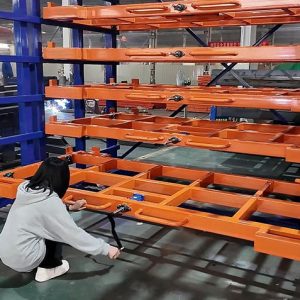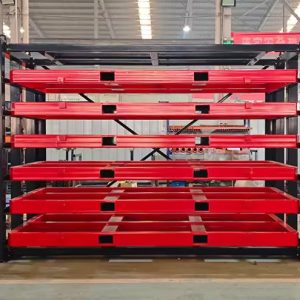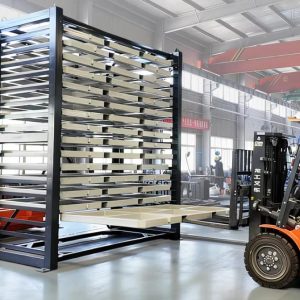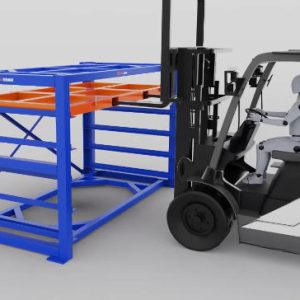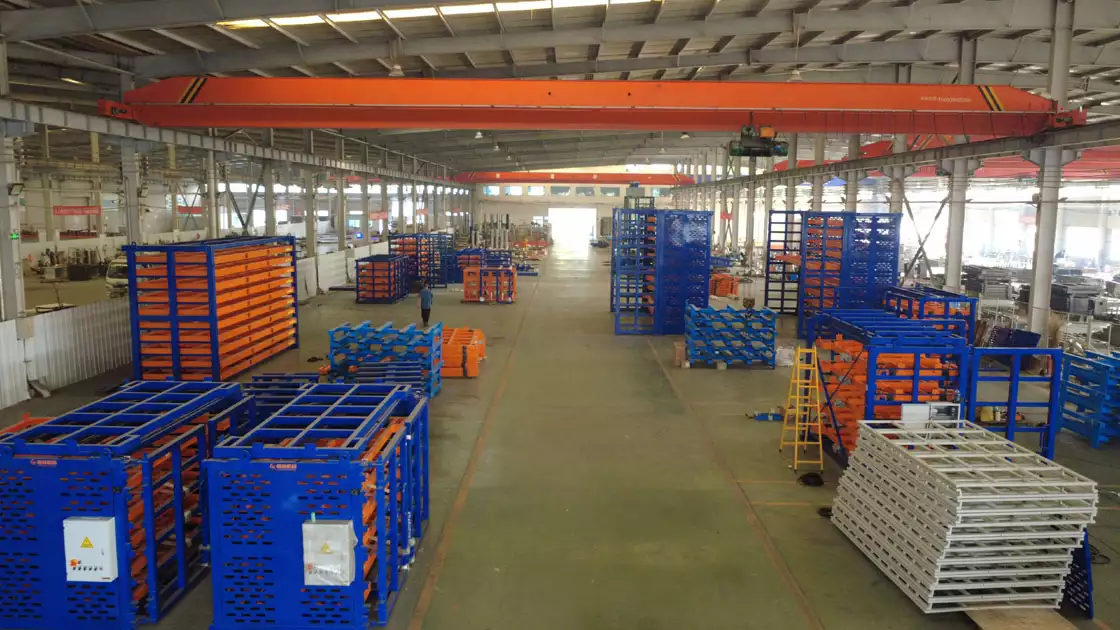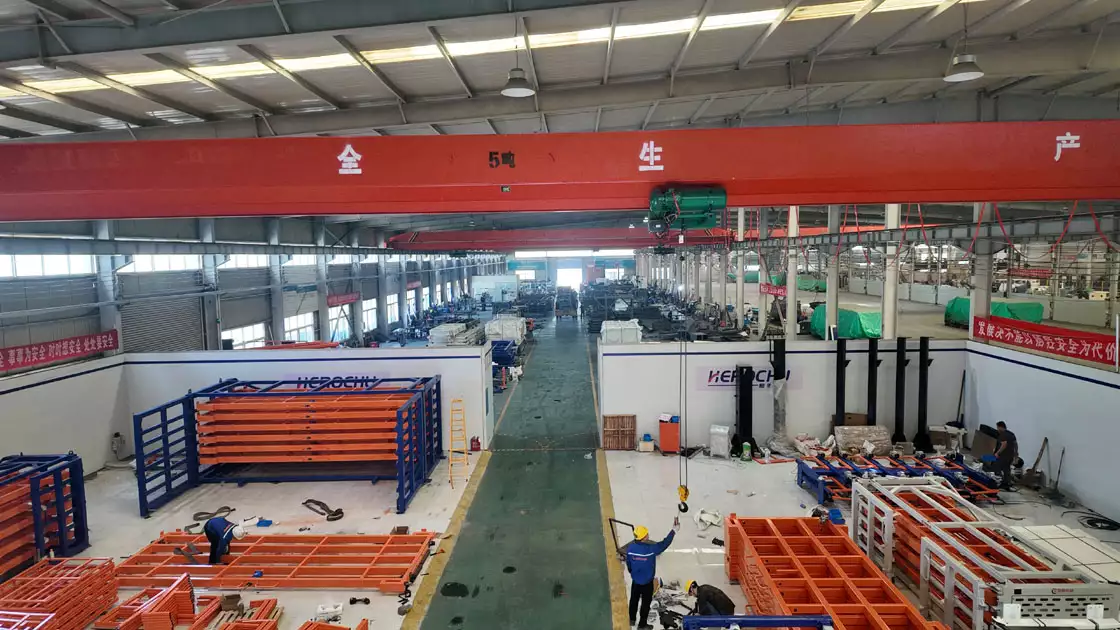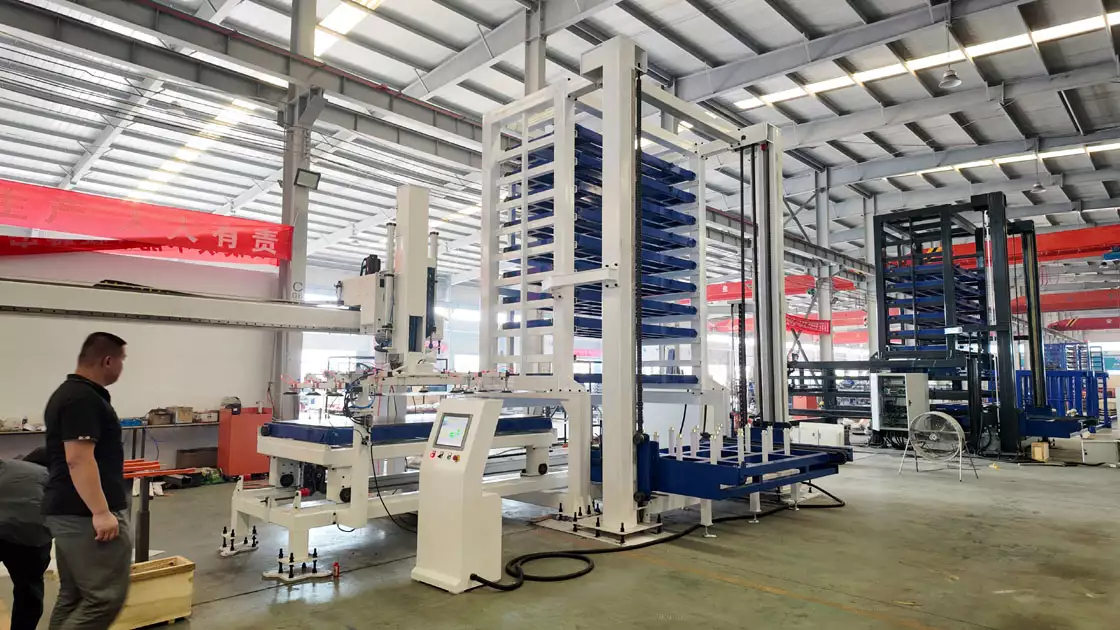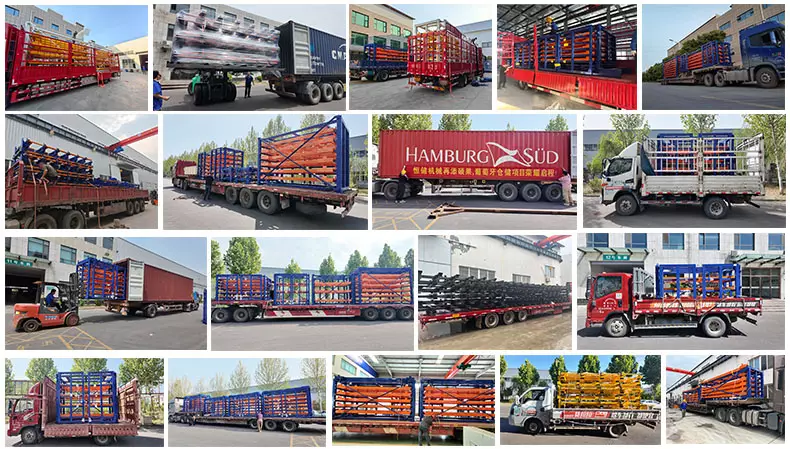
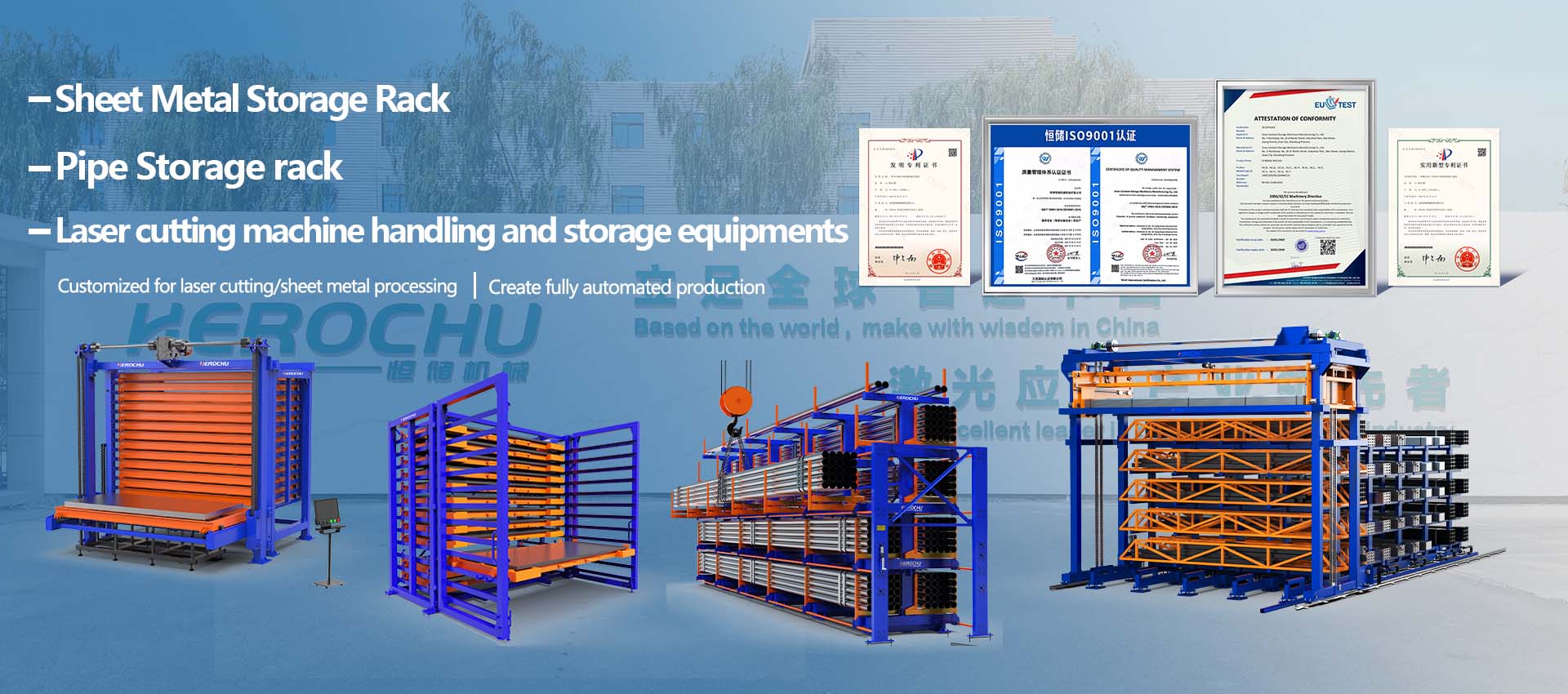
In warehouses and manufacturing facilities worldwide, storing long, bulky materials like steel pipes, bar stock, and angle iron has long been a logistical headache. Traditional storage methods—such as stacking items on the floor or using fixed horizontal racks—waste valuable space, slow down retrieval times, and put workers at risk of injury. For businesses that rely on these materials to keep production running, inefficiencies in storage can translate to missed deadlines, increased labor costs, and unnecessary material damage. Today, there’s a game-changing solution that addresses all these pain points: telescopic cantilever shelves. Designed specifically for long material storage, these innovative racks combine space-saving design, easy accessibility, and heavy-duty durability to transform how facilities manage their bulk and lengthy inventory.
Why Traditional Long Material Storage Fails (And How Telescopic Cantilever Shelves Fix It)
Before diving into the benefits of telescopic cantilever shelves, it’s critical to understand the flaws of traditional storage methods for long materials. Let’s take a steel fabrication shop as an example: a typical shop might store 20-foot steel pipes by leaning them against a wall or stacking them on the floor. This approach takes up massive floor space—often requiring entire sections of the warehouse to be dedicated to just one type of material. Worse, retrieving a specific pipe from the middle of a stack means moving multiple heavy pipes out of the way, a process that takes two or more workers and a forklift, and risks damaging the materials or causing injuries.
Fixed cantilever racks, while an improvement over floor storage, still have limitations. These racks feature stationary arms that extend from uprights, but they require wide aisles for forklifts to maneuver, wasting space. Additionally, accessing materials on the back of the rack means reaching over or moving items in the front, leading to delays and frustration.
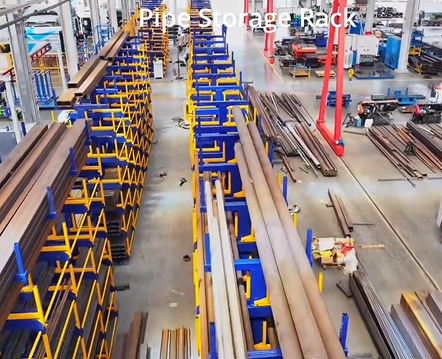
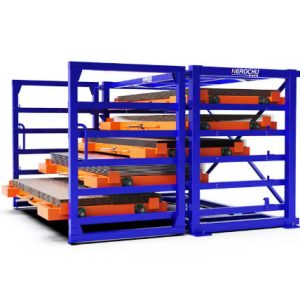
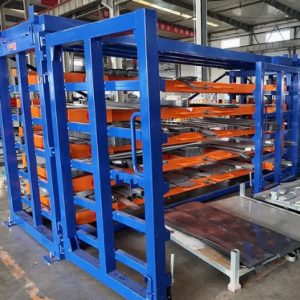
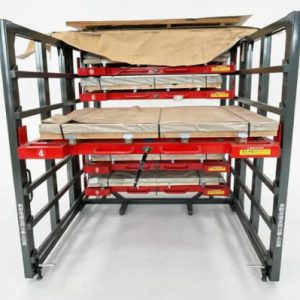
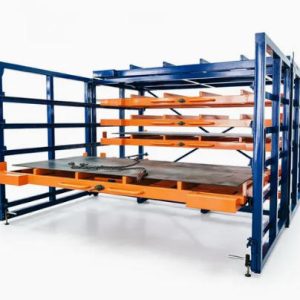
Telescopic cantilever shelves solve these issues by reimagining the cantilever design. Unlike fixed racks, their arms roll out (or telescope) forward, bringing materials to the front of the rack for easy access—no more reaching over or moving other items. This design eliminates the need for wide aisles, as cranes or forklifts only need space at the front of the rack to load and unload. The result? A storage system that uses space more efficiently, speeds up retrieval times, and reduces the risk of damage and injury.